

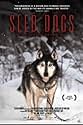
Füge eine Handlung in deiner Sprache hinzuFilmmaker Fern Levitt examines the breeding and care of dogs raised specifically for sled dog racing.Filmmaker Fern Levitt examines the breeding and care of dogs raised specifically for sled dog racing.Filmmaker Fern Levitt examines the breeding and care of dogs raised specifically for sled dog racing.
- Regisseur/-in
- Autor/-in
- Auszeichnungen
- 2 Gewinne & 1 Nominierung insgesamt
6,7176
1
2
3
4
5
6
7
8
9
10
Empfohlene Bewertungen
Lacks ANY truths
I watched this because I couldn't imagine why any and everyone in the sled dog world found it so horrible. Now I know. It is fabrication. Having visited countless kennels, and the race and checkpoints - there is NO truth here. She's taken an isolated incident and an interview based on misrepresentation - and skewed it to support her agenda - which, by the way - is raising money. WOW - this is a truly sickening twisting of reality
Omitted facts about bad veterinary care in Iditarod
Unfortunately, in the film, claims made by Stu Nelson, the Iditarod's chief veterinarian, aren't corrected by anyone giving the facts. He portrays the Iditarod as an event in which dogs get good veterinary care. They don't.
Mushers often blast through checkpoints, so dogs don't get physical examinations. In some cases, dogs who have been at checkpoints for hours have died soon after leaving.
Iditarod veterinarians allow sick and injured dogs to race. In a recent Iditarod, one of Lance Mackey's male dogs ripped out all of his 16 toenails trying to get to a female who was in heat. This type of broken toenail is extremely painful. But veterinarians allowed Mackey to continue to race him. Imagine the agony the dog was forced to endure.
Here's another example: Veterinarians have allowed dogs with kennel cough to race in the Iditarod even though dogs with this disease should be kept warm and given lots of rest. Strenuous exercise can cause lung damage, pneumonia and even death. To make matters worse, kennel cough is a highly contagious disease that normally lasts from 10 to 21 days.
Nelson claimed that 30 percent of the dogs are dropped at checkpoints. That's inaccurate. On average, fifty percent of the dogs are left at checkpoints because they're injured, sick or exhausted.
FACTS: Sled Dog Action Coalition
Mushers often blast through checkpoints, so dogs don't get physical examinations. In some cases, dogs who have been at checkpoints for hours have died soon after leaving.
Iditarod veterinarians allow sick and injured dogs to race. In a recent Iditarod, one of Lance Mackey's male dogs ripped out all of his 16 toenails trying to get to a female who was in heat. This type of broken toenail is extremely painful. But veterinarians allowed Mackey to continue to race him. Imagine the agony the dog was forced to endure.
Here's another example: Veterinarians have allowed dogs with kennel cough to race in the Iditarod even though dogs with this disease should be kept warm and given lots of rest. Strenuous exercise can cause lung damage, pneumonia and even death. To make matters worse, kennel cough is a highly contagious disease that normally lasts from 10 to 21 days.
Nelson claimed that 30 percent of the dogs are dropped at checkpoints. That's inaccurate. On average, fifty percent of the dogs are left at checkpoints because they're injured, sick or exhausted.
FACTS: Sled Dog Action Coalition
Lovely photography in a film full of lies
While the film starts out nicely enough, it quickly descends into lies. Many are lies of omission by not presenting all the information available. The information on Starz which aired the film states: "a profile of what happens at sled dog operations after the Iditarod ends and the tourists go home." The only kennel in the movie that was used in Iditarod is of a rookie musher. He doesn't own that kennel, an Iditarod champion does. It is not a touring kennel. Their attempt to make the rookie look bad failed. His dogs came across the finish line in Nome with tails wagging and heads held high.
The attempt to portray Krabloonik in Colorado was so mixed up in it's messages. I have been to the kennel as recently as October of 2017. Under new management, it is wonderfully run. I saw dogs as happy as can be. The film claims they are tied to a chain for life. Not true. They get off those chains every day to run in the several fenced acres there. In winter, they are running down hill giving tourists rides in a sled. For sled dogs, this place is golden. The former owner may have had problems. But the film claims the current owner worked for him, so they must be bad as well. That too is untrue. They were there a few weeks before all the legal troubles began. They bought the kennel, at an outrageous price, to save the dogs. Dan MacEachen died, probably because of all the stress this whole event caused.
As for the situation in Whistler, BC that came as a shock to all mushers. The mushing community is always prepared to help fellow mushers in need. No one knew the kennel was in trouble. We all are very sad over that situation.
There are many more things I could add but will not go into a lengthy review. I have 8 pages of notes from the movie. All the "experts" presented on tethering dogs could easily have been refuted by other studies. Do your homework folks.
One last comment, near the end of the movie is video of dead dogs found in a conex trailer in Willow, Alaska. Of course, they never say who this belonged to and where it is. Of course not, because it didn't belong to a musher. I know this for a fact as I lived in Willow at the time and know the person who owned the trailer. I attended his trial for dog abuse. He was a hoarder who thought he could make money breeding dogs and selling puppies. He couldn't. No one does. If you think mushers make money off racing dogs, you are mistaken. Any money won at a race, immediately goes back into a kennel.
So, Fern thinks she has made a movie that will shut down the Iditarod and/or touring kennels. She hasn't. She has only made a work that proves she does not deserve the title director or documentarian. I say this with certainly as a documentary film maker myself. I have worked in television production since 1971 and have owned a sled dog team since then as well.
The attempt to portray Krabloonik in Colorado was so mixed up in it's messages. I have been to the kennel as recently as October of 2017. Under new management, it is wonderfully run. I saw dogs as happy as can be. The film claims they are tied to a chain for life. Not true. They get off those chains every day to run in the several fenced acres there. In winter, they are running down hill giving tourists rides in a sled. For sled dogs, this place is golden. The former owner may have had problems. But the film claims the current owner worked for him, so they must be bad as well. That too is untrue. They were there a few weeks before all the legal troubles began. They bought the kennel, at an outrageous price, to save the dogs. Dan MacEachen died, probably because of all the stress this whole event caused.
As for the situation in Whistler, BC that came as a shock to all mushers. The mushing community is always prepared to help fellow mushers in need. No one knew the kennel was in trouble. We all are very sad over that situation.
There are many more things I could add but will not go into a lengthy review. I have 8 pages of notes from the movie. All the "experts" presented on tethering dogs could easily have been refuted by other studies. Do your homework folks.
One last comment, near the end of the movie is video of dead dogs found in a conex trailer in Willow, Alaska. Of course, they never say who this belonged to and where it is. Of course not, because it didn't belong to a musher. I know this for a fact as I lived in Willow at the time and know the person who owned the trailer. I attended his trial for dog abuse. He was a hoarder who thought he could make money breeding dogs and selling puppies. He couldn't. No one does. If you think mushers make money off racing dogs, you are mistaken. Any money won at a race, immediately goes back into a kennel.
So, Fern thinks she has made a movie that will shut down the Iditarod and/or touring kennels. She hasn't. She has only made a work that proves she does not deserve the title director or documentarian. I say this with certainly as a documentary film maker myself. I have worked in television production since 1971 and have owned a sled dog team since then as well.
Great Editing...
Great editing, they managed to edit out the truth and focus on one bad kennel amongst thousands and made it seem every kennel is like that. Worse yet, they had to lie, alter and edit clips as well as make things up to make their point. In other words, no point. Every musher I know is against what happened at Whistler. No musher I know (hundreds of them) acts anything like Whistler.
Focusing on 1 bad kennel to try to lead you to believe every kennel is like that is like focusing 1 case of child abuse and leading others to believe YOU are a child abuser because of that totally unrelated case. I can't believe this pack of lies even got funded.
Focusing on 1 bad kennel to try to lead you to believe every kennel is like that is like focusing 1 case of child abuse and leading others to believe YOU are a child abuser because of that totally unrelated case. I can't believe this pack of lies even got funded.

Top-Auswahl
Melde dich zum Bewerten an und greife auf die Watchlist für personalisierte Empfehlungen zu.
Details
- Laufzeit
- 1 Std. 22 Min.(82 min)
- Farbe
Zu dieser Seite beitragen
Bearbeitung vorschlagen oder fehlenden Inhalt hinzufügen