PUNTUACIÓN EN IMDb
7,5/10
32 mil
TU PUNTUACIÓN


Añade un argumento en tu idiomaA look at the life and work of doctor-assisted suicide advocate Jack Kevorkian.A look at the life and work of doctor-assisted suicide advocate Jack Kevorkian.A look at the life and work of doctor-assisted suicide advocate Jack Kevorkian.
- Director/a
- Guionista
- Estrellas
- Ganó 2 premios Primetime Emmy
- 11 premios y 38 nominaciones en total
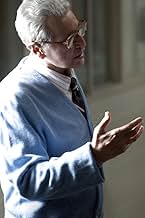
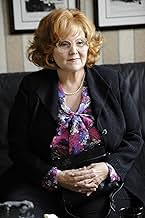

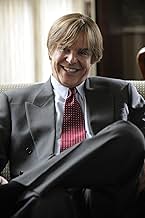
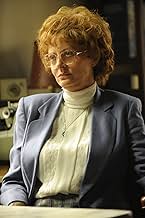
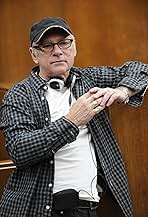
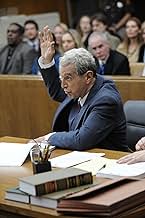
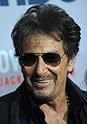


- Director/a
- Guionista
- Todo el reparto y equipo
- Producción, taquilla y más en IMDbPro
7,531.6K
1
2
3
4
5
6
7
8
9
10
Reseñas destacadas
Don't Let the "Made For TV" Fool You
Confession: I have long been a fan of Jack Kevorkian, and believed in his cause. Yes, he does walk a thin line at times, and raises some ethical issues, but his general point always seemed sound to me.
Here is the first film on his life (at least the part that we care about) that merits watching. It tells the whole story, does it very effectively, and gives us one of the best Al Pacino roles in years. Also, we learn more about his friend Neil and his attorney, both of whom were always played down in the news.
Although the film runs a bit on the long side, and could possibly be trimmed by ten minutes, I really enjoyed it. Pacino should be proud, and Kevorkian himself could ask of no greater portrayal of his work.
Here is the first film on his life (at least the part that we care about) that merits watching. It tells the whole story, does it very effectively, and gives us one of the best Al Pacino roles in years. Also, we learn more about his friend Neil and his attorney, both of whom were always played down in the news.
Although the film runs a bit on the long side, and could possibly be trimmed by ten minutes, I really enjoyed it. Pacino should be proud, and Kevorkian himself could ask of no greater portrayal of his work.
Compelling TV
Love him or hate him, agree or disagree with his stance on assisted suicide, Jack Kevorkian makes for good television. Detroit's "Dr. Death" is a polarizing force in medical ethics, a man who believes that a person's right to self-determination includes the right to decide when enough is enough.
Al Pacino is a dead-wringer for Kevorkian (pun intended), the son of Armenian immigrants who escaped the Turkish genocide. He passionately lives the edict that one must disobey laws one feels are immoral. For Kevorkian, that means helping the terminally ill end their suffering and die with dignity, at a time of their choosing, regardless of its cost to him.
HBO's docudrama shows Kevorkian at his best and worst, compassionate with those who ask for his help, acerbic to the point of viciousness with anyone he considers stupid. Kevorkian is not necessarily a nice man, but he is obdurate when it comes to his principles. We see him argue with prosecutors, walk out on court proceedings, lock horns with his attorney Geoffrey Fieger. Nothing sways him in his zeal for allowing individuals suffering from end-stage terminal illness to decide for themselves what—and when--it means to die with dignity.
The talented supporting cast includes big names like Susan Sarandon, Brenda Vaccaro, John Goodman, and Danny Huston, as well as a slew of less-known actors who portray Kevorkian's patients/victims with heartbreaking realism. Make no mistake, however; this is Pacino's show from start to finish. His physical resemblance to the real Kevorkian is uncanny. He rants, he rages, he cajoles, he sympathizes. He assists and he initiates. It is sometimes difficult to remember that we are watching a supremely talented actor and not the man he is portraying.
"You Don't Know Jack" clearly sides with Kevorkian's viewpoint. It does so, however without sensationalism, nor does it dismiss nor trivialize the opposing side. In other words, "You Don't Know Jack" does what television does best: It entertains while challenging viewers to engage in dialogue about a topic that truly matters.
Al Pacino is a dead-wringer for Kevorkian (pun intended), the son of Armenian immigrants who escaped the Turkish genocide. He passionately lives the edict that one must disobey laws one feels are immoral. For Kevorkian, that means helping the terminally ill end their suffering and die with dignity, at a time of their choosing, regardless of its cost to him.
HBO's docudrama shows Kevorkian at his best and worst, compassionate with those who ask for his help, acerbic to the point of viciousness with anyone he considers stupid. Kevorkian is not necessarily a nice man, but he is obdurate when it comes to his principles. We see him argue with prosecutors, walk out on court proceedings, lock horns with his attorney Geoffrey Fieger. Nothing sways him in his zeal for allowing individuals suffering from end-stage terminal illness to decide for themselves what—and when--it means to die with dignity.
The talented supporting cast includes big names like Susan Sarandon, Brenda Vaccaro, John Goodman, and Danny Huston, as well as a slew of less-known actors who portray Kevorkian's patients/victims with heartbreaking realism. Make no mistake, however; this is Pacino's show from start to finish. His physical resemblance to the real Kevorkian is uncanny. He rants, he rages, he cajoles, he sympathizes. He assists and he initiates. It is sometimes difficult to remember that we are watching a supremely talented actor and not the man he is portraying.
"You Don't Know Jack" clearly sides with Kevorkian's viewpoint. It does so, however without sensationalism, nor does it dismiss nor trivialize the opposing side. In other words, "You Don't Know Jack" does what television does best: It entertains while challenging viewers to engage in dialogue about a topic that truly matters.
10D_Burke
Compelling DocuDrama Void of Exploitation, & Pacino's Best Performance in Years
If you remember the 90's, Dr. Jack Kevorkian needs no introduction. His name was as much the subject of medical controversy as it was the punchline of countless jokes. His name was as notorious to some as O.J. Simpson or Richard Ramirez, yet also as admirable to others as Bill Clinton or Michael Jordan.
In the hands of many other directors, Kevorkian's biopic could have been treated more like a farce based on the doctor's past eccentricities, such as showing up in court wearing a powdered wig. Of course, Kevorkian's unabashed behaviors in front of camera lenses are depicted in this film, but fortunately, the details of his assisted suicides are not ever given any sugar coated treatments.
"You Don't Know Jack" tells the story about Dr. Kevorkian we should already know. Taking place from approximately 1990-1999, the film takes us from Kevorkian's days of being an unemployed physician to the trial that brought an end to his morally questionable practice for good. The lighting throughout this film is dark and often times dreary, but never dull thanks foremost to an impressive performance by Al Pacino that may be his best since "Scent of a Woman".
When watching this film, there was rarely a moment where I thought to myself, "That's Al Pacino playing Dr. Kevorkian". Pacino's signature eyes and husky voice are still ever present, but he disappears into his role so effectively that I found myself saying, "That is Dr. Kevorkian". Not only is that feat so hard to accomplish for an actor so iconic as Pacino, but it's also hard to play someone who most of the American public knew so well from being on TV all the time.
While it's impressive for Pacino to play the Jack we do know, he plays the Jack many "don't know" with a wry wit that makes an appealing character, even if you don't agree with assisted suicide. A great scene involved Pacino delving a subtle verbal blow to protesters outside his apartment building. When he says that the God he believes in, namely Johann Sebastian Bach, isn't imaginary like the God the protesters believe in, you can't help but laugh. I'm Catholic, and I thought it was hilarious.
However, this movie's strength comes in its nonjudgmental view on Kevorkian's practices. The movie never tells you how you should feel, but also clears up the notion that Kevorkian practiced his assisted suicides with reckless abandon. Many of the suicides in the movie focus on the patients themselves, and their absolute certainty that they want their suffering to end. Of course, leaving their loved ones is their hardest decision, something the film indeed recognizes. Is it still wrong? This movie doesn't tell, nor should it.
What's interesting, though, is the focus on Pacino's eyes during the scene where he performs his first procedure. They move back and forth on the screen as the operation continues, and don't try to mask any emotion of any kind. It could mean that Kevorkian doesn't care about his patients, or that he cares enough about them to keep the procedure as precise as possible. The main point: You decide.
The same is true for Kevorkian's unabashed character on camera. It's all here in this film, but director Barry Levinson resists the temptation for Pacino as Kevorkian to wink and nod at the camera. Considering Levinson directed excellent character-centric comedy/dramas like "Good Morning Vietnam" and "Man of the Year", the temptation must have been there. Fortunately, he used his knack for dramas like "Rainman" and "Avalon" instead, and the effect worked wonders.
The supporting cast behind Pacino is excellent. Danny Huston is fantastic as Geoffrey Fieger, Kevorkian's successful lawyer, and is equally as good interacting with Pacino as he is in the courtroom scenes. Brenda Vaccaro, Susan Sarandon, and John Goodman are great supporting members of this film as colleagues who believe in Kevorkian's mission, but also have the outside vantage point to know what he's inevitably destined for.
Whether you agree with Kevorkian's practices or not, it is impossible not to be compelled by this movie. The story draws you in, the characters are well developed in all the right areas, and it doesn't take more than five minutes for Pacino to convince you he is Dr. Jack Kevorkian. Do you know Jack by the end of this film? I'm still not sure. But I know an excellent movie when I see one, and this deserves 10 stars. See it!
In the hands of many other directors, Kevorkian's biopic could have been treated more like a farce based on the doctor's past eccentricities, such as showing up in court wearing a powdered wig. Of course, Kevorkian's unabashed behaviors in front of camera lenses are depicted in this film, but fortunately, the details of his assisted suicides are not ever given any sugar coated treatments.
"You Don't Know Jack" tells the story about Dr. Kevorkian we should already know. Taking place from approximately 1990-1999, the film takes us from Kevorkian's days of being an unemployed physician to the trial that brought an end to his morally questionable practice for good. The lighting throughout this film is dark and often times dreary, but never dull thanks foremost to an impressive performance by Al Pacino that may be his best since "Scent of a Woman".
When watching this film, there was rarely a moment where I thought to myself, "That's Al Pacino playing Dr. Kevorkian". Pacino's signature eyes and husky voice are still ever present, but he disappears into his role so effectively that I found myself saying, "That is Dr. Kevorkian". Not only is that feat so hard to accomplish for an actor so iconic as Pacino, but it's also hard to play someone who most of the American public knew so well from being on TV all the time.
While it's impressive for Pacino to play the Jack we do know, he plays the Jack many "don't know" with a wry wit that makes an appealing character, even if you don't agree with assisted suicide. A great scene involved Pacino delving a subtle verbal blow to protesters outside his apartment building. When he says that the God he believes in, namely Johann Sebastian Bach, isn't imaginary like the God the protesters believe in, you can't help but laugh. I'm Catholic, and I thought it was hilarious.
However, this movie's strength comes in its nonjudgmental view on Kevorkian's practices. The movie never tells you how you should feel, but also clears up the notion that Kevorkian practiced his assisted suicides with reckless abandon. Many of the suicides in the movie focus on the patients themselves, and their absolute certainty that they want their suffering to end. Of course, leaving their loved ones is their hardest decision, something the film indeed recognizes. Is it still wrong? This movie doesn't tell, nor should it.
What's interesting, though, is the focus on Pacino's eyes during the scene where he performs his first procedure. They move back and forth on the screen as the operation continues, and don't try to mask any emotion of any kind. It could mean that Kevorkian doesn't care about his patients, or that he cares enough about them to keep the procedure as precise as possible. The main point: You decide.
The same is true for Kevorkian's unabashed character on camera. It's all here in this film, but director Barry Levinson resists the temptation for Pacino as Kevorkian to wink and nod at the camera. Considering Levinson directed excellent character-centric comedy/dramas like "Good Morning Vietnam" and "Man of the Year", the temptation must have been there. Fortunately, he used his knack for dramas like "Rainman" and "Avalon" instead, and the effect worked wonders.
The supporting cast behind Pacino is excellent. Danny Huston is fantastic as Geoffrey Fieger, Kevorkian's successful lawyer, and is equally as good interacting with Pacino as he is in the courtroom scenes. Brenda Vaccaro, Susan Sarandon, and John Goodman are great supporting members of this film as colleagues who believe in Kevorkian's mission, but also have the outside vantage point to know what he's inevitably destined for.
Whether you agree with Kevorkian's practices or not, it is impossible not to be compelled by this movie. The story draws you in, the characters are well developed in all the right areas, and it doesn't take more than five minutes for Pacino to convince you he is Dr. Jack Kevorkian. Do you know Jack by the end of this film? I'm still not sure. But I know an excellent movie when I see one, and this deserves 10 stars. See it!
Euthanasia should be a given right for everybody. Every country that is against that right is a farce for democracy.
You Don't Know Jack is a long movie but it never feels long, in fact it could have been longer for me, as for that the biographical story is too important and debatable (or not). Logically it's a farce that it's debatable because everybody should be able to make the decision to end his own life or not, and certainly when you are incurably sick and in a lot of pain. Nobody deserves neverending pain, nobody deserves to live like a plant if they don't wish to. What Jack Kevorkian did should be normal, without even questioning, like it's done in many other countries where you can die with dignity. Again religion and absurd laws dictate the American juridical system, a system with laws that are antiquated and that make no sense at all anymore. So yes the movie is an important and interesting story. It's well made with a great cast that all contributed to make this movie more than enjoyable. Al Pacino is excellent in this movie, in a role that we're not used to see him, but where he proves he's a great actor that can play different characters. I thought it was one of his best performances. You Don't Know Jack is about the courageous doctor Jack Kevorkian, a man that didn't deserve to be put behind bars, not even one day. Very good emotional movie, not easy to watch for everybody, certainly not if you saw somebody close rot in pain until his last breath. In conclusion I wish everybody that is against euthanasia to die in a long terrible and painful way, see if you like it then.
Quite a departure for Al
What a different role for Pacino! But, he was just as great and totally brilliant and believable in this quiet but driven, eccentric role as he usually is in his other roles where he furiously eats the scenery throughout.
I wasn't sure if his "Midwestern" accent was a Fargo caricature or if he was merely channeling Chief Dan George in Little Big Man, but it sure was interesting to hear an NYC Italian able to be so believable in his upper midwest accent that was located about 10 miles east of Minneapolis, or close thereabouts. Meryl Streep, move over.
The philosophy of this controversial subject is much more serious. America is so far behind the rest of the world in assisted suicide, as many countries now allow a person to die an assisted death for any reason, with no incurable illness or the like required. All it requires is a waiting period to be positive of the hard decision made. And here we are in the good old retarded USofA, still not allowing the dignified assisted death of terribly suffering and/or terminal souls who merely and quietly want nothing more disruptive than a personal, peaceful, and painless end to their agonizing day-to-day existence. (I totally agree with the rest of the world that it is as much or more an individual decision as is having an abortion and no political or religious entity should have any say in what a person makes up his mind to do in this matter. These intruding entities should not play any part at all in influencing and determining the right and wrong of it, as there is none to a rational thinker.)
All supporting roles were well done, with John Goodman bringing much needed comic relief at times to this achingly serious story. Brenda Vaccaro as the doc's conflicted sister and fellow death-with-dignity proponent Susan Sarandon were truly positive additions to the cast. Direction by the brilliant Barry Levinson was nonpariel and as good as his earlier Rain Man.
I truly hope this film moves the assisted death argument forward in America as it couldn't go any further backward, and more is the pity for that unevolved thinking.
I wasn't sure if his "Midwestern" accent was a Fargo caricature or if he was merely channeling Chief Dan George in Little Big Man, but it sure was interesting to hear an NYC Italian able to be so believable in his upper midwest accent that was located about 10 miles east of Minneapolis, or close thereabouts. Meryl Streep, move over.
The philosophy of this controversial subject is much more serious. America is so far behind the rest of the world in assisted suicide, as many countries now allow a person to die an assisted death for any reason, with no incurable illness or the like required. All it requires is a waiting period to be positive of the hard decision made. And here we are in the good old retarded USofA, still not allowing the dignified assisted death of terribly suffering and/or terminal souls who merely and quietly want nothing more disruptive than a personal, peaceful, and painless end to their agonizing day-to-day existence. (I totally agree with the rest of the world that it is as much or more an individual decision as is having an abortion and no political or religious entity should have any say in what a person makes up his mind to do in this matter. These intruding entities should not play any part at all in influencing and determining the right and wrong of it, as there is none to a rational thinker.)
All supporting roles were well done, with John Goodman bringing much needed comic relief at times to this achingly serious story. Brenda Vaccaro as the doc's conflicted sister and fellow death-with-dignity proponent Susan Sarandon were truly positive additions to the cast. Direction by the brilliant Barry Levinson was nonpariel and as good as his earlier Rain Man.
I truly hope this film moves the assisted death argument forward in America as it couldn't go any further backward, and more is the pity for that unevolved thinking.


¿Sabías que...?
- CuriosidadesBased on Neal Nicol's and Harry Wylie's novel, "Between the Dying and the Dead: Dr. Jack Kevorkian, the Assisted Suicide Machine and the Battle to Legalize Euthanasia." It was published by Vision in 2006.
- PifiasDr. Kevorkian's original death machine (using IV drugs) was called the Thanatron, not Mercitron. The Mercitron was the name of his carbon monoxide based death machine.
- Citas
Lynn Mills: Have you no religion? Have you no God?
Jack Kevorkian: Oh, I do, lady, I have a religion, his name is Bach. Johann Sebastian Bach. And at least my God isn't an invented one.
- Banda sonoraEarly in the Morning
Written by Dallas Bartley, Leo Hickman & Louis Jordan
Performed by Harry Nilsson
Courtesy of RCA Records
By Arrangement with Sony Music Entertainment
Selecciones populares
Inicia sesión para calificar y añadir a tu lista para recibir recomendaciones personalizadas
Detalles
- Fecha de lanzamiento
- País de origen
- Sitio oficial
- Idioma
- Títulos en diferentes países
- You Don't Know Jack
- Localizaciones del rodaje
- Empresas productoras
- Ver más compañías en los créditos en IMDbPro
Taquilla
- Presupuesto
- 18.000.000 US$ (estimación)
- Duración
- 2h 14min(134 min)
- Color
- Mezcla de sonido
- Relación de aspecto
- 1.78 : 1
- 1.85 : 1
Contribuir a esta página
Sugerir un cambio o añadir el contenido que falta