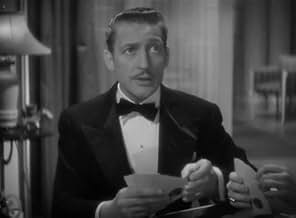
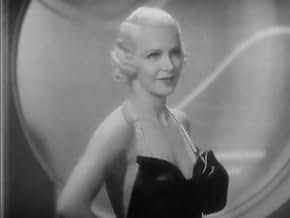
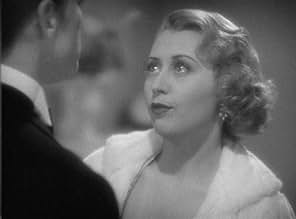
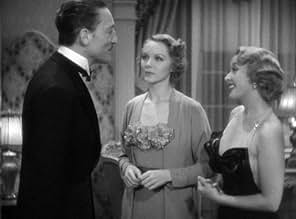
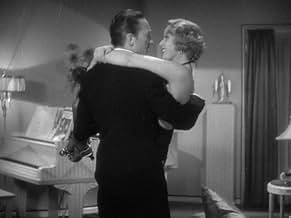
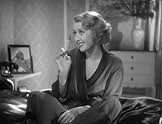
Vicki Wallace provoca a su esposo Tony hasta que él la golpea. Tras divorciarse y casarse con Vernon, su conducta causa problemas similares. Regresa a casa de Tony, donde surge un drama con ... Leer todoVicki Wallace provoca a su esposo Tony hasta que él la golpea. Tras divorciarse y casarse con Vernon, su conducta causa problemas similares. Regresa a casa de Tony, donde surge un drama con Bonnie, la cita de Tony, y los amigos de Vernon.Vicki Wallace provoca a su esposo Tony hasta que él la golpea. Tras divorciarse y casarse con Vernon, su conducta causa problemas similares. Regresa a casa de Tony, donde surge un drama con Bonnie, la cita de Tony, y los amigos de Vernon.
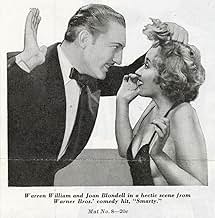
- Dirección
- Escritura
- Estrellas
- Model
- (sin créditos)
- Model
- (sin créditos)
- Model
- (sin créditos)
- Judge
- (sin créditos)
- Duryla Model
- (sin créditos)
- Court Spectator
- (sin créditos)
- Court Recorder
- (sin créditos)
- Mrs. Crosby's Mother
- (sin créditos)
- Nightclub Patron
- (sin créditos)
- Model
- (sin créditos)
- Dirección
- Escritura
- Todo el elenco y el equipo
- Producción, taquilla y más en IMDbPro
Opiniones destacadas
Pre-Code Drawing Room Comedy, The Last Gasp
In many ways, this is a deeply cynical film (witness the running commentary from the two constant house guests) about public and private lives, the last gasp of pre-code comedy before the censors came down hard on creative expression of and shuttered them into the kitchen with their aprons for the next thirty years or so, when Elizabeth Taylor and Richard Burton exposed a more modern version of the S/M games that can develop when love is stunted by circumstance. This is not a great film by any measure, but viewed in an unusual context can be great fun.
Joan Blondell Dishes Out The Diced Carrots
This very bizarre little comedy from Warner Bros., which sneaked in under the wire before the imposition of the Production Code, actually espouses physical abuse as the secret ingredient needed in keeping the romantic spark alive in marriage. This distressful assertion is promoted by skillful players and smug dialogue, but to no avail.
Joan Blondell, as blonde & curvaceous as ever, is portrayed as an intensely annoying young virago with all the charm of an acid bath. Endlessly nagging, the script gives her one shrill note to play, which she does with unnerving tenacity. In most of her other roles of the period she played a smart & sassy gal who has to fight her way to happiness by final fadeout. Here, Blondell starts with everything and seems determined to claw her way to the bottom again. Must be some sort of mental aberration.
Patrician Warren William & nervous Edward Everett Horton supplied wonderful moments in dozens of Golden Age films. Here, as the two men caught in Blondell's web, although they make valiant efforts, they seem out of place in the rather sordid storyline.
Rounding out the cast as two friends seemingly without meaningful lives of their own, viewers will probably find Frank McHugh to be distressingly simpleminded and pretty Claire Dodd vindictive & catty. Neither exemplify the sort of friend one would want to have during a time of domestic crisis.
Perhaps it would be well to quote a single paragraph from celebrated journalist Harriet Hubbard Ayer's essay `What Not To Do,' published in CORRECT SOCIAL USAGE (The New York Society Of Self-Culture, 1903) `Don't nag; there's nothing in it but hateful thoughts for all concerned, and such thoughts are germs that breed deceit on one side and ungovernable temper on the other. At the end of the road is division of hearts, often a divorce court.' Blondell & Company should have paid heed.
Different Times!
Apart from Frank McHugh's comedy relief character, none of the other characters are that likeable - they're not black and white but a lot more multi dimensional than is typical from films of this era. Even Joan Blondell is horrible whilst at the same time being utterly desirable and makes her character completely believable as someone who can manipulate these weak men, well to be honest, all men.
In typical 1930s penny-pinching WB style, this was all put together in just three weeks with people working 14 hour days. Joan was having her own serious marriage problems at the time and was so over-worked that she collapsed from mental exhaustion shortly after this was finished. Despite this and the perceived light-hearted approach to violence towards women - which is a little uncomfortable to watch (but when viewed in the context of these damaged characters makes sense), Smarty is still fun to watch and Joan somehow manages to look amazing and be convincing.
Considering it's a rush-job, it's reasonably well directed although a bit stagey at times and well acted even by WE and EEH who are out of their usual comfort zones. Overall - an enjoyable fun picture that's also a lot deeper and more thought provoking than you'd expect.
bizarre comedy
The dimpled Claire Dodd does a good job as the divorced friend of the couple. It was also nice to note Edward Everett Horton toning down his usual effete, fuss-budget persona.
Amusing but incredibly irritating!
Despite my intense dislike of the character, Joan Blondell is very good, a little different in tone than I've ever seen her. She's not quite tough, but she's certainly not weak. She's not dumb, but she's not all that smart, either (I have no idea where the title comes from; the British title, HIT ME AGAIN, makes much more sense). I laughed out loud several times, even while I was grinding my teeth at the Blondell character and the way she was treated. The acting all around is quite good. Claire Dodd and Frank McHugh provide nice comic relief (relief, that is, from the "comic" slapping and arguing that occurs among the three leads). I don't think I've ever enjoyed a movie and been so exasperated by it at the same time.
¿Sabías que…?
- TriviaTony tells Vicki that he's been going to the movies quite a lot recently, and there the women are quite different: "They get pushed in the face with grapefruit and they love it." This is a reference to El enemigo público (1931) with James Cagney, who famously shoved half a grapefruit into Mae Clarke's face. Joan Blondell also was in that film, so this apparently is an inside joke.
- ErroresAt the 4 minute mark the boom mic shadow moves on the wall by the book shelves.
- Citas
George Lancaster: Love is the illusion that one woman differs from another.
- ConexionesReferences El enemigo público (1931)
- Bandas sonorasBridal Chorus
(1850) (uncredited)
from "Lohengrin"
aka "Here Comes the Bride"
Music by Richard Wagner
Performed by the Vitaphone Orchestra
Variation played when marriage is announced in gossip column
Selecciones populares
Detalles
- Tiempo de ejecución
- 1h 5min(65 min)
- Color
- Mezcla de sonido
- Relación de aspecto
- 1.37 : 1