CALIFICACIÓN DE IMDb
6.6/10
1.9 k
TU CALIFICACIÓN
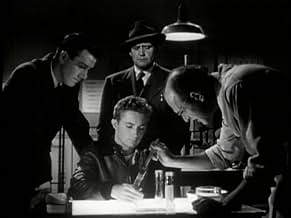
Agrega una trama en tu idiomaA beautician and her crooked boyfriend attempt to rob the bookie operation located in the back room, but when the plan goes wrong, they frame an innocent man.A beautician and her crooked boyfriend attempt to rob the bookie operation located in the back room, but when the plan goes wrong, they frame an innocent man.A beautician and her crooked boyfriend attempt to rob the bookie operation located in the back room, but when the plan goes wrong, they frame an innocent man.
- Dirección
- Escritura
- Estrellas
Gordon B. Clarke
- Club Pianist
- (sin créditos)
Ellen Corby
- Mrs. Wills
- (sin créditos)
Kenneth Farrell
- Burns
- (sin créditos)
Herschel Graham
- Nightclub Patron
- (sin créditos)
Mira McKinney
- Beauty Salon Owner
- (sin créditos)
Philip Morris
- Guard
- (sin créditos)
Paul Power
- Nightclub Patron
- (sin créditos)
- Dirección
- Escritura
- Todo el elenco y el equipo
- Producción, taquilla y más en IMDbPro
6.61.9K
1
2
3
4
5
6
7
8
9
10
Opiniones destacadas
The Term Noir Applies To Anthony Mann In Two Ways
Anthony Mann directed some of the very best noirs of the 1940s and early 1950s.
This one is brutal, hard-hitting, and unrelenting till its Hollywood ended. (The ending may have been tacked on. I don't know. But it works organically with the whole, unlike many others.)
The problem for me with some of his movies, this one included, is that they are so dark they're almost impossible to see at times. Yes, it's atmospheric. But it's also frustrating.
The literal noir in some -- not all -- of his movies reminds me of the staging of Wagner at the Metropolitan Opera. Yes, it's brooding and intense. But it's also really hard to see.
This one is brutal, hard-hitting, and unrelenting till its Hollywood ended. (The ending may have been tacked on. I don't know. But it works organically with the whole, unlike many others.)
The problem for me with some of his movies, this one included, is that they are so dark they're almost impossible to see at times. Yes, it's atmospheric. But it's also frustrating.
The literal noir in some -- not all -- of his movies reminds me of the staging of Wagner at the Metropolitan Opera. Yes, it's brooding and intense. But it's also really hard to see.
Tight Noir Crime film, bogged down by weak script.
John Ireland's portrayal of a cold obsessed killer is the best thing in this movie. His performance is edgy, sexy and menacing. A brutal thug who loves his gun. Unfortunately he is hampered by a weak script, where his actions often make little sense. (For instance, why would he contact the sister of the suspect he framed?). Jane Randolph is also strong as the moll, although her character seems to change midway through the movie.
One of the first noir films directed by Anthony Mann, the movie is well shot, fast paced, tightly edited and tough. One wishes the focus could have stayed on Ireland, or, alternatively, the strong scenes of Ed Kelly being framed and pushed around by the cops. Mann will better develop these themes in his later films (noirs and westerns). Still a pretty enjoyable movie and a must for film noir fans.
Some amazing stuff here. Forget the formula backdrop. This one propels.
Railroaded (1947)
An almost amazing movie, well made, beautifully photographed, held back by a stiff script but still it manages. And it has a dark current that makes it both creepy and contemporary. Director Anthony Mann seems to have made a dozen great films that are just under the radar, noirs and westerns that have some edge to them to keep them from falling into the abyss of their genres.
This is Mann at his mature earliest. He had made a few films in the earlier 40s, but this, along with "Desperate," marks his coming into his own. Yes, you might find too much of a formula at work here, but it's not derivative, just a little stilted in the dialog. And yes, you might ask, near the beginning, why the cops couldn't see how easy the frame up would be (anyone could have stolen the truck and committed the crime), but remember, this one fact was supported by several others, including an eyewitness confirmation. So, once over these humps, you are for a good ride.
Who to watch for amongst these relative unknowns? John Ireland, most of all, for his bad guy personification, all charm and heartlessness, simultaneously. His girlfriend, played by Sheila Ryan, is his match, in a sharp performance also dripping with selfish cruelty, but tempered, critically, by doubt and remorse.
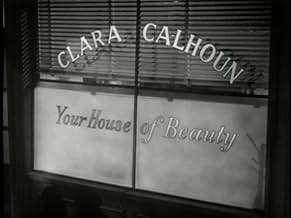
The third star is the little known cinematographer Guy Roe, who must have been inspired by the young, rising director. The filming right from the opening, subtle crane shot of the beauty parlor facade is artfully gorgeous without becoming baroque the way Orson Welles had become (beautifully) by 1947 with "The Lady from Shanghai." Both are great examples of where the movies were just after the war, both with a dark, brooding, searching uncertainty. And both showing off the amazing movie-making machinery of post-War Hollywood. I say this because both films were smaller budget affairs, and yet they have uncompromised production.
Give this a serious look. It's imperfect, for sure, but it has such high points, including some dark dark filming that is so kinetic and scary it surprised even an old film noir fan like me, you'll be glad.
An almost amazing movie, well made, beautifully photographed, held back by a stiff script but still it manages. And it has a dark current that makes it both creepy and contemporary. Director Anthony Mann seems to have made a dozen great films that are just under the radar, noirs and westerns that have some edge to them to keep them from falling into the abyss of their genres.
This is Mann at his mature earliest. He had made a few films in the earlier 40s, but this, along with "Desperate," marks his coming into his own. Yes, you might find too much of a formula at work here, but it's not derivative, just a little stilted in the dialog. And yes, you might ask, near the beginning, why the cops couldn't see how easy the frame up would be (anyone could have stolen the truck and committed the crime), but remember, this one fact was supported by several others, including an eyewitness confirmation. So, once over these humps, you are for a good ride.
Who to watch for amongst these relative unknowns? John Ireland, most of all, for his bad guy personification, all charm and heartlessness, simultaneously. His girlfriend, played by Sheila Ryan, is his match, in a sharp performance also dripping with selfish cruelty, but tempered, critically, by doubt and remorse.
The third star is the little known cinematographer Guy Roe, who must have been inspired by the young, rising director. The filming right from the opening, subtle crane shot of the beauty parlor facade is artfully gorgeous without becoming baroque the way Orson Welles had become (beautifully) by 1947 with "The Lady from Shanghai." Both are great examples of where the movies were just after the war, both with a dark, brooding, searching uncertainty. And both showing off the amazing movie-making machinery of post-War Hollywood. I say this because both films were smaller budget affairs, and yet they have uncompromised production.
Give this a serious look. It's imperfect, for sure, but it has such high points, including some dark dark filming that is so kinetic and scary it surprised even an old film noir fan like me, you'll be glad.
I Guess I Expected Too Much
Once I got into collecting film-noir movies, I had to have this one, so I paid big bucks for the VHS. I say that because it added to my disappointment. The film is okay, but if you have really high expectations before seeing this, you'll probably be let down, as I was. I liked this more on the second viewing when I knew what to expect.
In the beginning, it dwells too long on the innocent man-being arrested theme but after that part is over, it picks up, but then bogs down again. For people who grew up watching "Leave It To Beaver" on TV, this film offers Hugh Beaumont as a main character. Since I did, I always find it interesting to see Beaumont in different roles. I also enjoyed ogling a pretty brunette, "Rosie," played by Sheila Ryan. The climax to this story was good, and it was surprisingly realistic. There was some decent film-noir photography in spots, too. Overall, okay but not what it's cracked up to be.
Unknown film noir is definitely worth catching...
After watching RAILROADED, I'm convinced JOHN IRELAND could have taken his place alongside men like ROBERT MITCHUM doing grim little film noirs during the '40s. He's excellent as a tight-lipped gangster with a scowling expression as he methodically kills anyone double-crossing him or standing in his way. He knocks around his blonde girlfriend (JANE RANDOLPH) with woman-hating contempt and fires bullets with casual lack of concern for fatalities. In short, he makes an ideal film noir anti-hero.
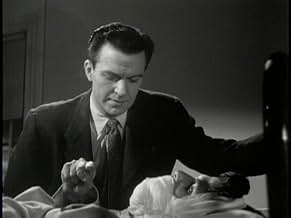
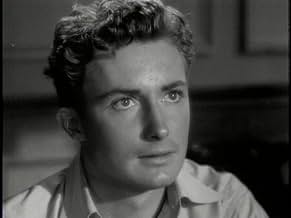
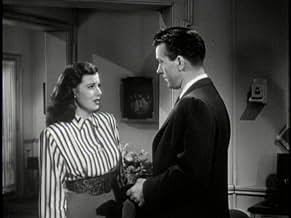
HUGH BEAUMONT, known by most fans principally as Beaver's dad on TV, is only lukewarm as the detective who falls for SHIELAH RYAN and decides to help her track down the killer after Ireland frames her kid brother (ED KELLY) for the murder of a policeman. Their final fade-out kiss looks a little clumsy but--hey, the accent is on crime and action, not romance.
Anthony Mann does the best he can with a low-budget crime melodrama and turns it into a taut, well-made, shadowy film noir with Ireland showing his stuff as a ruthless gangster.
Summing up: Brisk and entertaining, it's well worth watching for fans of this genre.
HUGH BEAUMONT, known by most fans principally as Beaver's dad on TV, is only lukewarm as the detective who falls for SHIELAH RYAN and decides to help her track down the killer after Ireland frames her kid brother (ED KELLY) for the murder of a policeman. Their final fade-out kiss looks a little clumsy but--hey, the accent is on crime and action, not romance.
Anthony Mann does the best he can with a low-budget crime melodrama and turns it into a taut, well-made, shadowy film noir with Ireland showing his stuff as a ruthless gangster.
Summing up: Brisk and entertaining, it's well worth watching for fans of this genre.
¿Sabías que…?
- TriviaA policeman says, "The more I see of them [criminals], the more I love my dog." This was originally said by the French author Mme. de Sevigne, but she meant "them" to refer to all men.
- ErroresReading from a book, Jackland Ainsworth quotes, "Some women should be struck regularly - like gongs", adding, "That's from Oscar Wilde, you know." In fact, it's a quotation from Noel Coward's play, "Private Lives".
- ConexionesReferences Quick Millions (1931)
Selecciones populares
Inicia sesión para calificar y agrega a la lista de videos para obtener recomendaciones personalizadas
- How long is Railroaded!?Con tecnología de Alexa
Detalles
Taquilla
- Presupuesto
- USD 500,000 (estimado)
- Tiempo de ejecución
- 1h 12min(72 min)
- Color
- Relación de aspecto
- 1.37 : 1
Contribuir a esta página
Sugiere una edición o agrega el contenido que falta