CALIFICACIÓN DE IMDb
7.3/10
2.6 k
TU CALIFICACIÓN
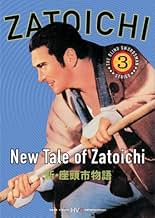
Agrega una trama en tu idiomaWishing to find peace, Zatoichi travels to his old village but only finds trouble when he ends up in a love triangle and finds old scores have followed him home.Wishing to find peace, Zatoichi travels to his old village but only finds trouble when he ends up in a love triangle and finds old scores have followed him home.Wishing to find peace, Zatoichi travels to his old village but only finds trouble when he ends up in a love triangle and finds old scores have followed him home.
- Dirección
- Escritura
- Estrellas
- Premios
- 1 nominación en total
- Dirección
- Escritura
- Todo el elenco y el equipo
- Producción, taquilla y más en IMDbPro
7.32.5K
1
2
3
4
5
6
7
8
9
10
Opiniones destacadas
Inclined Towards the Subdued
Usually long film series see a gradual development or deconstruction of the main character simply because either the character changes or the environment does. Most often our heroes are marched through various situations, numerous more often than not, and only when the ticket sales start to diminish there's usually a twist in the hero's personality or identity.
There's a third way, too. It has to do with the filmic problem of presentation, and usually this happens when the film is made during a historically significant technological paradigm shift. Sound was one, and nowadays it's most likely 3D, although more because of the commercial powers behind the technology. In the 1960s it was colour.
With Zatōichi its introduction in this third film becomes deliciously ironic, since in the first two films there have been several japes different people play on Ichi because he's blind. In those moments we, the audience, have been able to see it with them, making us part of the bad guys' gang as well. This cinematically fruitful branch of narrative play extends here to the very form of the film itself – its colour.
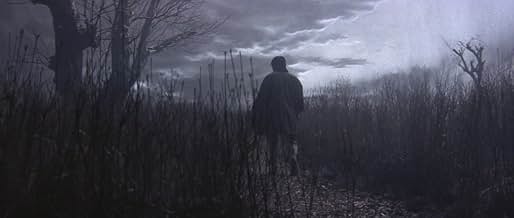
As a colour film this a very beautiful one. It's more inclined towards the subdued than the showy, and that's commendable. It's also more interested in characterization, really casting the second film in more realistic light as an afterthought. What's so striking is that while it's customary to have the hero denounce his craft and want to lead a normal life, it's usually fluff that lasts only a while. Not so here: Ichi really wants to quit, and promises to. It's made feasible, it makes sense. It feels like the right thing to do. But still we know that won't happen, that the torment will continue, and in part that's why we cheer for Ichi, that he might go on. They manage to make Ichi's torment our own. It really is expertly handled.
Among the best in the series so far.
There's a third way, too. It has to do with the filmic problem of presentation, and usually this happens when the film is made during a historically significant technological paradigm shift. Sound was one, and nowadays it's most likely 3D, although more because of the commercial powers behind the technology. In the 1960s it was colour.
With Zatōichi its introduction in this third film becomes deliciously ironic, since in the first two films there have been several japes different people play on Ichi because he's blind. In those moments we, the audience, have been able to see it with them, making us part of the bad guys' gang as well. This cinematically fruitful branch of narrative play extends here to the very form of the film itself – its colour.
As a colour film this a very beautiful one. It's more inclined towards the subdued than the showy, and that's commendable. It's also more interested in characterization, really casting the second film in more realistic light as an afterthought. What's so striking is that while it's customary to have the hero denounce his craft and want to lead a normal life, it's usually fluff that lasts only a while. Not so here: Ichi really wants to quit, and promises to. It's made feasible, it makes sense. It feels like the right thing to do. But still we know that won't happen, that the torment will continue, and in part that's why we cheer for Ichi, that he might go on. They manage to make Ichi's torment our own. It really is expertly handled.
Among the best in the series so far.
It's just OK!
This is more boring and more predictable than the other Zatoichi movies I've seen so far. And, I only mean the ones with Shintarô Katsu, excluding the one
with Takeshi Kitano. However, it has some good moments, still worth seeing. Mikiko Tsubouchi is not as beautiful as the actresses in other Zatoichi movies,
but she has her own charm.
Good entry in the series
This is the third entry in the popular Zatoichi series, and as usual it features an outstanding performance from Shintaro Katsu as the blind masseur who is also a master of sword play. This time he takes on a gang of thieves who are marauding the countryside. Of particular note is Akira Ifubuke's brilliant and evocative score, reminiscent of his best work from kaiju.
Zatoichi, mark three
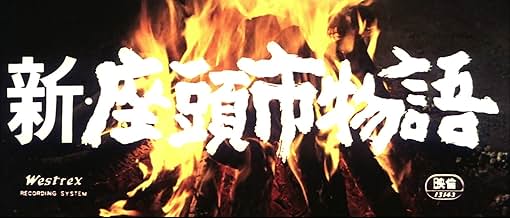
Daiei's logo is impressively shown for the first time in colour, in this, the third Zatoichi adventure, released only five months after the second film, and eleven months after the original.
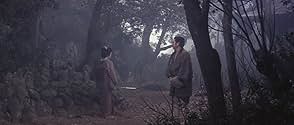
Well photographed in full colour, it's another beautiful looking film, and the director, and cinematographer, both know how to effectively use bright, vivid colours, contrasted with subdued tones, as the second film's villain's brother tries to avenge his death, while Ichi is dealing with a ruthless gang of thugs, but I must admit that I did prefer the monochromatic photography of the first two installments.
10R0BTRAIN
The best of the whole series
The third installment of the Zatoichi series is the best one I have ever seen. While not as exciting as some of the other action packed entries (Chest of Gold, Zatoichi's Revenge) in terms of character development this film had the most impact on me. The stakes just seem to be higher in this entry than in most. Make no mistake, Ichi's life is on the line in EVERY other installment, but this centers on how Ichi really wants to quit his swordsman lifestyle and take a wife. To live the rest of his days in peace is all he wants and that is taken away from him. Ichi is forced to not only see how terrible the people he trusts can be, but how much he brings upon himself. This film really drives home how much Ichi loses each time he takes a life. A new friend, a new aquaintence or a new lover is almost always instantly taken away from him, either by an enemies hands or by his own. But the single greatest scene in this film is not any of the sword fights, like in other entries, the best scene is the evens/odds scene in this film. If you're a fan of this series at all please see this entry.
¿Sabías que…?
- TriviaThis is the first Zatoichi movie to be shot in colour.
- ConexionesFeatured in Best in Action: 1963 (2019)
Selecciones populares
Inicia sesión para calificar y agrega a la lista de videos para obtener recomendaciones personalizadas
- How long is New Tale of Zatoichi?Con tecnología de Alexa
Detalles
- Fecha de lanzamiento
- País de origen
- Idioma
- También se conoce como
- New Tale of Zatoichi
- Productora
- Ver más créditos de la compañía en IMDbPro
- Tiempo de ejecución
- 1h 31min(91 min)
- Relación de aspecto
- 2.35 : 1
Contribuir a esta página
Sugiere una edición o agrega el contenido que falta