Five Seconds is a film that deals with a form of pain that is not merely personal, but existential: those few seconds that alter the course of a life, and with which one must learn, somehow, to go on living. Virzì observes his characters without sentimentality, yet with a clarity that gradually turns into compassion.
What becomes immediately evident is that no one here is unscathed.
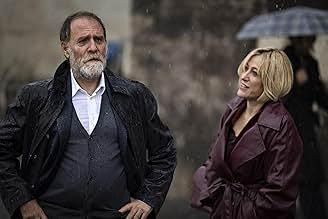
The wife is trapped in a rage born from having foreseen the harm without being able to prevent it: a quiet, corrosive pain.
The business partner hides behind an elegant lightness, a recently assembled armor meant to protect a wound still raw.
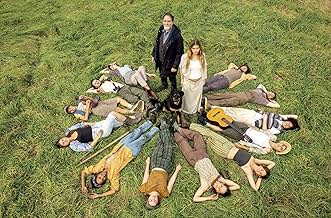
The improvised young neighbor moves through the story with an exposed fragility, carrying a suffering that has not yet found a shape or a voice.
Each character is searching for a way to survive their own past.
And the film suggests a path that does not promise salvation, but at least allows one to keep living: to face reality, to assume responsibility, to speak the truth without expecting forgiveness. It is a kind of secular confession - one that does not heal the wound, but makes it shareable, and therefore less destructive.
The Maremma the characters cross is not simply a setting, but a moral landscape: harsh, luminous, spacious enough to hold the pain each of them carries.
Yet within this density, Virzì threads in precise, delicate strokes of humor - small, unexpected moments of human absurdity. These do not trivialize the characters' suffering; rather, they act as counterpoint, preventing the story from sliding into melodrama and keeping the tone open, breathable, human.
It is in this equilibrium - between wound and irony, confession and endurance - that Five Seconds finds its true power.
A film that offers no consolations, but the possibility of continuing to live while looking directly at what hurts.
And that, sometimes, is already a form of grace.