ÉVALUATION IMDb
7,8/10
5,2 k
MA NOTE


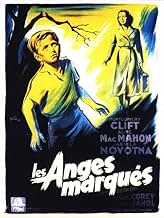
Dans le Berlin d'après-guerre, un soldat américain aide un garçon tchèque perdu à retrouver sa mère.Dans le Berlin d'après-guerre, un soldat américain aide un garçon tchèque perdu à retrouver sa mère.Dans le Berlin d'après-guerre, un soldat américain aide un garçon tchèque perdu à retrouver sa mère.
- Réalisation
- Scénaristes
- Vedettes
- A remporté 1 oscar
- 7 victoires et 7 nominations au total


7,85.2K
1
2
3
4
5
6
7
8
9
10
Avis en vedette
Outstanding Classic Film
Enjoyed this film from beginning to the very end because of a great story about children who were separated from their parents by Nazi Germany and they were also placed in concentration camps and marked with a number like cattle. Montgomery Clift, (Steve Stevenson) plays the role as an Army personnel who finds a very young boy who is starving and gives him some of his lunch. This young boy is named Karel Malik, (Ivan Jandl) who learns to speak English from Steve and starts to forget some of his horrible experiences. However, Karel begins to want to find his mother who is Mrs. Hannah Malik and Hannah is searching all through the ruins of bombed out towns trying to find her son. There is great acting by Montgomery Clift and Wendell Corey and this is a horrible story about the effects Hitler had on young children, men and women who were treated like animals. Great Gem of a Film !.
The Littlest Victims of War and Totalitarianism
This film marked the feature film screen debut of Montgomery Clift. It was not meant to be that way. Red River was made first, but held up in release due to a threatened lawsuit. So The Search ended up being the movie going public's first glimpse of Montgomery Clift.
They didn't get to see him until the film was only just about half way finished. The only character who is continuously on screen through out the film is little Ivan Jandl. What a performance too. The worst thing that could have happened to this film is to have some name Hollywood kid actor play that role. Young Ivan comes across as a real kid who went through horrors unimaginable in first world countries today.
Ivan is Czech and his family are singled out by the Nazis and put in Auschwitz. Father and sister are killed, mother and son are separated. The film is their search for each other.
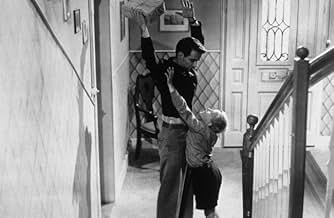
Ivan after V-E Day is in another kind of camp, a refugee camp run by the United Nations Relief and Rehabilitation Agency. He's almost comatose from the shock of four years of horror. To him the men in uniforms are still to be feared even though it's not Nazi uniforms. He makes a break for it and GI Montgomery Clift picks him up and takes him back to his dwelling.
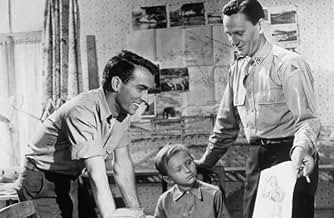
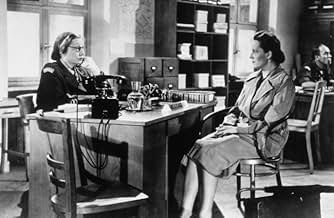
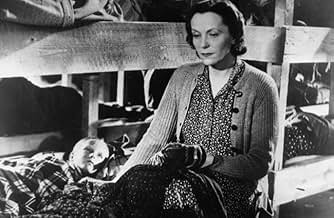
Ivan and Monty kind of grow on each other, but at the same time Ivan's mother played by Czech opera star Jarmila Novotna is pursuing her quest for her little boy. She comes to the UNRRA camp which is headed by Aline McMahon. This may very well be her best screen moment. McMahon also narrates large chunks of the film, describing the enormous task the UNRRA had in reuniting families all over Europe in addition to a whole lot of other things like food, clothing, and shelter.
Clift and Ivan have great chemistry. And no one ever portrayed sensitivity better than Montgomery Clift on the screen. You know how much empathizes with Ivan's plight with every look, every nuance, every gesture. Fred Zinneman got a great performance out of him and later on Zinneman directed Clift in his greatest film role in From Here to Eternity.
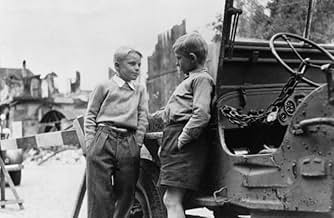
The film was shot in postwar Germany and the landscape itself and the looks of the people tell what they've been through. I wouldn't be surprised but that Clift's performance in The Search later on led him to being cast in The Big Lift, another film set in post World War II Germany.
Probably it was just as well Clift got his first exposure in this film. It guaranteed him co-star status with John Wayne when Red River finally did come out.
The Search 56 years later is a moving movie experience.
They didn't get to see him until the film was only just about half way finished. The only character who is continuously on screen through out the film is little Ivan Jandl. What a performance too. The worst thing that could have happened to this film is to have some name Hollywood kid actor play that role. Young Ivan comes across as a real kid who went through horrors unimaginable in first world countries today.
Ivan is Czech and his family are singled out by the Nazis and put in Auschwitz. Father and sister are killed, mother and son are separated. The film is their search for each other.
Ivan after V-E Day is in another kind of camp, a refugee camp run by the United Nations Relief and Rehabilitation Agency. He's almost comatose from the shock of four years of horror. To him the men in uniforms are still to be feared even though it's not Nazi uniforms. He makes a break for it and GI Montgomery Clift picks him up and takes him back to his dwelling.
Ivan and Monty kind of grow on each other, but at the same time Ivan's mother played by Czech opera star Jarmila Novotna is pursuing her quest for her little boy. She comes to the UNRRA camp which is headed by Aline McMahon. This may very well be her best screen moment. McMahon also narrates large chunks of the film, describing the enormous task the UNRRA had in reuniting families all over Europe in addition to a whole lot of other things like food, clothing, and shelter.
Clift and Ivan have great chemistry. And no one ever portrayed sensitivity better than Montgomery Clift on the screen. You know how much empathizes with Ivan's plight with every look, every nuance, every gesture. Fred Zinneman got a great performance out of him and later on Zinneman directed Clift in his greatest film role in From Here to Eternity.
The film was shot in postwar Germany and the landscape itself and the looks of the people tell what they've been through. I wouldn't be surprised but that Clift's performance in The Search later on led him to being cast in The Big Lift, another film set in post World War II Germany.
Probably it was just as well Clift got his first exposure in this film. It guaranteed him co-star status with John Wayne when Red River finally did come out.
The Search 56 years later is a moving movie experience.
Moving, hard-hitting post-war drama based on the awful truth
The Search (1948)
This is a critical film in director Fred Zinnemann's career. After years of doing shorts and B features, and after WWII had ravaged the world, he turned to a subject that must have ripped him up every day he was shooting. The story of orphaned kids, most of the Jewish, in the rubble of post-War Germany.
You see, both his parents were killed by the Nazis in the war. And here he was, a man with roots in documentary film in the 1930s, making real one of the remaining problems recovering from Nazi mess, these displaced children. The black and white filming is gritty and polished at the same time, and much of it is shot on location in the real ruins of Germany in the American sector (in Nuremberg). For that alone it's worth seeing.
By the way, the interior work was done in a Swiss garage—the crew for the whole film consisted of a total of ten Swiss technicians and a truck. Though the movie was an American release, the main producer was Swiss, too. All of these are reasons why it feels different than what Hollywood might have attempted on studios lots, and probably failed at least in authenticity.
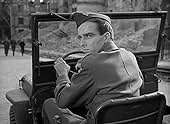
Throw in that Montgomery Clift is starring in the lead role and you have another reason to watch. He's really wonderful, already feeling like the mature, charming, disarming young man he is famous for on screen. Be warned however—he doesn't show up until nearly halfway through. The first half of the movie is touching but makes for disappointing drama, forming a quasi-documentary overview of the horrid situation but with a voice-over that means well but makes it almost sentimental instead of tragic. Be sure to stick it out until the real plot kicks in with Clift sitting in a Jeep.
There are other actors here—the mother looking for her child is an opera singer in real life and is more pathetic than persuasive, and the chief nurse, played by Aline MacMahon, is terrific. Still, the movie, and the screen time in the second half, is Clift's, thankfully, and the boy's. This child was discovered while scouting for the movie, apparently, and is a Czech kid names Ivan Jandl. Amazingly, he knew no English when the movie started, and was coached by Clift as they went, very much like happens in the movie. This obviously makes it more convincing top to bottom.
And makes you love Clift even more. He took the role quite seriously, studying (according to a TCM article worth googling) American soldier engineers by living with them, especially trying to get the way they walked. Fascinating details for a movie that depends on its verisimilitude above all.
If there is an inevitable arc to the events, you'll have to live with it. And if some of the acting is average, and some of the plot requiring patience, you'll have to live with that, too. It's not a gem taken whole. But the best of it is remarkable. An absolute must-watch if you like this period, the director, or even this kind of shooting, which has an echo of "Rome Open City" and other European productions shot in the actual remains of Old Europe.
This is a critical film in director Fred Zinnemann's career. After years of doing shorts and B features, and after WWII had ravaged the world, he turned to a subject that must have ripped him up every day he was shooting. The story of orphaned kids, most of the Jewish, in the rubble of post-War Germany.
You see, both his parents were killed by the Nazis in the war. And here he was, a man with roots in documentary film in the 1930s, making real one of the remaining problems recovering from Nazi mess, these displaced children. The black and white filming is gritty and polished at the same time, and much of it is shot on location in the real ruins of Germany in the American sector (in Nuremberg). For that alone it's worth seeing.
By the way, the interior work was done in a Swiss garage—the crew for the whole film consisted of a total of ten Swiss technicians and a truck. Though the movie was an American release, the main producer was Swiss, too. All of these are reasons why it feels different than what Hollywood might have attempted on studios lots, and probably failed at least in authenticity.
Throw in that Montgomery Clift is starring in the lead role and you have another reason to watch. He's really wonderful, already feeling like the mature, charming, disarming young man he is famous for on screen. Be warned however—he doesn't show up until nearly halfway through. The first half of the movie is touching but makes for disappointing drama, forming a quasi-documentary overview of the horrid situation but with a voice-over that means well but makes it almost sentimental instead of tragic. Be sure to stick it out until the real plot kicks in with Clift sitting in a Jeep.
There are other actors here—the mother looking for her child is an opera singer in real life and is more pathetic than persuasive, and the chief nurse, played by Aline MacMahon, is terrific. Still, the movie, and the screen time in the second half, is Clift's, thankfully, and the boy's. This child was discovered while scouting for the movie, apparently, and is a Czech kid names Ivan Jandl. Amazingly, he knew no English when the movie started, and was coached by Clift as they went, very much like happens in the movie. This obviously makes it more convincing top to bottom.
And makes you love Clift even more. He took the role quite seriously, studying (according to a TCM article worth googling) American soldier engineers by living with them, especially trying to get the way they walked. Fascinating details for a movie that depends on its verisimilitude above all.
If there is an inevitable arc to the events, you'll have to live with it. And if some of the acting is average, and some of the plot requiring patience, you'll have to live with that, too. It's not a gem taken whole. But the best of it is remarkable. An absolute must-watch if you like this period, the director, or even this kind of shooting, which has an echo of "Rome Open City" and other European productions shot in the actual remains of Old Europe.
7sol-
Humanity in the face of inhumanity
Having fled a refugee centre in post-World War II Germany, a traumatised boy with selective mutism is taken in by a kindly soldier while his mother desperately searches for him in this war drama starring Montgomery Clift as the soldier. 'The Search' was Clift's first big screen performance and he is great every step of the way, radiating genuine excitement when teaching the boy how to speak and the bond that develops between them is undeniable. Jarmila Novotna is also fine as the boy's mother, never once lapsing into melodrama in a nicely down-to-earth turn, and Ivan Jandl as the boy in question won a special Oscar for his performance. The film takes quite a while to warm up with Clift not making an appearance until over 30 minutes in. The beginning portion of the film also features a lot of sentimental voice-over narration that spells out the obvious (the kids are described as "children who had a right to better things"). There are, however, also several fantastic moments early on. The bumpy, silent ambulance ride in which tension and anxiety within the kids gradually swells up rates as one of the finest sequences that director Fred Zinnemann ever filmed - and the subsequent near-silent chase scene is equally as intense. Whatever the case, the final hour or so of the film (in which the narration practically disappears) is excellent stuff. Clift's altruism is especially resonating as the film looks at the ability of humanity to triumph in the face of the inhumanities of war, and the use of actual desolate postwar German locations injects a chilling sense of authenticity into the air.
Search
After watching Roberto Rossellini's 1947 final part of his war trilogy "Germania anno zero", Fred Zinnemann's "The Search" is in direct contrast. While Rossellini approaches a similar subject with absorbing objectivity, "The Search" opts for sentimentality, although Zinnemann tried to add a documentary dimension to the story. It's the tale of a boy who is rescued by an American G.I. in Berlin, while the boy's mother is looking for him in refugee camps, after they were separated in Auschwitz during the war. Mother and child are pretty close but do not know it, so the story goes from scenes of the soldier educating the boy, to the mother's giving love to surrogate sons in a UN home for war orphans. Zinnemann's tact (or lack of passion, as some may say) nevertheless makes it work, as well as the performances by Montgomery Clift as the soldier and young Ivan Jandl as the kid, who won a special Oscar.


Le saviez-vous
- AnecdotesBen Mankiewicz on TCM indicated that Ivan Jandl spoke no English at the time this film was made, and that his English dialogue was phonetically memorized.
- GaffesOn Montgomery Clift's right shoulder, he wears the patch of the 102nd infantry division, but it is sewed on incorrectly; it is turned 90 degrees to the right.
- Citations
[Steve is teaching a young boy, whose name he does not know but has coined Jim, to speak English]
Ralph 'Steve' Stevenson: [to Jim] You have no idea how useful it's going to be for you to know English. You can go where ever you like. Everybody knows what 'OK' means. You can use English all over the world. Not, not just America: Canada, Africa, Australia, India. Even in England, they understand English... well, sort of.
- Autres versionsThere is an Italian edition of this film on DVD, distributed by DNA srl, "LA SETTIMA CROCE (1944) + THE SEARCH (Odissea tragica, 1948)" (2 Films on a single DVD), re-edited with the contribution of film historian Riccardo Cusin. This version is also available for streaming on some platforms.
- ConnexionsFeatured in Imaginary Witness: Hollywood and the Holocaust (2004)
Meilleurs choix
Connectez-vous pour évaluer et surveiller les recommandations personnalisées
- How long is The Search?Propulsé par Alexa
Détails
Box-office
- Budget
- 250 000 $ US (estimation)
- Durée
- 1h 44m(104 min)
- Couleur
- Mixage
- Rapport de forme
- 1.37 : 1
Contribuer à cette page
Suggérer une modification ou ajouter du contenu manquant