ÉVALUATION IMDb
7,4/10
16 k
MA NOTE


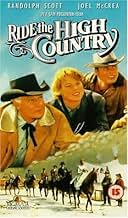
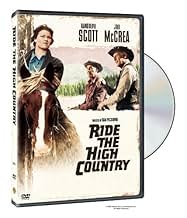
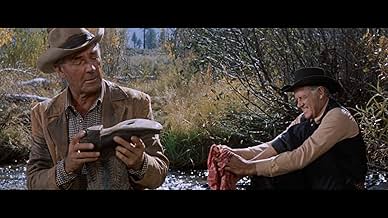
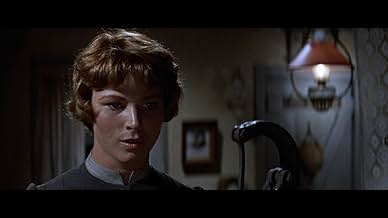
Un ancien soldat de l'Union est embauché pour transporter l'or d'une communauté minière à travers un dangereux territoire.Un ancien soldat de l'Union est embauché pour transporter l'or d'une communauté minière à travers un dangereux territoire.Un ancien soldat de l'Union est embauché pour transporter l'or d'une communauté minière à travers un dangereux territoire.
- Réalisation
- Scénaristes
- Vedettes
- Nominé pour le prix 1 BAFTA Award
- 2 victoires et 2 nominations au total


Alice Allyn
- Candy
- (uncredited)

George Bell
- Townsman
- (uncredited)
Oscar Blank
- Miner
- (uncredited)

Chet Brandenburg
- Miner
- (uncredited)

Don Brodie
- Spieler
- (uncredited)
Chris Carter
- Rose
- (uncredited)
7,415.8K
1
2
3
4
5
6
7
8
9
10
Avis en vedette
Classic Western
Ride the High Country (1962)
*** (out of 4)
Sam Peckinpah directed western has Joel McCrea and Randolph Scott going into the mining country to bring gold down to a bank but Scott has a different set of plans. After hearing so much praise about this film I can't help but be somewhat letdown because there really isn't anything original here or anything too different than what we've seen before. The biggest aspect is seeing McCrae and Scott doing great work again and I really enjoyed the comic relief. The biggest problem with the film is the side story with the girl and things go downhill once they arrive at the mining town. A great music score and beautiful locations are another plus.
*** (out of 4)
Sam Peckinpah directed western has Joel McCrea and Randolph Scott going into the mining country to bring gold down to a bank but Scott has a different set of plans. After hearing so much praise about this film I can't help but be somewhat letdown because there really isn't anything original here or anything too different than what we've seen before. The biggest aspect is seeing McCrae and Scott doing great work again and I really enjoyed the comic relief. The biggest problem with the film is the side story with the girl and things go downhill once they arrive at the mining town. A great music score and beautiful locations are another plus.
An "A" Farewell for Two "B" Western Stars
Randolph Scott and Joel McCrea will probably be remembered as the top "B" western stars in movies. But their last film "Ride the High Country" stands as an "A" western and a very good one too.
Perhaps they owe this final chance to director Sam Peckinpah who turns the story into a splendid film in its genre shot in beautiful outdoor sceneries, with very well managed action scenes, a credible script, great settings and a fine musical score too.
Two moments are particularly outstanding in my opinion: the sort of "Fellinesc" sequence at the wedding with all those bizarre characters and the final showdown where Scott and McCrea face the mean Hammond brothers (John Anderson, James Drury and Warren Oates) in the "old fashioned way".
A well deserved "A" product for both actors -that amused and thrilled us western fans- through their long careers in the genre.
Perhaps they owe this final chance to director Sam Peckinpah who turns the story into a splendid film in its genre shot in beautiful outdoor sceneries, with very well managed action scenes, a credible script, great settings and a fine musical score too.
Two moments are particularly outstanding in my opinion: the sort of "Fellinesc" sequence at the wedding with all those bizarre characters and the final showdown where Scott and McCrea face the mean Hammond brothers (John Anderson, James Drury and Warren Oates) in the "old fashioned way".
A well deserved "A" product for both actors -that amused and thrilled us western fans- through their long careers in the genre.
Sam Peckinpah is here to stay...
After a time working as director and writer of Western TV Series, Sam Peckinpah started his career on film with "The Deadly Companions",a romantic Western that seemed like an extension of his work on TV; however, his next film, "Ride the High Country", was an completely different beast, it was a deep meditation on the long-lived Western genre that introduced themes that would become Peckinpah's obsessions and signature: the end of an era and the quest for redemption and meaning in life. This raw masterpiece faced a cold reception when it premiered, but gained a tremendous success overseas (winning the Belgium Film Festival), demonstrating to the world that this newcomer was here to stay.
Former lawman Steve Judd (Joel McCrea) is now an aging man, and is hired to transport gold from a mining community through a dangerous territory. As he has the need to hire assistants, he finds his old friend and former partner Gil Westrum (Randolph Scott) and hires him and Westrum's young protegé, Heck Longtree (Ron Starr) to assist him. However, Steve doesn't know that his two assistants are planning to steal the gold, with or without Steve's help. Things will get complicated when the trio is forced to help a young woman named Elsa (Mariette Hartley) to escape from her fianceé and his criminal brothers.
Written by another veteran of Western TV series, N.B. Stone Jr. (who without a doubt worked with Peckinpah in "The Rifleman"), "Ride The High Country" is a clear step forward in the evolution of the Western as a film genre. As one of the first "revisionist" westerns, it shows a meditation on the genre and how two aging men become outdated by their world and suddenly obsolete. Through powerful lines of dialog and a slowly and carefully constructed plot, the film shows Peckinpah's favorite themes like honor, loyalty, redemption and the destruction of the West (both the historical one and the Western genre) for the first time in one of the most moving Westerns ever. As many have pointed out, one doesn't need to like Westerns to appreciate this film, as it's basic theme of humanity facing change is an immortal one.
Peckinpah's love for the genre is quite obvious and lead to an awesome use of the genre's elements. Starting with a great camera-work that stands as a heir of John Ford's, exchanging Ford's Monument Valley for the beauty nature of Inyo National Forest in California. Forecasting the Spaghetti Western revolution, Peckinpah's realistic Western makes its first appearance, and even when it's considerably less raw than the violent world of "The Wild Bunch", it's a step ahead of the classic Western. In many ways this was not only the beginning of Peckinpah's career, but also of the revisionism in Westerns and the evolution that would change the genre forever.
The inspired casting of Randolph Scott and Joel McCrea in the lead roles is simply brilliant, as no one else but this former legends of classic Western films could embody the meaning of their characters, two old men that easily could had been the future of the many lawmen these two actor played in their lives. It was Scott's last film before retiring, and really it couldn't been a better closure for a career. Newcomers Mariette Hartley and Ron Starr represent the new West, too naive and ignorant of the past that precedes them; and both actor's performances are top-notch, although Starr is definitely the weakest link in the cast.
It's hard to believe that this movie almost was a failure in the U.S., but fortunately now it is receiving the attention it rightfully deserves. The natural landscape and the contrast of the new and the old make a great visual composition, almost as the missing link between the classic golden age of Ford and Wayne, and its modern counterparts. The film has few minor flaws, such as the average performance of some members of the cast, but nothing really annoying. Modern viewers may feel it moves too slow, but that slow pace actually enhances the feeling of that slow but steady change that suddenly caught the characters.
"Ride the High Country" is not a very famous film, but it really deserves a wider audience, not only because it introduced us to Peckinpah's film-making, but also because of its deep meditation on the Western genre and its wonderful immortal theme of mankind facing change. All in all, this film is a very recommended one, and I dare to say it's Peckinpah's first raw masterpiece. 9/10
Former lawman Steve Judd (Joel McCrea) is now an aging man, and is hired to transport gold from a mining community through a dangerous territory. As he has the need to hire assistants, he finds his old friend and former partner Gil Westrum (Randolph Scott) and hires him and Westrum's young protegé, Heck Longtree (Ron Starr) to assist him. However, Steve doesn't know that his two assistants are planning to steal the gold, with or without Steve's help. Things will get complicated when the trio is forced to help a young woman named Elsa (Mariette Hartley) to escape from her fianceé and his criminal brothers.
Written by another veteran of Western TV series, N.B. Stone Jr. (who without a doubt worked with Peckinpah in "The Rifleman"), "Ride The High Country" is a clear step forward in the evolution of the Western as a film genre. As one of the first "revisionist" westerns, it shows a meditation on the genre and how two aging men become outdated by their world and suddenly obsolete. Through powerful lines of dialog and a slowly and carefully constructed plot, the film shows Peckinpah's favorite themes like honor, loyalty, redemption and the destruction of the West (both the historical one and the Western genre) for the first time in one of the most moving Westerns ever. As many have pointed out, one doesn't need to like Westerns to appreciate this film, as it's basic theme of humanity facing change is an immortal one.
Peckinpah's love for the genre is quite obvious and lead to an awesome use of the genre's elements. Starting with a great camera-work that stands as a heir of John Ford's, exchanging Ford's Monument Valley for the beauty nature of Inyo National Forest in California. Forecasting the Spaghetti Western revolution, Peckinpah's realistic Western makes its first appearance, and even when it's considerably less raw than the violent world of "The Wild Bunch", it's a step ahead of the classic Western. In many ways this was not only the beginning of Peckinpah's career, but also of the revisionism in Westerns and the evolution that would change the genre forever.
The inspired casting of Randolph Scott and Joel McCrea in the lead roles is simply brilliant, as no one else but this former legends of classic Western films could embody the meaning of their characters, two old men that easily could had been the future of the many lawmen these two actor played in their lives. It was Scott's last film before retiring, and really it couldn't been a better closure for a career. Newcomers Mariette Hartley and Ron Starr represent the new West, too naive and ignorant of the past that precedes them; and both actor's performances are top-notch, although Starr is definitely the weakest link in the cast.
It's hard to believe that this movie almost was a failure in the U.S., but fortunately now it is receiving the attention it rightfully deserves. The natural landscape and the contrast of the new and the old make a great visual composition, almost as the missing link between the classic golden age of Ford and Wayne, and its modern counterparts. The film has few minor flaws, such as the average performance of some members of the cast, but nothing really annoying. Modern viewers may feel it moves too slow, but that slow pace actually enhances the feeling of that slow but steady change that suddenly caught the characters.
"Ride the High Country" is not a very famous film, but it really deserves a wider audience, not only because it introduced us to Peckinpah's film-making, but also because of its deep meditation on the Western genre and its wonderful immortal theme of mankind facing change. All in all, this film is a very recommended one, and I dare to say it's Peckinpah's first raw masterpiece. 9/10
Above average Western featuring two of its greats, Joel McCrea and Randolph Scott
An above average Western featuring two of the genres most recognizable stars, Joel McCrea and Randolph Scott (in his last film). Both men have a history together as outlaws, but McCrea has gone straight and is now in charge of getting the gold from the mines to the bank. To help him, he hires his old friend Scott who, along with a young hothead (Ron Starr), is in town dressed up like "Buffalo Bill" and demonstrating his fancy shooting.
Scott believes he can persuade his old partner to split the gold with him before they return, and must act as a buffer between the impatient young ruffian and his old friend. While en route, the three encounter a religious farmer (R. G. Armstrong) and his under socialized daughter (Mariette Hartley), who steals away to join them.
The trouble really begins when they get to the remote mining town, encountering an inbred mountain family of hoodlums (which includes Warren Oates) and its judge (Edgar Buchanan).
Directed by Sam Peckinpah, and written by N.B. Stone Jr., it was added to the National Film Registry in 1992.
Scott believes he can persuade his old partner to split the gold with him before they return, and must act as a buffer between the impatient young ruffian and his old friend. While en route, the three encounter a religious farmer (R. G. Armstrong) and his under socialized daughter (Mariette Hartley), who steals away to join them.
The trouble really begins when they get to the remote mining town, encountering an inbred mountain family of hoodlums (which includes Warren Oates) and its judge (Edgar Buchanan).
Directed by Sam Peckinpah, and written by N.B. Stone Jr., it was added to the National Film Registry in 1992.
Justified
It was goodbye to two stars from the golden age of Westerns and hello to a director who would help transform the genre into something bloodier, nastier, and truer. A skillful compromise of those visions, "Ride The High Country" presents a kind of crossroads that feels more like a destination, a perfect summing-up of the legend and the reality of the American West.
Steve Judd (Joel McCrea) is a weary old lawman trying to make ends meet as he nears the end of the road. To transport some gold from a mining town to a bank, he takes on the services of an old buddy, Gil Westrum (Randolph Scott). Westrum's as sleek and angling as Judd is square, and has more on his mind than collecting $10 a day risking his neck guarding someone else's money. While this remains unsettled, the pair gets mixed up with a woman (Mariette Hartley) who thinks she's in love with a miner whose idea of a honeymoon means sharing the wealth with his hideous brothers.
Ask anyone with a glancing knowledge of films what kind of movies Sam Peckinpah made, and they will likely describe a movie very different from this. There's some shooting, a little blood, and an unshaven Warren Oates, but otherwise "Ride The High Country" is a movie in the classic Western mold. There are some dissonances for Scott and McCrea's old-time fans to sort through, like Scott's ambiguous morality, but this is all-in-all the nicest movie Peckinpah ever made, decent characters set against an inspiring landscape, the kind of yarn John Ford or Anthony Mann would have delivered.
Not that everything is too black-and-white. The girl, having escaped her stern father and the stump farm where they lived, asks Judd at one point about right and wrong: "It isn't that simple, is it?" "No, it isn't," Judd replies. "It should be, but it isn't."
McCrea is the center of this film, a pillar of virtue. He quotes the Bible, but it's not clear he's especially religious or just stoic in the classic tradition. When he talks about his simple desire "to enter my house justified," he may have the Christian meaning in mind, or just the humanistic ideal of having been a good man when all is said and done. Nevertheless, there are intimations of a deeper truth in the redemption of Westrum and his unambiguous last line: "I'll see you later."
Peckinpah does present a bull-headed Christian zealot in R.G. Armstrong as the girl's father, but he's essentially decent, afraid of life, what it did to him and can do to her. Some see a suggestion of incest in their relationship, when she tells him he doesn't want her with any man but him, but it's more likely that's her complaining about his being overprotective.
There's a lot of humor here, too, much of it courtesy of Randolph Scott. Scott could be a stiff in other films; here he settles nicely into the role of a cut-up, like when he watches his young charge Heck get the tar beaten out of him twice without lifting a finger to help him. "Good fight, I enjoyed it," Westrum chirps as the boy licks his wounds.
The film culminates in a good fight with the Hammonds, so ornery they jeer at Heck when he brings the girl to their doorstep and she assures them he was a gentleman: "How come? Something wrong with him?" It's the one gunfight in the film, and though its one more than some Peckinpah films like "Junior Bonner" had, it's another reason for the film sticking out as unusual in the director's oeuvre.
But it's a good kind of difference, for the most part, as Peckinpah finds his métier while paying tribute to those who came before him with the help of McCrea and Scott. Like its heroes, "Ride The High Country" moves a little slowly in parts, but watching it, you'll likely agree with me the long journey is worth the ride.
Steve Judd (Joel McCrea) is a weary old lawman trying to make ends meet as he nears the end of the road. To transport some gold from a mining town to a bank, he takes on the services of an old buddy, Gil Westrum (Randolph Scott). Westrum's as sleek and angling as Judd is square, and has more on his mind than collecting $10 a day risking his neck guarding someone else's money. While this remains unsettled, the pair gets mixed up with a woman (Mariette Hartley) who thinks she's in love with a miner whose idea of a honeymoon means sharing the wealth with his hideous brothers.
Ask anyone with a glancing knowledge of films what kind of movies Sam Peckinpah made, and they will likely describe a movie very different from this. There's some shooting, a little blood, and an unshaven Warren Oates, but otherwise "Ride The High Country" is a movie in the classic Western mold. There are some dissonances for Scott and McCrea's old-time fans to sort through, like Scott's ambiguous morality, but this is all-in-all the nicest movie Peckinpah ever made, decent characters set against an inspiring landscape, the kind of yarn John Ford or Anthony Mann would have delivered.
Not that everything is too black-and-white. The girl, having escaped her stern father and the stump farm where they lived, asks Judd at one point about right and wrong: "It isn't that simple, is it?" "No, it isn't," Judd replies. "It should be, but it isn't."
McCrea is the center of this film, a pillar of virtue. He quotes the Bible, but it's not clear he's especially religious or just stoic in the classic tradition. When he talks about his simple desire "to enter my house justified," he may have the Christian meaning in mind, or just the humanistic ideal of having been a good man when all is said and done. Nevertheless, there are intimations of a deeper truth in the redemption of Westrum and his unambiguous last line: "I'll see you later."
Peckinpah does present a bull-headed Christian zealot in R.G. Armstrong as the girl's father, but he's essentially decent, afraid of life, what it did to him and can do to her. Some see a suggestion of incest in their relationship, when she tells him he doesn't want her with any man but him, but it's more likely that's her complaining about his being overprotective.
There's a lot of humor here, too, much of it courtesy of Randolph Scott. Scott could be a stiff in other films; here he settles nicely into the role of a cut-up, like when he watches his young charge Heck get the tar beaten out of him twice without lifting a finger to help him. "Good fight, I enjoyed it," Westrum chirps as the boy licks his wounds.
The film culminates in a good fight with the Hammonds, so ornery they jeer at Heck when he brings the girl to their doorstep and she assures them he was a gentleman: "How come? Something wrong with him?" It's the one gunfight in the film, and though its one more than some Peckinpah films like "Junior Bonner" had, it's another reason for the film sticking out as unusual in the director's oeuvre.
But it's a good kind of difference, for the most part, as Peckinpah finds his métier while paying tribute to those who came before him with the help of McCrea and Scott. Like its heroes, "Ride The High Country" moves a little slowly in parts, but watching it, you'll likely agree with me the long journey is worth the ride.


Le saviez-vous
- AnecdotesFinal film of Randolph Scott. He retired from acting once he saw the finished film, saying he wanted to quit while he was ahead and that he would never be able to better his work here.
- GaffesThe many 34-star flags, all on flagpoles, at the opening of the movie do not match the Bobby helmets, open automobiles and electric wiring over the streets. The 34-star U.S. flag was in use only from 1861-1863. There is, however, also an inconsistent 45-star flag strung across the street. That design, in use from 1896-1908, does match the movie's time setting.
- Citations
Steve Judd: All I want is to enter my house justified.
- Générique farfeluIntroducing Mariette Hartley
- ConnexionsFeatured in America at the Movies (1976)
Meilleurs choix
Connectez-vous pour évaluer et surveiller les recommandations personnalisées
Détails
- Date de sortie
- Pays d’origine
- Langues
- Aussi connu sous le nom de
- Pistoleros al atardecer
- Lieux de tournage
- Mammoth Lakes, Californie, États-Unis(Twin Lake, Horseshoe Lake)
- société de production
- Consultez plus de crédits d'entreprise sur IMDbPro
Box-office
- Budget
- 813 000 $ US (estimation)
- Durée
- 1h 34m(94 min)
- Couleur
- Rapport de forme
- 2.35 : 1
Contribuer à cette page
Suggérer une modification ou ajouter du contenu manquant