ÉVALUATION IMDb
7,4/10
46 k
MA NOTE

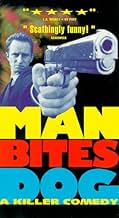
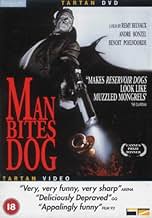
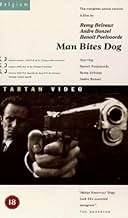
Une équipe de tournage suit un voleur impitoyable et tueur sans coeur, mais les complications surviennent lorsque l'équipe du film perd son objectivité et commence à l'aider dans ses tâches ... Tout lireUne équipe de tournage suit un voleur impitoyable et tueur sans coeur, mais les complications surviennent lorsque l'équipe du film perd son objectivité et commence à l'aider dans ses tâches quotidiennes.Une équipe de tournage suit un voleur impitoyable et tueur sans coeur, mais les complications surviennent lorsque l'équipe du film perd son objectivité et commence à l'aider dans ses tâches quotidiennes.
- Réalisation
- Scénaristes
- Vedettes
- Prix
- 7 victoires et 5 nominations au total

Jacqueline Poelvoorde-Pappaert
- Ben's Mother
- (as Jacqueline Poelvoorde Pappaert)

Édith Le Merdy
- Nurse
- (as Edith Lemerdy)


7,445.7K
1
2
3
4
5
6
7
8
9
10
Avis en vedette
In defense
This movie is a piece of art: shocking and disturbing, while at the same time funny as hell in a raw "should-I-be-laughing-or-should-I-be-ashamed" kind of way.
It gives an insight in the very realistically portrayed life of Ben, a serial killer with an impressionable charisma.
Most people who commented on this film either love it or hate it. The division seems mostly geographical though: most Americans can't seem to understand the tongue-in- cheekness of this movie.
Probably it has to do with the fake-documentary nature of the movie, which is clearly western-european. Anyone who has ever seen American documentaries knows they have a different pace and way of treating images. Those who are used to belgian/french/ dutch/german documentaries will recognise the style of the so-called "intimate" documentaries.
The pivotal point is the moment a relationship develops "beyond" the documentary relationship of the filmmakers and their subject (they take Ben's money to finish the movie).
When watching this movie, try to imagine that this *could* be a real movie:
documentaries about terrorists, drugdealers, and even mercenaries (the closest thing to an actual serial killer) have been made, and some of them were very close to their subject.
It is *not* a "black comedy" in the classical sense of the word; more like a "Clockwork Orange" for the nineties. Where "A Clockwork Orange" bathed in the design of the seventies, this movie bathes in the "larger-than-life" invasiveness of modern-day reality-tv-style television. Anyone who has seen shows like "cops" or "Big Brother" will know what I'm talking about. It asks the big documentary question: in how far does the observed change the observer? It makes a statement, not about violence, but about the observer of violence. The way it is portrayed shows the art of the (very low-budget) crew: it grips your guts without fancy effects or gory protrayal of gore: it shows fear, despair and psychological emptyness, by showing emotions! This should be recommended viewing (and debating) to anyone making documentary films.
It gives an insight in the very realistically portrayed life of Ben, a serial killer with an impressionable charisma.
Most people who commented on this film either love it or hate it. The division seems mostly geographical though: most Americans can't seem to understand the tongue-in- cheekness of this movie.
Probably it has to do with the fake-documentary nature of the movie, which is clearly western-european. Anyone who has ever seen American documentaries knows they have a different pace and way of treating images. Those who are used to belgian/french/ dutch/german documentaries will recognise the style of the so-called "intimate" documentaries.
The pivotal point is the moment a relationship develops "beyond" the documentary relationship of the filmmakers and their subject (they take Ben's money to finish the movie).
When watching this movie, try to imagine that this *could* be a real movie:
documentaries about terrorists, drugdealers, and even mercenaries (the closest thing to an actual serial killer) have been made, and some of them were very close to their subject.
It is *not* a "black comedy" in the classical sense of the word; more like a "Clockwork Orange" for the nineties. Where "A Clockwork Orange" bathed in the design of the seventies, this movie bathes in the "larger-than-life" invasiveness of modern-day reality-tv-style television. Anyone who has seen shows like "cops" or "Big Brother" will know what I'm talking about. It asks the big documentary question: in how far does the observed change the observer? It makes a statement, not about violence, but about the observer of violence. The way it is portrayed shows the art of the (very low-budget) crew: it grips your guts without fancy effects or gory protrayal of gore: it shows fear, despair and psychological emptyness, by showing emotions! This should be recommended viewing (and debating) to anyone making documentary films.
my viewing experience was a little different than I heard it would be.
I consider it a brilliant film, but also very very disturbing. I'd sooner warn people about it than recommend it, even though it's an amazing achievement. So, for what it's worth, here's my viewing experience:
I heard about this film and was immediately hooked on the absurd idea of a serial killer, on the loose, as a willing documentary subject. I also heard that it was pitch-black comedy, and a commentary on violence, society, media, etc. -- blurring the lines between observing and becoming an accomplice and whatnot.
Well, in the first two acts it certainly delivers on the absurdity and the black comedy. Both Ben and the filmmakers are as matter-of-fact about his prolific killing as if it were a documentary about urban architecture, and even in the middle of his murderous acts he remains an engaging conversationalist with all sorts of attributes our culture values: extroversion, confidence, charm, a sense of humor, and fairly informed views on diverse subjects. The juxtapositions are disturbingly hilarious. He laments that African immigrants like the one he just shot don't have equal opportunities in this racist society, or that the color and layout of a certain housing project encourages violence and other social evils. He kills an entire family in their home, then reflects on the waste of human life and how there "should be a law" against that sort of thing. He explains a lot of aspects of his trade (like how to dispose of bodies and which victims are most likely to carry money), but leaves other elements in the dark. He first seems like a murderous variety of the common robber, but then plenty of killings seem to have no material motive at all, while others are clashes with rival killers (the absurdity reaches meta-levels at some points).
I was shocked by the violence and I was also laughing, and I was feeling uneasy about that.
Many reviews talk about how the documentary crew moves from "observers" to "accomplices", but any court of law would already consider them "accomplices" within one minute of the film starting, so that development didn't register so much to me. Sure they started taking a more active part in the carnage, but this wasn't something I considered an unexpected development.
What did register to me was the shift somewhere in the third act. Suddenly I was no longer watching a dark comedy. The violence escalates to a nasty scene that I couldn't even watch, and that left me disturbed and depressed for days. It's like the movie finally decided to show me what I was looking at and say, "well, are you still laughing? Are you?" And I realized: what was there about Ben that was engaging? Even his charming ways among his friends and family were just socially acceptable methods of getting his way and remaining the center of attention, just like killing people and starring in documentaries.
So among the unexpected things I found in this film was a chillingly believable portrait of a textbook sociopath. (The scary thing is that I know someone in my neighborhood who fits that profile as well.)
The film is brilliant and disturbing. Proceed at your own risk.
I heard about this film and was immediately hooked on the absurd idea of a serial killer, on the loose, as a willing documentary subject. I also heard that it was pitch-black comedy, and a commentary on violence, society, media, etc. -- blurring the lines between observing and becoming an accomplice and whatnot.
Well, in the first two acts it certainly delivers on the absurdity and the black comedy. Both Ben and the filmmakers are as matter-of-fact about his prolific killing as if it were a documentary about urban architecture, and even in the middle of his murderous acts he remains an engaging conversationalist with all sorts of attributes our culture values: extroversion, confidence, charm, a sense of humor, and fairly informed views on diverse subjects. The juxtapositions are disturbingly hilarious. He laments that African immigrants like the one he just shot don't have equal opportunities in this racist society, or that the color and layout of a certain housing project encourages violence and other social evils. He kills an entire family in their home, then reflects on the waste of human life and how there "should be a law" against that sort of thing. He explains a lot of aspects of his trade (like how to dispose of bodies and which victims are most likely to carry money), but leaves other elements in the dark. He first seems like a murderous variety of the common robber, but then plenty of killings seem to have no material motive at all, while others are clashes with rival killers (the absurdity reaches meta-levels at some points).
I was shocked by the violence and I was also laughing, and I was feeling uneasy about that.
Many reviews talk about how the documentary crew moves from "observers" to "accomplices", but any court of law would already consider them "accomplices" within one minute of the film starting, so that development didn't register so much to me. Sure they started taking a more active part in the carnage, but this wasn't something I considered an unexpected development.
What did register to me was the shift somewhere in the third act. Suddenly I was no longer watching a dark comedy. The violence escalates to a nasty scene that I couldn't even watch, and that left me disturbed and depressed for days. It's like the movie finally decided to show me what I was looking at and say, "well, are you still laughing? Are you?" And I realized: what was there about Ben that was engaging? Even his charming ways among his friends and family were just socially acceptable methods of getting his way and remaining the center of attention, just like killing people and starring in documentaries.
So among the unexpected things I found in this film was a chillingly believable portrait of a textbook sociopath. (The scary thing is that I know someone in my neighborhood who fits that profile as well.)
The film is brilliant and disturbing. Proceed at your own risk.
I don't know what was more funnier the movie or the bad reviews
Make no mistake this is a disturbing movie. And yea it's just violence with no reason behind it. But it's portraying being on a ride with a twisted, psychotic, sociopath who doesn't care. Kind of like how a war criminal would act. And then makes some off-color jokes about it while he's killing.
Notice the art snobs on here don't only attack the movie but they need to attack the viewer as well. The movie is mocking them and they can't take it. So they write a 4 paragraph review on how much the he or she hates it and how stupid and dumb a person must be if he likes it. It's not supposed to be taken seriously.
Notice the art snobs on here don't only attack the movie but they need to attack the viewer as well. The movie is mocking them and they can't take it. So they write a 4 paragraph review on how much the he or she hates it and how stupid and dumb a person must be if he likes it. It's not supposed to be taken seriously.
Architecture & Immorality
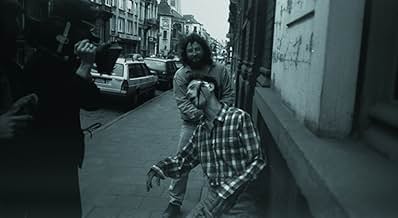
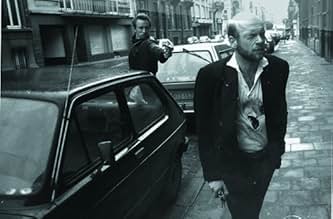
Ben is a charming, witty go-getter fond of architecture, poetry and murder. A brutal serial killer, Ben is followed by a film crew who document his vicious spree of violence and barbarity. Initially they just shoot the proceedings, though as time goes by, the crew begin to take a more active hand, helping Ben torture and maim. Before long, the lines between subject and documenter are irredeemably obscured, with the crew fully in Ben's thrall. Their story escalates to a fever pitch of black comedy and savagery that will leave you thunderstruck in the audacious, wild and original 'Man Bites Dog.'
Written, produced, directed by and starring Benoît Poelvoorde, Rémy Belvaux and André Bonzel, 'Man Bites Dog' is sleek, highly entertaining and not for the faint of heart. Shot on a shoestring budget, the film impresses on every level. The narrative is unpredictable, sinister and full of pitch-black humour and raucous dialogue. So funny the film is, it plays at times like a Christopher Guest led reimagining of 'Henry: Portrait of a Serial Killer,' and is just as strange, dark and comical as that sounds. It is a very clever, frantic and tongue-in-cheek mockumentary that contains some truly unforgettable, uncomfortable moments of violence.
'Man Bites Dog' opens with a frenzied, fiendish murder on a train and never lets up, containing some genuinely distressing sequences that will give one pause. The thesis the filmmakers are operating under seems to be that visual media- television and movies- corrupts and makes complicit its audience in whatever is occurring on screen. The crew following Ben succumb to his wiles and find themselves perverted by his depravity, as do we the viewing audience. We like Ben, despite his cruel and inhuman machinations, therefore are willing participants in his spree of turpitude. It's powerful cinema, with an interesting message at its core.
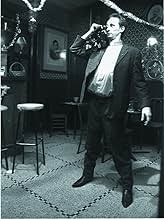
The bulk of the production was undertaken by Poelvoorde, Belvaux and Bonzel, and their efforts are impressive. A visually arresting watch, 'Man Bites Dog' is shot by Bonzel, and his cinematography is artful and of great clarity. Shot in black and white, the movie has a heady atmosphere that evokes film noir, and Bonzel's work with light and shadows produces some striking results. Not once do the budgetary constraints show through the visuals, and one will assuredly remember the images from 'Man Bites Dog' long after the credits have rolled.
The sound design is also impressive. For whatever reason, oftentimes student filmmakers do far more impactful and interesting work with sound than big studios and Hollywood heads. Think of 'Eraserhead' or 'Tetsuo: The Iron Man,' and how the cranking, wheezing worlds came alive through the sounds of the picture. 'Man Bites Dog' features similarly notable aural design and effects, which adds to the atmosphere and helps legitimize the world Ben traipses through on his intemperate journey. Additionally, the editing- done by Belvaux and Eric Dardill- is swift and intuitive, tying the whole film together nicely and establishing a steady pace, ever building in intensity towards the explosive finale.
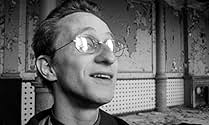
'Man Bites Dog' stars Poelvoorde as Ben, serial killer and cultural commentator extraordinaire. His performance is fascinating, commanding and frighteningly hilarious. An arrogant, callous character, Ben is a startlingly realistic cinematic creation: a droll, murdering sociopath who loves the limelight, the sound of his own voice and dominating those around him. Poelvoorde's intense performance is incredible, he makes the character somehow likable and deplorable at the same time, whether waxing lyrical about architecture or discussing how best to drown a dwarf. The film justly kickstarted his career as an actor; as his is a supremely rare and versatile talent put on show to great effect in 'Man Bites Dog.' Though his supporting cast all perform admirably- Belvaux in particular- Poelvoorde towers above them; rendering further comment supererogatory.
'Man Bites Dog' is a brilliant, highly entertaining mockumentary that is original and affecting both. Featuring an unpredictable story, assured and noteworthy visuals and a spellbinding lead performance from Benoît Poelvoorde, the film is anything but ordinary. It is a highly charged, violent film that may not be for everyone, but for those who appreciate the dark and the abstract it's a must watch. OMD once released an album called 'Architecture & Morality'; with 'Man Bites Dog' Poelvoorde, Belvaux and Bonzel have created a fantastic film of architecture and immorality.
Written, produced, directed by and starring Benoît Poelvoorde, Rémy Belvaux and André Bonzel, 'Man Bites Dog' is sleek, highly entertaining and not for the faint of heart. Shot on a shoestring budget, the film impresses on every level. The narrative is unpredictable, sinister and full of pitch-black humour and raucous dialogue. So funny the film is, it plays at times like a Christopher Guest led reimagining of 'Henry: Portrait of a Serial Killer,' and is just as strange, dark and comical as that sounds. It is a very clever, frantic and tongue-in-cheek mockumentary that contains some truly unforgettable, uncomfortable moments of violence.
'Man Bites Dog' opens with a frenzied, fiendish murder on a train and never lets up, containing some genuinely distressing sequences that will give one pause. The thesis the filmmakers are operating under seems to be that visual media- television and movies- corrupts and makes complicit its audience in whatever is occurring on screen. The crew following Ben succumb to his wiles and find themselves perverted by his depravity, as do we the viewing audience. We like Ben, despite his cruel and inhuman machinations, therefore are willing participants in his spree of turpitude. It's powerful cinema, with an interesting message at its core.
The bulk of the production was undertaken by Poelvoorde, Belvaux and Bonzel, and their efforts are impressive. A visually arresting watch, 'Man Bites Dog' is shot by Bonzel, and his cinematography is artful and of great clarity. Shot in black and white, the movie has a heady atmosphere that evokes film noir, and Bonzel's work with light and shadows produces some striking results. Not once do the budgetary constraints show through the visuals, and one will assuredly remember the images from 'Man Bites Dog' long after the credits have rolled.
The sound design is also impressive. For whatever reason, oftentimes student filmmakers do far more impactful and interesting work with sound than big studios and Hollywood heads. Think of 'Eraserhead' or 'Tetsuo: The Iron Man,' and how the cranking, wheezing worlds came alive through the sounds of the picture. 'Man Bites Dog' features similarly notable aural design and effects, which adds to the atmosphere and helps legitimize the world Ben traipses through on his intemperate journey. Additionally, the editing- done by Belvaux and Eric Dardill- is swift and intuitive, tying the whole film together nicely and establishing a steady pace, ever building in intensity towards the explosive finale.
'Man Bites Dog' stars Poelvoorde as Ben, serial killer and cultural commentator extraordinaire. His performance is fascinating, commanding and frighteningly hilarious. An arrogant, callous character, Ben is a startlingly realistic cinematic creation: a droll, murdering sociopath who loves the limelight, the sound of his own voice and dominating those around him. Poelvoorde's intense performance is incredible, he makes the character somehow likable and deplorable at the same time, whether waxing lyrical about architecture or discussing how best to drown a dwarf. The film justly kickstarted his career as an actor; as his is a supremely rare and versatile talent put on show to great effect in 'Man Bites Dog.' Though his supporting cast all perform admirably- Belvaux in particular- Poelvoorde towers above them; rendering further comment supererogatory.
'Man Bites Dog' is a brilliant, highly entertaining mockumentary that is original and affecting both. Featuring an unpredictable story, assured and noteworthy visuals and a spellbinding lead performance from Benoît Poelvoorde, the film is anything but ordinary. It is a highly charged, violent film that may not be for everyone, but for those who appreciate the dark and the abstract it's a must watch. OMD once released an album called 'Architecture & Morality'; with 'Man Bites Dog' Poelvoorde, Belvaux and Bonzel have created a fantastic film of architecture and immorality.
This psychopath goes up to eleven.
A film crew documents the activities of psychopathic professional killer Benoit (Benoît Poelvoorde).
Man Bites Dog is, to begin with, a pitch black comedy in which the absurdity of a documentary team recording a killer at work provides the uncomfortable humour. Benoit's actions are reprehensible, but too ridiculous not to find amusing, the killer starting the month by killing a postman, then preying on gullible OAPs from whom he steals their life savings (always creative in his work, Benoit literally scares one old dear to death). Benoit talks to the camera about his work, discussing his methods and techniques, whilst lapsing into moments of poetry and artistic reflection.
This somewhat whimsical approach doesn't prepare the viewer for the more harrowing content in the latter half of the movie, which provides an emotional punch that really drives home the horror of its subject's lifestyle. When Benoit kills a family, including a young boy, the grim reality hits home, and is compounded by the subsequent gruelling gang rape, murder and mutilation of a woman, the crew of the documentary not just recording the act but participating in it as well. This shift in tone from black comedy to genuinely disturbing shockumentary continues as Benoit displays his dangerous unpredictability by suddenly executing a guest at his dinner table. The end of the film sees the psychopath's loved ones brutally murdered by his rivals, who then turn their attention to Benoit and his film crew.
Admittedly, at times, Man Bites Dog can be an overly talky affair, both ponderous and a tad pretentious (presumably deliberately so), but the more shocking scenes guarantee that the film will stick with you long after the credits have rolled.
7/10. For fans of Henry: Portrait of a Serial Killer, Natural Born Killers and The Blair Witch Project (which surely 'borrowed' its ending from Man Bites Dog).
Man Bites Dog is, to begin with, a pitch black comedy in which the absurdity of a documentary team recording a killer at work provides the uncomfortable humour. Benoit's actions are reprehensible, but too ridiculous not to find amusing, the killer starting the month by killing a postman, then preying on gullible OAPs from whom he steals their life savings (always creative in his work, Benoit literally scares one old dear to death). Benoit talks to the camera about his work, discussing his methods and techniques, whilst lapsing into moments of poetry and artistic reflection.
This somewhat whimsical approach doesn't prepare the viewer for the more harrowing content in the latter half of the movie, which provides an emotional punch that really drives home the horror of its subject's lifestyle. When Benoit kills a family, including a young boy, the grim reality hits home, and is compounded by the subsequent gruelling gang rape, murder and mutilation of a woman, the crew of the documentary not just recording the act but participating in it as well. This shift in tone from black comedy to genuinely disturbing shockumentary continues as Benoit displays his dangerous unpredictability by suddenly executing a guest at his dinner table. The end of the film sees the psychopath's loved ones brutally murdered by his rivals, who then turn their attention to Benoit and his film crew.
Admittedly, at times, Man Bites Dog can be an overly talky affair, both ponderous and a tad pretentious (presumably deliberately so), but the more shocking scenes guarantee that the film will stick with you long after the credits have rolled.
7/10. For fans of Henry: Portrait of a Serial Killer, Natural Born Killers and The Blair Witch Project (which surely 'borrowed' its ending from Man Bites Dog).


Le saviez-vous
- AnecdotesDue to budget problems, it took the filmmakers over a year to complete the film. The company ran out of money several times and shooting had to be postponed until more money could be raised. A lot of friends and family of the filmmakers contributed to the film, both behind and in front of the cameras.
- GaffesAt the beginning, Benoît says that four times a child's body weight is needed to sink a dead child. However, at the bar where they drink Dead Baby Boys, Benoît asks René for the weight ratio needed to sink a child, to which René replies "Twice," and Benoit says, "Right!"
- Autres versionsENDING SPOILERS - In some versions, the final shot, where everyone dies, lasts until the film runs out of the camera, which leaves a blank white screen after the film slips out of the camera's gate. In other versions, there is a dissolve between the the final shot and the blank screen at a much sooner point--and the viewer does not see the film slip out of the gate. The Criterion Collection edition released in 2002 has the latter version of the final shot.
- ConnexionsFeatured in Zomergasten: Episode #12.2 (1999)
- Bandes originalesIce Ice Baby
Written by David Bowie, Earthquake (as Floyd Brown), John Deacon, Mario 'Chocolate' Johnson (as Mario Johnson), Brian May, Freddie Mercury, Roger Taylor & Vanilla Ice (as Robert Van Winkle)
Performed by Vanilla Ice
Courtesy of Capitol Records, LLC
Contains a sample of "Under Pressure"
Performed by Queen & David Bowie
Courtesy of Hollywood Records, Inc. for USA & Canada and Courtesy of Island Records
Under license from Universal Music Enterprises
Meilleurs choix
Connectez-vous pour évaluer et surveiller les recommandations personnalisées
- How long is Man Bites Dog?Propulsé par Alexa
Détails
Box-office
- Budget
- 1 000 000 FB (estimation)
- Brut – États-Unis et Canada
- 205 569 $ US
- Fin de semaine d'ouverture – États-Unis et Canada
- 15 176 $ US
- 18 janv. 1993
- Brut – à l'échelle mondiale
- 205 569 $ US
- Durée
- 1h 35m(95 min)
- Couleur
- Rapport de forme
- 1.66 : 1
Contribuer à cette page
Suggérer une modification ou ajouter du contenu manquant