ÉVALUATION IMDb
7,4/10
63 k
MA NOTE


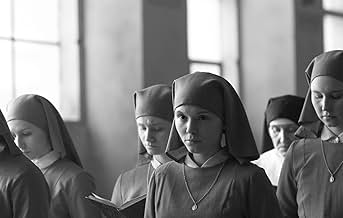
Une religieuse novice sur le point de prononcer ses voeux découvre un secret de famille datant de l'occupation allemande.Une religieuse novice sur le point de prononcer ses voeux découvre un secret de famille datant de l'occupation allemande.Une religieuse novice sur le point de prononcer ses voeux découvre un secret de famille datant de l'occupation allemande.
- Réalisation
- Scénaristes
- Vedettes
- A remporté 1 oscar
- 70 victoires et 92 nominations au total



Natalia Lange
- Bronia
- (as Natalia Lagiewczyk)


Jan Wojciech Poradowski
- Father Andrew
- (as Jan Wociech Poradowski)

7,462.6K
1
2
3
4
5
6
7
8
9
10
Avis en vedette
As moving as sad
In the 60's Poland, a few days before pronouncing her vows of poverty, chastity and obedience to end her probation period and officially become a nun, Anna, an orphaned young woman, learns by chance the existence of her aunt, Wanda. The Mother Superior propose to Anna to meet Wanda. In this respect, she offers her to take all the necessary time. This encounter will turn her life upside down, via a journey of self-discovery and a road trip through rural Poland, in search of lost time. Lost forever...
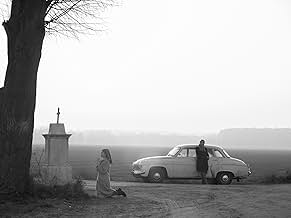
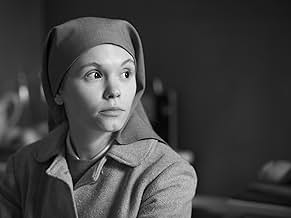
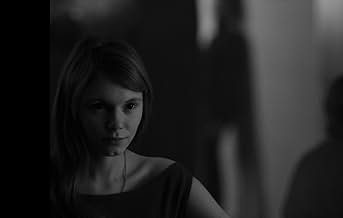
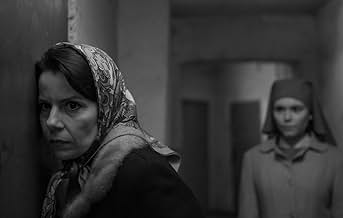
Shot in gorgeous black and white, this film is a disconcerting beauty while remaining simple and pure, with a neat photography, elegant and appropriate framings highlighting the emptiness and the sadness of certain existences, and a careful treatment of natural light. Then, the two main actresses, Agata Kulesza and Agata Trzebuchowska, are prodigious and complement each other wonderfully. Finally, the script is excellently and soberly written, and, even if the film is hard and deals with an unpleasant subject, the staging is simple and anything but egghead. As a synthesis, the film is a masterpiece.
Shot in gorgeous black and white, this film is a disconcerting beauty while remaining simple and pure, with a neat photography, elegant and appropriate framings highlighting the emptiness and the sadness of certain existences, and a careful treatment of natural light. Then, the two main actresses, Agata Kulesza and Agata Trzebuchowska, are prodigious and complement each other wonderfully. Finally, the script is excellently and soberly written, and, even if the film is hard and deals with an unpleasant subject, the staging is simple and anything but egghead. As a synthesis, the film is a masterpiece.
rare work
simplicity, great photographs, splendid script. at first sigh, an old fashion movie. in fact, wise manner to use the legacy of impressive tradition and a great director who use, in same measure, with same precision, tension, poetry of images, atmosphere of period, cultural roots. it is a reflection occasion about origins, truth, faith and choices. a profound Polish story who reflects the identity search of an entire continent. it is , certainly, a rare gem. the cause is not only beauty of photography or admirable acting but a special flavor who remains after its end as a delicate feeling. a young woman and the courage to become here self. that is all. in skin of seductive music.
Stunning pictures, mind-blowing camera work. And then, the Aunt.
While French artsy-critic magazine "telerama" gave it an ecstatic review, there is one thing I wasn't prepared for: the quality of the images. Set in an almost-but-not-quite faded black and white, of about completely square format, I was sure the movie, set and shot in Poland, was using some obscure last reels of some obscure special negatives, developed in a forgotten cold-war era lab... Well, according to the credits, that was all digital, from start to finish. All the haters of DDD processes out there (I'm one of them), we can now be assured the modern film-maker has today the ability to really work on grain, under-exposure, blurred shadows and all that; Wiene, Murneau, Dreyer, Eisenstein and Lang be damned.
I was stunned. This, and the quite audacious camera angles, the ever so close close-ups that only half a face remains visible. I even noticed what should be considered an error (walking in the forest, you only see the characters up from their ankles, missing their feet labouring trough the undergrowth)... And it just works because of the richness of the various tree trunk's winter greys.
Add to that the settings, the aesthetics of semi-derelict post-war communist décor, and the odd 'innocent girl meets nice boy' arch-cute scene, but that was to be expected from the start, even if it is just about perfect. The Hotel is... A graphic masterpiece in itself.
So yeah, the movie is worth it's weight on that alone already, and then there is Agata Kulesza, so absolutely right every part of her role as Aunt Wanda, so whole and complex inside a movie that doesn't otherwise spend lengths on character's backgrounds that she just draws you inside, whether you know her story, her past, her issues or not. A jaw-dropping performance.
This movie should not be called Ida, but Wanda.
I was stunned. This, and the quite audacious camera angles, the ever so close close-ups that only half a face remains visible. I even noticed what should be considered an error (walking in the forest, you only see the characters up from their ankles, missing their feet labouring trough the undergrowth)... And it just works because of the richness of the various tree trunk's winter greys.
Add to that the settings, the aesthetics of semi-derelict post-war communist décor, and the odd 'innocent girl meets nice boy' arch-cute scene, but that was to be expected from the start, even if it is just about perfect. The Hotel is... A graphic masterpiece in itself.
So yeah, the movie is worth it's weight on that alone already, and then there is Agata Kulesza, so absolutely right every part of her role as Aunt Wanda, so whole and complex inside a movie that doesn't otherwise spend lengths on character's backgrounds that she just draws you inside, whether you know her story, her past, her issues or not. A jaw-dropping performance.
This movie should not be called Ida, but Wanda.
10Red-125
Extraordinary film. Don't miss it!
Ida (2013) is a Polish film co-written and directed by Pawel Pawlikowski. This brilliant film follows a few days in the life of Anna, a young novitiate nun. Anna has been raised in a convent, and she plans to take her vows and stay in the convent for the rest of her life.
However, before this can take place, the mother superior sends her to meet her only living relative, a woman named Wanda.
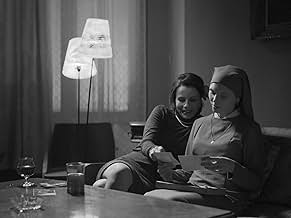
The pair could not be less similar. Ida is quiet, gentle, thoughtful, and shy. Her aunt is tough as nails--she has real power as a judge, and she knows how to use it. She's a heavy drinker and a heavy smoker. She's also a Jew.
In the first few minutes of the movie, Anna learns that she's Jewish. As a very young girl, she was taken to the convent, where the nuns raised her. (Her real name is Ida, which is why that's the title of the film.)
Wanda and Anna set out to return to their rural home, to solve the mystery of what happened to their family 20 years earlier. Why did Ida survive, when her family--other than Wanda--did not?
This film, shot in black & white, is superbly constructed on every dimension. The plot is tight, and the acting is incredible. Agata Kulesza (Wanda) and Agata Trzebuchowska (Anna/Ida), are immensely talented actors.
The cinematography is incomparable. My wife and I felt as if any frame--from the beginning to the end of the movie--would make a great still photograph.
Pawlikowski knows how to focus on his main actors, but he also lets us know that, while the protagonists are involved in heartbreaking drama, the rest of the world is going about its business around them.
This is a grim film. Anna's life is restricted by her piety. Wanda's life is constricted by alcohol and--it would appear--by lack of any close personal relationships. Everyone in Poland is restricted by horrible memories, dark secrets, and Soviet domination.
Grim or not, this is a film you shouldn't pass up if you care about great cinema. We saw it on a large screen at the LittleTheatre in Rochester, NY. However, it will work well enough on DVD. Don't miss it.
However, before this can take place, the mother superior sends her to meet her only living relative, a woman named Wanda.
The pair could not be less similar. Ida is quiet, gentle, thoughtful, and shy. Her aunt is tough as nails--she has real power as a judge, and she knows how to use it. She's a heavy drinker and a heavy smoker. She's also a Jew.
In the first few minutes of the movie, Anna learns that she's Jewish. As a very young girl, she was taken to the convent, where the nuns raised her. (Her real name is Ida, which is why that's the title of the film.)
Wanda and Anna set out to return to their rural home, to solve the mystery of what happened to their family 20 years earlier. Why did Ida survive, when her family--other than Wanda--did not?
This film, shot in black & white, is superbly constructed on every dimension. The plot is tight, and the acting is incredible. Agata Kulesza (Wanda) and Agata Trzebuchowska (Anna/Ida), are immensely talented actors.
The cinematography is incomparable. My wife and I felt as if any frame--from the beginning to the end of the movie--would make a great still photograph.
Pawlikowski knows how to focus on his main actors, but he also lets us know that, while the protagonists are involved in heartbreaking drama, the rest of the world is going about its business around them.
This is a grim film. Anna's life is restricted by her piety. Wanda's life is constricted by alcohol and--it would appear--by lack of any close personal relationships. Everyone in Poland is restricted by horrible memories, dark secrets, and Soviet domination.
Grim or not, this is a film you shouldn't pass up if you care about great cinema. We saw it on a large screen at the LittleTheatre in Rochester, NY. However, it will work well enough on DVD. Don't miss it.
Amazing movie, amazing technique, acting, music, and story
Ida was a dark somber tragic story expressed perfectly in film.
I am not a big fan of black and white "art" movies done for effect, except the old black and white movies, but Ida was filmed so perfectly, and the stark black and white was so integral to the story and feeling of the movie it was really perfect.
I am not a big fan of jazz either, but again, the choice of Coltrane's jazz music for parts of this film really let you feel what jazz is all about, it was beautiful.
The story was of an orphan nun who is preparing to take her final vows to God. The Mother Superior calls her in and tells her about who she is. Ida grew up not knowing her name or anything about her family. Ida finds that she has an aunt nearby and is told to go to see her before taking her vows.
The slow, heavy and deliberate pace of the movie express the story so perfectly, and there is no pandering or cheap shots, the movie is beautifully done. This is a story that is not for everyone, or every time, but I am glad it was made and that I saw it.
I have to give it a 10/10 for pure craftsmanship and cinematic perfection.
I am not a big fan of black and white "art" movies done for effect, except the old black and white movies, but Ida was filmed so perfectly, and the stark black and white was so integral to the story and feeling of the movie it was really perfect.
I am not a big fan of jazz either, but again, the choice of Coltrane's jazz music for parts of this film really let you feel what jazz is all about, it was beautiful.
The story was of an orphan nun who is preparing to take her final vows to God. The Mother Superior calls her in and tells her about who she is. Ida grew up not knowing her name or anything about her family. Ida finds that she has an aunt nearby and is told to go to see her before taking her vows.
The slow, heavy and deliberate pace of the movie express the story so perfectly, and there is no pandering or cheap shots, the movie is beautifully done. This is a story that is not for everyone, or every time, but I am glad it was made and that I saw it.
I have to give it a 10/10 for pure craftsmanship and cinematic perfection.


Le saviez-vous
- AnecdotesPawel Pawlikowski had such difficulty finding an actress to play the titular character that he asked his friends to take secret photographs if they saw anyone who was in the right ballpark of the character. One of his friends, director Malgorzata Szumowska, saw Agata Trzebuchowska in a Warsaw café, took the picture and persuaded her to audition. She agreed to meet with Pawlikowski because she was a fan of his film Mon été d'amour (2004).
- GaffesWhen Ida is in a church, the priest seems to be getting ready to say Mass and we see a versus populum altar, which didn't become the norm until years later after Vatican II. The movie takes place in 1961 and the priest would have been saying Mass on the high altar.
- ConnexionsFeatured in 72nd Golden Globe Awards (2015)
- Bandes originalesSerduszko puka w rytmie cha-cha
Music by Romuald Zylinski
Lyrics by Janusz Odrowaz-Wisniewski
Performed by Maria Koterbska
Meilleurs choix
Connectez-vous pour évaluer et surveiller les recommandations personnalisées
- How long is Ida?Propulsé par Alexa
Détails
Box-office
- Budget
- 1 000 000 $ US (estimation)
- Brut – États-Unis et Canada
- 3 827 060 $ US
- Fin de semaine d'ouverture – États-Unis et Canada
- 55 438 $ US
- 4 mai 2014
- Brut – à l'échelle mondiale
- 11 156 836 $ US
- Durée
- 1h 22m(82 min)
- Couleur
- Mixage
- Rapport de forme
- 1.37 : 1
Contribuer à cette page
Suggérer une modification ou ajouter du contenu manquant