The Executioner's Song
- Épisode diffusé le 17 févr. 2015
- TV-14
- 42min
NOTE IMDb
8,8/10
4,5 k
MA NOTE

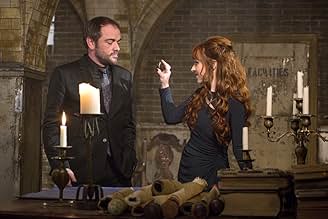
Ajouter une intrigue dans votre langueSam, Dean, and Castiel must deal with Cain's return. Rowena and Crowley grow closer.Sam, Dean, and Castiel must deal with Cain's return. Rowena and Crowley grow closer.Sam, Dean, and Castiel must deal with Cain's return. Rowena and Crowley grow closer.
- Réalisation
- Scénaristes
- Stars



Mark Sheppard
- Crowley
- (as Mark A. Sheppard)


John Mackie
- Demon
- (as John J. Mackie)


Brandyn Eddy
- Pitching Demon
- (non crédité)
8,84.4K
1
2
3
4
5
6
7
8
9
10
Avis à la une
One of the best of the season!
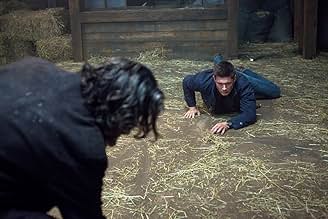
Cain and Dean have an amazing chemistry and their fight--WOW! This episode was well written and directed. Hopefully more of this ilk soon.
Best episode this season!
There have been some good episodes this season, definitely a step up from season 9. However it has been a while since we've had an episode like this.
In summary, as we know from the promo clips, Cain is on a killing spree, and the brothers plus Cas are trying to track him down before he takes more lives.
Robert Berens is the genius behind this episodes writing, and I have praised his writing in the past for being so brilliant. Not one line in this episode felt forced or unnecessary or awkward, everything that was spoken felt like it was adding to the episode and adding to the build up.
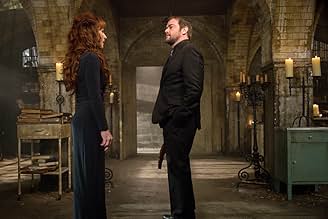
We had a bit of everything as well. Not only was Dean's story unraveling, but Crowley and Rowena's story also added to the episode very nicely, I was thoroughly interested in both sides which is not something that happens often. I have always felt that Rowena's character was interesting but not game-changing, however this episode leads me to believe otherwise. It seems like there were some developments that could lead to more intriguing things in the future.
All of the actors were phenomenal in this episode. In particular Timothy Omundson and Jensen Ackles did a spectacular job since their characters essentially stole the show, both of them acted their hearts out. Another shout out to the director Philip Scriccia. Beautiful work on his part, I have absolutely no complaints about his way of directing this episode. The action felt very real and tense.
This is one episode everybody should take the time to watch because it is hands down one of, if not THE best episode of this season. Give Robert Berens more episodes, he has proved that he can write these characters and plots better than many others while keeping everything flowing and in character. Round of applause for this guy.
I don't give this rating often, but The Executioner's Song is definitely a 10/10.
In summary, as we know from the promo clips, Cain is on a killing spree, and the brothers plus Cas are trying to track him down before he takes more lives.
Robert Berens is the genius behind this episodes writing, and I have praised his writing in the past for being so brilliant. Not one line in this episode felt forced or unnecessary or awkward, everything that was spoken felt like it was adding to the episode and adding to the build up.
We had a bit of everything as well. Not only was Dean's story unraveling, but Crowley and Rowena's story also added to the episode very nicely, I was thoroughly interested in both sides which is not something that happens often. I have always felt that Rowena's character was interesting but not game-changing, however this episode leads me to believe otherwise. It seems like there were some developments that could lead to more intriguing things in the future.
All of the actors were phenomenal in this episode. In particular Timothy Omundson and Jensen Ackles did a spectacular job since their characters essentially stole the show, both of them acted their hearts out. Another shout out to the director Philip Scriccia. Beautiful work on his part, I have absolutely no complaints about his way of directing this episode. The action felt very real and tense.
This is one episode everybody should take the time to watch because it is hands down one of, if not THE best episode of this season. Give Robert Berens more episodes, he has proved that he can write these characters and plots better than many others while keeping everything flowing and in character. Round of applause for this guy.
I don't give this rating often, but The Executioner's Song is definitely a 10/10.
A high point in practical execution
This episode really stands out for a couple of reasons. The opening teaser is one of the few truly creepy sequences in the later years of the show. Sgriccia does a great job using lighting to create atmosphere. It also benefits from one of the best fights in all of the series run when Dean takes on Cain. But above all this is a compelling development in the Mark of Cain storyline and makes you wish Cain was in the series more.
The story is propelled by the return of Cain, whose presence brings with it an existential threat not only to Dean Winchester but to the world at large
"The Executioner's Song," the fourteenth episode of Supernatural's tenth season, stands as a high-water mark for the series, delivering a tightly constructed, emotionally charged, and visually striking hour that fuses the show's mythological weight with its most compelling character arcs. Directed by Philip Sgriccia and written by Robert Berens, the episode is a masterclass in narrative escalation, culminating in one of the most memorable confrontations in the show's recent history. The story is propelled by the return of Cain (Timothy Omundson), whose presence brings with it an existential threat not only to Dean Winchester but to the world at large.
The episode opens with a chilling sequence in a death row prison, where Cain methodically executes a serial killer, establishing himself as both judge and executioner. The visual language of the scene-Cain striding down a dimly lit corridor, the camera lingering on his imposing figure-immediately sets a tone of dread and inevitability. The motif of Cain walking the yellow line in the hallway serves as a visual metaphor for his existence between good and evil, angelic and demonic, and foreshadows the moral ambiguity that will define the episode's central conflict. This opening is not only a showcase for Omundson's commanding performance but also a statement of intent: the stakes are personal, biblical, and inescapable.
As Sam and Dean investigate Cain's return, they discover his new mission: to exterminate his own descendants, believing his bloodline is irredeemably corrupted. The narrative quickly establishes that Cain's rampage is not random but systematic, and his next target is a twelve-year-old boy. The Winchesters, joined by Castiel and Crowley, orchestrate a complex plan to trap Cain using a devil's trap and the First Blade. The episode's structure is meticulous, weaving together the motivations and machinations of each character-Sam's concern for Dean, Castiel's loyalty, Crowley's wavering allegiance, and Rowena's manipulations-into a cohesive whole.
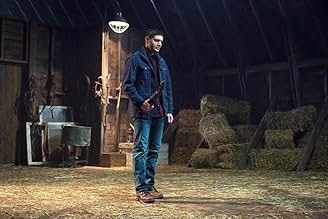
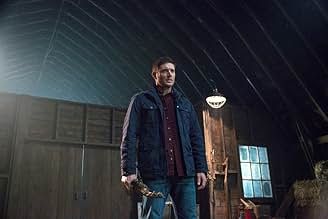
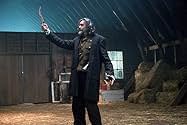
One of the episode's greatest strengths is its use of setting and atmosphere. The barn where the climactic confrontation takes place is rendered with haunting beauty: ghostly light filters through the rafters, straw covers the floor, and the vast, dimly lit space becomes an arena for a battle that is as much psychological as physical. The direction is deliberate, with long, tense takes that allow the actors' performances to breathe. The editing is equally effective, building suspense and emphasizing the gravity of each moment without resorting to melodrama or excess.
The confrontation between Dean and Cain is the episode's emotional and thematic centerpiece. Both Jensen Ackles and Timothy Omundson deliver performances of remarkable depth and intensity. Dean, haunted by the Mark of Cain and the fear of losing his humanity, is forced to face the possibility that his fate is to become the very monster he is fighting. Cain, meanwhile, is portrayed not as a simple villain but as a tragic figure, fully aware of his own damnation and determined to provoke Dean into killing him as an act of mercy and inevitability. The dialogue between them is sharp, poetic, and laced with existential dread; their fight is choreographed as a brutal, balletic struggle, each blow resonating with the weight of destiny.
The supporting characters are given moments to shine, though some critics have noted that Castiel, in particular, is underutilized, serving more as a witness than an active participant in the drama. Crowley's arc takes a decisive turn, as his alliance with the Winchesters fractures under the strain of betrayal and Rowena's manipulations. The episode deftly illustrates that in the world of Supernatural, alliances are always temporary, and trust is a rare commodity. The interplay between the main cast is nuanced, with each character's actions and reactions contributing to the mounting sense of tragedy.
Visually, the episode is among the season's most accomplished. The cinematography uses shadow and light to reinforce the themes of duality and fate. The barn fight is shot with a painterly attention to composition, while the earlier scenes-such as Castiel's encounter with Cain in a field of bodies-evoke a sense of mythic horror. The editing maintains a steady rhythm, allowing the tension to build organically and giving each emotional beat the space it needs to land.
Thematically, "The Executioner's Song" is a meditation on destiny, free will, and the corrosive nature of violence. Dean's anguish over killing Cain is palpable; he is not triumphant but devastated, recognizing that in defeating Cain, he may have sealed his own fate. The episode refuses easy answers, leaving both Dean and the audience to grapple with the possibility that some battles cannot be won without losing something essential. The final scenes, in which Dean relinquishes the First Blade to Castiel rather than Crowley, and Sam confides to Castiel his fear that Dean is not all right, underscore the episode's commitment to emotional honesty and complexity.
Despite its many strengths, the episode is not without minor flaws. The subplot involving Crowley and Rowena, while thematically relevant, occasionally distracts from the central narrative and feels less urgent by comparison. Some viewers may also find the episode's pacing deliberate to a fault, particularly in its extended buildup to the final confrontation. However, these are minor quibbles in an episode that otherwise exemplifies the best of Supernatural's mature storytelling.
In the broader context of television genre fiction, "The Executioner's Song" stands as a testament to Supernatural's enduring ability to blend mythic grandeur with intimate character drama. The episode's willingness to embrace tragedy, ambiguity, and the inevitability of loss marks it as a standout not just within the season, but within the series as a whole. By the time the credits roll, viewers are left with a sense of awe and unease, reminded that the true cost of heroism is often paid in silence and sorrow. The episode's legacy lies in its refusal to offer false hope, instead challenging its audience to confront the darkness within-and to recognize the courage required to face it head-on.
The episode opens with a chilling sequence in a death row prison, where Cain methodically executes a serial killer, establishing himself as both judge and executioner. The visual language of the scene-Cain striding down a dimly lit corridor, the camera lingering on his imposing figure-immediately sets a tone of dread and inevitability. The motif of Cain walking the yellow line in the hallway serves as a visual metaphor for his existence between good and evil, angelic and demonic, and foreshadows the moral ambiguity that will define the episode's central conflict. This opening is not only a showcase for Omundson's commanding performance but also a statement of intent: the stakes are personal, biblical, and inescapable.
As Sam and Dean investigate Cain's return, they discover his new mission: to exterminate his own descendants, believing his bloodline is irredeemably corrupted. The narrative quickly establishes that Cain's rampage is not random but systematic, and his next target is a twelve-year-old boy. The Winchesters, joined by Castiel and Crowley, orchestrate a complex plan to trap Cain using a devil's trap and the First Blade. The episode's structure is meticulous, weaving together the motivations and machinations of each character-Sam's concern for Dean, Castiel's loyalty, Crowley's wavering allegiance, and Rowena's manipulations-into a cohesive whole.
One of the episode's greatest strengths is its use of setting and atmosphere. The barn where the climactic confrontation takes place is rendered with haunting beauty: ghostly light filters through the rafters, straw covers the floor, and the vast, dimly lit space becomes an arena for a battle that is as much psychological as physical. The direction is deliberate, with long, tense takes that allow the actors' performances to breathe. The editing is equally effective, building suspense and emphasizing the gravity of each moment without resorting to melodrama or excess.
The confrontation between Dean and Cain is the episode's emotional and thematic centerpiece. Both Jensen Ackles and Timothy Omundson deliver performances of remarkable depth and intensity. Dean, haunted by the Mark of Cain and the fear of losing his humanity, is forced to face the possibility that his fate is to become the very monster he is fighting. Cain, meanwhile, is portrayed not as a simple villain but as a tragic figure, fully aware of his own damnation and determined to provoke Dean into killing him as an act of mercy and inevitability. The dialogue between them is sharp, poetic, and laced with existential dread; their fight is choreographed as a brutal, balletic struggle, each blow resonating with the weight of destiny.
The supporting characters are given moments to shine, though some critics have noted that Castiel, in particular, is underutilized, serving more as a witness than an active participant in the drama. Crowley's arc takes a decisive turn, as his alliance with the Winchesters fractures under the strain of betrayal and Rowena's manipulations. The episode deftly illustrates that in the world of Supernatural, alliances are always temporary, and trust is a rare commodity. The interplay between the main cast is nuanced, with each character's actions and reactions contributing to the mounting sense of tragedy.
Visually, the episode is among the season's most accomplished. The cinematography uses shadow and light to reinforce the themes of duality and fate. The barn fight is shot with a painterly attention to composition, while the earlier scenes-such as Castiel's encounter with Cain in a field of bodies-evoke a sense of mythic horror. The editing maintains a steady rhythm, allowing the tension to build organically and giving each emotional beat the space it needs to land.
Thematically, "The Executioner's Song" is a meditation on destiny, free will, and the corrosive nature of violence. Dean's anguish over killing Cain is palpable; he is not triumphant but devastated, recognizing that in defeating Cain, he may have sealed his own fate. The episode refuses easy answers, leaving both Dean and the audience to grapple with the possibility that some battles cannot be won without losing something essential. The final scenes, in which Dean relinquishes the First Blade to Castiel rather than Crowley, and Sam confides to Castiel his fear that Dean is not all right, underscore the episode's commitment to emotional honesty and complexity.
Despite its many strengths, the episode is not without minor flaws. The subplot involving Crowley and Rowena, while thematically relevant, occasionally distracts from the central narrative and feels less urgent by comparison. Some viewers may also find the episode's pacing deliberate to a fault, particularly in its extended buildup to the final confrontation. However, these are minor quibbles in an episode that otherwise exemplifies the best of Supernatural's mature storytelling.
In the broader context of television genre fiction, "The Executioner's Song" stands as a testament to Supernatural's enduring ability to blend mythic grandeur with intimate character drama. The episode's willingness to embrace tragedy, ambiguity, and the inevitability of loss marks it as a standout not just within the season, but within the series as a whole. By the time the credits roll, viewers are left with a sense of awe and unease, reminded that the true cost of heroism is often paid in silence and sorrow. The episode's legacy lies in its refusal to offer false hope, instead challenging its audience to confront the darkness within-and to recognize the courage required to face it head-on.
Cain showdown
Cain was a pretty great character and the whole thing being in reverse was good.
In spn world we do see a pattern of stories being repeated, i think the writers were very smart with this storyline.


Le saviez-vous
- AnecdotesAt the start of the episode when Cass is questioning a demon, the camera pans past an old photograph on the wall with a photo of a man and the writing "congratulations Mr Riley, fourth grade teacher of the year". The picture is of Matt Riley, who played a firefighter in season one's Devil's Trap (2006) and died in 2014. At the end of Season 10 Episode 10, The Hunter Games (2015), he was commemorated with "In Memory of Matt Riley 1971 - 2014"
- ConnexionsFeatured in Supernatural: Inside Man (2015)
- Bandes originalesDiamond Side Down
Written by Ryan Franks, Scott Nickoley, Jamie Dunlap
Performed by Ryan Franks, Scott Nickoley, Jamie Dunlap
Meilleurs choix
Connectez-vous pour évaluer et suivre la liste de favoris afin de recevoir des recommandations personnalisées
Détails
Contribuer à cette page
Suggérer une modification ou ajouter du contenu manquant