You Have to Go Inside
- Épisode diffusé le 12 déc. 2017
- TV-14
- 44min
NOTE IMDb
7,2/10
1,2 k
MA NOTE
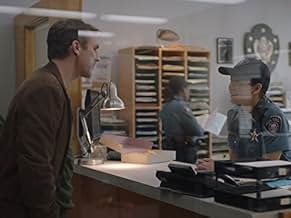
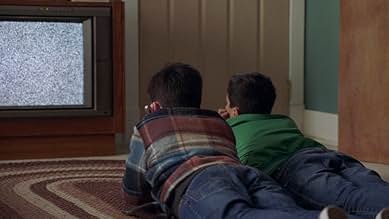
Ajouter une intrigue dans votre langueThe return of a kids' TV show from the 1980s coincides with the disappearance of a young child.The return of a kids' TV show from the 1980s coincides with the disappearance of a young child.The return of a kids' TV show from the 1980s coincides with the disappearance of a young child.
- Réalisation
- Scénaristes
- Stars
David Lawrence Brown
- Tim Hazel
- (as David Brown)
Annika Elyse Irving
- Sadie Williams
- (as Annika Irving)
7,21.2K
1
2
3
4
5
6
7
8
9
10
Avis à la une
Dark Childhood Nostalgia Turns Sinister 📺👻🌙
This premiere episode establishes itself as a masterclass in atmospheric horror, transforming childhood nostalgia into genuine terror through meticulous craftsmanship and restrained storytelling. The series immediately distinguishes itself from typical horror television by prioritizing psychological dread over cheap scares, creating an unsettling experience that lingers long after viewing.
The cinematography deserves particular praise for its innovative use of practical effects and deliberately unsettling imagery. The show's visual language brilliantly contrasts innocent childhood memories with disturbing reality, utilizing muted color palettes and claustrophobic framing to create an oppressive atmosphere. The production design transforms familiar suburban settings into something deeply unnerving, making viewers question the safety of seemingly innocent spaces.
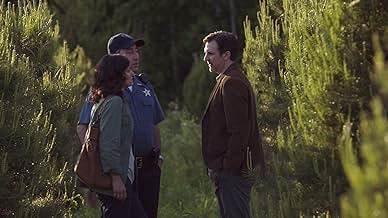
Paul Schneider delivers a compelling performance as Mike Painter, balancing vulnerability with determination as he confronts his traumatic past. His portrayal avoids melodrama while conveying genuine emotional weight, particularly in scenes exploring his complicated relationship with his hometown. Fiona Shaw provides excellent support, bringing gravitas to her role without overshadowing the ensemble cast.
The episode's greatest strength lies in its patient approach to horror. Rather than relying on jump scares or gore, the narrative builds tension through careful character development and mounting psychological pressure. The mysterious children's television show serves as an effective metaphor for corrupted innocence, while the disappearance subplot adds urgency without feeling contrived.
While some pacing issues occasionally slow momentum, the episode succeeds in establishing compelling mysteries that demand resolution. The writing demonstrates confidence in its audience's intelligence, trusting viewers to appreciate subtlety over exposition. This restraint creates a more sophisticated horror experience that rewards careful attention to detail.
The debut represents elevated horror television at its finest, proving that careful craftsmanship can transform familiar genre elements into something genuinely frightening and emotionally resonant.
The cinematography deserves particular praise for its innovative use of practical effects and deliberately unsettling imagery. The show's visual language brilliantly contrasts innocent childhood memories with disturbing reality, utilizing muted color palettes and claustrophobic framing to create an oppressive atmosphere. The production design transforms familiar suburban settings into something deeply unnerving, making viewers question the safety of seemingly innocent spaces.
Paul Schneider delivers a compelling performance as Mike Painter, balancing vulnerability with determination as he confronts his traumatic past. His portrayal avoids melodrama while conveying genuine emotional weight, particularly in scenes exploring his complicated relationship with his hometown. Fiona Shaw provides excellent support, bringing gravitas to her role without overshadowing the ensemble cast.
The episode's greatest strength lies in its patient approach to horror. Rather than relying on jump scares or gore, the narrative builds tension through careful character development and mounting psychological pressure. The mysterious children's television show serves as an effective metaphor for corrupted innocence, while the disappearance subplot adds urgency without feeling contrived.
While some pacing issues occasionally slow momentum, the episode succeeds in establishing compelling mysteries that demand resolution. The writing demonstrates confidence in its audience's intelligence, trusting viewers to appreciate subtlety over exposition. This restraint creates a more sophisticated horror experience that rewards careful attention to detail.
The debut represents elevated horror television at its finest, proving that careful craftsmanship can transform familiar genre elements into something genuinely frightening and emotionally resonant.
Terrible first episode
Bunch of mysterious non senses, average actors, no explanation at the end. So far, not very impressed by the serie.
Le saviez-vous
- AnecdotesWhile Mike is eating in the diner and the radio is playing, the station call sign given is WKRP. "WKRP in Cincinnati" is an American sitcom that ran from 1978-1982.
- Citations
Mike Painter: Do you guys remember Candle Cove?
- ConnexionsReferences The Partridge Family (1970)
Meilleurs choix
Connectez-vous pour évaluer et suivre la liste de favoris afin de recevoir des recommandations personnalisées
Détails
- Durée
- 44min
- Couleur
Contribuer à cette page
Suggérer une modification ou ajouter du contenu manquant