Patton
- 1970
- Tous publics
- 2h 52min


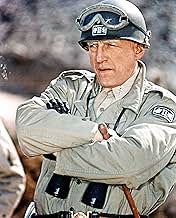
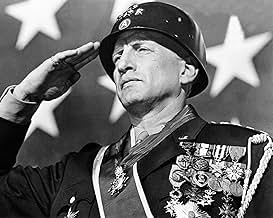
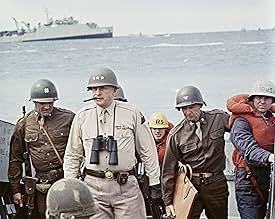
La phase de la Seconde Guerre mondiale de la carrière du général américain controversé George S. Patton.La phase de la Seconde Guerre mondiale de la carrière du général américain controversé George S. Patton.La phase de la Seconde Guerre mondiale de la carrière du général américain controversé George S. Patton.
- Réalisation
- Scénaristes
- Stars
- Récompensé par 7 Oscars
- 25 victoires et 8 nominations au total



Carey Loftin
- General Bradley's Driver
- (as Cary Loftin)


Pat Zurica
- First Lieutenant Alexander Stiller
- (as Patrick J. Zurica)


Richard Münch
- Colonel General Alfred Jodl
- (as Richard Muench)


7,9113.2K
1
2
3
4
5
6
7
8
9
10
Résumé
Reviewers say 'Patton' is acclaimed for George C. Scott's compelling performance as General George S. Patton, highlighting his complexity. The film is lauded for its epic scope, Franklin J. Schaffner's direction, and powerful war sequences. However, some critics find it lacking in secondary character development and note its lengthy runtime. Historical accuracy is debated, with concerns over anachronisms and creative liberties. Despite these issues, 'Patton' is recognized as a pivotal war film, offering profound insights into leadership and the intricacies of war.
Avis à la une
Epic hagiography
It's a splendidly done movie. Scott's performance is powerful. He does everything but reach out, grab you by the shirt, and shout in your face. Karl Malden is likable and full of common sense, but he is the only person in the movie whom we can grasp as a character -- except for Scott himself. Scott is as good at his job as Patton was, and in fact the quality of his performance is less volatile than Patton's own, with virtually no weak spots.
That's part of the problem. Patton himself. I suppose that like most people he had a "good" side -- loving family, played with his dog, collected stamps and whatnot. But as good and aggressive a general as he was, he wasn't a particularly likable guy. It's easy to demand that everyone in your command have shoes as shiny as yours -- especially when you've got some black PFC doing your shining for you.
The movie is noticeably slanted. Patton's weakness, like Coriolanus's, is ambition. Sometimes it's played for laughs. He carried the stars of a Lieutenant General around with him until word of his promotion comes down, then immediately has them pinned on. But only three times is his meanness illustrated without tongue in cheek. (1) During a conversation with Bradley he reveals that he's disobeyed orders by sending his army on a mission to beat Montgomery in taking Sicily. He calls the attack "a reconnaissance in force". He receives an order to get his troops back where they belong and tells his aide to send the message back because it's garbled. "A simple old soldier," Bradly comments disapprovingly. (2) He orders General Truscott to stage some amphibious landings which will help him take Messina before Montgomery. Truscott complains that they're not prepared to do that without heavy casualties. Patton lies down and threatens to fire Truscott and get someone else to do the job. (3) While visiting a hospital and presenting the wounded with decorations he comes across a soldier whose nerves are shot and who is weeping, and Patton slaps him twice and sends him back to the front.
His mean streak went beyond those incidents. He used to practice his arrogant, threatening scowl in front of the mirror. Whether or not it improved the GI's morale to wear neckties in combat is, at best, arguable. (What would Patton make of the Israeli army?) But the simple historical fact is that the movie pitches even these "mean" incidents at the audience like softballs. He didn't just slap a soldier who was feeling sorry for himself, which is the picture the film presents. He slapped two soldiers on separate occasions, one suffering from combat fatigue (which is no joke) and the other from malaria and other illnesses. Patton also enjoyed an intimate relationship with his niece, a Red Cross donut girl, who accompanied him in England and France, much to his wife's displeasure.
Those slapping incidents cost Patton a bit in the way of professional esteem but it didn't cost any lives. And it didn't cause him any remorse. Even in his "apology," he claims he was trying to "shame a coward." What DID cost lives was Patton's cobbling together a small task force to liberate a POW camp in Germany shortly before the war's end, when such a dangerous move was no longer necessary. "Task Force Baum" was recognized by its leaders for the lost cause it was, a plunge deep into enemy territory without any backup. There were 53 vehicles and 294 men. All the vehicles were destroyed or captured. Twenty-five of the men were killed, 32 wounded, and almost all the rest captured. The purpose of the mission, it was tacitly agreed, was to rescue Patton's son-in-law.
His fitful harshness towards his troops is usually justified in the movie, even if it looks excessive. The soldier-slapping scene is preceded by one in which Patton kneels in the hospital, whispers something to a soldier whose face is covered by bandages, and lovingly places a medal on his chest. Next thing he encounters: Tim Considine, fully dressed, sitting up, and sobbing with self pity. Earlier, when Patton asks a cook why he's not wearing sidearms, the cook laughs genially and replies, "Sidearms? Why, hell, General, I'm a cook!" I missed the part where cooks learn to laugh in the face of orders from a general, but it gives Patton a chance to tear everybody a new one.
Everyone paid for Patton's ambition and vanity, even those not under his command. The gasoline and other supplies he diverted to his own forces during the run through France helped him alright, but they were also needed elsewhere.
The movie's subtitle is "Salute to a Rebel." Very stylish for 1970 audiences, but the material is presented in such a way as to leave us with a lingering admiration for Patton's genius and bullheadedness. What kind of "rebel" was he? He was more of an authoritarian Arschloch than anybody else in his greater vicinity.
What the writers, the director, and George C. Scott have given us, to paraphrase someone else, is not a warts-and-all portrait but the suggestion that there is something heroic about a wart.
I gave the movie high marks because it's as well done as it is -- disregarding its relationship to Patton himself. I didn't mind so much that the wrong tanks were used and that the production could only find two Heinkel 111s in flying condition. The location shooting is great, the cinematography crisp and unimpeachable, the score one of Goldsmith's best, and Scott's performance deserved whatever awards it got.
That's part of the problem. Patton himself. I suppose that like most people he had a "good" side -- loving family, played with his dog, collected stamps and whatnot. But as good and aggressive a general as he was, he wasn't a particularly likable guy. It's easy to demand that everyone in your command have shoes as shiny as yours -- especially when you've got some black PFC doing your shining for you.
The movie is noticeably slanted. Patton's weakness, like Coriolanus's, is ambition. Sometimes it's played for laughs. He carried the stars of a Lieutenant General around with him until word of his promotion comes down, then immediately has them pinned on. But only three times is his meanness illustrated without tongue in cheek. (1) During a conversation with Bradley he reveals that he's disobeyed orders by sending his army on a mission to beat Montgomery in taking Sicily. He calls the attack "a reconnaissance in force". He receives an order to get his troops back where they belong and tells his aide to send the message back because it's garbled. "A simple old soldier," Bradly comments disapprovingly. (2) He orders General Truscott to stage some amphibious landings which will help him take Messina before Montgomery. Truscott complains that they're not prepared to do that without heavy casualties. Patton lies down and threatens to fire Truscott and get someone else to do the job. (3) While visiting a hospital and presenting the wounded with decorations he comes across a soldier whose nerves are shot and who is weeping, and Patton slaps him twice and sends him back to the front.
His mean streak went beyond those incidents. He used to practice his arrogant, threatening scowl in front of the mirror. Whether or not it improved the GI's morale to wear neckties in combat is, at best, arguable. (What would Patton make of the Israeli army?) But the simple historical fact is that the movie pitches even these "mean" incidents at the audience like softballs. He didn't just slap a soldier who was feeling sorry for himself, which is the picture the film presents. He slapped two soldiers on separate occasions, one suffering from combat fatigue (which is no joke) and the other from malaria and other illnesses. Patton also enjoyed an intimate relationship with his niece, a Red Cross donut girl, who accompanied him in England and France, much to his wife's displeasure.
Those slapping incidents cost Patton a bit in the way of professional esteem but it didn't cost any lives. And it didn't cause him any remorse. Even in his "apology," he claims he was trying to "shame a coward." What DID cost lives was Patton's cobbling together a small task force to liberate a POW camp in Germany shortly before the war's end, when such a dangerous move was no longer necessary. "Task Force Baum" was recognized by its leaders for the lost cause it was, a plunge deep into enemy territory without any backup. There were 53 vehicles and 294 men. All the vehicles were destroyed or captured. Twenty-five of the men were killed, 32 wounded, and almost all the rest captured. The purpose of the mission, it was tacitly agreed, was to rescue Patton's son-in-law.
His fitful harshness towards his troops is usually justified in the movie, even if it looks excessive. The soldier-slapping scene is preceded by one in which Patton kneels in the hospital, whispers something to a soldier whose face is covered by bandages, and lovingly places a medal on his chest. Next thing he encounters: Tim Considine, fully dressed, sitting up, and sobbing with self pity. Earlier, when Patton asks a cook why he's not wearing sidearms, the cook laughs genially and replies, "Sidearms? Why, hell, General, I'm a cook!" I missed the part where cooks learn to laugh in the face of orders from a general, but it gives Patton a chance to tear everybody a new one.
Everyone paid for Patton's ambition and vanity, even those not under his command. The gasoline and other supplies he diverted to his own forces during the run through France helped him alright, but they were also needed elsewhere.
The movie's subtitle is "Salute to a Rebel." Very stylish for 1970 audiences, but the material is presented in such a way as to leave us with a lingering admiration for Patton's genius and bullheadedness. What kind of "rebel" was he? He was more of an authoritarian Arschloch than anybody else in his greater vicinity.
What the writers, the director, and George C. Scott have given us, to paraphrase someone else, is not a warts-and-all portrait but the suggestion that there is something heroic about a wart.
I gave the movie high marks because it's as well done as it is -- disregarding its relationship to Patton himself. I didn't mind so much that the wrong tanks were used and that the production could only find two Heinkel 111s in flying condition. The location shooting is great, the cinematography crisp and unimpeachable, the score one of Goldsmith's best, and Scott's performance deserved whatever awards it got.
Viewed in Context
PATTON was truly a shock to the system when it was released. The United States was still in the thick of the Vietnam war, and the country was extremely polarized between the hawks and the doves. Then along comes Patton, with a portrayal of a rebellious General who was always being put in his place by the establishment - even though he was, of course, a major establishment figure (generals aren't usually the most liberal or progressive types). Eisenhower (unseen) and the media are portrayed as unsympathetic to the maverick Patton, who is so single-minded in his determination to defeat the Germans you have to root for him, despite his boorish behavior.
And that is why Patton works - you have an unambiguous war against and unambiguous evil - Nazi Germany. Whereas Vietnam might have been a tough conflict for even its supporters to explain, World War Two was quite simple - we were the good guys, and they WERE the bad guys. And so you COULD root for the US Army and Patton without feeling a tinge of guilt.
Also superb in the film is everyman Karl Malden as General Omar Bradley, providing the stable and workmanlike leader (and one who rises quicker in the ranks due to it) to Patton's egomaniac.
And Yes, George C. Scott delivers a career-defining performance that is one for the books. Could Brando or Telly Savalas have pulled off the role as well? I don't think so - it was just tailor made for Scott.
And that is why Patton works - you have an unambiguous war against and unambiguous evil - Nazi Germany. Whereas Vietnam might have been a tough conflict for even its supporters to explain, World War Two was quite simple - we were the good guys, and they WERE the bad guys. And so you COULD root for the US Army and Patton without feeling a tinge of guilt.
Also superb in the film is everyman Karl Malden as General Omar Bradley, providing the stable and workmanlike leader (and one who rises quicker in the ranks due to it) to Patton's egomaniac.
And Yes, George C. Scott delivers a career-defining performance that is one for the books. Could Brando or Telly Savalas have pulled off the role as well? I don't think so - it was just tailor made for Scott.
Scott Delivers Memorable Performance
This is a long but interesting character study of a real-life person: General George S. Patton, who also was a real "character." Gen. Patton was one of the most famous military men of World War II, a super gung-ho leader who admittedly had an intense passion for battle.
How much of this story is fact and how much is fiction, I don't know. Knowing Hollywood and knowing when this was made - during the heyday of the anti-war (Vietnam) movement - I have my suspicions, but for the sake of the review, I will assume all of this is true.Whatever political bias a filmmaker might have, Patton made for a good movie subject anyway and the story is interesting all the way, thanks to the acting of George C. Scott, who was astounding as Patton and gives one of the more memorable performances ever by an actor.
Not only is Scott's acting superb, the widescreen photography is also good. Thank goodness DVDs came out so films like this could be seen in the aspect in which they were filmed. I can't imagine viewing this on formatted-to-TV images. I think much of this movie was filmed in Spain.
I think the filmmakers also did a nice job of not overdoing the action scenes. When overdone, violence can get boring. The explosions and machine-gun fire was realistic, especially for a film that is now 36 years old.
Going back to what's true and what isn't, if it was then Patton was a poor excuse for a Christian, which he claims to be here. For one thing, Christians don't believe in re-incarnation at Patton claims he did in the film. There are other comments, too, which shed a poor light on his "religion," something Hollywood loves to point out.
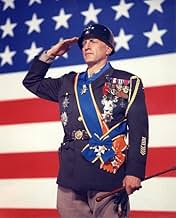
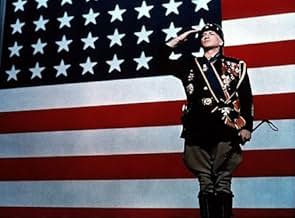
Nonetheless, if you enjoy character studies, this is one of the best. Patton's opening 6-minute speech before this huge American flag is a famous scene in movie history. That, and the rest of his performance and this movie in general, is one you won't forget.
How much of this story is fact and how much is fiction, I don't know. Knowing Hollywood and knowing when this was made - during the heyday of the anti-war (Vietnam) movement - I have my suspicions, but for the sake of the review, I will assume all of this is true.Whatever political bias a filmmaker might have, Patton made for a good movie subject anyway and the story is interesting all the way, thanks to the acting of George C. Scott, who was astounding as Patton and gives one of the more memorable performances ever by an actor.
Not only is Scott's acting superb, the widescreen photography is also good. Thank goodness DVDs came out so films like this could be seen in the aspect in which they were filmed. I can't imagine viewing this on formatted-to-TV images. I think much of this movie was filmed in Spain.
I think the filmmakers also did a nice job of not overdoing the action scenes. When overdone, violence can get boring. The explosions and machine-gun fire was realistic, especially for a film that is now 36 years old.
Going back to what's true and what isn't, if it was then Patton was a poor excuse for a Christian, which he claims to be here. For one thing, Christians don't believe in re-incarnation at Patton claims he did in the film. There are other comments, too, which shed a poor light on his "religion," something Hollywood loves to point out.
Nonetheless, if you enjoy character studies, this is one of the best. Patton's opening 6-minute speech before this huge American flag is a famous scene in movie history. That, and the rest of his performance and this movie in general, is one you won't forget.
Outstanding work by George Scott
The best comment on this film was made by my father. This was the last movie he saw in a theater. He had served under Patton in WW2 and said that Scott had nailed Patton's character and mannerisms so perfectly that halfway through the opening speech, he expected Scott/Patton to look down and say, "$@%#$@, Sears, get a haircut - your hair's too &#%#$%@ long!"
great movie
It really doesn't get any better than this one, for realism, casting, set, costumes, scenery..........and all based on a true story. I can see why Scott won Best Actor and the film won BEST MOVIE. Epic movie in all aspects. Every person should watch this movie...... to see what the troops of England and the USA went through during WWII. My father fought in the Ardens during the Battle of the Bulge and he said the scene when Patton was marching up to get the 101st, with the heavy snow in the trees and the 88's blasting the tops of the trees off, took him right back to the heavy fighting where he was severely wounded. It was that realistic. "Patton" is one of my favorite WWII movies and a possible stopping point if it comes up in my "Recommendations" when surfing. This has a little bit of everything going for it, including great acting (Carl Malden and George C. Scott), historically accurate feel, a good bit of drama, and even some humor. "Patton" is one of the best and most honored war films of all time. (8 Academy Awards, including Best Picture, 1970.)
Oscars Best Picture Winners, Ranked
Oscars Best Picture Winners, Ranked
See the complete list of Oscars Best Picture winners, ranked by IMDb ratings.


Le saviez-vous
- AnecdotesThe movie begins without showing the 20th Century-Fox logo, or any other indication that the film is starting. At military bases across the US theater owners reported that soldiers in the audience would often stand up and snap to attention when they heard the movie's opening line ("Ten-hut!"), assuming it to be a real call to attention.
- GaffesContrary to the way it's portrayed in the film, the controversy over George S. Patton's Knutsford speech was not over his having insulted the Russians (in fact, the Army quickly revised the initial transcript of his remarks to reflect that he had mentioned them). It had to do with his talk of "ruling the world" after the war - members of Congress said he had no business as a general commenting on post-war political affairs, while others objected to the notion of the US, Britain or anyone else "ruling the world."
- Crédits fousOne of the very, very few Twentieth Century-Fox films in which that company's logo is not shown at all, beginning or end. The film simply begins with the opening speech, and the opening Fox logo is replaced with an in-credit text-only notice after the speech. However, recent television showings have added the logo (not on DVD prints), and the addition is obviously spliced in from another piece of film.
- Versions alternativesThe Italian version is approximately 20 minutes shorter and removes all scenes set in the German Military HQ and/or showing German officers: although the credits still include the names of German performers, like Karl Michael Vogler as Marshall Rommel, their characters never appear onscreen in the Italian release.
- ConnexionsEdited into Opération Cobra (1972)
- Bandes originalesTo the Colors
(uncredited)
Traditional bugle call used in lieu of the National Anthem. Played at the opening scene.
Meilleurs choix
Connectez-vous pour évaluer et suivre la liste de favoris afin de recevoir des recommandations personnalisées
Détails
- Date de sortie
- Pays d’origine
- Site officiel
- Langues
- Aussi connu sous le nom de
- Patton: A Salute to a Rebel
- Lieux de tournage
- Cabo de Gata, Almería, Andalucía, Espagne(desert scenes)
- Société de production
- Voir plus de crédits d'entreprise sur IMDbPro
Box-office
- Budget
- 12 000 000 $US (estimé)
- Montant brut aux États-Unis et au Canada
- 61 749 765 $US
- Montant brut mondial
- 61 749 765 $US
- Durée
- 2h 52min(172 min)
- Couleur
- Rapport de forme
- 2.20 : 1
Contribuer à cette page
Suggérer une modification ou ajouter du contenu manquant