Green
- Épisode diffusé le 3 oct. 2025
- TV-MA
- 57min
NOTE IMDb
7,1/10
3,2 k
MA NOTE

Ajouter une intrigue dans votre langueEd finds himself torn between two very different women. As the Vietnam War rages, tales of a real-life bogeyman inspire a young Texas filmmaker.Ed finds himself torn between two very different women. As the Vietnam War rages, tales of a real-life bogeyman inspire a young Texas filmmaker.Ed finds himself torn between two very different women. As the Vietnam War rages, tales of a real-life bogeyman inspire a young Texas filmmaker.
- Réalisation
- Scénariste
- Stars


Jake Elliott
- Jerry (PA)
- (as Jake T. Elliott)


7,13.2K
1
2
3
4
5
6
7
8
9
10
Avis à la une
Inaccurate junk food horror
Not anything like the first two seasons. More of a homage to horror movies than a psychological evaluation of the killers as was done in the first two seasons. Adding way too many liberties that takes away what made the series unique from the lizard brain slasher movie mentality. I will admit I prefer documentaries and might just stick with those instead.
The descent into Ed Gein's disturbed reality, delivering an unnerving mix of psychological torment, human vulnerability, and horrifying violence
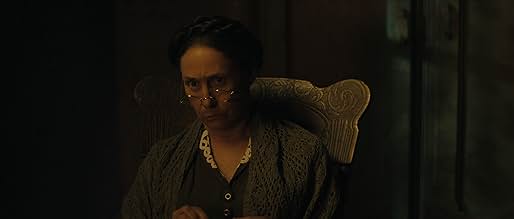
The fourth episode of "Monster: The Ed Gein Story," titled "Green," marks a pivotal moment in this unsettling anthology, with Ian Brennan taking the director's chair along with his creator role. This episode deepens the harrowing descent into Ed Gein's disturbed reality, delivering an unnerving mix of psychological torment, human vulnerability, and horrifying violence, all underscored by a stylized visual palette dominated by ominous shades of green. Opening immediately in tension, Adeline, Ed's darkly fascinated companion, finally confronts the grim truth hidden in Augusta's room - the mere sight of the decaying corpse in the rocking chair shocks her, yet she oddly reveals no disgust, exhibiting a morbid curiosity rather than revulsion. This paradoxical response amplifies the episode's theme of warped intimacy with death and perversion.
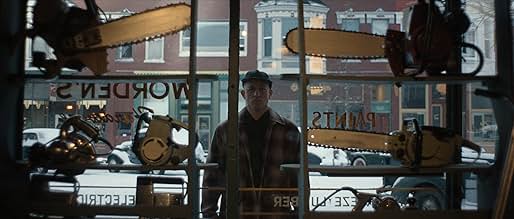
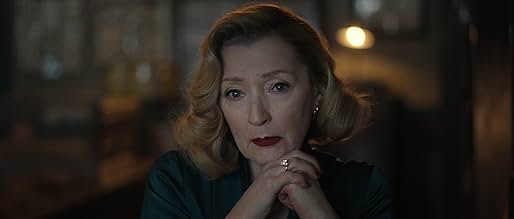
Throughout the episode, the storytelling effectively balances Ed's complex psyche with his fraught social entanglements. The narrative moves toward Ed's interaction with Bernice Worden, the middle-aged hardware store owner. Their initially tender moments, including a skating date and conversations over wine, build a fleeting illusion of normalcy and genuine human connection. These scenes serve as a haunting counterpoint to the overwhelming weight of Ed's pathological grief and his mother's spectral influence. The episode captures Bernice's innocence and solitude beautifully, heightening the tragedy of her character and the eventual horror she faces. This contrast between tenderness and brutality epitomizes the series' ongoing exploration of how trauma and repression corrode human relationships.
Cinematographically, the episode employs muted greens as a dominant color motif, symbolizing decay, envy, and sickness-concepts that resonate with Ed's psychological fissures. The use of shadows, dimly lit farm interiors, and the eerie glow from lamps evoke a pervasive claustrophobia, tightening the narrative focus on Ed's internal imprisonment and growing madness. Ian Brennan's direction is deliberate and unflinching, capturing moments of stark horror, such as Ed's cold-blooded murder of Bernice. This act is depicted in a gruesome montage that exposes the raw grotesqueness of his violence without sensationalizing it, culminating in a graphic sequence where Ed mutilates Bernice's corpse and hangs it upside down in his barn. It's a harrowing scene that confronts viewers with the monstrous reality beneath the rural facade.
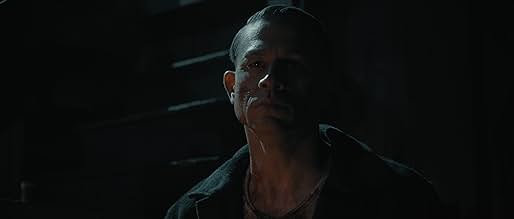
Editing choices accentuate the narrative's oscillation between the hauntingly quiet and the violently sudden, maintaining a rhythm that unsettles and demands attention. This episode's pacing deftly balances character development with escalating horror, using silence and close-ups to reveal characters' conflicting emotions and escalating tension. Performances are consistently compelling-Charlie Hunnam's portrayal channels Ed's fractured humanity and chilling detachment with unnerving precision, while Jennifer Jason Leigh's Bernice embodies vulnerability and tragic warmth. Suzanna Son's Adeline continues to evoke ambiguous fascination, embodying the true crime fan archetype caught between morbid curiosity and complicity.
Thematically, "Green" probes the corrosive power of maternal influence and toxic repression with greater intensity. Ed's hallucinations of Augusta's ghost, warning him against Bernice as a "harlot" and demanding loyalty, underscore the inescapable grip of his trauma. This psychic battle mirrors a broader thematic concern with how past abuses manifest in violence and isolation. Furthermore, the episode situates Ed's crimes within a cultural and cinematic context by revisiting the genesis of horror cinema inspired by these real-life events-specifically, a young Tobe Hooper's frustration at Hitchcock's "Psycho" missing the full horror, leading him to conceive of "The Texas Chain Saw Massacre." This metanarrative layer enriches the viewing experience by connecting the grotesque legacy of Ed's actions to their transformation into enduring horror myths.
However, some narrative and stylistic elements have met with mixed reactions. The heavy stylization, especially the pervasive green motif, while atmospherically effective, can at times feel overly symbolic or distracting, reducing subtlety. There are moments where character motivations, particularly secondary characters such as Bernice, could benefit from deeper exploration to enhance emotional engagement. The episode's graphic violence, though intrinsic to its subject, risks alienating viewers sensitive to such depictions, and the oscillation between surreal horror and stark reality can lead to tonal unevenness. Nonetheless, these choices collectively reinforce the episode's uncompromising portrayal of human monstrosity and the grotesque consequences of repression.
Within the landscape of contemporary true crime storytelling and horror, "Green" contributes significantly to the anthology's ambition to dissect not only the individual pathology of a serial killer but also society's role in mythologizing and exploiting such figures. The episode weaves together strands from film history, psychological trauma, and cultural obsession, exemplifying a self-aware approach to the genre. It draws meaningful comparisons to earlier iconic works like "Psycho" and "The Texas Chain Saw Massacre," highlighting Ed Gein's profound and disturbing impact on collective imagination and artistic creation. This reinforces the series' broader cultural critique of how horror is packaged, consumed, and perpetuated.
"Green" stands out as a visually distinct, narratively rich, and thematically potent chapter in "Monster: The Ed Gein Story." Its exploration of complex character psyches, combined with harrowing depictions of violence and nuanced cultural commentary, makes for a demanding but rewarding viewing experience. While it navigates the inherent challenges of balancing shock with storytelling, the episode succeeds in illuminating the grim realities shaping one of America's most infamous monsters and the ongoing societal fascination with such darkness. The interplay of psychological horror, tragic intimacy, and cultural legacy in "Green" calls for thoughtful reflection on the boundaries of representation and the consequences of ignoring trauma.
Throughout the episode, the storytelling effectively balances Ed's complex psyche with his fraught social entanglements. The narrative moves toward Ed's interaction with Bernice Worden, the middle-aged hardware store owner. Their initially tender moments, including a skating date and conversations over wine, build a fleeting illusion of normalcy and genuine human connection. These scenes serve as a haunting counterpoint to the overwhelming weight of Ed's pathological grief and his mother's spectral influence. The episode captures Bernice's innocence and solitude beautifully, heightening the tragedy of her character and the eventual horror she faces. This contrast between tenderness and brutality epitomizes the series' ongoing exploration of how trauma and repression corrode human relationships.
Cinematographically, the episode employs muted greens as a dominant color motif, symbolizing decay, envy, and sickness-concepts that resonate with Ed's psychological fissures. The use of shadows, dimly lit farm interiors, and the eerie glow from lamps evoke a pervasive claustrophobia, tightening the narrative focus on Ed's internal imprisonment and growing madness. Ian Brennan's direction is deliberate and unflinching, capturing moments of stark horror, such as Ed's cold-blooded murder of Bernice. This act is depicted in a gruesome montage that exposes the raw grotesqueness of his violence without sensationalizing it, culminating in a graphic sequence where Ed mutilates Bernice's corpse and hangs it upside down in his barn. It's a harrowing scene that confronts viewers with the monstrous reality beneath the rural facade.
Editing choices accentuate the narrative's oscillation between the hauntingly quiet and the violently sudden, maintaining a rhythm that unsettles and demands attention. This episode's pacing deftly balances character development with escalating horror, using silence and close-ups to reveal characters' conflicting emotions and escalating tension. Performances are consistently compelling-Charlie Hunnam's portrayal channels Ed's fractured humanity and chilling detachment with unnerving precision, while Jennifer Jason Leigh's Bernice embodies vulnerability and tragic warmth. Suzanna Son's Adeline continues to evoke ambiguous fascination, embodying the true crime fan archetype caught between morbid curiosity and complicity.
Thematically, "Green" probes the corrosive power of maternal influence and toxic repression with greater intensity. Ed's hallucinations of Augusta's ghost, warning him against Bernice as a "harlot" and demanding loyalty, underscore the inescapable grip of his trauma. This psychic battle mirrors a broader thematic concern with how past abuses manifest in violence and isolation. Furthermore, the episode situates Ed's crimes within a cultural and cinematic context by revisiting the genesis of horror cinema inspired by these real-life events-specifically, a young Tobe Hooper's frustration at Hitchcock's "Psycho" missing the full horror, leading him to conceive of "The Texas Chain Saw Massacre." This metanarrative layer enriches the viewing experience by connecting the grotesque legacy of Ed's actions to their transformation into enduring horror myths.
However, some narrative and stylistic elements have met with mixed reactions. The heavy stylization, especially the pervasive green motif, while atmospherically effective, can at times feel overly symbolic or distracting, reducing subtlety. There are moments where character motivations, particularly secondary characters such as Bernice, could benefit from deeper exploration to enhance emotional engagement. The episode's graphic violence, though intrinsic to its subject, risks alienating viewers sensitive to such depictions, and the oscillation between surreal horror and stark reality can lead to tonal unevenness. Nonetheless, these choices collectively reinforce the episode's uncompromising portrayal of human monstrosity and the grotesque consequences of repression.
Within the landscape of contemporary true crime storytelling and horror, "Green" contributes significantly to the anthology's ambition to dissect not only the individual pathology of a serial killer but also society's role in mythologizing and exploiting such figures. The episode weaves together strands from film history, psychological trauma, and cultural obsession, exemplifying a self-aware approach to the genre. It draws meaningful comparisons to earlier iconic works like "Psycho" and "The Texas Chain Saw Massacre," highlighting Ed Gein's profound and disturbing impact on collective imagination and artistic creation. This reinforces the series' broader cultural critique of how horror is packaged, consumed, and perpetuated.
"Green" stands out as a visually distinct, narratively rich, and thematically potent chapter in "Monster: The Ed Gein Story." Its exploration of complex character psyches, combined with harrowing depictions of violence and nuanced cultural commentary, makes for a demanding but rewarding viewing experience. While it navigates the inherent challenges of balancing shock with storytelling, the episode succeeds in illuminating the grim realities shaping one of America's most infamous monsters and the ongoing societal fascination with such darkness. The interplay of psychological horror, tragic intimacy, and cultural legacy in "Green" calls for thoughtful reflection on the boundaries of representation and the consequences of ignoring trauma.
Interesting creative choices.
Ed offers the hand of friendship to the patron of the hardware store, Bernice Worden. Years later, Ed's crimes inspire another Hollywood horror classic.
I will try to put it into words to combine what I thought and what I feel. Somehow, calling it 'The Ed Gein Story' feels wrong; it should have been called 'An Ed Gein Story.' Was this a story about Ed Gein, or was it some sort of horror homage?
We have somehow gone from Ed butchering Bernice to 'The Texas Chainsaw Massacre.' I understand that this horrific story was the inspiration for several classic horrors, but was this the right place?
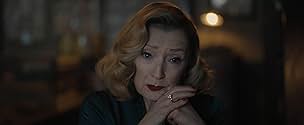
The story of Ed and Bernice was superb, I thought-creepy and twisted-with two great performances from Charlie Hunnam and Lesley Manville. That's the kind of thing I was expecting. I enjoyed what came later, but it felt so random, detracting from the earlier story. The early part of the episode is a 10/10, no question.
It's such a weird fusion. I'm enjoying it, but it feels like fantasy horror.
7/10.
I will try to put it into words to combine what I thought and what I feel. Somehow, calling it 'The Ed Gein Story' feels wrong; it should have been called 'An Ed Gein Story.' Was this a story about Ed Gein, or was it some sort of horror homage?
We have somehow gone from Ed butchering Bernice to 'The Texas Chainsaw Massacre.' I understand that this horrific story was the inspiration for several classic horrors, but was this the right place?
The story of Ed and Bernice was superb, I thought-creepy and twisted-with two great performances from Charlie Hunnam and Lesley Manville. That's the kind of thing I was expecting. I enjoyed what came later, but it felt so random, detracting from the earlier story. The early part of the episode is a 10/10, no question.
It's such a weird fusion. I'm enjoying it, but it feels like fantasy horror.
7/10.
Beautiful Existence
I love my Horror and I love when they mix fiction with history. The point of these type of genres is to shock and entertain boogey men fans like us, in dark thrilling psychological and fascinating ways. No different then our older folks watching the news every morning, wanting to know everything about our cruel evil leaders and Dictators in our world. But anyways! Since the Hollywood horror genre existed we all been wanting something new but at the same time, something still related to the cult classics like Psycho and Texas and we got it with this episode.
What the hell was the writer huffing?
This was where this season dipped in any attempt at serious art and became more of some surreal schlock experience. I can't say I hated it but it was confusing. Deviating too much from trying to tell the story of Gein's crime and instead making some fever dream fantasy that blurred the lines of art imitating life.


Le saviez-vous
- AnecdotesEd Gein himself claimed to have been a virgin. He allegedly had no sexual experience with anyone, let alone with Bernice Worden.
- Citations
Adeline Watkins: I don't know why people get so persnickety about death. Ashes to ashes, dust to dust. Just like it says in the Bible.
- ConnexionsReferences Psychose (1960)
Meilleurs choix
Connectez-vous pour évaluer et suivre la liste de favoris afin de recevoir des recommandations personnalisées
Détails
- Durée
- 57min
- Couleur
- Mixage
- Rapport de forme
- 2.35 : 1
Contribuer à cette page
Suggérer une modification ou ajouter du contenu manquant