IMDb रेटिंग
6.8/10
1.1 हज़ार
आपकी रेटिंग

अपनी भाषा में प्लॉट जोड़ेंAn alcoholic doctor on a Polynesian island, disgusted by white exploitation of the natives, finds himself marooned on a pristinely beautiful island.An alcoholic doctor on a Polynesian island, disgusted by white exploitation of the natives, finds himself marooned on a pristinely beautiful island.An alcoholic doctor on a Polynesian island, disgusted by white exploitation of the natives, finds himself marooned on a pristinely beautiful island.
- 1 ऑस्कर जीते
- कुल 1 जीत


Robert Anderson
- Sebastian - a Trader
- (बिना क्रेडिट के)
Renee Bush
- Lucy
- (बिना क्रेडिट के)

Dorothy Janis
- Native Girl
- (बिना क्रेडिट के)
Napua
- Native Boy
- (बिना क्रेडिट के)
6.81K
1
2
3
4
5
6
7
8
9
10
फ़ीचर्ड समीक्षाएं
part exotic south sea adventure, part documentary
The very first "sound track" film from MGM..sound effects track added by Doug Shearer, who did the sound recording on about 90% of all the old black & whites. Caption cards are still used throughout the film for the dialogue. Was also actually filmed in Tahiti, which would have been pretty rare for those times. Monte Blue ( plays Doctor Lloyd ) and Robert Anderson (the trader) had been in silent films for years, but this was Raquel Torres' ("Fayaway") first role. In our story, when pearls are discovered in the waters of the south seas, the white men move in to take advantage. The natives are up against the caucasian traders, the critters of the sea, storms, and sickness when it comes to their shores. The story is quite simple, but the outdoor and underwater photography are the high points here. Even with a respectable restoration, different scenes appear in various colors, and the lighting and sound have become slightly spotty. Interesting scenes at the feast, where prior to cooking, the fish is carefully sewn up in leaves to keep it from burning. Where others have despaired over the "documentary" feel to the film, I felt that this was one of the strengths. (Although some of those costumes and dances DO look pretty hokey.) Lloyd lives with the natives, and must decide what his long term goal is, and how to reach it. Several scenes have been sped up, which may have been an effort by "someone" to move the plot along more quickly. Or maybe just newer technology going at a different speed. Directed by WS Van Dyke, produced by Thalberg and Stromberg, all pretty big cheeses in the industry at the time.
Hidden gem
How nice is it to see this treatment, this attitude, of the white man's imperialism towards native cultures in the 19th century, especially when other movies from this time period often had such blatant or casual racism. Here we clearly see the white man as the bad guy, greedy for pearls, exploiting the Polynesians, and spreading disease. It may be over the top and idealized at times, with some non-factual bits such as attacking octopi and grand proclamations against the white race as a whole, but its heart was certainly in the right place, and this notion of which party was evil was certainly correct.
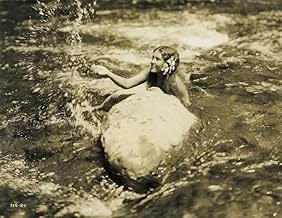
Filmed on location in the Marquesas (or perhaps in reality Tahiti), it shows beautiful footage of the islands as well as the culture, such as people dancing, scaling coconut trees, shaving breadfruit, diving, fishing, and making fire. I'm not an expert but it feels authentic, and without a doubt, it's certainly respectful of the indigenous people. Director W.S. Van Dyke ("One Take Woody", who would go on to an Oscar nomination for "The Thin Man") pulls all the right strings here, from a fantastic typhoon scene, to intimate moments between leading man Monte Blue, and an island woman played by Raquel Torres. Most of the rest of the cast consists of real Islanders. Cinematographer Clyde De Vinna was worthy of the Oscar he won for the visual treats he gives us throughout the movie, and we also get a few bits of sound on MGM's first film with a pre-recorded soundtrack. What a hidden gem this film is for 1928.
Filmed on location in the Marquesas (or perhaps in reality Tahiti), it shows beautiful footage of the islands as well as the culture, such as people dancing, scaling coconut trees, shaving breadfruit, diving, fishing, and making fire. I'm not an expert but it feels authentic, and without a doubt, it's certainly respectful of the indigenous people. Director W.S. Van Dyke ("One Take Woody", who would go on to an Oscar nomination for "The Thin Man") pulls all the right strings here, from a fantastic typhoon scene, to intimate moments between leading man Monte Blue, and an island woman played by Raquel Torres. Most of the rest of the cast consists of real Islanders. Cinematographer Clyde De Vinna was worthy of the Oscar he won for the visual treats he gives us throughout the movie, and we also get a few bits of sound on MGM's first film with a pre-recorded soundtrack. What a hidden gem this film is for 1928.
Academy Awards' Best Cinematography on Display in Pacific Movie
MGM's head of production Irving Thalberg was recuperating in the hospital when he read Frederick O'Brien's book on his 1919 travels to the Pacific South Seas Islands. Enthralled by the prospects of making a great movie based on the author's account, Thalberg enlisted documentary filmmaker Robert J. Flaherty to direct his proposed film. It was natural for Flaherty, a friend of O'Brien, to be considered for the project since he had produced and filmed 1926's "Moana," a documentary on the natives on the Pacific island of Samoa. For insurance, Thalberg assigned MGM director W. W. Van Dyke to assist him in the movie with a semi-fictitious plot.
In the credits for November 1928's release of "White Shadows in the South Seas," Van Dyke's name is the only one listed as director. Working from a script, Flaherty, according to accounts, was taking his sweet time filming the movie at the Tahiti location. Van Dyke, reporting back to MGM studios, noted his inefficient methods. The two clashed so often that Flaherty decided he had enough. He felt he wasn't getting any support from MGM's Los Angeles studio, and abruptly left the island. Van Dyke, whose nickname was "One-Take Van Dyke," was known for his proficiency in getting his movies completed on schedule and under budget, qualities MGM head Louis B. Mayer loved about the director.
The movie's plot was unusual for its time in that it places blame on the civilized white man for exploiting the island natives and endangering their health and lives in the quest to gather all the pearls they can to satisfy greedy pearl traders. A rather worn-out doctor-turned-alcoholic, Dr. Lloyd (Monte Blue), laments the blatant cruelty inflicted on the islanders by the whites and voices his opinion. The men in the white business suits don't take kindly to his criticisms and shanghai him on a boat to parts unknown. The good doctor ends up on another idyllic island inhabited by super friendly natives untouched by the scourge of white capitalists. That is until the opportunists hear about the great quantity of pearls found on that island.
The production of "White Shadows in the South Seas" was not only contentious between the two directors, but also between MGM producer Hunt Stromberg and writer David Selznick, who left the studio after their confrontation. An impartial observer noted "David thought it an idyllic story; Hunt said he wanted lots of breasts." MGM was fortunate to have adventure cameraman Clyde De Vinna, who loved to travel to exotic locations. He was familiar with Tahiti as far back as 1923, accompanying director Raoul Walsh to shoot his movie 'Lost and Found on a South Sea Island." De Vinna's work was so breathtaking in capturing tropical settings both above and below the water line that he received the Academy Award's Best Cinematography for that year.
"White Shadows in the South Seas" is also noted for the first film MGM inserted sound. Filming was done without any audio and had a soundtrack created in post-production. With its Los Angeles studio incapable of inserting the audio because of a lack of equipment, the head of MGM's sound department, Douglas Shearer, actress Norma Shearer's brother, took the movie's negatives to New Jersey where he placed onto the film strip synchronized music and sound effects using the Western Electric Sound System. The movie, however, contains no audible dialogue between the actors.
"White Shadows in the South Seas" was also the first time MGM's lion was heard roaring. MGM films before then had the lion's roar inserted into the introduction well after their initial releases. The studio secured the services of a new lion, Jackie, who was trained to roar. Jackie replaced the first MGM lion, Slats, who never made a peep. Jackie is seen fronting each MGM movie until 1956, when Leo the Lion took over.
In the credits for November 1928's release of "White Shadows in the South Seas," Van Dyke's name is the only one listed as director. Working from a script, Flaherty, according to accounts, was taking his sweet time filming the movie at the Tahiti location. Van Dyke, reporting back to MGM studios, noted his inefficient methods. The two clashed so often that Flaherty decided he had enough. He felt he wasn't getting any support from MGM's Los Angeles studio, and abruptly left the island. Van Dyke, whose nickname was "One-Take Van Dyke," was known for his proficiency in getting his movies completed on schedule and under budget, qualities MGM head Louis B. Mayer loved about the director.
The movie's plot was unusual for its time in that it places blame on the civilized white man for exploiting the island natives and endangering their health and lives in the quest to gather all the pearls they can to satisfy greedy pearl traders. A rather worn-out doctor-turned-alcoholic, Dr. Lloyd (Monte Blue), laments the blatant cruelty inflicted on the islanders by the whites and voices his opinion. The men in the white business suits don't take kindly to his criticisms and shanghai him on a boat to parts unknown. The good doctor ends up on another idyllic island inhabited by super friendly natives untouched by the scourge of white capitalists. That is until the opportunists hear about the great quantity of pearls found on that island.
The production of "White Shadows in the South Seas" was not only contentious between the two directors, but also between MGM producer Hunt Stromberg and writer David Selznick, who left the studio after their confrontation. An impartial observer noted "David thought it an idyllic story; Hunt said he wanted lots of breasts." MGM was fortunate to have adventure cameraman Clyde De Vinna, who loved to travel to exotic locations. He was familiar with Tahiti as far back as 1923, accompanying director Raoul Walsh to shoot his movie 'Lost and Found on a South Sea Island." De Vinna's work was so breathtaking in capturing tropical settings both above and below the water line that he received the Academy Award's Best Cinematography for that year.
"White Shadows in the South Seas" is also noted for the first film MGM inserted sound. Filming was done without any audio and had a soundtrack created in post-production. With its Los Angeles studio incapable of inserting the audio because of a lack of equipment, the head of MGM's sound department, Douglas Shearer, actress Norma Shearer's brother, took the movie's negatives to New Jersey where he placed onto the film strip synchronized music and sound effects using the Western Electric Sound System. The movie, however, contains no audible dialogue between the actors.
"White Shadows in the South Seas" was also the first time MGM's lion was heard roaring. MGM films before then had the lion's roar inserted into the introduction well after their initial releases. The studio secured the services of a new lion, Jackie, who was trained to roar. Jackie replaced the first MGM lion, Slats, who never made a peep. Jackie is seen fronting each MGM movie until 1956, when Leo the Lion took over.
Tropical hokum made notable by location filming
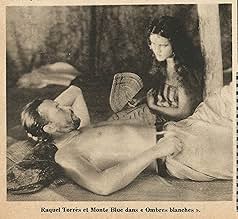
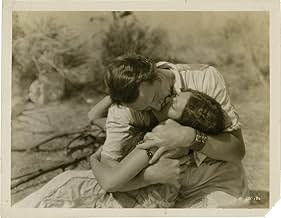
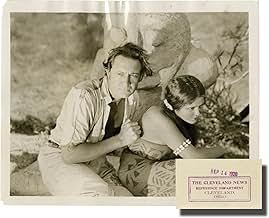
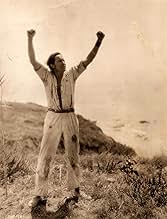
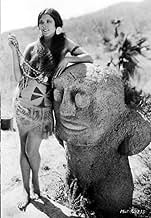
Monte Blue stars as Doc Lloyd, a drunk living like a bum among the French Polynesian natives who are being exploited by white traders for the nearby valuable pearl beds. The mistreatment of the locals reaches a breaking point for Doc, and after a violent outburst, he ends up on another island, this one untouched by white man's hands. Here Doc cleans up his act, helping the natives with his medical savvy, and falling in love with native girl Fayaway (Raquel Torres).
The Tahitian shores are nice to look at, and the underwater sequences are intriguing for the time. Director W. S. Van Dyke keeps things moving, but this works more as a travelogue than a compelling narrative. A scene where native fishermen wrestle with giant sea turtles is a highlight, even if you sympathize more with the turtles. This won an Oscar for Best Cinematography, but not until 1930.
The Tahitian shores are nice to look at, and the underwater sequences are intriguing for the time. Director W. S. Van Dyke keeps things moving, but this works more as a travelogue than a compelling narrative. A scene where native fishermen wrestle with giant sea turtles is a highlight, even if you sympathize more with the turtles. This won an Oscar for Best Cinematography, but not until 1930.
A morality play that is still quite powerful today
This movie, which is part silent and part talkie, is a tale of one man's disintegration, his actions which help to destroy an entire culture and his growing horror at what he has helped to bring about. The movie is still quite effective even now, more than 70 years later, largely because its concerns have probably been part and parcel with humanity's existence since we stopped being nomads and started building cities-greed, the struggle for control, the individual penchant for being your own worst enemy at times. A most memorable and compelling film, the cinematography is beautiful (it justifiably won an Oscar) and the film is one you will remember for a long while.


क्या आपको पता है
- ट्रिवियाAfter completing filming on the tropical island, they returned to the MGM lot at Culver City, where W.S. Van Dyke shot some additional material, including a typhoon at sea and a shipwreck. Then the studio decided to make White Shadows in the South Seas (1928) their first sound film, so they added a synchronized soundtrack consisted of a romantic score by William Axt and David Mendoza, with a few sound effects such as wind howling, a storm, trees ruffling and the words "Hello" and "wait."
This was MGM's first sound picture, and it premiered in Hollywood at Sid Grauman's Chinese Theater on Friday, 3 Aug 1928. It is known for being the first MGM film to be released with a pre-recorded soundtrack.
- गूफ़The drowned young man's left arm moves by itself.
- भाव
Dr. Matthew Lloyd: For God's sake, go away, Sebastian... these people are like birds... like flowers... they are like man was before he lost the Garden of Eden...
- इसके अलावा अन्य वर्जनThere is an Italian edition of this film on DVD, distributed by DNA srl, "L'UOMO DI ARAN (1934), NANUK L'ESCHIMESE (1922), OMBRE BIANCHE NEI MARI DEL SUD (1928)" (3 Films on a single DVD), re-edited with the contribution of film historian Riccardo Cusin. This version is also available for streaming on some platforms.
- कनेक्शनFeatured in Settling the Score (2005)
- साउंडट्रैकFlower of Love
(1928) (uncredited)
Music by William Axt and David Mendoza
Lyrics by Dave Dreyer and Herman Ruby
टॉप पसंद
रेटिंग देने के लिए साइन-इन करें और वैयक्तिकृत सुझावों के लिए वॉचलिस्ट करें
- How long is White Shadows in the South Seas?Alexa द्वारा संचालित
विवरण
बॉक्स ऑफ़िस
- बजट
- $3,65,000(अनुमानित)
- चलने की अवधि
- 1 घं 28 मि(88 min)
- ध्वनि मिश्रण
- पक्ष अनुपात
- 1.20 : 1
इस पेज में योगदान दें
किसी बदलाव का सुझाव दें या अनुपलब्ध कॉन्टेंट जोड़ें