VALUTAZIONE IMDb
7,9/10
10.422
LA TUA VALUTAZIONE
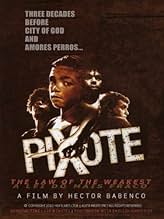
La vita di un ragazzo per le strade di San Paolo, coinvolto in crimini, prostituzione e droga.La vita di un ragazzo per le strade di San Paolo, coinvolto in crimini, prostituzione e droga.La vita di un ragazzo per le strade di San Paolo, coinvolto in crimini, prostituzione e droga.
- Regia
- Sceneggiatura
- Star
- Premi
- 10 vittorie e 4 candidature totali
João José Pompeo
- Almir
- (as Joáo José Pompeu)
Rubens Rollo
- Director
- (as Ruben Rollo)
Luis Serra
- Reporter
- (as Luiz Serra)
7,910.4K
1
2
3
4
5
6
7
8
9
10
Recensioni in evidenza
Brilliant and Brutal
Perhaps the most brutal filmic portrait of youth ever made; Charles Dickens meets Hieronymous Bosch in this tale of a group of boys struggling to survive in the reformatories and mean streets of Brazil as the cycle of prey transformed into predators is documented.
The saddest detail is to realize that this film, made almost twenty five years ago, documents a world that in terms of its poverty and depravity, has apparently changed very little. A brutal reality captured here but with some of the most layered acting I've ever seen in the history of film by a group of amateurs picked from the streets of Sao Paulo with no previous experience. Not one or two good performances, the entire cast is quite simply remarkable, and even sadder is the fact that most of them have probably now been swallowed by the street life they portrayed.
Not as sophisticated a vision as Bunuel's 'Los Olvidados' or as sensational as Clarke's 'Kids,' but in this genre of 'children growing up in the streets' it is easily the most emotionally powerful film of them all.
The saddest detail is to realize that this film, made almost twenty five years ago, documents a world that in terms of its poverty and depravity, has apparently changed very little. A brutal reality captured here but with some of the most layered acting I've ever seen in the history of film by a group of amateurs picked from the streets of Sao Paulo with no previous experience. Not one or two good performances, the entire cast is quite simply remarkable, and even sadder is the fact that most of them have probably now been swallowed by the street life they portrayed.
Not as sophisticated a vision as Bunuel's 'Los Olvidados' or as sensational as Clarke's 'Kids,' but in this genre of 'children growing up in the streets' it is easily the most emotionally powerful film of them all.
Horror
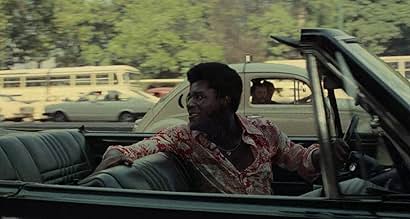
"Pixote: A Lei do Mais Fraco" deals with what is perhaps the greatest of all Brazilian themes: poverty. And along with poverty the other unnatural feelings and actions it brings; prostitution, violence, crime, rape and murder.
Brazil is the country of paradoxes, and its social problems are present everywhere. The difference between the rich and the poor; the beautiful and the ugly; happiness and the most profound human decay.
"Pixote" is one of the films that dare to touch and open these so painful wounds, and does it without the slightest glimmer of hope, in an honest portrayal of a country that, like Pixote himself, is already lost.
Brazil is the country of paradoxes, and its social problems are present everywhere. The difference between the rich and the poor; the beautiful and the ugly; happiness and the most profound human decay.
"Pixote" is one of the films that dare to touch and open these so painful wounds, and does it without the slightest glimmer of hope, in an honest portrayal of a country that, like Pixote himself, is already lost.
"either you deal or you'll get dealt"
Pixote is probably the most powerful film I have ever seen. An aspect so rarely attained in most films is the gritty reality that Babenco exposes with paramount ability and care. It truly will stay with you forever--you will be touched in such a deep way no matter who you are, no matter where you're from, no matter what movie genre you favor.
Considering that Da Silva's own life was one of the streets, leading to an early death at nineteen, when he was killed by corrupt cops in a drug raid, the film becomes all the more disturbing when we realize that Da Silva truly is Pixote in a circle of life imitating art imitating life.
With no reliable source of aide, these street kids are forced to exist at a most extreme disadvantage. The brutal truth in this film may be difficult to digest, but we can't turn a blind eye. Ultimately, words aren't strong enough to do this film justice, you'll have to experience it yourself.
Considering that Da Silva's own life was one of the streets, leading to an early death at nineteen, when he was killed by corrupt cops in a drug raid, the film becomes all the more disturbing when we realize that Da Silva truly is Pixote in a circle of life imitating art imitating life.
With no reliable source of aide, these street kids are forced to exist at a most extreme disadvantage. The brutal truth in this film may be difficult to digest, but we can't turn a blind eye. Ultimately, words aren't strong enough to do this film justice, you'll have to experience it yourself.
Growing up way before their time
When one thinks of the Brazilian cinema it is this film Pixote which comes to mind. Hector Babenco gives us one uncompromising and brutal look at the lives of the street boys in Brazil's largest city Sao Paulo. One only hopes that it is 35 years since Pixote was released and the hope is things have improved for these kids who have to grow up way before their time.
The films centers on the title character played by a young actor who himself never made it out of the slums. Babenco used real street kid Fernando Ramos DaSilva as the ten year old Pixote who was killed at the age of 19 in a homicide that still raises questions. One thing this film does show is that Anglo-Saxon jurisprudence didn't make it to Brazil, especially for the young.
We see things in Pixote that you would never see in American cinema portrayed even now. Rape in a juvenile detention center is the established norm here, especially when it involves Jorge Juliao, a young cross dressing street kid. When the slightly older Gilberto Moura uses sex to assert authority over Juliao it's both frightening and touching. Poor Juliao has one rotten opinion of his own self worth from his experience. One gets the impression that home wasn't all that much better. But these things were being shown way before America even knew there were transgender issues. Juliao even more than DaSilva is who you remember from Pixote.
35 years later Pixote is a powerful and disturbing film.
The films centers on the title character played by a young actor who himself never made it out of the slums. Babenco used real street kid Fernando Ramos DaSilva as the ten year old Pixote who was killed at the age of 19 in a homicide that still raises questions. One thing this film does show is that Anglo-Saxon jurisprudence didn't make it to Brazil, especially for the young.
We see things in Pixote that you would never see in American cinema portrayed even now. Rape in a juvenile detention center is the established norm here, especially when it involves Jorge Juliao, a young cross dressing street kid. When the slightly older Gilberto Moura uses sex to assert authority over Juliao it's both frightening and touching. Poor Juliao has one rotten opinion of his own self worth from his experience. One gets the impression that home wasn't all that much better. But these things were being shown way before America even knew there were transgender issues. Juliao even more than DaSilva is who you remember from Pixote.
35 years later Pixote is a powerful and disturbing film.
Heartbreaking
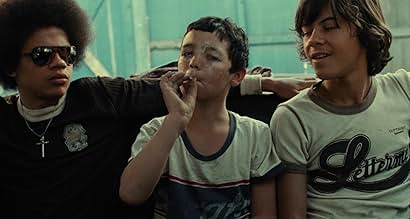
The violent death of Fernando Ramos Da Silva only eight years after the completion of this film, only adds to the poignancy of dierector BAbenco's powerful message. The film is split into two halves - the first in a reformatory where a group of youngsters are abused and violated by the violent law enforcers and guardians. The second backdrop is the city where they are confined instead by their own actions and morality, which includes mugging, pimping and killing different characters who enter their lives.
The differing gender and sexual roles in the film allow for constant changes in the characters as they interact with other people. Particularly interesting is teh character of Lalica, a transvestite who is mother and lover to some of the children. Her reaction to the arrival of Sueli, a prostitute is both poignant and tragic.
There is no happy ending to this story and i reccomend to watch it with caution as there are some very uncomfortable scenes to watch especially in teh opening twenty minutes. But whilst watching it, it is important to remember that this is not just a fictional tale. The actors are not trained professionals but instead boys selected from the streetsof Sao Paulo. They actually lived this life that is portrayed so vividly on screen and in da Silva's case, died at the hands of the police who are depicted so brutally. A documentary? A piece of fiction. It borders on both but it certainly makes for heart wrenching material and is a film that actually leaves you breathless and thinking long after having watched it.
10/10
The differing gender and sexual roles in the film allow for constant changes in the characters as they interact with other people. Particularly interesting is teh character of Lalica, a transvestite who is mother and lover to some of the children. Her reaction to the arrival of Sueli, a prostitute is both poignant and tragic.
There is no happy ending to this story and i reccomend to watch it with caution as there are some very uncomfortable scenes to watch especially in teh opening twenty minutes. But whilst watching it, it is important to remember that this is not just a fictional tale. The actors are not trained professionals but instead boys selected from the streetsof Sao Paulo. They actually lived this life that is portrayed so vividly on screen and in da Silva's case, died at the hands of the police who are depicted so brutally. A documentary? A piece of fiction. It borders on both but it certainly makes for heart wrenching material and is a film that actually leaves you breathless and thinking long after having watched it.
10/10
Lo sapevi?
- QuizThe film's star, Fernando Ramos da Silva, who plays a young street criminal, actually was a street criminal before he made this film. After completing it, he took up the criminal life again, and was killed in Brazil in 1987 in an alleged shootout with police. While police reports claim that da Silva was resisting arrest, there are conflicting reports from eyewitnesses, who claim da Silva was unarmed. Furthermore, a forensic examination showed that he had been shot while lying on the ground. Both his wife and mother called the shooting "a police execution." The story of Fernando Ramos da Silva is depicted in the biographical film Quem Matou Pixote? (1996).
- Versioni alternativeAll UK versions were cut by 27 secs under the 1978 Protection of Children Act. The scene removed was a panning shot showing Pixote on a bed alongside a couple having sex.
- ConnessioniFeatured in Sneak Previews: Pixote, Ragtime, Buddy Buddy, Absence of Malice (1981)
- Colonne sonoreCould It Be Magic
I più visti
Accedi per valutare e creare un elenco di titoli salvati per ottenere consigli personalizzati
- How long is Pixote?Powered by Alexa
Dettagli
Contribuisci a questa pagina
Suggerisci una modifica o aggiungi i contenuti mancanti