All Happy Families
- L’episodio è andato in onda il 28 mar 2004
- TV-MA
- 53min
VALUTAZIONE IMDb
8,5/10
8053
LA TUA VALUTAZIONE

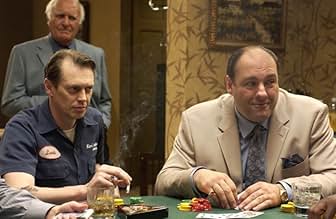
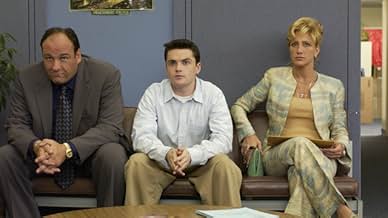
Feech prova a tornare al suo glorioso passato. Carmela prova a lavorare con l'insegnante di Anthony Junior per rimetterlo sulla giusta strada.Feech prova a tornare al suo glorioso passato. Carmela prova a lavorare con l'insegnante di Anthony Junior per rimetterlo sulla giusta strada.Feech prova a tornare al suo glorioso passato. Carmela prova a lavorare con l'insegnante di Anthony Junior per rimetterlo sulla giusta strada.
- Regia
- Sceneggiatura
- Star
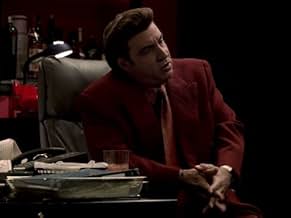
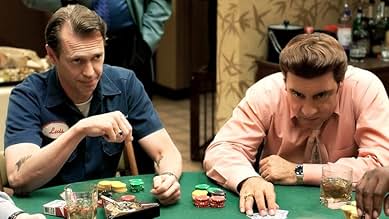


Dominic Chianese
- Junior Soprano
- (solo nei titoli)


Jamie-Lynn Sigler
- Meadow Soprano
- (as Jamie-Lynn DiScala)


Aida Turturro
- Janice Soprano
- (solo nei titoli)


8,58K
1
2
3
4
5
6
7
8
9
10
Recensioni in evidenza
Learning disabled
Carmela struggles with AJ's behaviour, whilst Tony sees alarming signs in Feech's attitude.
This is a very strong episode with great character development and cinematic moments.
It has a realistic depiction of the problems that come with a separated family and a teenager. Carmela is compellingly portrayed during the scenes with AJ, Tony and AJ's guidance counsellor. I love her observation of Tony's lack of genuine friends and the final scene with the flashback and empty house is excellent. James Gandolfini and Edie Falco are the standout performers in the episode for me.
The situation with Feech is cleverly written, as it has lots of strong build-up and interactions between Feech and Tony before resolving in a quite unexpected way. Robert Loggia also has a great episode and has been a good addition to the show.
A big Sopranos theme of the "regularness of life" underpins many scenes in this episode. Plus there are lots of cultural references that link well to the plot and characters.
This is a very strong episode with great character development and cinematic moments.
It has a realistic depiction of the problems that come with a separated family and a teenager. Carmela is compellingly portrayed during the scenes with AJ, Tony and AJ's guidance counsellor. I love her observation of Tony's lack of genuine friends and the final scene with the flashback and empty house is excellent. James Gandolfini and Edie Falco are the standout performers in the episode for me.
The situation with Feech is cleverly written, as it has lots of strong build-up and interactions between Feech and Tony before resolving in a quite unexpected way. Robert Loggia also has a great episode and has been a good addition to the show.
A big Sopranos theme of the "regularness of life" underpins many scenes in this episode. Plus there are lots of cultural references that link well to the plot and characters.
Wow. It's what Sopranos is All About
This episode is one of my favorite for many reasons, but the main one is the acting. You could see the pain in Carmela's eyes. Damn, parenting must be so difficult
Edit 2025: Now I'm a parent and yes it is so difficult. Haha.
Edit 2025: Now I'm a parent and yes it is so difficult. Haha.
Rebel Without a Cause
This episode of The Sopranos delves deeply into the complexities of Tony Soprano's family dynamics, with a particular focus on how he manages the rebelliousness of his teenage son, Anthony Jr. The struggle of parenting a teenager is a relatable theme for many viewers, but the dichotomy between Tony and Carmela's approaches adds depth. Tony appears more indulgent and understanding of his son's behavior, while Carmela, still grappling with the separation she initiated, takes a stricter stance. Her feelings of frustration and helplessness stem not only from the marital rift but also from a looming sense of purposelessness as her children approach adulthood.
A particularly intriguing moment is Carmela's meeting with her son's college advisor. His subtle suggestion that she read Madame Bovary is both clever and foreboding, hinting at Carmela's growing dissatisfaction and potential infidelity. This nuanced interaction foreshadows developments that could further strain her already precarious sense of identity.
The acting in this episode is impeccable, with Edie Falco delivering a standout performance as Carmela. Her portrayal of emotional instability is as compelling as it is heartbreaking, offering a layered view of a woman caught between duty and desire. James Gandolfini continues to excel as Tony, especially in scenes where his growing awareness of the emptiness in his relationships is palpable.
The cinematography is strong and consistent with the series' high standards. One notable moment is how Feech views the outside world after a pivotal event (avoiding spoilers here), a scene that creatively underscores the dissonance between his past and the present.
Overall, this episode offers a satisfying shift in focus, emphasizing Tony's family life rather than his criminal dealings. This reprieve from mafia violence allows for a deeper exploration of the characters' personal struggles, giving the audience a chance to connect with the human side of the Soprano family.
One of the most impactful moments comes when Carmela tells Tony, "You have no friends; they all have to kiss your ass because they're scared of you." The subsequent scene, where Tony observes his crew laughing at his trivial jokes, is a powerful and poignant illustration of his growing awareness of the superficiality of his relationships.
This episode balances emotional depth, character development, and subtle storytelling, making it a standout chapter in the series.
A particularly intriguing moment is Carmela's meeting with her son's college advisor. His subtle suggestion that she read Madame Bovary is both clever and foreboding, hinting at Carmela's growing dissatisfaction and potential infidelity. This nuanced interaction foreshadows developments that could further strain her already precarious sense of identity.
The acting in this episode is impeccable, with Edie Falco delivering a standout performance as Carmela. Her portrayal of emotional instability is as compelling as it is heartbreaking, offering a layered view of a woman caught between duty and desire. James Gandolfini continues to excel as Tony, especially in scenes where his growing awareness of the emptiness in his relationships is palpable.
The cinematography is strong and consistent with the series' high standards. One notable moment is how Feech views the outside world after a pivotal event (avoiding spoilers here), a scene that creatively underscores the dissonance between his past and the present.
Overall, this episode offers a satisfying shift in focus, emphasizing Tony's family life rather than his criminal dealings. This reprieve from mafia violence allows for a deeper exploration of the characters' personal struggles, giving the audience a chance to connect with the human side of the Soprano family.
One of the most impactful moments comes when Carmela tells Tony, "You have no friends; they all have to kiss your ass because they're scared of you." The subsequent scene, where Tony observes his crew laughing at his trivial jokes, is a powerful and poignant illustration of his growing awareness of the superficiality of his relationships.
This episode balances emotional depth, character development, and subtle storytelling, making it a standout chapter in the series.
10aabotaml
mother!
The struggle that carmela is going throw is so painful she gives her children everything but they return nothing to her
The episode keenly focuses on the evolving dynamics within the Soprano household, particularly the tensions between Tony, Carmela, and their children
"All Happy Families," the fourth episode of The Sopranos Season 5, directed by Rodrigo García and written by Toni Kalem, is a compelling blend of family drama and mafia intrigue, richly exploring dysfunction, emotional fragility, and moral ambiguity. The episode's title, drawn from the famous opening line of Tolstoy's Anna Karenina, sets the thematic tone, highlighting the uniqueness and complexity of the Sopranos' fractured family life amidst organized crime pressures.
The episode keenly focuses on the evolving dynamics within the Soprano household, particularly the tensions between Tony, Carmela, and their children. Carmela's frustration grows as she struggles to manage AJ's increasingly reckless behavior, culminating in a tense confrontation where she sends him to live with Tony. AJ's rebellion-underscored by his substance abuse and defiant attitude-embodies the chaos and disintegration simmering beneath the surface. Meadow's burgeoning independence and romantic life are also addressed, adding layers of generational conflict and the pressures of growing up in a morally complex environment.
Parallel to the family narrative, the episode presents challenges within the mafia world. Feech La Manna's return injects volatility as he disrupts Tony's crew through audacious carjackings at a wedding, straining alliances and prompting a cautionary meeting of mob leaders. Feech's antics, though often comic, underscore the fragile nature of respect and power within the criminal organization. The escalating tension between Tony and Feech reflects broader themes of authority, legacy, and generational change.
Rodrigo García's direction balances these disparate threads with finesse, employing a grounded and intimate visual style. Lighting and framing emphasize the emotional weight of family conflicts while highlighting the menacing undercurrents in mafia dealings. The pacing alternates between brisk, tense action and quieter, reflective moments, allowing the narrative's emotional and thematic complexity to unfold organically.
The cinematography favors naturalistic colors and textures, evoking the contrasts between domestic spaces and the criminal underworld. Editing smartly interweaves the personal and business narratives, maintaining clarity while amplifying dramatic tension. Sound design and soundtrack choices effectively emphasize mood shifts and character emotions.
Performances in "All Happy Families" are notable, with Edie Falco's Carmela capturing the strain and resilience of a woman caught between loyalty and selfhood. James Gandolfini's Tony exhibits a layered blend of fatherly concern and unforgiving mob boss, while Robert Funaro's Feech infuses chaotic energy and menace. The supporting cast deepens the story's texture, portraying a family and crew unraveling under pressures both internal and external.
Thematically, the episode explores the paradoxes of family loyalty and dysfunction, highlighting how love, resentment, and obligation intertwine in painful and often destructive ways. It delves into the complexities of authority and respect within family and mafia hierarchies, revealing the fragility beneath appearances of control. The episode also tackles themes of youth alienation and the cyclical nature of chaos within families marked by violence and secrecy.
"All Happy Families" continues The Sopranos' incisive critique of Italian-American identity and the costs of maintaining traditional codes in a changing social landscape. It offers a potent commentary on American family life, masculinity, and the intersection of public and private crises.
While the episode's blend of domestic drama and organized crime might seem fragmented, its emotional honesty and narrative depth provide a cohesive and richly layered experience. Its humor amid dysfunction underscores the series' unique tonal balance.
"All Happy Families" is a sharply observed, emotionally complex episode that integrates intimate family struggles with mafia power dynamics. Rodrigo García's nuanced direction, strong performances, and incisive writing deliver a poignant exploration of loyalty, rebellion, and identity.
The episode keenly focuses on the evolving dynamics within the Soprano household, particularly the tensions between Tony, Carmela, and their children. Carmela's frustration grows as she struggles to manage AJ's increasingly reckless behavior, culminating in a tense confrontation where she sends him to live with Tony. AJ's rebellion-underscored by his substance abuse and defiant attitude-embodies the chaos and disintegration simmering beneath the surface. Meadow's burgeoning independence and romantic life are also addressed, adding layers of generational conflict and the pressures of growing up in a morally complex environment.
Parallel to the family narrative, the episode presents challenges within the mafia world. Feech La Manna's return injects volatility as he disrupts Tony's crew through audacious carjackings at a wedding, straining alliances and prompting a cautionary meeting of mob leaders. Feech's antics, though often comic, underscore the fragile nature of respect and power within the criminal organization. The escalating tension between Tony and Feech reflects broader themes of authority, legacy, and generational change.
Rodrigo García's direction balances these disparate threads with finesse, employing a grounded and intimate visual style. Lighting and framing emphasize the emotional weight of family conflicts while highlighting the menacing undercurrents in mafia dealings. The pacing alternates between brisk, tense action and quieter, reflective moments, allowing the narrative's emotional and thematic complexity to unfold organically.
The cinematography favors naturalistic colors and textures, evoking the contrasts between domestic spaces and the criminal underworld. Editing smartly interweaves the personal and business narratives, maintaining clarity while amplifying dramatic tension. Sound design and soundtrack choices effectively emphasize mood shifts and character emotions.
Performances in "All Happy Families" are notable, with Edie Falco's Carmela capturing the strain and resilience of a woman caught between loyalty and selfhood. James Gandolfini's Tony exhibits a layered blend of fatherly concern and unforgiving mob boss, while Robert Funaro's Feech infuses chaotic energy and menace. The supporting cast deepens the story's texture, portraying a family and crew unraveling under pressures both internal and external.
Thematically, the episode explores the paradoxes of family loyalty and dysfunction, highlighting how love, resentment, and obligation intertwine in painful and often destructive ways. It delves into the complexities of authority and respect within family and mafia hierarchies, revealing the fragility beneath appearances of control. The episode also tackles themes of youth alienation and the cyclical nature of chaos within families marked by violence and secrecy.
"All Happy Families" continues The Sopranos' incisive critique of Italian-American identity and the costs of maintaining traditional codes in a changing social landscape. It offers a potent commentary on American family life, masculinity, and the intersection of public and private crises.
While the episode's blend of domestic drama and organized crime might seem fragmented, its emotional honesty and narrative depth provide a cohesive and richly layered experience. Its humor amid dysfunction underscores the series' unique tonal balance.
"All Happy Families" is a sharply observed, emotionally complex episode that integrates intimate family struggles with mafia power dynamics. Rodrigo García's nuanced direction, strong performances, and incisive writing deliver a poignant exploration of loyalty, rebellion, and identity.


Lo sapevi?
- QuizWriter Toni Kalem also played Angie Bonpensiero in 12 episodes and served as a story editor on the show.
- BlooperA.J. is in Mr. Wegler's office. When he gets up from his seat, he is wearing khaki pants, but when it cuts to a shot of him leaving the office, he is wearing dark pants.
- Citazioni
Supervisor Jimmy Curran: Is that your garage?
Feech La Manna: Nah. It's where I make my weapons of mass destruction.
- ConnessioniFeatured in The 56th Annual Primetime Emmy Awards (2004)
I più visti
Accedi per valutare e creare un elenco di titoli salvati per ottenere consigli personalizzati
Dettagli
- Data di uscita
- Paese di origine
- Sito ufficiale
- Lingua
- Luoghi delle riprese
- Montclair High School - 100 Chestnut Street, Montclair, New Jersey, Stati Uniti(Montclair High School)
- Aziende produttrici
- Vedi altri crediti dell’azienda su IMDbPro
- Tempo di esecuzione
- 53min
- Colore
- Mix di suoni
- Proporzioni
- 1.78 : 1
Contribuisci a questa pagina
Suggerisci una modifica o aggiungi i contenuti mancanti