AVALIAÇÃO DA IMDb
5,4/10
620
SUA AVALIAÇÃO

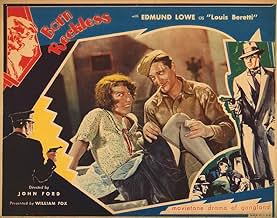
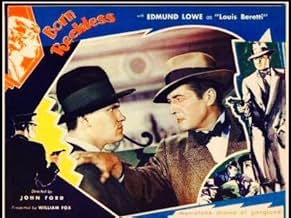
Adicionar um enredo no seu idiomaHoping to use the publicity to get re-elected, a judge sentences a notorious gangster to fight in the war.Hoping to use the publicity to get re-elected, a judge sentences a notorious gangster to fight in the war.Hoping to use the publicity to get re-elected, a judge sentences a notorious gangster to fight in the war.
- Direção
- Roteiristas
- Estrelas


- Direção
- Roteiristas
- Elenco e equipe completos
- Produção, bilheteria e muito mais no IMDbPro
5,4620
1
2
3
4
5
6
7
8
9
10
Avaliações em destaque
A John Ford Production, wrecked by Andrew Bennison...
With such fluid epics as "The Iron Horse" (1924), "Lightnin'" (1925), "Hangman's House" and "Four Sons" (both 1928) in his resume, it is surprising that Fox would encumber Ford with a dialogue director over and over, but Fox did. In '29's "The Black Watch" it was Lumsden Hare. Andrew Bennison is credited with the stage direction of "Men Without Women" released January 1930. Judging from the result Bennison achieved in "Born Reckless" (released in May 1930), I'm astonished anyone would have given him a second chance.
The photoplay opens with a traveling camera shot of a parade. The camera prowls into a jewelry store where a heist is in progress. Outside, the cops "get wise" when a stolen truck is discovered. An exiting shootout and chase ensues, with our hero, Louis Berretti, gaining refuge at his parents' apartment. Then Bennison's stuff takes over. Well, molasses in Anchorage moves better and the pace of the film congeals. Berretti faces justice (eventually) and is "sentenced" to join the war effort overseas. John Ford stages some excellent sequences here, with Berretti's approbatory service delivering him home a hero. He opens a nightclub which, unfortunately, keeps Berretti rubbing elbows with his old mob and allows plenty scenes filled with Bennison-helmed hubris. The dialogue is not only awkward with head-shaking gaps, but has characters with names like Big Shot putting people "on the spot" [murdered].
Audiences of 1930 could not fast forward but you can and should. Edmund Lowe's performance is nothing like the smooth "Chandu" of a year later and probably should be skipped over to view Ford's impressive set pieces. The swamp at the picture's conclusion cribs Fox's "Sunrise" but remains impressive for an early talkie. I gave it a 7 for Ford's contributions. On the whole, though, this is the kind of film that gave early TV viewers a bad taste for early talkies. Viewers beware.
The photoplay opens with a traveling camera shot of a parade. The camera prowls into a jewelry store where a heist is in progress. Outside, the cops "get wise" when a stolen truck is discovered. An exiting shootout and chase ensues, with our hero, Louis Berretti, gaining refuge at his parents' apartment. Then Bennison's stuff takes over. Well, molasses in Anchorage moves better and the pace of the film congeals. Berretti faces justice (eventually) and is "sentenced" to join the war effort overseas. John Ford stages some excellent sequences here, with Berretti's approbatory service delivering him home a hero. He opens a nightclub which, unfortunately, keeps Berretti rubbing elbows with his old mob and allows plenty scenes filled with Bennison-helmed hubris. The dialogue is not only awkward with head-shaking gaps, but has characters with names like Big Shot putting people "on the spot" [murdered].
Audiences of 1930 could not fast forward but you can and should. Edmund Lowe's performance is nothing like the smooth "Chandu" of a year later and probably should be skipped over to view Ford's impressive set pieces. The swamp at the picture's conclusion cribs Fox's "Sunrise" but remains impressive for an early talkie. I gave it a 7 for Ford's contributions. On the whole, though, this is the kind of film that gave early TV viewers a bad taste for early talkies. Viewers beware.
Look for the ultimately biggest star ... as uncredited extra
"Born Reckless" did not strike me as an appropriate title, but the original title of the story from which this movie came was simply "Louis Beretti," even more meaningless.
"Born Reckless" starts right out with action and even gunshots, but moves rather slowly throughout. But remember, this is an early sound picture, and in that context, it is very well done.
Locations range from New York to the World War I battlefield of France and back, from urban New York to the countryside, and the look we get of the era makes "Born Reckless" valuable, if not an entirely entertaining motion picture.
It has an excellent cast, with Edmund Lowe the star. He was a good actor but is little known today.
However if you look carefully, you will see the biggest star of all time ... but you have to look VERY carefully. In fact, I never did see John Wayne, although he is listed in the "uncredited" cast here at IMDb.
Quite visible, although also uncredited, is the great Randolph Scott. Also visible is the great Ward Bond, who is given billing but is on-screen in about two scenes.
Known well to John Ford aficionados is Jack Pennick, quite visible also, and whose presence always added so much. Another future cowboy star I didn't see is Bill Elliott, uncredited.
Playing the sister of the Lowe character is Marguerite Churchill, who had a couple years before co-starred with John Wayne in "The Big Trail," and it must have been interesting to be on this set with him as an unbilled extra.
Lowe's character is not especially likable, and probably the most likable character is the newspaper guy, played by Lee Tracy.
The cast alone makes "Born Reckless" very worth watching, even though the story is not very pleasant. It is, though, an interesting look at the World War I and Prohibition era America which, added to the cast, should entice you into watching.
I do recommend it, having watched it On Demand from Time Warner Cable. There is a trailer for it at YouTube.
"Born Reckless" starts right out with action and even gunshots, but moves rather slowly throughout. But remember, this is an early sound picture, and in that context, it is very well done.
Locations range from New York to the World War I battlefield of France and back, from urban New York to the countryside, and the look we get of the era makes "Born Reckless" valuable, if not an entirely entertaining motion picture.
It has an excellent cast, with Edmund Lowe the star. He was a good actor but is little known today.
However if you look carefully, you will see the biggest star of all time ... but you have to look VERY carefully. In fact, I never did see John Wayne, although he is listed in the "uncredited" cast here at IMDb.
Quite visible, although also uncredited, is the great Randolph Scott. Also visible is the great Ward Bond, who is given billing but is on-screen in about two scenes.
Known well to John Ford aficionados is Jack Pennick, quite visible also, and whose presence always added so much. Another future cowboy star I didn't see is Bill Elliott, uncredited.
Playing the sister of the Lowe character is Marguerite Churchill, who had a couple years before co-starred with John Wayne in "The Big Trail," and it must have been interesting to be on this set with him as an unbilled extra.
Lowe's character is not especially likable, and probably the most likable character is the newspaper guy, played by Lee Tracy.
The cast alone makes "Born Reckless" very worth watching, even though the story is not very pleasant. It is, though, an interesting look at the World War I and Prohibition era America which, added to the cast, should entice you into watching.
I do recommend it, having watched it On Demand from Time Warner Cable. There is a trailer for it at YouTube.
Born Reckless best aborted.
John Ford continues to be flummoxed by early sound while Edmund Lowe is a sorry case for an Italian in this hackneyed mobster pic. Spitting one tough guy cliche after the next it fails to even approach the onslaught of classic gangster films (Little Caeser, Public Enemy, Scarface) with more convincing leads that would follow over the next year.
Louis Berretti (Lowe) is about to get sent up the river when a judge gives him an option to go to war instead, which he accepts. Upon return he goes straight and opens a club but his loyalty to his old pals remains and a spat between factions threatens to ruin his future.
As in his previous Black Watch, Ford seems confounded at getting anything but stilted performances out of his actors. The wooden Lowe is dreadfully miscast, looking more upscale financier than slum grown with the rest of the characters outside of a buoyant Lee Tracy not worth mentioning for their own good.
There are some tense moments and limp attempts at humor but Ford's ham fisted direction squanders them in this flaccid gangster pic devoid of the violent passion that would infuse the aforementioned films waiting in the wings.
Louis Berretti (Lowe) is about to get sent up the river when a judge gives him an option to go to war instead, which he accepts. Upon return he goes straight and opens a club but his loyalty to his old pals remains and a spat between factions threatens to ruin his future.
As in his previous Black Watch, Ford seems confounded at getting anything but stilted performances out of his actors. The wooden Lowe is dreadfully miscast, looking more upscale financier than slum grown with the rest of the characters outside of a buoyant Lee Tracy not worth mentioning for their own good.
There are some tense moments and limp attempts at humor but Ford's ham fisted direction squanders them in this flaccid gangster pic devoid of the violent passion that would infuse the aforementioned films waiting in the wings.
Not terribly sophisticated, but rather fun to watch
It's a gangster movie with a comic twist set from World War I to ca. 1922. It's one of Ford's earliest sound films.
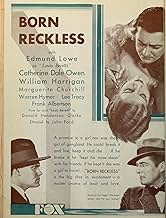
Louis Beretti (Edmund Lowe) is a hoodlum in a gang run by Big Shot (Warren Hymer), an old friend of Louis's. The movie starts with Louis in a failed jewelry robbery. Then we meet his buddies and his family. Ma Beretti (Ferike Boros) and Pa Beretti (Paul Porcasi) are stereotypical Italians who ignore the reality of what Louis and his friends do. When Louis is caught, the police chief, a candidate for a judgeship, lets Louis go into the army instead.
Frank Sheldon (Frank Albertson) is an army buddy from a wealthy family. Louis is attracted to Frank's sister, Joan (Catherine Dale Owen), but she is already engaged to someone else. Frank dies in the war, but Louis maintains a friendship with Joan.
After the war, Louis operates a speakeasy that sells a lot of smuggled booze (Prohibition began in 1920). Many of Big Shot's gang hang out there, as does an old newspaper friend, Good News Brophy (William Harrigan).
When Joan's baby is kidnapped, she turns to Louis for help, and he must decide how to confront the men he believes carried out the crime.
This is not a terribly sophisticated movie, but it was rather fun to watch. The humor and wordplay in the film's first half were uncommon for this kind of movie. Also, the ending is appropriately ambiguous. Apparently, one of the soldiers in the army sequences was an uncredited John Wayne, but I didn't notice him.
Louis Beretti (Edmund Lowe) is a hoodlum in a gang run by Big Shot (Warren Hymer), an old friend of Louis's. The movie starts with Louis in a failed jewelry robbery. Then we meet his buddies and his family. Ma Beretti (Ferike Boros) and Pa Beretti (Paul Porcasi) are stereotypical Italians who ignore the reality of what Louis and his friends do. When Louis is caught, the police chief, a candidate for a judgeship, lets Louis go into the army instead.
Frank Sheldon (Frank Albertson) is an army buddy from a wealthy family. Louis is attracted to Frank's sister, Joan (Catherine Dale Owen), but she is already engaged to someone else. Frank dies in the war, but Louis maintains a friendship with Joan.
After the war, Louis operates a speakeasy that sells a lot of smuggled booze (Prohibition began in 1920). Many of Big Shot's gang hang out there, as does an old newspaper friend, Good News Brophy (William Harrigan).
When Joan's baby is kidnapped, she turns to Louis for help, and he must decide how to confront the men he believes carried out the crime.
This is not a terribly sophisticated movie, but it was rather fun to watch. The humor and wordplay in the film's first half were uncommon for this kind of movie. Also, the ending is appropriately ambiguous. Apparently, one of the soldiers in the army sequences was an uncredited John Wayne, but I didn't notice him.
Early John Ford Talkie
In his long career John Ford shared directorial credit in two other films, Mister Roberts and Young Cassidy. Both were considerably better than Born Reckless. Someone named Andrew Bennison who was mostly a screenwriter was the co-director, presumably to help Ford over the bumps of the new sound media.
I saw and reviewed Ford's film, The Black Watch some months ago and he could have used the help. By the time Arrowsmith and Up The River were in theaters, I think John Ford was used to the sound media.
Except for The Whole Town's Talking possibly, I'm not sure if John Ford ever directed anything else that could remotely be called a gangster film. Our hero protagonist here is Edmund Lowe who after being caught along with some other of his friends in a jewelry heist is given the choice by a district attorney to enlist in the army or stand trial. He and his friends are local heroes in their neighborhood and the District Attorney is running for judge. Lowe and company take the offer.
By the way, Roy Stewart as the DA is another type that Ford would use over and over in films, the self satisfied bloviating blowhard who was usually in a position of great responsibility and often misused it. Coming to mind immediately with Stewart as the DA is banker Gatewood in Stagecoach who was so memorably played by Berton Churchill.
The story than goes to very familiar ground for Ford in the military. This is the best part of the film by far and absolutely pure John Ford. All the rough house style comedy that you saw in his later military setting pictures is right here. You'll see Ford regulars Jack Pennick and Ward Bond here.
Back in civilian Lowe sets himself if not as an outright gangster, he becomes a club owner, aka runs a speakeasy which is not quite condoned by polite society. Ford has a great old time ribbing Prohibition, still in affect in 1930. On a more serious note like Al Pacino, his friends are determined to drag him right back in again.
The version I saw of Born Reckless had some footage left out which left some holes in the film so part of its problems come from that. The rest might very well be the result of Ford being forced to share director credit with someone not anywhere close to his talents. It's not a bad film, but not real worthy of what we would expect from John Ford.
I saw and reviewed Ford's film, The Black Watch some months ago and he could have used the help. By the time Arrowsmith and Up The River were in theaters, I think John Ford was used to the sound media.
Except for The Whole Town's Talking possibly, I'm not sure if John Ford ever directed anything else that could remotely be called a gangster film. Our hero protagonist here is Edmund Lowe who after being caught along with some other of his friends in a jewelry heist is given the choice by a district attorney to enlist in the army or stand trial. He and his friends are local heroes in their neighborhood and the District Attorney is running for judge. Lowe and company take the offer.
By the way, Roy Stewart as the DA is another type that Ford would use over and over in films, the self satisfied bloviating blowhard who was usually in a position of great responsibility and often misused it. Coming to mind immediately with Stewart as the DA is banker Gatewood in Stagecoach who was so memorably played by Berton Churchill.
The story than goes to very familiar ground for Ford in the military. This is the best part of the film by far and absolutely pure John Ford. All the rough house style comedy that you saw in his later military setting pictures is right here. You'll see Ford regulars Jack Pennick and Ward Bond here.
Back in civilian Lowe sets himself if not as an outright gangster, he becomes a club owner, aka runs a speakeasy which is not quite condoned by polite society. Ford has a great old time ribbing Prohibition, still in affect in 1930. On a more serious note like Al Pacino, his friends are determined to drag him right back in again.
The version I saw of Born Reckless had some footage left out which left some holes in the film so part of its problems come from that. The rest might very well be the result of Ford being forced to share director credit with someone not anywhere close to his talents. It's not a bad film, but not real worthy of what we would expect from John Ford.


Você sabia?
- CuriosidadesAt about 40 and 44 min Randolph Scott has a bit part (as Dick Milburn).
- Erros de gravaçãoWhen the recruits are in line being looked over by the Sergeant, a General arrives and talks to Frank (who is line next to Louis). Louis then interrupts and says to the General "Hey Doc, gotta match?" The General gives Louis a dirty look BUT complies by lighting his cigarette. To ask a General for a match and to address him as such would NEVER have been tolerated. INSTEAD the Sergeant would have shouted at Louis to shut up and NEVER address an officer, particularly a General, without first being addressed himself. He would then have gone on report and would have ended up digging latrines or peeling potatoes for the next month. HOWEVER this infraction was just the beginning. Frank then introduces his uncle (who was there accompanying the General) to Louis and the General retreats into the background while Louis and Uncle Jim exchange pleasantries. Again, this sort of thing would NEVER have been tolerated by either the General or the Sergeant. Shouting would have ensued, Louis compelled back into line. BUT then this outrageous scene gets even worse. The General comes back to the forefront as Frank introduces Louis to his sister (who was there accompanying her uncle). Louis then says to the General "Pardon me Doc" puts his hand on the General's arm and brushes him aside. The General gives a stunned look at Louis, BUT says or does NOTHING. This whole situation would and could NEVER have happened. And it would NEVER have been allowed progress to the point that this recruit would have put his hand on a flag officer. Any and all such infractions would have been dealt with then and there, least anyone else present take on such airs.
- Citações
Louis Beretti: Say, this room ain't big enough for both of us. This town ain't big enough. If you ever bump into me, you better see me first, you dirty, sneaking rat!
- Trilhas sonorasOver There
Composed by George M. Cohan
Principais escolhas
Faça login para avaliar e ver a lista de recomendações personalizadas
Detalhes
- Tempo de duração
- 1 h 22 min(82 min)
- Cor
- Proporção
- 1.20 : 1
Contribua para esta página
Sugerir uma alteração ou adicionar conteúdo ausente