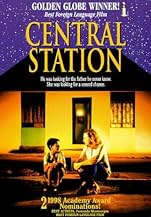
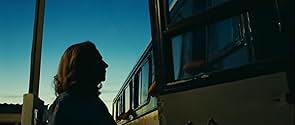
Uma jornada emocionante de uma ex-professora que escreve cartas para pessoas analfabetas e um menino cuja mãe acabou de morrer, em busca do pai que ele nunca conheceu.Uma jornada emocionante de uma ex-professora que escreve cartas para pessoas analfabetas e um menino cuja mãe acabou de morrer, em busca do pai que ele nunca conheceu.Uma jornada emocionante de uma ex-professora que escreve cartas para pessoas analfabetas e um menino cuja mãe acabou de morrer, em busca do pai que ele nunca conheceu.
- Direção
- Roteiristas
- Estrelas
- Indicado a 2 Oscars
- 44 vitórias e 26 indicações no total
- Direção
- Roteiristas
- Elenco e equipe completos
- Produção, bilheteria e muito mais no IMDbPro
8,049.4K
1
2
3
4
5
6
7
8
9
10
Avaliações em destaque
Amazing movie
Central do Brasil has everything. You come expecting a story of a woman who takes care of a child in a harsh social milieu. You sit in disbelief as this woman shows herself to be a heartless opportunist, and as your expectations are being confounded, you begin to realize how this villainess came to be such a person. The boy she begins to help is also no innocent movie cherub, he has an endearing slyness and a will to survive despite the horrible tragedy he has experienced.
Their road trip is an odyssey from bad to worse, and you begin to sympathize. The characters they meet and the landscape they traverse give us in the north a flavor of Brazil which I cannot confirm as being authentic. But they seem as complex and beautiful and full of contradiction as the Brazilian music that I love. And the final destination for the boy (you're on the edge of your seat hoping things will turn out right) is not a happily-ever-after, but seems to indicate a new direction for the character.
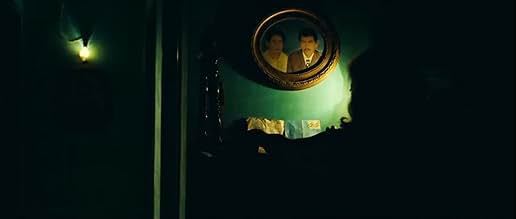
If I sound overly sentimental (I'm sure I do) it's because very few films have moved me like this one. I watched it through three times and cried at the scene of Dora on the bus every time. The use of religious imagery, from the modern evangelicalism of the truck driver to the more unfamiliar scenes with the pictures of the saints (incredible camerawork here) added dimensions of complexity in a medium where Christianity is often treated either in a saccharine fashion or with heavyhanded disdain. See Central Station.
Their road trip is an odyssey from bad to worse, and you begin to sympathize. The characters they meet and the landscape they traverse give us in the north a flavor of Brazil which I cannot confirm as being authentic. But they seem as complex and beautiful and full of contradiction as the Brazilian music that I love. And the final destination for the boy (you're on the edge of your seat hoping things will turn out right) is not a happily-ever-after, but seems to indicate a new direction for the character.
If I sound overly sentimental (I'm sure I do) it's because very few films have moved me like this one. I watched it through three times and cried at the scene of Dora on the bus every time. The use of religious imagery, from the modern evangelicalism of the truck driver to the more unfamiliar scenes with the pictures of the saints (incredible camerawork here) added dimensions of complexity in a medium where Christianity is often treated either in a saccharine fashion or with heavyhanded disdain. See Central Station.
rehashed storyline creatively told
In reality, there are a finite amount of interesting story lines to tell. What makes one movie telling the same storyline more worthwhile to see is a combination of creative expression, in depth character development, superb acting, exquisite photography, and believability, or the ability to persuade the moviegoer to suspend disbelief.
How many times have we been exposed to a retelling of Shirley Temple's Heidi, where a young non-related child falls into the life of an old curmudgeon, and teaches that curmudgeon to enjoy life and/or develop morals and values? Too many times for me, so I was reluctant to see this film. It would have been a shame had I not.
There are many creative twists and turns along the way to keep the suspense level up in this film. The photography in Rio is OK, but once out in the Brazilian countryside, it is fantastic. At the end of the film, there is little doubt but that the way this story turns out is how it would have had to turn out. The character development of Josue is a little weak, but that of Dora is superb. And you will see a lot of films before you will see an acting performance like Fernanda Montenegro's as Dora again.
This movie thankfully is not overly sentimental, that would get in the way of the story, it is just a great film to watch and enjoy. 9 of 10.
How many times have we been exposed to a retelling of Shirley Temple's Heidi, where a young non-related child falls into the life of an old curmudgeon, and teaches that curmudgeon to enjoy life and/or develop morals and values? Too many times for me, so I was reluctant to see this film. It would have been a shame had I not.
There are many creative twists and turns along the way to keep the suspense level up in this film. The photography in Rio is OK, but once out in the Brazilian countryside, it is fantastic. At the end of the film, there is little doubt but that the way this story turns out is how it would have had to turn out. The character development of Josue is a little weak, but that of Dora is superb. And you will see a lot of films before you will see an acting performance like Fernanda Montenegro's as Dora again.
This movie thankfully is not overly sentimental, that would get in the way of the story, it is just a great film to watch and enjoy. 9 of 10.
10jotix100
On the road
This film, which we watched at the Vancouver Film Festival years ago, turned up the other night on cable. On second viewing, the film still packs quite an impact, as it still feels real. The work of Walter Salles and Fernanda Montenegro was amazing then, and still is now.
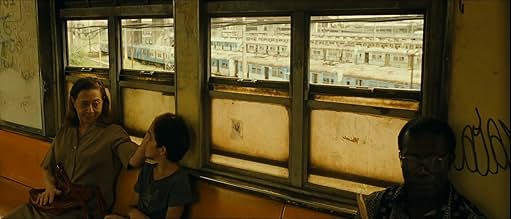
This is the story about a cynic and jaded woman who resorts to do menial work and who is a small con artist herself. Dora has seen better days. She is retired now, but in order to make ends meet, she sets a letter writing desk at Rio's train station where she writes letters dictated to her by the illiterate and eager people who can't do the job as they want to communicate with distant family and friends through Dona Dora. In many cases, as it's the case with the letter she has written for Ana, she has no intention of ever sending those missives dictated to her by the unsuspecting people.
Josue, the small boy, who witness the death of his mother, is wiser for his younger years than one might suspect. He sees right through Dora as a charlatan and a con woman. When Dora takes the boy home, she has no intentions of ever helping him much more than a few days. Later, upon learning about the adoption agency, she sells the boy to the unscrupulous people involved in the traffic of children for a thousand dollars without any problems. It's only when her friend Irene tells her the fate that Josue will encounter, that Dora leaps into action.
Since she can't stay home without having to return her money, she takes Josue on the road. This odd couple begins the journey as complete strangers, but this voyage will make them appreciate one another and even move Dora into becoming a better woman for having the courage to do the right thing. Josue also realizes that Dora, in her own way, has been, for however short, the mother he lost in the tragic accident.
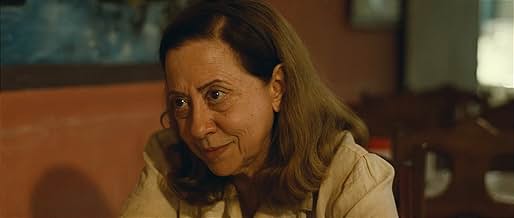
Fernanda Montenegro, perhaps Brazil's best actress, is amazing as Dona Dora. She is the whole reason for seeing the movie. Her Dora is one of the best creations in her film career. This intense performer shows an actress who fully understand who Dora is and the way she would behave in the situation. Young Vinicius Oliveira is a sweet Josue, and Marilia Pera, is the kind Irene, who makes Dora see the monstrosity of what she was about to do.
The music by Jacques Morelembaum and Antonio Pinto is an asset, as it adds an atmosphere to the long journey of Dora and Josue. The interesting cinematography by Walter Carvalho, shows the immensity of Brazil's interior as the odd couple go to find the little boy's father.
This film is a triumph for both Walter Salles and Fernanda Montenegro.
This is the story about a cynic and jaded woman who resorts to do menial work and who is a small con artist herself. Dora has seen better days. She is retired now, but in order to make ends meet, she sets a letter writing desk at Rio's train station where she writes letters dictated to her by the illiterate and eager people who can't do the job as they want to communicate with distant family and friends through Dona Dora. In many cases, as it's the case with the letter she has written for Ana, she has no intention of ever sending those missives dictated to her by the unsuspecting people.
Josue, the small boy, who witness the death of his mother, is wiser for his younger years than one might suspect. He sees right through Dora as a charlatan and a con woman. When Dora takes the boy home, she has no intentions of ever helping him much more than a few days. Later, upon learning about the adoption agency, she sells the boy to the unscrupulous people involved in the traffic of children for a thousand dollars without any problems. It's only when her friend Irene tells her the fate that Josue will encounter, that Dora leaps into action.
Since she can't stay home without having to return her money, she takes Josue on the road. This odd couple begins the journey as complete strangers, but this voyage will make them appreciate one another and even move Dora into becoming a better woman for having the courage to do the right thing. Josue also realizes that Dora, in her own way, has been, for however short, the mother he lost in the tragic accident.
Fernanda Montenegro, perhaps Brazil's best actress, is amazing as Dona Dora. She is the whole reason for seeing the movie. Her Dora is one of the best creations in her film career. This intense performer shows an actress who fully understand who Dora is and the way she would behave in the situation. Young Vinicius Oliveira is a sweet Josue, and Marilia Pera, is the kind Irene, who makes Dora see the monstrosity of what she was about to do.
The music by Jacques Morelembaum and Antonio Pinto is an asset, as it adds an atmosphere to the long journey of Dora and Josue. The interesting cinematography by Walter Carvalho, shows the immensity of Brazil's interior as the odd couple go to find the little boy's father.
This film is a triumph for both Walter Salles and Fernanda Montenegro.
There are movies and there are MOVIES!!
I was surprised when I first saw Central do Brasil. First, because, living in Brasil, I have had the chance to see the rise and fall of our movie production. Suddenly, a powerful cinematographic milestone comes as a delightful surprise to movie lovers down here. A few things must be said: it's pretty obvious that Central do Brasil is too much of a real and daring movie for the Academy. It's almost a relief that it didn't get any Oscars, but was praised all over the world, winning more than 50 ( !!!) prizes in Europe, Asia and Americas. For those who find it boring, it's time to reavaluate your concepts on what good cinema is. Stop seeing The Patriots and Independence Days that infect America's so-called Industry, and try to research a little bit more on sense and sensibility!!
Great
Great movie, warm and bittersweet. It somehow reminded me of
My Life as a Dog (1985) because it more or less deals with the
same issues, but we move from the Swedish North to the sunny
Brazilian South. Beautiful colors, great acting--Josue and Dora
make a wonderful pair and they really foil each other out. Almost
starts dragging a little before the end, but it picks up again. I highly
recommend.
My Life as a Dog (1985) because it more or less deals with the
same issues, but we move from the Swedish North to the sunny
Brazilian South. Beautiful colors, great acting--Josue and Dora
make a wonderful pair and they really foil each other out. Almost
starts dragging a little before the end, but it picks up again. I highly
recommend.
Você sabia?
- CuriosidadesVinícius de Oliveira , a shoeshine boy, beat out more than 1,500 other young actors for the role of Josué.
- Erros de gravaçãoWhen Dora gets off the bus leaving Josue behind, she enters a diner, and in the view of the wall off to the side are three stacks of plastic red crates containing empty soda bottles. Following a quick cutaway and return to the same view, there's only one stack of red crates; the others are replaced by two stacks of larger milk-style crates of different colors.
Principais escolhas
Faça login para avaliar e ver a lista de recomendações personalizadas
- How long is Central Station?Fornecido pela Alexa
Detalhes
- Data de lançamento
- Países de origem
- Central de atendimento oficial
- Idioma
- Também conhecido como
- Estación central de Brasil
- Locações de filme
- Empresas de produção
- Consulte mais créditos da empresa na IMDbPro
Bilheteria
- Orçamento
- US$ 2.900.000 (estimativa)
- Faturamento bruto nos EUA e Canadá
- US$ 5.969.553
- Fim de semana de estreia nos EUA e Canadá
- US$ 35.708
- 22 de nov. de 1998
- Faturamento bruto mundial
- US$ 5.999.846
- Tempo de duração
- 1 h 50 min(110 min)
- Cor
- Mixagem de som
- Proporção
- 2.35 : 1
Contribua para esta página
Sugerir uma alteração ou adicionar conteúdo ausente