IMDb RATING
6.9/10
2.5K
YOUR RATING
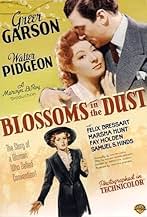
After losing her young son, Edna Gladney opposes the unfair laws discriminating against children whose parents are unknown, and opens an orphanage for those children.After losing her young son, Edna Gladney opposes the unfair laws discriminating against children whose parents are unknown, and opens an orphanage for those children.After losing her young son, Edna Gladney opposes the unfair laws discriminating against children whose parents are unknown, and opens an orphanage for those children.
- Won 1 Oscar
- 3 wins & 4 nominations total
Charles Arnt
- G. Harrington Hedger
- (as Charlie Arnt)
Patricia Barker
- Tony
- (as Pat Barker)
6.92.4K
1
2
3
4
5
6
7
8
9
10
Featured reviews
Wonderful heart warming move, must see!
This is a wonderful, heart warming, fantastic movie to see. Greer Garson is splendid in this movie, and it will really touch your heart. This movie has a special meaning for me, as I was adopted from the famous Edna Gladney Home in Ft. Worth, Texas. Edna Gladney personally handed me to my new adoptive parents. She called them that morning and told them she had the most beautiful baby girl ready for them to bring home. I have watched this movie so many times, and wow, what a movie! Just love Greer Garson, she is a splendid and talented actress. One more note, if it hadn't been for Edna Gladney and her crusade, I most likely would have been an orphan. She did a lot for unwanted babies.
Tearjerker....But An Upbeat Movie
I found this to be a fast-moving, compassionate (supposedly) true-life story of a woman who helped babies get homes to live in while fighting to have the word "illegitimate" stricken from all record books since it was unfairly penalizing the children.
The three lead actors in the film - Greer Garson, Walter Pigeon and Felix Bressart - are all fun to watch. Garson gives a great speech to Congress near the end of the movie. It's also a nice color film, something that wasn't made much in 1941.
Story-wise, the early tragedies are not dwelled on in here. In fact, they come and go quickly and that's nice because it makes this more of an upbeat movie with a positive message. That's the intent, so why dwell on the negatives?
The only negatives, in my opinion were too much usage of the word "darling," to the point where it's annoying, and the last scene is drawn out a bit too much. But, overall, it's a very powerful movie and guaranteed to bring tears to anyone's eyes. It should appeal to most people. I would like to see this put on a DVD.
The three lead actors in the film - Greer Garson, Walter Pigeon and Felix Bressart - are all fun to watch. Garson gives a great speech to Congress near the end of the movie. It's also a nice color film, something that wasn't made much in 1941.
Story-wise, the early tragedies are not dwelled on in here. In fact, they come and go quickly and that's nice because it makes this more of an upbeat movie with a positive message. That's the intent, so why dwell on the negatives?
The only negatives, in my opinion were too much usage of the word "darling," to the point where it's annoying, and the last scene is drawn out a bit too much. But, overall, it's a very powerful movie and guaranteed to bring tears to anyone's eyes. It should appeal to most people. I would like to see this put on a DVD.
Interesting
Much of this movie is fiction, but the fact remains that Edna Gladley was a pioneer in the field of nursery care and adoption and her work to strike the description "illegitimate" from birth certificates as well as insure that these children could inherit from their adoptive parents has changed many lives for the better. Edna was born in Milwaukee; her father died when she was very young; she never had an adopted sister who was herself illegitimate. Because Edna suffered from respiratory disease she was sent to Fort Worth, Texas, when she was seven years old to live with her aunt and uncle. She and her husband Sam were married in Gainseville after which they moved to Wolfe City where they bought a mill to manufacture Gladiola brand flour. They were childless.
Edna began her work in helping impoverished and homeless children soon after moving to Wolfe City where she started a crusade to clean up the county poor farm during which she arranged to have homeless children moved to the Morris Children's Home and Aid Society in Fort Worth. She joined the Society's Board in 1910. She then made trips to settlement houses in Chicago and New York City to study their methods; when she returned she set up a day nursery for working mothers (the movie has her setting up the nursery first when in fact this happened seven or eight years after she became involved in child welfare issues).
As in the movie, Sam's business failed in 1924 whereupon they moved to Fort Worth where Edna continued her work in child welfare. In 1927 she was named superintendent of the Texas Children's Home and Aid Society. Sam died in 1935 after rebuilding his business. Edna spent the rest of her life advocating for children, concentrating on placing homeless and abandoned children with adoptive families. She also expanded the Society to provide health care for unwed mothers and an adoption service for their children. The Society later bought a maternity hospital that it named the Gladney Center.
I loved Greer Garson in this movie, she is strong, brave and gracious. I just wish the director and producers of this movie had used a script that portrayed the real life of Edna Gladney rather than resorting to the fictitious adopted sister who kills herself and inventing a non-existent son who dies in an accident to explain her motives. Edna was her own person who was genuinely involved in her life's work from her early 20s until she died in 1961 -- the movie didn't need these made-up people to explain why she became involved in child welfare issues.
Edna began her work in helping impoverished and homeless children soon after moving to Wolfe City where she started a crusade to clean up the county poor farm during which she arranged to have homeless children moved to the Morris Children's Home and Aid Society in Fort Worth. She joined the Society's Board in 1910. She then made trips to settlement houses in Chicago and New York City to study their methods; when she returned she set up a day nursery for working mothers (the movie has her setting up the nursery first when in fact this happened seven or eight years after she became involved in child welfare issues).
As in the movie, Sam's business failed in 1924 whereupon they moved to Fort Worth where Edna continued her work in child welfare. In 1927 she was named superintendent of the Texas Children's Home and Aid Society. Sam died in 1935 after rebuilding his business. Edna spent the rest of her life advocating for children, concentrating on placing homeless and abandoned children with adoptive families. She also expanded the Society to provide health care for unwed mothers and an adoption service for their children. The Society later bought a maternity hospital that it named the Gladney Center.
I loved Greer Garson in this movie, she is strong, brave and gracious. I just wish the director and producers of this movie had used a script that portrayed the real life of Edna Gladney rather than resorting to the fictitious adopted sister who kills herself and inventing a non-existent son who dies in an accident to explain her motives. Edna was her own person who was genuinely involved in her life's work from her early 20s until she died in 1961 -- the movie didn't need these made-up people to explain why she became involved in child welfare issues.
Greer Garson Saving Children
"Blossoms in the Dust" is a biographical message movie about the plight of illegitimate children in the early 20th century and the stigma they faced from the get go because of the sins of their parents.
This film might as well have been called "The Greer Garson Show," because it is all about her. She plays Edna Gladney, a woman who made a crusade of finding loving adoptive homes for outcasts. She's lovely and committed in the role, and earned a Best Actress Oscar nomination for it. I believe this was the first time she was paired with Walter Pidgeon, and he's pretty good too as a cocky Texan who charms her and then marries her, but he very definitely stands in Garson's shadow for most of the film.
Cedric Gibbons, Urie McCleary, and Edwin B. Willis won the Oscar for their color art direction, and this is one of the rare films from the early days of Technicolor that looks gorgeous rather than garish. The film was also nominated for Best Picture and Best Color Cinematography.
Grade: B+
This film might as well have been called "The Greer Garson Show," because it is all about her. She plays Edna Gladney, a woman who made a crusade of finding loving adoptive homes for outcasts. She's lovely and committed in the role, and earned a Best Actress Oscar nomination for it. I believe this was the first time she was paired with Walter Pidgeon, and he's pretty good too as a cocky Texan who charms her and then marries her, but he very definitely stands in Garson's shadow for most of the film.
Cedric Gibbons, Urie McCleary, and Edwin B. Willis won the Oscar for their color art direction, and this is one of the rare films from the early days of Technicolor that looks gorgeous rather than garish. The film was also nominated for Best Picture and Best Color Cinematography.
Grade: B+
One of the most wonderful movies ever made
"There are no illegitimate children, only illegitimate parents" what a great line. Greer Garson is wonderful in this movie. She really does a great job portraying Edna Gladney. Living in Fort Worth, were Edna Gladney's home is still in operation, and working in the Court house, this movie really made an impact on me. I have seen old adoption records actually signed by Edna Gladney. What a wonderful lady - she changed the world! What a wonderful movie - get it and watch it, you'll love it!
Did you know
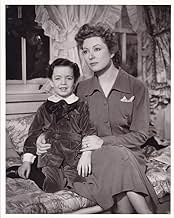
- TriviaThe child who portrayed Tony in the movie was a 4-year-old named Pat Barker. It was only when Pat came to Fort Worth to celebrate the movie's premiere that the world discovered Pat was really Patricia.
- GoofsSam and Edna celebrated their first anniversary in 1907, which means they married in 1906. But early in the film - when both are still single - they danced to "Let Me Call You Sweetheart", which was not published until 1910.
- Crazy creditsOpening credits prologue: This is the story of a great woman, and of the great work she is doing for humanity. Her name is Edna Gladney, and she lives in Fort Worth, Texas. We dedicate this picture to her. Let us first take you back to a certain household in Wisconsin at the beginning of the century -
- ConnectionsFeatured in MGM/UA Home Video Laserdisc Sampler (1990)
- SoundtracksLullaby
(uncredited)
Music and Lyrics by Herbert Stothart and Earl K. Brent
Sung by Nadine Conner and Irene Crane in opening credits
- How long is Blossoms in the Dust?Powered by Alexa
Details
- Release date
- Country of origin
- Language
- Also known as
- De corazón a corazón
- Filming locations
- Production companies
- See more company credits at IMDbPro
- Runtime
- 1h 39m(99 min)
- Aspect ratio
- 1.37 : 1
Contribute to this page
Suggest an edit or add missing content