"The Condemned Woman," the sixteenth episode of Twin Peaks Season Two, directed by Lesli Linka Glatter and co-created by Mark Frost and David Lynch, marks a significant turning point in the series' narrative and thematic development. This episode is widely regarded as a return to form after several uneven installments, regaining the show's characteristic blend of suspense, emotional depth, and metaphysical intrigue. Glatter's direction, combined with a tightly woven script, creates an atmosphere of mounting dread and inevitability, particularly centered on Josie Packard's tragic arc, while continuing to explore the complex interplay of power, identity, and the supernatural that defines Twin Peaks.
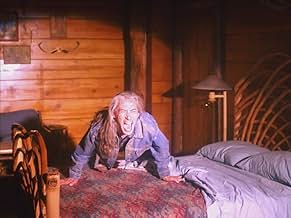
The episode opens with a palpable sense of tension as Josie Packard returns home to discover that Andrew Packard, long presumed dead, is alive. The shock causes Josie to faint on the wooden floor, a moment laden with symbolic resonance given the series' recurring motif of souls trapped in wood, as foreshadowed by Major Briggs's earlier cryptic remarks. This scene sets the tone for Josie's doomed trajectory, underscored by Angelo Badalamenti's ethereal "Packard's Theme," which permeates the episode with a sense of fated inevitability and haunting beauty.
Narratively, "The Condemned Woman" focuses on Josie's desperate attempts to navigate the dangerous power struggles surrounding her. Catherine Martell and Andrew Packard's manipulations add layers of corporate intrigue and personal betrayal, while Josie's relationship with Thomas Eckhardt looms ominously in the background. The episode's suspense is heightened by Sheriff Truman's relentless investigation, which closes in on Josie as evidence mounts. Hank Jennings's attempts to secure an alibi from Norma Jennings, who refuses and demands a divorce, further complicate the town's tangled web of secrets and lies.
Lesli Linka Glatter's direction is marked by a careful balance of mood and pacing. The episode employs muted, earthy tones and naturalistic lighting that enhance the atmosphere of dread and melancholy. The editing rhythmically alternates between tense confrontations and quieter, introspective moments, allowing the emotional weight of Josie's predicament to resonate deeply. The use of close-ups and lingering shots, particularly during Josie's fainting and subsequent scenes, amplifies the sense of vulnerability and impending doom.
Performances are a highlight of the episode. Joan Chen delivers a nuanced portrayal of Josie, capturing her mixture of strength, desperation, and tragic resignation. Piper Laurie's Catherine Martell exudes a simmering intensity, while Dan O'Herlihy's Andrew Packard embodies cold calculation. Michael Ontkean's Sheriff Truman provides a steady moral center, and Peggy Lipton's Norma Jennings conveys quiet dignity amid personal turmoil. The supporting cast enriches the episode's emotional and narrative texture.
Thematically, "The Condemned Woman" delves into motifs of entrapment, fate, and the intersection of the supernatural with human frailty. Josie's fainting on the wooden floor symbolizes her soul's entrapment, linking her fate to the mystical forces that permeate Twin Peaks. The episode also explores the corrosive effects of power and betrayal, as characters navigate shifting alliances and hidden agendas. The title itself evokes Josie's tragic position-caught between forces beyond her control and her own desperate attempts at agency.
Culturally, the episode reflects Twin Peaks' innovative narrative style, blending soap opera melodrama with supernatural mystery and psychological drama. Its exploration of corporate greed, familial betrayal, and metaphysical horror situates it within broader cultural conversations about power, identity, and the uncanny. The episode's atmospheric storytelling and symbolic imagery continue the series' tradition of challenging conventional television norms.
While "The Condemned Woman" is praised for its atmospheric direction, strong performances, and thematic depth, some viewers note that certain plot developments feel abrupt or underexplored, reflecting the broader challenges of the season's pacing and narrative cohesion. Nonetheless, the episode's emotional resonance and symbolic richness make it a standout installment.
"The Condemned Woman" is a compelling and emotionally charged episode that revitalizes Twin Peaks' narrative and thematic core. Through Lesli Linka Glatter's evocative direction, nuanced performances, and a richly layered script, the episode deepens the series' exploration of fate, power, and supernatural entrapment.