

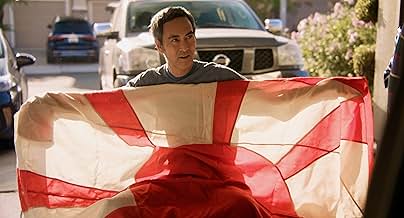
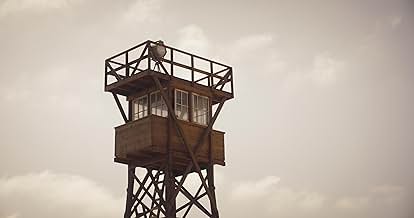
Eighty years ago, on the eve of war and incarceration, a Japanese American family buries a secret in their backyard garden. Three generations later, a clue is discovered - unearthing the tra... Read allEighty years ago, on the eve of war and incarceration, a Japanese American family buries a secret in their backyard garden. Three generations later, a clue is discovered - unearthing the trauma and truth of their historic past.Eighty years ago, on the eve of war and incarceration, a Japanese American family buries a secret in their backyard garden. Three generations later, a clue is discovered - unearthing the trauma and truth of their historic past.
- Awards
- 6 wins & 15 nominations total



- Director
- Writer
- All cast & crew
- Production, box office & more at IMDbPro
7.939
1
2
3
4
5
6
7
8
9
10
Featured reviews
Beautiful family drama confidently directed
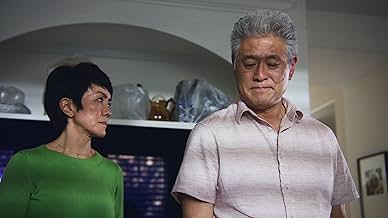
"The No No Girl" is a beautifully directed movie that explores the complexities of family relationships and the impact of buried secrets on family identity and stability. The film is centered around a fourth-gen Nisei Hasegawa family, and the story begins with the discovery of love letters written by the just-deceased grandmother. The family decides to bury a "treasure chest" of family heirlooms to spare them from confiscation or destruction. The protagonist Sue Hasegawa, a millennial woman, launches a search into her family history and uncovers long-buried family secrets that threaten to topple her family's stability and identity.
What makes "The No No Girl" so special is the way it portrays a Japanese American family, which is different from other Asian American families. The Hasegawas are third and fourth-generation Japanese Americans living in Southern California, and their family history is deeply connected to the generational aftereffects of Executive Order 9066, which sent many Japanese Americans to concentration camps during World War II. The film explores how this history affects the family's sense of identity and belonging, and how it impacts their relationships with each other.
The film's director, Paul Daisuke Goodman, weaves together many characters and elements with great skill, balancing heavy themes such as property theft with moments of light-hearted comedy. The performances of the actors are outstanding, and the characters are well-developed and believable. The film also beautifully captures the complexity of family relationships, showing how secrets and buried emotions can have far-reaching consequences.
In conclusion, "The No No Girl" is a must-watch film that beautifully explores the complexities of family relationships and the impact of buried secrets on family identity and stability. The film's portrayal of a Japanese American family is unique and adds an important perspective to the portrayal of Asian American families in popular culture. The film is expertly directed, and the performances are outstanding. I highly recommend this film to anyone who enjoys thought-provoking cinema.
What makes "The No No Girl" so special is the way it portrays a Japanese American family, which is different from other Asian American families. The Hasegawas are third and fourth-generation Japanese Americans living in Southern California, and their family history is deeply connected to the generational aftereffects of Executive Order 9066, which sent many Japanese Americans to concentration camps during World War II. The film explores how this history affects the family's sense of identity and belonging, and how it impacts their relationships with each other.
The film's director, Paul Daisuke Goodman, weaves together many characters and elements with great skill, balancing heavy themes such as property theft with moments of light-hearted comedy. The performances of the actors are outstanding, and the characters are well-developed and believable. The film also beautifully captures the complexity of family relationships, showing how secrets and buried emotions can have far-reaching consequences.
In conclusion, "The No No Girl" is a must-watch film that beautifully explores the complexities of family relationships and the impact of buried secrets on family identity and stability. The film's portrayal of a Japanese American family is unique and adds an important perspective to the portrayal of Asian American families in popular culture. The film is expertly directed, and the performances are outstanding. I highly recommend this film to anyone who enjoys thought-provoking cinema.
Who I am and who we are
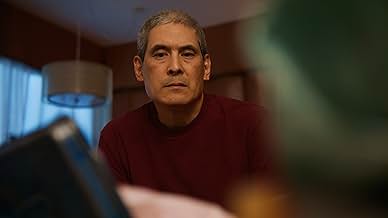
To me, individuals and families identify themselves in contexts. Some contexts are: who the other family members are, how spirituality connects them, their rituals, their shared celebrations, their shared tragedies, their shared grievances, their secrets, and especially in America, their heritages. This film depicts a family who struggles with the underlying half-known history of their family. Japanese American families with histories that go back to at least WWII have a special context: family members who were forced from their homes and into concentration camps thanks to Executive Order 9066. This was a shameful period of America that forced Americans from their homes because they looked like people of the nation that attacked Pearl Harbor on December seventh, nineteen forty-one. To me, one big issue of the film emerges: "Who are we? We are Americans whose parents and grandparents were 'othered' and their homes ripped from their possession through no fault of their own." The contemporary family goes through typical life in having family events, having jobs, going to college, and being connected to the overall culture with music, literature, movies, and news items. But, they are dealing with an extra dimension of dynamics. The family has been held together by the children of those who experienced the camps. Now, some evidence of the lives of the grandparents comes to light and a conflict emerges: do they keep the family together by not looking more deeply into some found letters and items of that time, or do they dig into this evidence and have the family structure threatened by exposing these unknown secrets? What would they find? Would the findings change their identities? Would something come to light that could cause them embarrassment? I saw the main tension coming from some of the family wanting to know what these details are no matter what it says about the family versus keeping the status quo of the family identity by not delving into these secrets and details. During wartime incarceration, these families were asked if they were willing to serve on combat duty wherever ordered or perhaps serve in the Women's Army Auxiliary Corps. They were also asked if they would swear unqualified allegiance to the United States and forswear any form of allegiance to the Emperor of Japan. 'No No Girl' gets its title from answering "no" to these questions. As an American, I say "How dare you ask me these questions!" These Americans were not treated as citizens who could have a freedom of choice to join the war effort or not. These Americans were asked a question of allegiance to someone they never had any connection to. The play 'Allegiance' delves into these issues by showing families experiencing the camps. This film shows the contemporary aftermath of this with its implications on the family. One of the implications is that the family knows exactly where the home their grandparents had, and it is nearby. Their home was stolen from them and their family was still able to reform themselves and start again. I could feel the pain behind the eyes of the family members who were going through these many levels of conflict. My family came from countries other than America. We were not treated like this. But I sure as hell can imagine what that might have felt like. I can imagine that because I am a human being, worthy of respect and dignity, just like them.
Two sides to every story
A thoughtful and captivating story surrounding second world war Japanese internment and the legacy down through subsequent generations. This was an indie film that certainly kept my attention and leaving me wanting to find out what the 'buried mystery' was, what the letters contained and what action the family would take. It was a well written story, the cinematography was visually pleasing and thoughtfully setup and the pacing done well. I did find the b-story about the rock girl singer a bit different from the main Asian cast plot but perhaps that accentuates the cultural opposites in the story background. Over all this was a satisfying film to watch and generally higher quality than the average indie drama film.
A Poignant Drama About Identity, Memory, and the Shadows of the Pas
The No No Girl is a poignant and beautifully told family drama that lingers long after the credits roll. Director Paul Daisuke Goodman weaves together a multigenerational story about the Hasegawa family, where long-buried secrets resurface through the discovery of their grandmother's love letters. These letters, hidden since the days when Japanese Americans were forced from their homes and imprisoned in wartime camps, spark a confrontation between those who want to uncover the truth and those who fear what it may reveal.
The film explores the lasting trauma of this injustice with nuance and restraint, showing how those experiences continue to ripple through descendants decades later. Rather than relying on spectacle, Goodman grounds the story in quiet, intimate moments that feel authentic and deeply human. The tension between silence and revelation becomes the emotional engine of the film, forcing characters-and the audience-to wrestle with questions of identity, loyalty, and belonging.
Mika Dyo emerges as the heart and soul of the story, delivering a remarkable performance that anchors the family's emotional journey. Her presence lights up the screen, balancing vulnerability with strength, and she effortlessly carries the weight of generational memory.
With thoughtful writing, a strong ensemble cast, and a sensitive balance of humor and gravity, The No No Girl is both timely and timeless. It's a moving reminder that the past is never truly past, and that healing begins when families are willing to face their truths together.
The film explores the lasting trauma of this injustice with nuance and restraint, showing how those experiences continue to ripple through descendants decades later. Rather than relying on spectacle, Goodman grounds the story in quiet, intimate moments that feel authentic and deeply human. The tension between silence and revelation becomes the emotional engine of the film, forcing characters-and the audience-to wrestle with questions of identity, loyalty, and belonging.
Mika Dyo emerges as the heart and soul of the story, delivering a remarkable performance that anchors the family's emotional journey. Her presence lights up the screen, balancing vulnerability with strength, and she effortlessly carries the weight of generational memory.
With thoughtful writing, a strong ensemble cast, and a sensitive balance of humor and gravity, The No No Girl is both timely and timeless. It's a moving reminder that the past is never truly past, and that healing begins when families are willing to face their truths together.
A heartfelt dramedy about life, legacy
No No Girl is a genuinely heartfelt family dramedy that delves into an oft-forgotten but important part of American history and its consequences that resonate generations later. It sheds light on things most people wouldn't even know happened, and it does so with care, dignity, and respect. The film itself doesn't attempt to judge or persuade, it simply depicts history as it was, injustices and all, and the natural consequences of those events.
Beyond the real-life historical roots, it is the story of a family dealing with a recent loss and an unexpected discovery that brings up fascinating questions about their past. The journey leads them to reflect on what they know of their family's past and those who are no longer with them. It brings up questions of legacy and if its even worth knowing darker secrets that might change how they regard the departed family members and their family legacy.
The family is very sympathetic; you feel their loss, you laugh at their humor, and as the events unfold you get caught up in their struggle and the questions of their past. The film is well-cast and everyone delivered solid, distinct performances. I felt that, at times, Joan came off as a little cartoonish; her struggles took a backseat to Sue and her family (and rightly so), but I appreciated the attempts to flesh her out and ensure she had reasons for behaving the way she does.
The script was fluid and well-written. People talked like people. No stilted or forced dialogue; it felt like we were just hanging out with Sue and her family, listening to their conversations and getting a look inside their very believable world. The climax of the film is mostly satisfying. I was happy with how things turned out, even if it was just a little underhanded (in a poetic way, though, admittedly).
I'd happily recommend this film to anyone who enjoys family dramas or comedies. There's plenty of levity and a lot to love about Sue and her family. It's a journey of personal discovery, family legacy, and stern reminder about past injustice, all wrapped up in a highly enjoyable film with a satisfying payoff.
Beyond the real-life historical roots, it is the story of a family dealing with a recent loss and an unexpected discovery that brings up fascinating questions about their past. The journey leads them to reflect on what they know of their family's past and those who are no longer with them. It brings up questions of legacy and if its even worth knowing darker secrets that might change how they regard the departed family members and their family legacy.
The family is very sympathetic; you feel their loss, you laugh at their humor, and as the events unfold you get caught up in their struggle and the questions of their past. The film is well-cast and everyone delivered solid, distinct performances. I felt that, at times, Joan came off as a little cartoonish; her struggles took a backseat to Sue and her family (and rightly so), but I appreciated the attempts to flesh her out and ensure she had reasons for behaving the way she does.
The script was fluid and well-written. People talked like people. No stilted or forced dialogue; it felt like we were just hanging out with Sue and her family, listening to their conversations and getting a look inside their very believable world. The climax of the film is mostly satisfying. I was happy with how things turned out, even if it was just a little underhanded (in a poetic way, though, admittedly).
I'd happily recommend this film to anyone who enjoys family dramas or comedies. There's plenty of levity and a lot to love about Sue and her family. It's a journey of personal discovery, family legacy, and stern reminder about past injustice, all wrapped up in a highly enjoyable film with a satisfying payoff.


Did you know
- TriviaActor Ken Narasaki is also a playwright, and authored a play entitled "No-No Boy," adapted from the novel of the same name by John Okada. In its world premiere in 2010, Chris Tashima was in the cast. The play was also featured as an audio program by LA Theatre Works in 2021, and Kurt Kanazawa was in the cast.
- Quotes
Gail Hasegawa: They were running from a fire, not hiding the matches.
- SoundtracksTrust
Written and Performed by Hannah Leigh and Brandon Lew
Produced by Brandon Lew
Courtesy of Brandon Lew
Details
- Release date
- Country of origin
- Official sites
- Language
- Filming locations
- Los Angeles, California, USA(Hasegawa House)
- Production company
- See more company credits at IMDbPro
- Runtime
- 2h(120 min)
- Color
- Aspect ratio
- 1.85 : 1
Contribute to this page
Suggest an edit or add missing content