An alleged sexual assault among adolescents, which sheds light on the sexual taboos of the adults in charge of them.An alleged sexual assault among adolescents, which sheds light on the sexual taboos of the adults in charge of them.An alleged sexual assault among adolescents, which sheds light on the sexual taboos of the adults in charge of them.
- Awards
- 1 win & 3 nominations total
Browse episodes
7.5365
1
2
3
4
5
6
7
8
9
10
Featured reviews
When innocence breaks and no one comes out the same
There are shows you don't watch to "have a good time," but to stare straight at something that makes you uneasy. "Pubertat" walks right into that territory without asking permission: it drops you into a tight-knit community in the middle of summer and shatters the illusion of normality with an accusation of sexual assault among teenagers. From that moment on, the series isn't only about finding out "what happened," but about watching everyone's certainties collapse.
What I liked most is that it doesn't deal in clear heroes and villains. Almost nobody comes out clean. The adults are shown with their fears, prejudices, and clumsy attempts to cope, while the teenagers are portrayed for what they are: people in transition, capable of real cruelty but also a fragility that can hit hard. And yes, the grandfather and the grandson are brutal to sit through -but that's exactly why they work: they embody that inherited, stale masculinity that slips into homes and gets passed down without anyone really challenging it.
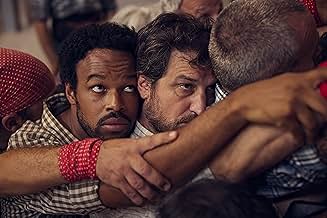
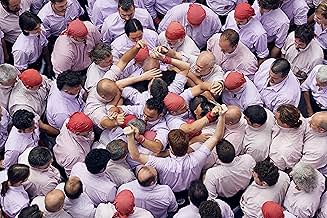
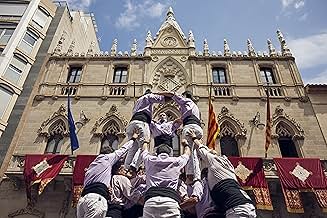
Formally, you can feel the author's hand. The show finds truth in small moments: a kitchen conversation, a silence heavier than any speech, a look that gives away guilt or confusion. The castellera troupe setting isn't just scenery; it's a way to talk about belonging, hierarchy, loyalty... and how a structure like that can either protect you or leave you exposed.
Do some things rub me the wrong way? A few. At times it tries to cover too many angles and not all of them land with the same sharpness. Some subplots feel more functional than essential, and the pace can get a bit repetitive in places. But even when it stumbles, the series doesn't hide or soften itself.
What stays with me is what it leaves behind: the urge to talk about it, to argue it out calmly, and to think about how we educate at home and beyond. "Pubertat" doesn't hand you magic answers, but it forces you to face questions you may have been avoiding for years. And right now, that matters.
What I liked most is that it doesn't deal in clear heroes and villains. Almost nobody comes out clean. The adults are shown with their fears, prejudices, and clumsy attempts to cope, while the teenagers are portrayed for what they are: people in transition, capable of real cruelty but also a fragility that can hit hard. And yes, the grandfather and the grandson are brutal to sit through -but that's exactly why they work: they embody that inherited, stale masculinity that slips into homes and gets passed down without anyone really challenging it.
Formally, you can feel the author's hand. The show finds truth in small moments: a kitchen conversation, a silence heavier than any speech, a look that gives away guilt or confusion. The castellera troupe setting isn't just scenery; it's a way to talk about belonging, hierarchy, loyalty... and how a structure like that can either protect you or leave you exposed.
Do some things rub me the wrong way? A few. At times it tries to cover too many angles and not all of them land with the same sharpness. Some subplots feel more functional than essential, and the pace can get a bit repetitive in places. But even when it stumbles, the series doesn't hide or soften itself.
What stays with me is what it leaves behind: the urge to talk about it, to argue it out calmly, and to think about how we educate at home and beyond. "Pubertat" doesn't hand you magic answers, but it forces you to face questions you may have been avoiding for years. And right now, that matters.
Details
- Color
Contribute to this page
Suggest an edit or add missing content