
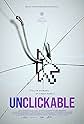
A former tech executive gathers a team of software developers in the basement of an undisclosed location. They set out to build a digital advertising fraud operation. Within 12 weeks, they d... Read allA former tech executive gathers a team of software developers in the basement of an undisclosed location. They set out to build a digital advertising fraud operation. Within 12 weeks, they defraud a large number of high-profile advertisers, including the Trump campaign and a seri... Read allA former tech executive gathers a team of software developers in the basement of an undisclosed location. They set out to build a digital advertising fraud operation. Within 12 weeks, they defraud a large number of high-profile advertisers, including the Trump campaign and a series of pro-Biden organizations during the 2020 US Presidential election. As the operation u... Read all
- Awards
- 2 nominations total
- Director
- Writer
- All cast & crew
- Production, box office & more at IMDbPro
Featured reviews
Unclickable review
The documentary begins by tracing the evolution of "engagement algorithms," showing how harmless design principles gradually transformed into a highly sophisticated attention-extraction economy. Early segments introduce former tech employees, behavioral psychologists, and investigative journalists who collectively paint a picture of online platforms that have grown too automated, too influential, and too opaque for even their creators to fully control.
One of the film's strengths is its ability to humanize the issue. Rather than relying solely on experts, Unclickable follows several individuals whose lives were dramatically affected by algorithmic targeting. These personal stories-ranging from online harassment to radicalization to addiction-like compulsive scrolling-give weight and emotional resonance to the film's central message. The documentary doesn't sensationalize their experiences; instead, it presents them with empathy, allowing viewers to understand how invisible digital structures can warp real lives.
Visually, the film is striking. It blends glitchy UI animations with cinematic overlays of scrolling feeds, pop-up notifications, and cascading comment threads. These stylistic choices reinforce the claustrophobic feeling of being trapped inside an endless stream of information. The soundtrack's minimalist electronic score adds a layer of tension, subtly reminding viewers that the threat is not dramatic or violent, but constant and ambient.
If there is a critique to be made, it's that Unclickable occasionally covers territory that previous tech-critique documentaries have already explored. However, it compensates for this by pushing further, diving into newer forms of AI-driven manipulation and predictive modeling that many viewers may be unaware of.
Ultimately, Unclickable succeeds because it inspires reflection. It doesn't preach or demand solutions; instead, it reveals the staggering complexity of the systems we interact with every day. The takeaway is clear: in a world designed to capture our attention, the choice to disengage is far more radical and more difficult than we realize.
Eye-Opening and Timely
My only small gripe: even with all the effort to simplify things, some of the technical complexity still went over my head. But honestly, it didn't take away from the experience. The big picture is clear, and it's fascinating-and a bit unsettling.
Overall, a smart and timely doc that absolutely deserves attention.
This film presents a one sided perspective of the fake ad-clicks problem. If you want to feel outraged towards big tech firms this film is the right one to watch
Negatives: Even though there is a lot to dislike on how Google and Facebook manage tech progress, this film presents an overly dramatized perspective of the fake ad-clicks problem. It seems that the goal of this film is to make us feel outraged towards big tech firms rather than foster a productive dialogue. In an age where most people feel scared of the fast advancement of technology, the value of such biased representations is questionable. Read on for specific examples.
In summary, the narrator suggests that Google and Facebook dominate the digital advertising market, and that a significant portion of this advertising may be fraudulent, largely focusing on fake-ad clicks issue on 3rd party websites. It also implies that these companies do little to address this issue.
The problem of fake clicks undeniably exists. However there are multiple angles to explore to understand this phenomenon -- For instance, the film fails to mention the positive aspects of third-party property advertising and why it is more susceptible to fraud. For example this model allows any one of us to earn a living by creating and monetizing our own websites. This freedom, however, makes it challenging for ad networks to effectively control the content and the user engagement increasing the potential for fraudulent activity.
-- Similarly, the documentary suggests that an app downloaded from the Google Play Store may have led to the unauthorized use of a person's data in Africa which resulted in significant cost. Let's accept that this was the true cause ,even though the film presents no evidence,the film didn't mention the broader implications of Android's open-source nature. While security vulnerabilities exist, Android's accessibility has democratized smartphone ownership,making smartphone accessible to the less privileged across the globe
-- The film lacks any comparison with other advertising mediums, such as television. Do advertisers know how much revenue or acquisitions they gain back due to the ad spend on TV? Could it be argued that digital advertising, despite the issue of fake clicks, offers a potentially fairer and more transparent approach for advertisers due to its competitive bidding processes? It would be great if the film explored such questions.(Disclaimer: an ongoing investigation is examining whether Google may have manipulated its bidding process to favor its own properties. This investigation could potentially undermine the argument for digital advertising's inherent fairness. However,what I claim is that the film failed to explore this discussion)
The narrator states that no one cares about this fraud. However there are lots of people working on these products to ensure better approval processes and take down websites that commit fraud.
-- There are lots of blog articles on how big tech firms try to handle the issue of fake traffic and fraudulent ad spend.
-- Not only that, many Greeks have worked in these teams. Perhaps the producers and main characters who are Greek or live in Greece could have reached out to these individuals, even unofficially, to gain insight into their work. Even though Google and Facebook declined to comment, it would have provided a more balanced perspective.
Towards the end of the film, the issue of ads being displayed on websites that spread misinformation is introduced. It's unclear why the director chose to include this, as it's a separate and highly complex problem. As a result, the topic was addressed only superficially.
--For example there was no mention of how hard it is to define what is misinformation and what is freedom of speech and whether it is the responsibility and privilege of the big tech firms to define such boundaries.
To end, big tech firms obviously make a lot of mistakes, but who gains from completely demonizing them? Do we want people to be afraid of tech firms and any new technology? I would argue that a more balanced representation of the issues could help to open a real productive discussion and help us challenge the big tech firms more effectively.


Details
- Release date
- Countries of origin
- Official site
- Languages
- Also known as
- Nieklikalne
- Filming locations
- Production companies
- See more company credits at IMDbPro
- Runtime
- 1h 14m(74 min)
- Color