

A small mishap triggers a chain reaction of ever-growing problems.A small mishap triggers a chain reaction of ever-growing problems.A small mishap triggers a chain reaction of ever-growing problems.
- Awards
- 5 wins & 15 nominations total
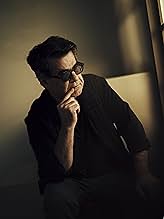
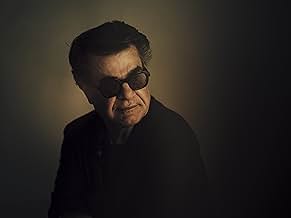
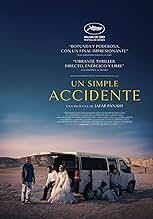
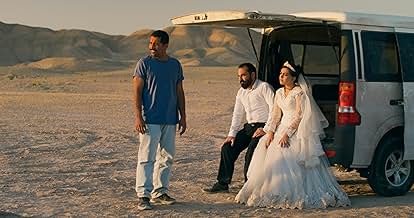
- Director
- Writer
- All cast & crew
- Production, box office & more at IMDbPro
7.76.2K
1
2
3
4
5
6
7
8
9
10
Featured reviews
The movies asks a lot of questions
There's a lot to say about this film. If there's one thing Iranians share as a nation, it's intergenerational trauma, rage, and hatred toward the last two regimes - one, the other, or both - and the lingering question of what to do with all that, with or without the current regime. This masterpiece by Jafar Panahi captures it perfectly.
"I was just doing my job" was maybe the better title for this movie
Jafar Panahi has been a thorn in the side of the Iranian regime for decades. Banned from filmmaking by house- or real arrests he kept finding ways of making films nevertheless.
"It was just an accident" is his last film. It is about a man walking into his torturer from years ago. He follows the man and kidnaps him, but what to do next? The answer to this question breaks the film in two.
In the first half the man tries to accumulate enough evidence to be sure that it really is his tormenter he has catched. Because in jail they were blindfolded he has to collect a couple of fellow sufferers who all have a different recollection about the perpetrator. One recognizes the sound of his footsteps, the other his smell, yet another the feeling of his scars.
After enough evidence has been collected, the second half of the movie poses an important ethical question: revenge or no revenge? The man has ruined their lives in different degrees but would revenge not lower them to the same moral standards?
A film about important ethical questions, that sounds like heavy stuff. The comedy element is not entirely absent though. The fellow sufferers the man collects in the first half of the movie turns out to be a rather colorful bunch of people giving their quest a touch of "Riders of justice" (2020, Anders Thomas Jensen). The difference is of course that the fellowship in "Riders of justice" was pursuing a redicilous complot theory while the tortures in "It was just an accident" are very real. The film cannot be seen in Iran itself for a reason.
The title of the movie is derived from the opening sequence when the torturer (his identity still unknown to the viewers) hits a dog with his car. At the end of the movie he says to his former victims / present kidnappers that "He was just doing his job". This sentence hints at the "banality of evil" of Hannah Arendt and maybe it would have been a better title for the movie.
"It was just an accident" is his last film. It is about a man walking into his torturer from years ago. He follows the man and kidnaps him, but what to do next? The answer to this question breaks the film in two.
In the first half the man tries to accumulate enough evidence to be sure that it really is his tormenter he has catched. Because in jail they were blindfolded he has to collect a couple of fellow sufferers who all have a different recollection about the perpetrator. One recognizes the sound of his footsteps, the other his smell, yet another the feeling of his scars.
After enough evidence has been collected, the second half of the movie poses an important ethical question: revenge or no revenge? The man has ruined their lives in different degrees but would revenge not lower them to the same moral standards?
A film about important ethical questions, that sounds like heavy stuff. The comedy element is not entirely absent though. The fellow sufferers the man collects in the first half of the movie turns out to be a rather colorful bunch of people giving their quest a touch of "Riders of justice" (2020, Anders Thomas Jensen). The difference is of course that the fellowship in "Riders of justice" was pursuing a redicilous complot theory while the tortures in "It was just an accident" are very real. The film cannot be seen in Iran itself for a reason.
The title of the movie is derived from the opening sequence when the torturer (his identity still unknown to the viewers) hits a dog with his car. At the end of the movie he says to his former victims / present kidnappers that "He was just doing his job". This sentence hints at the "banality of evil" of Hannah Arendt and maybe it would have been a better title for the movie.
Accident or Reckoning? Panahi's Gripping Look at Trauma and Retribution
Watched on Sydney Film Festival 2025
Jafar Panahi's Palme d'Or winner, It Was Just an Accident, isn't just a film; it's a gripping, morally fraught journey that grabs you and refuses to let go long after the credits roll. Forget a simple fender bender - this story ignites when a minor traffic scrape leads former political prisoner Vahid to believe he's cornered "Peg Leg," the man who brutally tortured him years before. Talk about wrong place, wrong time... or is it?
Panahi plunges us straight into the suffocating tension. Vahid gathers fellow survivors, each etched with their own raw pain and simmering rage, turning a car ride into a claustrophobic tribunal. Their desperate mission? To confirm the terrified captive Ebrahim Azizi's identity and decide his fate. It's here the film truly digs its claws in, forcing you to grapple alongside them: Where does the desperate need for justice end and the cycle of vengeance begin? Can victims ever be justified in mirroring their oppressor's cruelty? Panahi masterfully blurs these lines, offering zero easy outs.
The brilliance lies in the raw humanity. While exploring the primal pull of revenge - that fierce, almost instinctive reclaiming of power - the film never loses sight of the complex, painful possibility of forgiveness. It's not presented as some saintly virtue, but as a messy, agonising internal battle played out on the faces of a stunningly authentic, mostly non-professional cast. Their barely contained fury sits right alongside profound vulnerability. Can empathy survive such deep scars?
Don't mistake this for unrelenting gloom, though. Panahi weaves in moments of sharp, absurdist gallows humour that land perfectly, highlighting the surreal contradictions of life under the boot. Visually restrained but emotionally potent, the film relies on evocative camerawork and powerhouse subtle performances. The deliberate pacing makes you sit with every gut-wrenching dilemma and fleeting connection.
Ultimately, It Was Just an Accident transcends revenge thriller territory. A pivotal, unexpected third-act twist delivers a stunning gut-punch: a stark reminder that even amidst profound trauma, a flicker of human compassion can endure. The devastating climax and its haunting final moments linger, leaving you with a fragile sense of hope wrestled from the jaws of despair. Panahi crafts a defiant, unforgettable cinematic challenge - a film that doesn't just tell a story, but forces you to confront the darkest corners of justice, power, and whether healing is even possible. It demands your attention and refuses to offer simple answers. Fair crack of the whip, this one sticks with you.
Jafar Panahi's Palme d'Or winner, It Was Just an Accident, isn't just a film; it's a gripping, morally fraught journey that grabs you and refuses to let go long after the credits roll. Forget a simple fender bender - this story ignites when a minor traffic scrape leads former political prisoner Vahid to believe he's cornered "Peg Leg," the man who brutally tortured him years before. Talk about wrong place, wrong time... or is it?
Panahi plunges us straight into the suffocating tension. Vahid gathers fellow survivors, each etched with their own raw pain and simmering rage, turning a car ride into a claustrophobic tribunal. Their desperate mission? To confirm the terrified captive Ebrahim Azizi's identity and decide his fate. It's here the film truly digs its claws in, forcing you to grapple alongside them: Where does the desperate need for justice end and the cycle of vengeance begin? Can victims ever be justified in mirroring their oppressor's cruelty? Panahi masterfully blurs these lines, offering zero easy outs.
The brilliance lies in the raw humanity. While exploring the primal pull of revenge - that fierce, almost instinctive reclaiming of power - the film never loses sight of the complex, painful possibility of forgiveness. It's not presented as some saintly virtue, but as a messy, agonising internal battle played out on the faces of a stunningly authentic, mostly non-professional cast. Their barely contained fury sits right alongside profound vulnerability. Can empathy survive such deep scars?
Don't mistake this for unrelenting gloom, though. Panahi weaves in moments of sharp, absurdist gallows humour that land perfectly, highlighting the surreal contradictions of life under the boot. Visually restrained but emotionally potent, the film relies on evocative camerawork and powerhouse subtle performances. The deliberate pacing makes you sit with every gut-wrenching dilemma and fleeting connection.
Ultimately, It Was Just an Accident transcends revenge thriller territory. A pivotal, unexpected third-act twist delivers a stunning gut-punch: a stark reminder that even amidst profound trauma, a flicker of human compassion can endure. The devastating climax and its haunting final moments linger, leaving you with a fragile sense of hope wrestled from the jaws of despair. Panahi crafts a defiant, unforgettable cinematic challenge - a film that doesn't just tell a story, but forces you to confront the darkest corners of justice, power, and whether healing is even possible. It demands your attention and refuses to offer simple answers. Fair crack of the whip, this one sticks with you.
An Endless Dilemma
It Was Just an Accident, directed by Jafar Panahi, effectively challenges the audience through its evenly paced narration, drawing them into the moral dilemma of whether the victims should seek revenge - and, more importantly, whether they have the right to do so.
With its open ending, the film raises a powerful question: what happens if the cycle of crime and revenge never ends? This ambiguity keeps viewers engaged long after the credits roll.
However, the scenes in which the victims argue among themselves could have been more compelling if they didn't directly reference political divisions and concepts such as "tolerance" and the "cycle of violence." Those moments feel somewhat clichéd and shift the film's tone from metaphorical to allegorical.
It's also essential to remember that in Iran, every filmmaker must obtain permission from the autocratic regime before making a film. Jafar Panahi, however, created It Was Just an Accident without such approval - courageously defying censorship. By portraying the taboo subject of brutal interrogators, he demonstrates remarkable artistic bravery. For that, we should all admire and celebrate his courage.
With its open ending, the film raises a powerful question: what happens if the cycle of crime and revenge never ends? This ambiguity keeps viewers engaged long after the credits roll.
However, the scenes in which the victims argue among themselves could have been more compelling if they didn't directly reference political divisions and concepts such as "tolerance" and the "cycle of violence." Those moments feel somewhat clichéd and shift the film's tone from metaphorical to allegorical.
It's also essential to remember that in Iran, every filmmaker must obtain permission from the autocratic regime before making a film. Jafar Panahi, however, created It Was Just an Accident without such approval - courageously defying censorship. By portraying the taboo subject of brutal interrogators, he demonstrates remarkable artistic bravery. For that, we should all admire and celebrate his courage.
Incredible
The premise of this movie didn't grip me from the start. Instead I became more invested in this movie and these characters as Jafar peels back the layers of the history and lived environment of this movie. I was dragged through the same feelings of confusion, anger, sadness, compassion, and eventually forgiveness alongside the protagonists in this story of revenge. This is an extremely human movie taking place in a time where we need to hear these stories. It is one of the best of the year for sure.
The Big List of Fall Movies 2025
The Big List of Fall Movies 2025
See a full list of all the movies coming to theaters this fall.


Did you know
- TriviaWith It Was Just an Accident (2025) winning the Palme d'Or at the 78th Cannes Film Festival, Jafar Panahi became the only filmmaker in history to win the highest honors at all four of the world's major international film festivals. He previously won the Caméra d'Or at Cannes for his debut film The White Balloon (1995), the Golden Leopard at the Locarno Film Festival for The Mirror (1997), the Golden Lion at the Venice Film Festival for The Circle (2000) and the Golden Bear at the Berlin International Film Festival for Taxi (2015). This remarkable achievement places Panahi among the most awarded and respected auteurs in the history of world cinema.
2025 TIFF Festival Guide
2025 TIFF Festival Guide
See the current lineup for the 50th Toronto International Film Festival this September.

Details
Box office
- Gross US & Canada
- $1,396,556
- Opening weekend US & Canada
- $68,294
- Oct 19, 2025
- Gross worldwide
- $8,362,474
- Runtime
- 1h 43m(103 min)
- Color
- Sound mix
- Aspect ratio
- 1.85 : 1
Contribute to this page
Suggest an edit or add missing content