IMDb RATING
6.4/10
2.3K
YOUR RATING

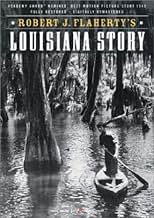
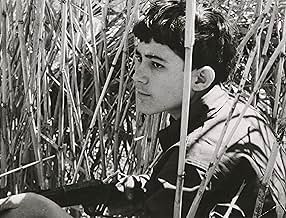
The idyllic life of a young Cajun boy and his pet raccoon is disrupted when the tranquility of the bayou is broken by an oil well drilling near his home.The idyllic life of a young Cajun boy and his pet raccoon is disrupted when the tranquility of the bayou is broken by an oil well drilling near his home.The idyllic life of a young Cajun boy and his pet raccoon is disrupted when the tranquility of the bayou is broken by an oil well drilling near his home.
- Director
- Writers
- Stars
- Nominated for 1 Oscar
- 4 wins & 3 nominations total

- Director
- Writers
- All cast & crew
- Production, box office & more at IMDbPro
6.42.3K
1
2
3
4
5
6
7
8
9
10
Featured reviews
A stunning piece of work!
Having lived many years in Acadiana, I can tell you that this is a beautiful depiction of the immense grace of the area during the forties. The film is not great drama, but the mystery and immense beauty of the bayou is authentic. Joseph Boudreaux, the boy in the movie will melt your heart with his lovely presence and Cajun ways.
Thankfully, this film was placed in the archives of the National Library of Congress in the nineties. The restoration is exquisite! I, for one, am thankful that this monumental tribute to the true Cajun people, as they once were, has been resurrected.
Much of what you will see in this film is, sadly, gone forever. There will never be another tribute to Acadiana like Louisiana Story!
Thankfully, this film was placed in the archives of the National Library of Congress in the nineties. The restoration is exquisite! I, for one, am thankful that this monumental tribute to the true Cajun people, as they once were, has been resurrected.
Much of what you will see in this film is, sadly, gone forever. There will never be another tribute to Acadiana like Louisiana Story!
A Look Back At A More Natural Environment
There's not a lot to say about this film. We get random images of a Cajun boy in his canoe, paddling quietly through a bayou, looking, watching, listening ... an alligator here, a snake there, all surrounded by lush swampland vegetation.
The plot is thin. About the only thing of interest is the appearance of an oil well crew that sets up a rig near the boy's home. The crew and the boy become friends, the crew curious about the boy's ability to catch fish, and the boy curious about the new technology. Yet, from the viewpoint of the 21st century, this heavy machinery is an odious intrusion into an otherwise natural, pristine environment. And the boy and his naïve papa seem oblivious to the lurking menace of oil drilling.
The B&W photography probably is the best element of the film. "Louisiana Story" is a mostly visual film with very little dialogue. It's almost a kind of travelogue to a backwoods paradise, sans plot.
I could have wished for some Cajun songs. The music that is provided is all nondescript 1950s-style elevator music. At least the performances are not marred by well-known, professional, actors. All of the actors seem to be either local non-actors or obscure B-movie performers. The absence of Hollywood adds substantial realism to the video.
"Louisiana Story" is a look back in time to an era when people were part of their environment, not separate from it. As such, the film conveys an idyllic tone, peaceful, serene, with only the hint of the technological nightmare yet to appear.
The plot is thin. About the only thing of interest is the appearance of an oil well crew that sets up a rig near the boy's home. The crew and the boy become friends, the crew curious about the boy's ability to catch fish, and the boy curious about the new technology. Yet, from the viewpoint of the 21st century, this heavy machinery is an odious intrusion into an otherwise natural, pristine environment. And the boy and his naïve papa seem oblivious to the lurking menace of oil drilling.
The B&W photography probably is the best element of the film. "Louisiana Story" is a mostly visual film with very little dialogue. It's almost a kind of travelogue to a backwoods paradise, sans plot.
I could have wished for some Cajun songs. The music that is provided is all nondescript 1950s-style elevator music. At least the performances are not marred by well-known, professional, actors. All of the actors seem to be either local non-actors or obscure B-movie performers. The absence of Hollywood adds substantial realism to the video.
"Louisiana Story" is a look back in time to an era when people were part of their environment, not separate from it. As such, the film conveys an idyllic tone, peaceful, serene, with only the hint of the technological nightmare yet to appear.
real slice
A Cajun boy is fishing and hunting with his pet raccoon out in the Louisiana bayou. He comes upon a crew of oil drillers and has various adventures.
This was Oscar nominated for writing which is probably the least compelling part of this movie. It can be argued that there is barely any writing involved. Its strength is the sense of reality in the swamp and the oiler crew. It's a slice of life. It's the docu-style of filmmaking. The kid may not be a great actor but he has realism on his side. There are some great scenes. I can't forget the raccoon and it's great to see a real drilling crew working. The plot isn't much. It's really just a series of swamp adventures.
This was Oscar nominated for writing which is probably the least compelling part of this movie. It can be argued that there is barely any writing involved. Its strength is the sense of reality in the swamp and the oiler crew. It's a slice of life. It's the docu-style of filmmaking. The kid may not be a great actor but he has realism on his side. There are some great scenes. I can't forget the raccoon and it's great to see a real drilling crew working. The plot isn't much. It's really just a series of swamp adventures.
Barefoot Boy With Cheeks Of Tan
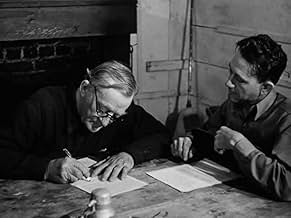
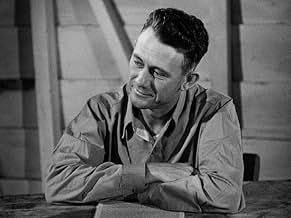
Joseph Boudreaux is a Cajun boy living in the bayous. When a wildcat rig starts to drill near his home, he makes friends with the crew.
It's directed by pioneer documentarian Robert J. Flaherty. Flaherty for decades was considered the model documentarian. This was in large part because his NANOOK OF THE NORTH was wildly successful. Nowadays, the admiration has died down.He imposed story lines on his movies, and directed scenes to support them, as opposed to the modern ideal of shooting a tremendous amount of footage of things happening, and then editing the results to bring some sort of coherence to the resulting film. You can see his story-telling technique in the sequence where Boudreaux captures an alligator. In addition, the presence of the drillers is portrayed as completely benign, with no impact on the local wildlife. Modern understanding of global warming and the impact of oil spills and the Deepwater Horizon disaster makes this seem naive. However, Standard Oil underwrote this movie, just as NANOOK had been underwritten by furriers.
The resulting movie is a warm and idyllic one, with amusing details of Cajun superstition and the beauty of the local setting. Although not as informative as modern documentaries try to be, it's beautifully shot and well put together. Virgil Thomson won the Pulitzer Prize for best composition, the only time a movie score has achieved that distinction.
It's directed by pioneer documentarian Robert J. Flaherty. Flaherty for decades was considered the model documentarian. This was in large part because his NANOOK OF THE NORTH was wildly successful. Nowadays, the admiration has died down.He imposed story lines on his movies, and directed scenes to support them, as opposed to the modern ideal of shooting a tremendous amount of footage of things happening, and then editing the results to bring some sort of coherence to the resulting film. You can see his story-telling technique in the sequence where Boudreaux captures an alligator. In addition, the presence of the drillers is portrayed as completely benign, with no impact on the local wildlife. Modern understanding of global warming and the impact of oil spills and the Deepwater Horizon disaster makes this seem naive. However, Standard Oil underwrote this movie, just as NANOOK had been underwritten by furriers.
The resulting movie is a warm and idyllic one, with amusing details of Cajun superstition and the beauty of the local setting. Although not as informative as modern documentaries try to be, it's beautifully shot and well put together. Virgil Thomson won the Pulitzer Prize for best composition, the only time a movie score has achieved that distinction.
10Huron
Great documentary film to see, not the story.
Robert Flaherty had a great eye for the interesting shots. Never more so than this oil company funded film about a young boy seeing the oil rig come to his Louisiana bayou. Although there is not much of a story the shots of the oil rig, life in the bayou, and the moods that Flaherty captures make it a film well worth seeing. If you see "Man of Aran" or "Nannok of the North" remember it was the same great documentary filmmaker. I've seen it twice and probably will see it again someday.


Did you know
- TriviaStandard Oil of New Jersey (became Exxon in 1972 and Exxon/Mobil in 1999) contributed $258,000 to the film's production. Although the company had no rights and no identification in the film, it stood "to get across the idea that oil companies are beneficently public-spirited, their employees honest, industrious and amiable, and their operations productive and innocuous." According to a modern source, Robert J. Flaherty's contract with Standard Oil insured that all of the film's profits went to him. The only connection was that Humble Derrick No. 1 is mentioned - and the Humble Oil Co. was 50% owned by Standard Oil of New Jersey at the time.
- GoofsIn the opening sequence, when The Boy first spots the raccoon, his hair is neat. Then it's mussed. Then it's neat again.
- ConnectionsFeatured in Studies for Louisiana Story (1965)
- How long is Louisiana Story?Powered by Alexa
Details
Box office
- Budget
- $258,000 (estimated)
- Runtime
- 1h 18m(78 min)
- Color
- Aspect ratio
- 1.37 : 1
Contribute to this page
Suggest an edit or add missing content