IMDb RATING
6.3/10
1.3K
YOUR RATING


A teenager comes of age while seeking revenge on the man who beat up his father.A teenager comes of age while seeking revenge on the man who beat up his father.A teenager comes of age while seeking revenge on the man who beat up his father.

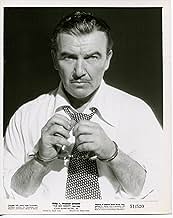
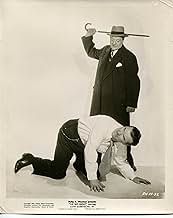
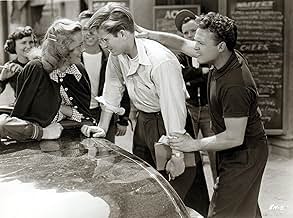
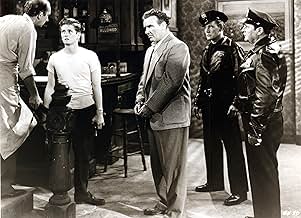
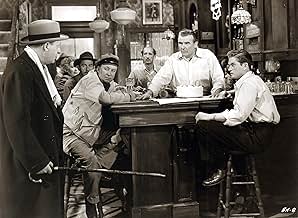
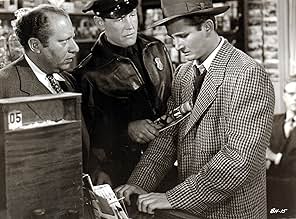
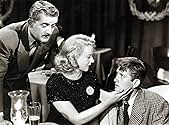

John Drew Barrymore
- George La Main
- (as John Barrymore Jr.)


Howland Chamberlain
- Flanagan
- (as Howland Chamberlin)


Emile Meyer
- Peckinpaugh
- (as Emil Meyer)

Mauri Leighton
- Terry Angelus
- (as Mauri Lynn)

Robert Aldrich
- Ringsider at Fight
- (uncredited)
Walter Bacon
- Boxing Match Spectator
- (uncredited)
Benjie Bancroft
- Bar Patron
- (uncredited)

Robert Bice
- Taxi Driver
- (uncredited)
Willie Bloom
- Boxing Match Spectator
- (uncredited)

Chet Brandenburg
- Boxing Match Spectator
- (uncredited)

Lane Chandler
- Printer
- (uncredited)

Edmund Cobb
- Cop
- (uncredited)
6.31.2K
1
2
3
4
5
6
7
8
9
10
Featured reviews
THE BIG NIGHT (Joseph Losey, 1951) **1/2
From Losey's American feature films (a period which barely lasted four years, when he fell victim to political persecution) I had only previously watched his eccentric debut, THE BOY WITH GREEN HAIR (1948). The same year he made THE BIG NIGHT, a low-budget noir, he directed two other thrillers - THE PROWLER, Losey's own favorite from this early phase of his career and M, an Americanization of Fritz Lang's German masterpiece. Both these films promise to be a good deal more interesting than the ones I watched, and I hope I get the chance to view them someday...
Anyway, back to THE BIG NIGHT: in itself, it wasn't too bad but it didn't feel at all like a Losey film; perhaps that's because I'm not used to watching him dealing with an American setting - but it's still a minor film, not quite knowing where it's going and not even that compelling while it's on. The noir-ish atmosphere (courtesy of cinematographer Hal Mohr), however, is quite interestingly deployed - sometimes with an audacious psychological resonance, as in the nightclub scene where a riotous drum solo brings back to lead John Barrymore Jr. (looking more like Sean Penn than his matinée' idol father!) memories of his father's vicious beating at the hands of a crippled but influential sports columnist (an effectively sinister Howard St. John); the latter episode is actually a key scene, which sets the plot in motion and sends Barrymore - who witnessed father Preston Foster's humiliation and whom he idolized - seething with revenge in search of St. John.
The characters are largely stereotypes - caring bartender (Foster owns a bar), philosophical drunk pal, his bitter girlfriend (a rather spent Dorothy Comingore, who 10 years earlier had played Susan Alexander in CITIZEN KANE [1941]!), her good-girl sister who falls for and yearns to 'save' Barrymore, shady promoter Emil Meyer (a dry run for his memorable turn as a crooked cop in SWEET SMELL OF SUCCESS [1957]), etc. - but the last act provides a couple of ironic twists involving the characters of Foster, St. John and the tragic fate of a woman they both loved in their own way.
Anyway, back to THE BIG NIGHT: in itself, it wasn't too bad but it didn't feel at all like a Losey film; perhaps that's because I'm not used to watching him dealing with an American setting - but it's still a minor film, not quite knowing where it's going and not even that compelling while it's on. The noir-ish atmosphere (courtesy of cinematographer Hal Mohr), however, is quite interestingly deployed - sometimes with an audacious psychological resonance, as in the nightclub scene where a riotous drum solo brings back to lead John Barrymore Jr. (looking more like Sean Penn than his matinée' idol father!) memories of his father's vicious beating at the hands of a crippled but influential sports columnist (an effectively sinister Howard St. John); the latter episode is actually a key scene, which sets the plot in motion and sends Barrymore - who witnessed father Preston Foster's humiliation and whom he idolized - seething with revenge in search of St. John.
The characters are largely stereotypes - caring bartender (Foster owns a bar), philosophical drunk pal, his bitter girlfriend (a rather spent Dorothy Comingore, who 10 years earlier had played Susan Alexander in CITIZEN KANE [1941]!), her good-girl sister who falls for and yearns to 'save' Barrymore, shady promoter Emil Meyer (a dry run for his memorable turn as a crooked cop in SWEET SMELL OF SUCCESS [1957]), etc. - but the last act provides a couple of ironic twists involving the characters of Foster, St. John and the tragic fate of a woman they both loved in their own way.
Losey's last film in the U.S.
Lots of accused Communists involved in this film, and one spy!
Yes - John Barrymore Jr. Was paid and given an expense account to spy on poor Joseph Losey, the director. Barrymore later confessed to Losey, who forgave him, and the two enjoyed fabulous meals on Barrymore's FBI expense account.
George La Main (John Drew Barrymore) is Georgie, who watches his father caned and beaten brutally by a sportswriter, Al Judge. We don't know why, just that he takes it.
Georgie, only 17, is traumatized and wants revenge. This quest takes him to a prize fight, nightclubs, and apartments in walk-ups in the seedier parts of Los Angeles as apropos the noir atmosphere. What Georgie learns will take him out of his youth. It's disillusioning but it's reality, like it or not.
This is Losey's last film before blacklisting causes him to leave the country. The role of Georgie is a James Dean-type role. Georgie is portrayed as kind of a dork though Barrymore was better looking than this. He does a good job as the tortured young man.
Preston Foster, Howard St. John, Joan Lorring, and Dorothy Comingore (in her last role) provide good support.
In the end, the film, though uneven, shows that secrets and lies can hurt, and people can betray and disappoint you; sadly, it's all part of life's tapestry.
Certainly no one knew that better than Losey, the ruined Comingore, uncredited writers Lardner and Butler, and actor Howard Chamberlin, all part of this film and blacklisted.
Yes - John Barrymore Jr. Was paid and given an expense account to spy on poor Joseph Losey, the director. Barrymore later confessed to Losey, who forgave him, and the two enjoyed fabulous meals on Barrymore's FBI expense account.
George La Main (John Drew Barrymore) is Georgie, who watches his father caned and beaten brutally by a sportswriter, Al Judge. We don't know why, just that he takes it.
Georgie, only 17, is traumatized and wants revenge. This quest takes him to a prize fight, nightclubs, and apartments in walk-ups in the seedier parts of Los Angeles as apropos the noir atmosphere. What Georgie learns will take him out of his youth. It's disillusioning but it's reality, like it or not.
This is Losey's last film before blacklisting causes him to leave the country. The role of Georgie is a James Dean-type role. Georgie is portrayed as kind of a dork though Barrymore was better looking than this. He does a good job as the tortured young man.
Preston Foster, Howard St. John, Joan Lorring, and Dorothy Comingore (in her last role) provide good support.
In the end, the film, though uneven, shows that secrets and lies can hurt, and people can betray and disappoint you; sadly, it's all part of life's tapestry.
Certainly no one knew that better than Losey, the ruined Comingore, uncredited writers Lardner and Butler, and actor Howard Chamberlin, all part of this film and blacklisted.
The Wrong Woman
The story here is revenge, more real-life based, a 1950's version of the crime of passion. A teenager's good-hearted father is beaten to a pulp by a gangster, so the kid invades the streets to get some payback. The father's not worried about the floor-wiping, which leads to a mystery behind the teen's mother, who skipped out on the family long ago, and a woman the father knows who has committed suicide.
Seeing this film, there's not much in terms of plot, but there are some notable scenes, particularly when the kid hears a beautiful night-club singer, becomes entranced, gets a chance to meet her on the street, and tells her how beautiful she is. Even though she's, you know,
black. The pain in the singer's face rends the poor kid, who was transported by her voice, but can't get beyond her skin color.
This film also has one of THE great lines ever in any film noir or any movie period, at least concerning the tragedy between a man and a woman, when there is love involved. There are no words more powerful or poignant, especially for a man who loves a woman beyond reason, who knows he has lost the love of his life. Unable to move on, to love or marry another woman after that one woman has destroyed him, and in fact still very much in love with his destroyer,
Preston Foster tells his son, "Sometimes a man loves one woman in the whole world. If she turns out to be the wrong one, well...that's just tough." Truly, the heart of noir is not blackness, but the white-hot scars of passion.
Seeing this film, there's not much in terms of plot, but there are some notable scenes, particularly when the kid hears a beautiful night-club singer, becomes entranced, gets a chance to meet her on the street, and tells her how beautiful she is. Even though she's, you know,
black. The pain in the singer's face rends the poor kid, who was transported by her voice, but can't get beyond her skin color.
This film also has one of THE great lines ever in any film noir or any movie period, at least concerning the tragedy between a man and a woman, when there is love involved. There are no words more powerful or poignant, especially for a man who loves a woman beyond reason, who knows he has lost the love of his life. Unable to move on, to love or marry another woman after that one woman has destroyed him, and in fact still very much in love with his destroyer,
Preston Foster tells his son, "Sometimes a man loves one woman in the whole world. If she turns out to be the wrong one, well...that's just tough." Truly, the heart of noir is not blackness, but the white-hot scars of passion.
A Little Deeper Look at an Oddly Affecting Noir
Uneven film that at times seems to drift. Still, there are genuinely compelling moments, as when burly dad LeMaine (Foster, in a fine performance) meekly submits to a brutal cane lashing that had me cringing. Why he's submitting remains a puzzle until the end. Because of the beating, Dad's insecure son George (Barrymore Jr.) spends the movie's remainder trying to avenge his father.
Beneath the revenge narrative, however, is really a rite-of-passage story. For example, in a not very believable opening, a cringing George is pounded in humiliating fashion by his teenage peers. We're given no explanation, nor does actor Barrymore physically resemble an easy mark. It's not a promising beginning. Then, in a much more persuasive scene, Dad casts a slightly disapproving eye over his nervous son's birthday cake (symbolic of the story). So the kid must prove himself not only to Dad, but to himself.
It's not a tight screenplay. Events more or less simply follow one another, tied together by the theme of vengeance. Happily, however, the narrative doesn't drag. Actor Barrymore Jr. had a rather brief career despite the pedigree. One thing for sure, he's certainly different looking. With a mop of unruly hair and slightly crooked mouth, he's no glamor boy. Nonetheless, his looks are perfect for the role, such that, when he dons a sport coat and hat, he still looks like a kid trying to take a big step up. All in all, the young actor does pretty well in the kind of difficult role that would later go to James Dean. I also like a de-glamorized Joan Lorring, who's a good match for him. My one real complaint is the way Al Judge (St. John) is written. His behavior is so crude and ugly, it's hard thinking of him as a respected sports writer. A racketeer would have been more credible and easier, so the scriptwriters must have had a reason.
Then too, the screenwriters, Butler and Lardner Jr., along with director Losey, were all blacklisted during Hollywood's commie hunting period. I suspect it was their leftist leanings that are responsible for one of the film's most arresting sequences. George goes to a nightclub where a drop-dead beautiful black songstress (Mauri Lynn) entertains. Afterward, he encounters her outside and is compelled to compliment her looks and talent. She glows at the flattering remark. Trouble is his heartfelt momentum carries over to the unspoken qualification "for a Negro woman". She grasps the unfortunate hanging-in-the-air racial reference, and is reminded of her not-fully-equal status. Thus, disappointment clouds her former glow. It's a beautifully played moment and quite powerful in emotional impact. I wonder what happened to that fine actress.
Anyway, the movie does have a number of effective noir touches, especially George's twilight escape through LA's towering industrial district. It's a mysterious world so much larger than himself. All in all, the film is oddly memorable, thanks, I think, to Barrymore's unusual presence. I know I sought it out on DVD, lo, so many years after having first seen it in a theatre.
(In passing—the burly guy sitting next to Barrymore and Bourneuf ringside at the fights is Robert Aldrich, the great director of such classics as Kiss Me Deadly {1955} and Attack {1956}.)
Beneath the revenge narrative, however, is really a rite-of-passage story. For example, in a not very believable opening, a cringing George is pounded in humiliating fashion by his teenage peers. We're given no explanation, nor does actor Barrymore physically resemble an easy mark. It's not a promising beginning. Then, in a much more persuasive scene, Dad casts a slightly disapproving eye over his nervous son's birthday cake (symbolic of the story). So the kid must prove himself not only to Dad, but to himself.
It's not a tight screenplay. Events more or less simply follow one another, tied together by the theme of vengeance. Happily, however, the narrative doesn't drag. Actor Barrymore Jr. had a rather brief career despite the pedigree. One thing for sure, he's certainly different looking. With a mop of unruly hair and slightly crooked mouth, he's no glamor boy. Nonetheless, his looks are perfect for the role, such that, when he dons a sport coat and hat, he still looks like a kid trying to take a big step up. All in all, the young actor does pretty well in the kind of difficult role that would later go to James Dean. I also like a de-glamorized Joan Lorring, who's a good match for him. My one real complaint is the way Al Judge (St. John) is written. His behavior is so crude and ugly, it's hard thinking of him as a respected sports writer. A racketeer would have been more credible and easier, so the scriptwriters must have had a reason.
Then too, the screenwriters, Butler and Lardner Jr., along with director Losey, were all blacklisted during Hollywood's commie hunting period. I suspect it was their leftist leanings that are responsible for one of the film's most arresting sequences. George goes to a nightclub where a drop-dead beautiful black songstress (Mauri Lynn) entertains. Afterward, he encounters her outside and is compelled to compliment her looks and talent. She glows at the flattering remark. Trouble is his heartfelt momentum carries over to the unspoken qualification "for a Negro woman". She grasps the unfortunate hanging-in-the-air racial reference, and is reminded of her not-fully-equal status. Thus, disappointment clouds her former glow. It's a beautifully played moment and quite powerful in emotional impact. I wonder what happened to that fine actress.
Anyway, the movie does have a number of effective noir touches, especially George's twilight escape through LA's towering industrial district. It's a mysterious world so much larger than himself. All in all, the film is oddly memorable, thanks, I think, to Barrymore's unusual presence. I know I sought it out on DVD, lo, so many years after having first seen it in a theatre.
(In passing—the burly guy sitting next to Barrymore and Bourneuf ringside at the fights is Robert Aldrich, the great director of such classics as Kiss Me Deadly {1955} and Attack {1956}.)
Cop out ending
A truly cop out ending really ruins what was potentially a great coming of age
film. John Drew Barrymore gave an outstanding performance as our youth
protagonist who does a lot of growing up in The Big Night.
Young Barrymore celebrating his 17th birthday is horrified that at his birthday party sportswriter Howard St.John gives Barrymore's father Preston Foster one severe and public thrashing. And Foster who back in his prime Hollywood days in the 30s was one rugged tough guy just submits to it. A case of directolr Joseph Losey casting successfully against type. i do wish we saw a bit more of Foster in the film though.
Looking to avenge the family honor Barrymore has quite an odyssey on his Big Night.
I can't say more lest I spoil things, but the ending was a cop out. My guess was that the soon to be blacklisted Joe Losey made some concession to Hollywood convention. It was not over politics though.
Not the best note Losey could have left America on.
Young Barrymore celebrating his 17th birthday is horrified that at his birthday party sportswriter Howard St.John gives Barrymore's father Preston Foster one severe and public thrashing. And Foster who back in his prime Hollywood days in the 30s was one rugged tough guy just submits to it. A case of directolr Joseph Losey casting successfully against type. i do wish we saw a bit more of Foster in the film though.
Looking to avenge the family honor Barrymore has quite an odyssey on his Big Night.
I can't say more lest I spoil things, but the ending was a cop out. My guess was that the soon to be blacklisted Joe Losey made some concession to Hollywood convention. It was not over politics though.
Not the best note Losey could have left America on.


Did you know
- TriviaAccording to interviews that director Joseph Losey gave in the mid-1970s to Michel Ciment, the FBI wanted to spy on him in Europe, where he relocated to work after being blacklisted by Hollywood because of his political activities. So they paid John Drew Barrymore (who became a good friend after this movie) to furnish information about Losey's political activities, if any, in London. Barrymore later met Losey in London and confessed to him about the money and expense account the FBI had given him to spy on Losey. Losey, recalling that the young actor had been under tremendous pressure at the time, forgave him and, in fact, suggested that they have several lavish meals together and put the cost on Barrymore's FBI expense account, which they promptly did.
- GoofsThe magazine racks outside the corner store are mostly issues contemporary to 1951, with one glaring exception. A copy of the famous first issue of The New Yorker (published in 1925).
- Quotes
Peckinpaugh: Next time you see somebody drop money, don't think about it so long before you decide to give it back.
- ConnectionsFeatured in Vampira Returns: The Big Night 1951 (1956)
- How long is The Big Night?Powered by Alexa
Details
- Release date
- Country of origin
- Language
- Also known as
- Die Nacht der Wahrheit
- Filming locations
- 218 East 12th Street, Downtown, Los Angeles, California, USA(George goes to the old St. Joseph's Church - destroyed by fire and demolished in 1983)
- Production company
- See more company credits at IMDbPro
- Runtime
- 1h 15m(75 min)
- Color
- Aspect ratio
- 1.37 : 1
Contribute to this page
Suggest an edit or add missing content