IMDb RATING
6.1/10
1.6K
YOUR RATING
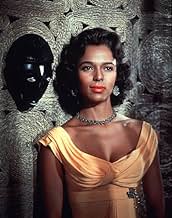
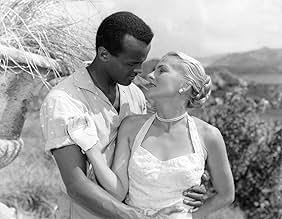
This drama set during the 1950s on a British-ruled Caribbean island deals with local politics, interracial relationships, social inequality, racism, adultery, and murder.This drama set during the 1950s on a British-ruled Caribbean island deals with local politics, interracial relationships, social inequality, racism, adultery, and murder.This drama set during the 1950s on a British-ruled Caribbean island deals with local politics, interracial relationships, social inequality, racism, adultery, and murder.
Jack Armstrong
- Snooker Player at Santa Marta Club
- (uncredited)
Patrick Halpin
- Santa Marta Club Member
- (uncredited)
- Director
- Writers
- All cast & crew
- Production, box office & more at IMDbPro
6.11.5K
1
2
3
4
5
6
7
8
9
10
Featured reviews
Richly entertaining...
Very easy to imagine this happening throughout the world. The setting of the film (island) creates the microcosm that drives the conflicts of the plot, much like Casablanca. The theme of desire throughout the film helps this wonderful cast create characters you can enjoy and understand, their motives quite transparent. The scene with Harry Belafonte (David Boyeur) singing with the fishermen hauling in the nets stands out. John Williams, who is always brilliant in such roles, works his magic to provoke and entrap James Mason's Maxwell Fleury into confessing his murder. Dorothy Dandridge is lovely as Margot, and the subplot of her love affair keeps the hope for happy endings alive in the film. The cinematography helps to develop the exotic yet isolating setting, and the sets do well to set the tone of the lifestyle (luxurious) of the prominent characters who live under the mercy of desire in the human condition. The themes of this film transcend its setting, and I imagine this film to have been quite enlightening to those who viewed it in 1957. Really enjoyed this film, even in its length.
A 50s gem
OK, so it's not a masterpiece but when I saw it listed on Retroplex the other day, I couldn't wait to see it again. Oh, the drama, oh, the intertwined relationships. How fitting that this came out the same year as "Peyton Place", considered the mother of all soap operas. Yes, it had its sappy moments and its overacting; but what a pleasure to see it again. I see it's out on DVD in all its wide-screen glory...i may have to buy this one as a definite "guilty pleasure". An interesting aside is the pairing of Joan Collins and Stephen Boyd (before his outstanding performance as Messala in Ben-Hur) and the information that they were being considered for 1963's "Cleopatra"--she in Liz Taylor's role as Cleopatra, he in Richard Burton's role as Marc Anthony. Could've changed the whole of cinematic history...something to ponder.
Worth sitting through the racial tensions to hear Harry Belafonte sing
The wealthy whites are the hissable ones once again, lording their money-driven power over the black Caribbean field workers in this timely but talky issue-film. The Barbados locations are just beautiful, and so is Harry Belafonte's buttery voice, crooning Jamaican songs at sunset (his acting isn't bad either, and his relationship with Joan Fontaine is surprisingly chummy--if not especially romantic). The love story sidebars are soapy but not dull, and they give the film what passion it has. The heated racial debates haven't dated, giving the film some relevance, but who needs them? (Certainly not the principal audience targeted for this windswept travelogue). What we really want to see is more of Belafonte. He was at a peak here, and since he didn't get to use his own singing voice in "Carmen Jones", this is a great chance to watch and hear him perform unfettered. **1/2 from ****
Intruiging, but not well developed
Hollywood was clearly not ready for this type of drama, which is full of compromise. Screen lovers Dorothy Dandridge and John Justin are clearly not allowed to kiss. Ditto for Joan Fontaine and Harry Belafonte (incidentally, Fontaine's comment about the two of them being children together should have been left out; she looks good, but it's still obvious that she's a good ten years older than he.)
1950s tale of interracial relationships and racial tensions on a British Caribbean island.
This was a very unique movie for Hollywood in the 1950s because it explored interracial relationships from both a political as well as romantic perspective. No doubt, it made audiences extremely uncomfortable.
The cast is very strong (with Dorothy Dandridge, Joan Fontaine, John Williams and James Mason--who never disappoints,) and the storyline both intriguing and unpredictable. Harry Belafonte portrays a proud, outspoken labor leader who fights racial injustice on a British Caribbean island, but this is only a secondary plot line. The "forbidden fruit" of interracial relationships is explored from several different perspectives giving this movie an important place in the history of American Cinema. Although racism and class-ism are common elements, the characters are empathetically portrayed. This movie was released in Jim Crow America and, younger viewers may not fully appreciate its' unique portrayal of Blacks in non-subservient roles. Blacks were typically cast as inarticulate maids and butlers, but Dorothy Dandridge (nominated as Best Actress for Carmen Jones in 1954) and Harry Belafonte (a top ten pop singer) were particularly stunning and sophisticated, an anomaly for Black actors in films roles at the time. Nevertheless, Belafonte's acting is often stilted, revealing that this was an early role while Dandridge's character lacks depth--though her acting superb, given that she has been given so little with which to work.
An important side note is that Harry Belafonte was a top-selling West Indian Calyso singer (Day-0-The Banana Boat Song) at the time that this movie was released and performed the title song. In addition to making a strong political statement about the need for racial justice--via his character in this film--he also was a high-profile figure within the Civil Rights Movement, marching with the Reverend Doctor Martin Luther King.
The cast is very strong (with Dorothy Dandridge, Joan Fontaine, John Williams and James Mason--who never disappoints,) and the storyline both intriguing and unpredictable. Harry Belafonte portrays a proud, outspoken labor leader who fights racial injustice on a British Caribbean island, but this is only a secondary plot line. The "forbidden fruit" of interracial relationships is explored from several different perspectives giving this movie an important place in the history of American Cinema. Although racism and class-ism are common elements, the characters are empathetically portrayed. This movie was released in Jim Crow America and, younger viewers may not fully appreciate its' unique portrayal of Blacks in non-subservient roles. Blacks were typically cast as inarticulate maids and butlers, but Dorothy Dandridge (nominated as Best Actress for Carmen Jones in 1954) and Harry Belafonte (a top ten pop singer) were particularly stunning and sophisticated, an anomaly for Black actors in films roles at the time. Nevertheless, Belafonte's acting is often stilted, revealing that this was an early role while Dandridge's character lacks depth--though her acting superb, given that she has been given so little with which to work.
An important side note is that Harry Belafonte was a top-selling West Indian Calyso singer (Day-0-The Banana Boat Song) at the time that this movie was released and performed the title song. In addition to making a strong political statement about the need for racial justice--via his character in this film--he also was a high-profile figure within the Civil Rights Movement, marching with the Reverend Doctor Martin Luther King.
Did you know
- TriviaJoan Fontaine received hundreds of hate letters, containing dimes and quarters, which read, "If you're so hard up that you have to work with a nigger..." They were post-marked from various parts of the country, but they seemed to be dictated by one organization, as many of the phrases were identical. Fontaine turned the letters over to the FBI.
- Quotes
Mavis Norman: Do you care what stupid, prejudiced people think?
David Boyeur: You've never had to fight stupidity or prejudice.
- ConnectionsFeatured in Biography: Darryl F. Zanuck: 20th Century Filmmaker (1995)
- How long is Island in the Sun?Powered by Alexa
Details
Box office
- Budget
- $2,250,000 (estimated)
- Runtime
- 1h 59m(119 min)
- Color
- Aspect ratio
- 2.35 : 1
Contribute to this page
Suggest an edit or add missing content