IMDb RATING
6.3/10
1.3K
YOUR RATING


Dispatched to the front lines during the Korean War, an idealistic American soldier discovers the horrors of combat and comes at odds with a psychopathic member of his platoon.Dispatched to the front lines during the Korean War, an idealistic American soldier discovers the horrors of combat and comes at odds with a psychopathic member of his platoon.Dispatched to the front lines during the Korean War, an idealistic American soldier discovers the horrors of combat and comes at odds with a psychopathic member of his platoon.
- Nominated for 1 BAFTA Award
- 2 wins & 1 nomination total




Francis Ford Coppola
- Army Truck Driver
- (uncredited)
- Director
- Writer
- All cast & crew
- Production, box office & more at IMDbPro
6.31.3K
1
2
3
4
5
6
7
8
9
10
Featured reviews
A superior low-budget film about psychosis and battle; nicely shot and performed.
This character study remains one of the best intimate views of conflict ever filmed, and features Robert Redford's first film appearance. There's also a major appearance by actor Sydney Pollack, before he made is mark as a major director. It's starkly made, grim, and engaging, without any of the jingoism and/or sentimentality applied to most older and recent Hollywood product. The moody score was provided by jazz composer Bud Shank. Nice.
Poignant and Moving Despite Budgetary Limitations
Director Denis Sanders isn't a very well-known or acknowledged filmmaker. After seeing "War Hunt", I looked up his filmography, hoping to credit him to another, more mainstream film one does not exist. Fortunately, a man does not have to be well known or have a huge fan base to be a good director. "War Hunt" is one of the best low-budget sleepers in the video store, now available on DVD from MGM.
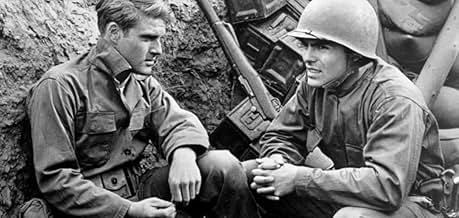
Running less than 90 minutes, "War Hunt" tells a powerful story about the toll of warfare on those who fight it. Idealism, patriotism and notions of heroism are forgotten in the midst of battle. Instead of making men into saints, war usually turns them into demons. Pvt. Loomis (an impossibly young Robert Redford) arrives in Korea during the last few weeks of the war. He meets Raymond Endore (John Saxon, "The Cavern"), an unhinged draftee who thrives on night patrols, during which he kills North Korean soldiers in their sleep. Endore has taken Charlie (Tommy Matsuda), a Korean orphan, into his care and Loomis also befriends the boy, hoping to wrest him away from Endore's dangerous influence.
Much like "Hell is for Heroes" which premiered the same year, "War Hunt" was shot on a shoestring budget in the Midwestern United States. From start to finish, it's obvious that the military did not back the production. After all, this is a very anti-military movie. There are only a few extras on-hand and we only see a few trucks. The lack of financing really shows through in the climactic scene in which hordes of Chinese troops attack the entrenched Americans; most of the explosions and reactions to them look utterly false and stagy.
Thankfully, this is not a picture about action and the glory of war it's about the aftermath of such scenes. The fighting serves to push the conflict forward in the quiet moments of rest and recuperation when the bullets are done flying. In fact, in the film's third act, set during the cease-fire with the Chinese, the most devastating violence occurs. Endore sets off with Charlie to live in the mountains after the war's end, refusing to admit that he is part of the Army and must return home. The final conclusion between Endore and Captain Pratt (Charles Aidman) is quick, gritty and comes to an unexpected, powerful conclusion.
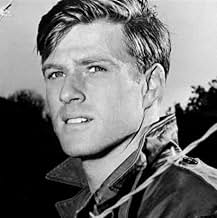
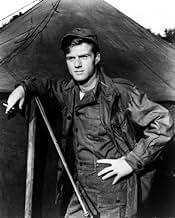
Sanders' ensemble cast is superb in every way. Redford, in his film debut, is actually quite memorable as Loomis. The first time we meet Loomis, we already know what to expect: we've seen this type of clean-cut, fair-haired boy before. He'll go on to undergo a baptism of fire and become the hero of the piece. Not so, here. Loomis arrives in Korea with ideals and patriotism; much like Charlie Sheen's Chris Taylor in "Platoon", he comes to realize that there are only two kinds of men in warfare: those who crack under its pressures, like Endore, and those who just want to survive, like his new found friends Crotty (Gavin MacLeod) and Showalter (Tom Skerritt). His scenes between Charlie are tender, poignant and moving. His encounters with Endore are chilling and unconventionally solved. As Endore, John Saxon brings a new meaning to the word psychopath. We've never met a wacko like him before. His mannerisms, dialog, expressions, are all played with utter randomness. It's as if he was handed the role and told "do what you want with it". There are times when Endore is almost completely human, but something in his eyes tells us that perhaps there is something slightly wrong with this guy. As the nature of his character is gradually revealed, we can't help but become shocked, almost frightened.
"War Hunt" is a cliché-free, freshly original and involving drama. It makes a strong statement about war's general destructive nature. This is a movie about survival and flawed idealism, not heroism and courage. Kudos to the director for choosing to pick such a controversial subject. The film is almost prophetic in that it approaches the Korean War with an attitude that would come across with force and power in Vietnam films 25 years later, like "Hamburger Hill" and "Platoon".
Running less than 90 minutes, "War Hunt" tells a powerful story about the toll of warfare on those who fight it. Idealism, patriotism and notions of heroism are forgotten in the midst of battle. Instead of making men into saints, war usually turns them into demons. Pvt. Loomis (an impossibly young Robert Redford) arrives in Korea during the last few weeks of the war. He meets Raymond Endore (John Saxon, "The Cavern"), an unhinged draftee who thrives on night patrols, during which he kills North Korean soldiers in their sleep. Endore has taken Charlie (Tommy Matsuda), a Korean orphan, into his care and Loomis also befriends the boy, hoping to wrest him away from Endore's dangerous influence.
Much like "Hell is for Heroes" which premiered the same year, "War Hunt" was shot on a shoestring budget in the Midwestern United States. From start to finish, it's obvious that the military did not back the production. After all, this is a very anti-military movie. There are only a few extras on-hand and we only see a few trucks. The lack of financing really shows through in the climactic scene in which hordes of Chinese troops attack the entrenched Americans; most of the explosions and reactions to them look utterly false and stagy.
Thankfully, this is not a picture about action and the glory of war it's about the aftermath of such scenes. The fighting serves to push the conflict forward in the quiet moments of rest and recuperation when the bullets are done flying. In fact, in the film's third act, set during the cease-fire with the Chinese, the most devastating violence occurs. Endore sets off with Charlie to live in the mountains after the war's end, refusing to admit that he is part of the Army and must return home. The final conclusion between Endore and Captain Pratt (Charles Aidman) is quick, gritty and comes to an unexpected, powerful conclusion.
Sanders' ensemble cast is superb in every way. Redford, in his film debut, is actually quite memorable as Loomis. The first time we meet Loomis, we already know what to expect: we've seen this type of clean-cut, fair-haired boy before. He'll go on to undergo a baptism of fire and become the hero of the piece. Not so, here. Loomis arrives in Korea with ideals and patriotism; much like Charlie Sheen's Chris Taylor in "Platoon", he comes to realize that there are only two kinds of men in warfare: those who crack under its pressures, like Endore, and those who just want to survive, like his new found friends Crotty (Gavin MacLeod) and Showalter (Tom Skerritt). His scenes between Charlie are tender, poignant and moving. His encounters with Endore are chilling and unconventionally solved. As Endore, John Saxon brings a new meaning to the word psychopath. We've never met a wacko like him before. His mannerisms, dialog, expressions, are all played with utter randomness. It's as if he was handed the role and told "do what you want with it". There are times when Endore is almost completely human, but something in his eyes tells us that perhaps there is something slightly wrong with this guy. As the nature of his character is gradually revealed, we can't help but become shocked, almost frightened.
"War Hunt" is a cliché-free, freshly original and involving drama. It makes a strong statement about war's general destructive nature. This is a movie about survival and flawed idealism, not heroism and courage. Kudos to the director for choosing to pick such a controversial subject. The film is almost prophetic in that it approaches the Korean War with an attitude that would come across with force and power in Vietnam films 25 years later, like "Hamburger Hill" and "Platoon".
profound and disturbing possibility
War Hunt explores the possibility that a decorated and successful combat soldier can also be a dangerous psychotic killer.
The film is set during the last days of the Korean War. Endore (John Saxon) conducts voluntarily patrols to Chinese outposts, and is valued by his commanding officer. The other platoon members appreciate Endores courage and toughness under fire, and probably love the fact his solitary patrols keep them safe in their own lines. But Endore has his own personal motives for his nocturnal sojourns. He gets to kill people, and he probably enjoys it. As a matter of fact, he most likely is a serial killer. No doubt he is a social outcast in civilian life and would be even in the peacetime army. In any other environment, hed wind up in a prison or mental hospital. Luckily (for him) the Korean battlefront is his element.
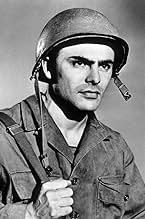
John Saxon plays Endore to frightening perfection. Blank, emotionless facial expression. Psychotic stare, just a hint of malevolent violence seething beneath his limited social skills. In the films scariest scene, Endore knifes a Chinese soldier to death unnecessarily, then dances around the body. A ritualized killing. Endore is one scary stranger. Id stay away from him, so would you. Hes the guy we read about in the papers, maybe even joke about nervously.
This crazy mans nemesis arrives in the form of Roy Loomis, a young and frightened recruit. He is shocked and disgusted by Endores actions, but is rebuffed by his CO and squadmates. Loomis isn't worth anything. It's Endore who is valuable, who can kill, who can do the dirty work. Loomis is annoyingly innocent however, and you know there's going to be a big confrontation coming up.
The confrontation arrives in the form of a cease fire.The Korean War is ending, but has Endores war just begun? Check it out and see. Fast moving, suspenseful, frightening. Best line: Endore(explaining how he can sneak up on the enemy without being seen) "Because I'm invisible---the truth blinds you."
The film is set during the last days of the Korean War. Endore (John Saxon) conducts voluntarily patrols to Chinese outposts, and is valued by his commanding officer. The other platoon members appreciate Endores courage and toughness under fire, and probably love the fact his solitary patrols keep them safe in their own lines. But Endore has his own personal motives for his nocturnal sojourns. He gets to kill people, and he probably enjoys it. As a matter of fact, he most likely is a serial killer. No doubt he is a social outcast in civilian life and would be even in the peacetime army. In any other environment, hed wind up in a prison or mental hospital. Luckily (for him) the Korean battlefront is his element.
John Saxon plays Endore to frightening perfection. Blank, emotionless facial expression. Psychotic stare, just a hint of malevolent violence seething beneath his limited social skills. In the films scariest scene, Endore knifes a Chinese soldier to death unnecessarily, then dances around the body. A ritualized killing. Endore is one scary stranger. Id stay away from him, so would you. Hes the guy we read about in the papers, maybe even joke about nervously.
This crazy mans nemesis arrives in the form of Roy Loomis, a young and frightened recruit. He is shocked and disgusted by Endores actions, but is rebuffed by his CO and squadmates. Loomis isn't worth anything. It's Endore who is valuable, who can kill, who can do the dirty work. Loomis is annoyingly innocent however, and you know there's going to be a big confrontation coming up.
The confrontation arrives in the form of a cease fire.The Korean War is ending, but has Endores war just begun? Check it out and see. Fast moving, suspenseful, frightening. Best line: Endore(explaining how he can sneak up on the enemy without being seen) "Because I'm invisible---the truth blinds you."
Operation Shoestring
This has got to be one of the least expensive movies ever made outside the Roger Corman organization, shot on a bare lot in a few weeks. Redford (not yet a heart throb) plays Loomis, newly assigned to an infantry company under the command of a curiously unassertive captain who shows an especially protective attitude toward John Saxon's enlisted man. No homosexuality is implied on the part of the captain. He seems more fearful of Saxon than attracted to him, and he depends on the information Saxon brings back from his nightly solo patrols behind the Chinese lines. The reason for the diffidence shown Saxon by the captain, and by all other members of the company, becomes clear when we see him in action at night, his face painted a ghastly black, slitting throats and doing a little war dance around the bodies. Killing is what Saxon does. It's practically ALL he does. He sleeps while the other grunts work, and whistles loudly and heedlessly while others sleep and he cleans his weapons. Except when murdering or teaching his young Korean orphan friend how to play the game, he maintains a vacant expression, doesn't remember to call officers "Sir," and is convinced with absolute certainty that he's doing what he does flawlessly. While being debriefed after a night patrol in which he discovered a heretofor unknown Chinese listening post ("One of them was asleep," he comments smoothly) the captain asks him if, you know, well, this is kinda important and, does he think he maybe should go back and make sure his information is accurate. And Saxon looks up from his coffee blankly and asks, "What for?" Saxon is quite good, actually. Redford hadn't yet got control of his minimalist style. The two of them represent sets of entirely different values: Saxon, who is driven by the same demons that move any ordinary serial killer; and Redford, whose convictions are bourgeoise. The focus of their conflict is the Korean orphan. Redford wants to put him into an orphanage where they will at least feed and clothe him and teach him how to play baseball instead of how to murder people. He tells Saxon this and threatens to take the matter to higher authority, generating from Saxon a withering stare filled with hellish and unfathomable emotions because, aside from serial killing, the Korean boy is the only meaningful thing in Saxon's life. It ends as you'd expect. Saxon would never have made it in civvy street anway. This is the trouble not only with efficient and committed killers like Saxon (and like Steve McQueen in "Hell is for Heroes," as another commentor pointed out) but with many military heroes, alas. So many of them seem prompted to extraordinary things without being too clear about whether their circumstances are extraordinary or otherwise. Francis Ford Coppola was a driver on one of the army trucks in this movie.
Ingenious, deeply stimulating, and cautiously photographed...
The 'psychotic' hero is an essay captured in two fine War films: Donald Siegal's "Hell Is For Heroes" the story of a sergeant who for being psychotic embarked on suicidal heroic missions, and our distinguished film "War Hunt."
The picture is clearly stated and openly defined... Pvt. Raymond Endore (John Saxon) goes out at night on 'solitary' patrols... The information he brings back is very useful for Capt. Wallace Pratt (Charles Aidman) whose posture toward Endore is 'paternal' gratification...
But the strong reason to his voluntary patrol is to murder... He is a ritual killer practicing a formal act with his knife, and after finishing with his victim, he stands behind the body in mystical meditation...
Even after the cease-fire on the Korean front, Endore extends his night patrols... This 'psycho' mind is already sick, and there is nothing to be done to narrow his actions...
With just one major battle scene, "War Hunt" is absolutely a penetrating study of War drama, focusing on its traumatic effects: The 'fighting' soldier and the 'non-fighting' man...
"War Hunt" is ingenious, deeply stimulating, and cautiously photographed... The extraordinary hand-to-hand fight, between Redford and the Chinese soldier, proves it...
John Saxon is terrific as the tormentor and Robert Redford (in his film's debut) is excellent as the idealistic Pvt. Roy Loomis...
The picture is clearly stated and openly defined... Pvt. Raymond Endore (John Saxon) goes out at night on 'solitary' patrols... The information he brings back is very useful for Capt. Wallace Pratt (Charles Aidman) whose posture toward Endore is 'paternal' gratification...
But the strong reason to his voluntary patrol is to murder... He is a ritual killer practicing a formal act with his knife, and after finishing with his victim, he stands behind the body in mystical meditation...
Even after the cease-fire on the Korean front, Endore extends his night patrols... This 'psycho' mind is already sick, and there is nothing to be done to narrow his actions...
With just one major battle scene, "War Hunt" is absolutely a penetrating study of War drama, focusing on its traumatic effects: The 'fighting' soldier and the 'non-fighting' man...
"War Hunt" is ingenious, deeply stimulating, and cautiously photographed... The extraordinary hand-to-hand fight, between Redford and the Chinese soldier, proves it...
John Saxon is terrific as the tormentor and Robert Redford (in his film's debut) is excellent as the idealistic Pvt. Roy Loomis...


Did you know
- TriviaFeature film debuts of Robert Redford, Tom Skerritt, and Sydney Pollack. Thirty years later, Redford directed Skerritt in A River Runs Through It (1992).
- ConnectionsFeatured in Best in Action: 1962 (2018)
- How long is War Hunt?Powered by Alexa
Details
Box office
- Budget
- $300,000 (estimated)
- Runtime
- 1h 23m(83 min)
- Color
- Aspect ratio
- 1.66 : 1
Contribute to this page
Suggest an edit or add missing content