IMDb RATING
6.9/10
420
YOUR RATING

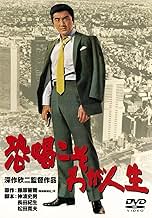
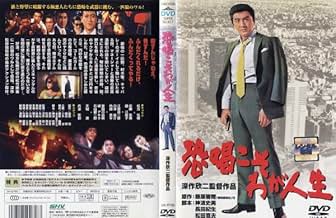
A pungent, extremely entertaining tale of hedonistic, amoral blackmailer Matsukata.A pungent, extremely entertaining tale of hedonistic, amoral blackmailer Matsukata.A pungent, extremely entertaining tale of hedonistic, amoral blackmailer Matsukata.


6.9420
1
2
3
4
5
6
7
8
9
10
Featured reviews
Well made, but not as thrilling as it could have been.
The main character, Shun, characterized as a 'young punk' with his group of youthful, attractive social outcast friends, finds money in the business of blackmail in the underworld of an economically vibrant Japan. While riding high off a string of successful extortions of small time yakuza affiliates, their ill fated plot to steal a sensitive memorandum proves they have bitten off more than they can chew. I was initially impressed with the movie's style and pace and it seemed to be setting up a fun movie surrounding the exploits of this group of young bright eyed kids. I enjoyed how each character was given scenes that showcase them while Shun is still given the most back-story. That is all done in a pretty successfully stylized manner. But the main plot fails to really stimulate after the first 45 minutes of setup. I think the problem was that stealing a memorandum for money just wasn't as exciting as events that happened earlier in the movie and Fukasaku gets little heavy handed communicating themes in this later part of the movie, causing a few eye rolls on my part. A well shot movie- perhaps not the most realistic premise, and enjoyable, but not super thrilling.
Excitingly and beautifully shot
Very stylish and innovative, this also moves at a furious pace. Excitingly and beautifully shot, this is a tale of four youngsters setting out on a career as blackmailers as they seem to have been passed by in the post-war Japanese boom. It can be a bit confusing with so many characters and the usual, bluff, double bluff and downright betrayal. The story is told both backwards and forwards and often the only way to tell of a flashback is that it begins in b/w, slowly turning to colour for most of the sequence, except for the times that it doesn't! There are so many stand out sequences but a colour sequence of consensual lovemaking intercut with one that is certainly not consensual in b/w is particularly effective. Outstanding camera-work and direction ensure that this looks and feels great all the time and if the ending is a little melodramatic, it is still enthusiastically shot with hand held and whirling cameras.
Fun energetic cynical pop action film showcases corrupt 60s society.
How can a movie about low-lives using blackmail to get out of their scummy life be so much fun, and still carry a message about social corruption and racism? First, by being restlessly energetic. All the new wave film techniques are used here, jump cuts, flashbacks, moving whirling hand-held cameras, sharp angles.. The movie never slows down except for a few delicious very physical love scenes, the complex story is told through the action. A movie that seems made in a rush and is much better for it.
The stylish 60s fashions, amoral but sexy protagonists, pop art photography and snappy music make this movie fun. It also makes it easier to take the extremely cynical message underlying the whole film. The antiheroes on display are like rats in a sewer (a dead rat is a recurring image). They hang on to the memory of the few happy moments they had, and keep reliving it. They think they blackmail for money, but they are really acting to get back at the Big guys, to prove that even scum can rise above their station. Their friendship and bond comes out of necessity and common experience. But their chance at the big lights is fleeting: going out with a famous actress for a moment may be thrilling, but our heroes do not belong in that world .
The film portrays a Japan ruled by corruption, where mavericks and half-breeds have to scrape to survive. Nobody is good, starting with all of the seedy blackmail "victims". The film has very dark and cynical outlook, but don't let that description phase you, this is also an incredibly fun film to watch, with action, humor and overabundant style. Most critics rank this movie as one of the director's lesser films. I think it deserves much better. Definitely recommended to those who love 60s gangster movies.
The stylish 60s fashions, amoral but sexy protagonists, pop art photography and snappy music make this movie fun. It also makes it easier to take the extremely cynical message underlying the whole film. The antiheroes on display are like rats in a sewer (a dead rat is a recurring image). They hang on to the memory of the few happy moments they had, and keep reliving it. They think they blackmail for money, but they are really acting to get back at the Big guys, to prove that even scum can rise above their station. Their friendship and bond comes out of necessity and common experience. But their chance at the big lights is fleeting: going out with a famous actress for a moment may be thrilling, but our heroes do not belong in that world .
The film portrays a Japan ruled by corruption, where mavericks and half-breeds have to scrape to survive. Nobody is good, starting with all of the seedy blackmail "victims". The film has very dark and cynical outlook, but don't let that description phase you, this is also an incredibly fun film to watch, with action, humor and overabundant style. Most critics rank this movie as one of the director's lesser films. I think it deserves much better. Definitely recommended to those who love 60s gangster movies.
Early Fukasaku picture sees the great director still honing his style, on his way to greater things
Blackmail is my Life came in a transitional period for Japanese crime cinema and it shows that by being somehow stylistically confused. The genre was with one foot still set on the earlier Nikkatsu pictures that portrayed yakuzas as people who operated with some sense of chivalry (and BIML reflects that by having the blackmailers act as the heroes), the cool of Seijun Suzuki who bid the genre adieu with Branded to Kill one year earlier (and what an adieu that was) and one foot looking at the future.
The first half of the picture resembles the colourful pop air of Suzuki and anticipates the disjointed timelines and narrative style of The Yakuza Papers. Hiroki Matsukata is Muraki; professional blackmailer and quite successful at that. He lies on a bed and remembers. Flashbacks show us his humble beginnings. They start in black and white then colour kicks in. Frames freeze while he narrates in a voice-over. We go back and forth like that until after the half hour mark the story starts to shape up. His rise as a prominent blackmailer is seen through a series of incidents that lead up to the big con.
The second half is predicated more on character than style. Fukasaku puts the quirky flashbacks, stills and narration of the beginning to the side and focuses on the story in a straight-forward manner. He's just as good this way. The movie turns more cynical and gritty and the ending is particularly memorable.
The director is still not at the top of his craft (it's relatively still early in his career) but he shows that he's not willing to settle down for a simple, run-of-the-mill yakuza flick. He gambles; sometimes he wins, sometimes he doesn't. But he dares and as the saying goes, fortune favours the brave. If he hadn't taken a stab at a different approach like BIML, maybe The Yakuza Papers would have never materialized in all its glory. In that sense, Fukasaku deserves kudos for taking chances and following his vision.
Blackmail is my Life may not always be successful in its stylistic daring but it's entertaining and cool. As the missing link between the hard bop of the 60's and the grittiness of the 70's, it's an important part of the general picture. Fans owe it to themselves to check it out.
The first half of the picture resembles the colourful pop air of Suzuki and anticipates the disjointed timelines and narrative style of The Yakuza Papers. Hiroki Matsukata is Muraki; professional blackmailer and quite successful at that. He lies on a bed and remembers. Flashbacks show us his humble beginnings. They start in black and white then colour kicks in. Frames freeze while he narrates in a voice-over. We go back and forth like that until after the half hour mark the story starts to shape up. His rise as a prominent blackmailer is seen through a series of incidents that lead up to the big con.
The second half is predicated more on character than style. Fukasaku puts the quirky flashbacks, stills and narration of the beginning to the side and focuses on the story in a straight-forward manner. He's just as good this way. The movie turns more cynical and gritty and the ending is particularly memorable.
The director is still not at the top of his craft (it's relatively still early in his career) but he shows that he's not willing to settle down for a simple, run-of-the-mill yakuza flick. He gambles; sometimes he wins, sometimes he doesn't. But he dares and as the saying goes, fortune favours the brave. If he hadn't taken a stab at a different approach like BIML, maybe The Yakuza Papers would have never materialized in all its glory. In that sense, Fukasaku deserves kudos for taking chances and following his vision.
Blackmail is my Life may not always be successful in its stylistic daring but it's entertaining and cool. As the missing link between the hard bop of the 60's and the grittiness of the 70's, it's an important part of the general picture. Fans owe it to themselves to check it out.
Great First Half Then Loses Steam....A lot of Steam
I really wanted to like this movie and for the first half hour it delivers. Interesting shots, flashbacks, cool stuff and innovative for the 1960s. Good backstory of the hero is shown, and interesting blackmail plot for the first 40 minutes. But then the writers and director lost focus, the plot got boring, and my urge was to turn the movie off. Now that's not a good instinct for a movie you want to like. I give it a 6 simply for the great beginning and interesting film style, but it could have been much better. Without this, the movie is below average, a 4 or 5. I do not recommend except for those interested in these kinds of movies, students, film buffs, etc. For most, this will be a big disappointment.


Did you know
- TriviaTitle music, played several times during the film, is ripped off (different but substantially an imitation) from the 1966 Yardbirds' song "Over Under Sideways Down".
- ConnectionsReferences Tokyo Drifter (1966)
Details
- Country of origin
- Language
- Also known as
- Blackmail Is My Business
- Production company
- See more company credits at IMDbPro
- Runtime
- 1h 30m(90 min)
- Sound mix
- Aspect ratio
- 2.35 : 1
Contribute to this page
Suggest an edit or add missing content