IMDb RATING
6.5/10
7.9K
YOUR RATING

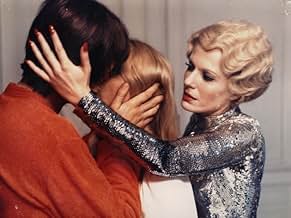
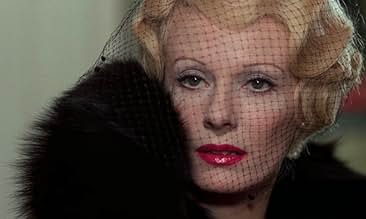
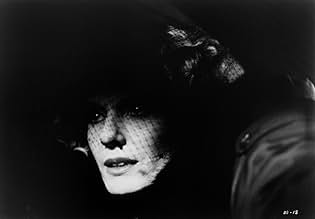
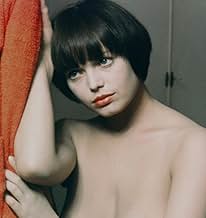
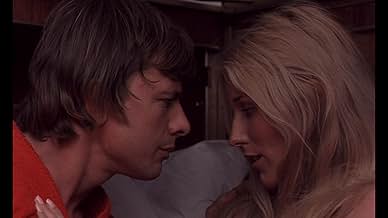
While passing through a vacation resort, a newlywed couple encounters a mysterious, strikingly beautiful countess and her aide.While passing through a vacation resort, a newlywed couple encounters a mysterious, strikingly beautiful countess and her aide.While passing through a vacation resort, a newlywed couple encounters a mysterious, strikingly beautiful countess and her aide.



6.57.9K
1
2
3
4
5
6
7
8
9
10
Featured reviews
Part masterpiece/part schlock
I first saw this movie when I was 12 and it had a huge impact on my early artistic endeavors as a young man. I've seen it periodically over the years and can see what intrigued me about it so much. It's part Ingmar Bergman film and part bad vampire movie. There are some beautifully filmed scenes along with some awful dialogue. The brilliant Delphine Seyrig is superbly creepy. The other performances are only mediocre. The music is appropriately over the top; sometimes sinister, sometimes goofy- seventies movie. The new director's cut contains more sex and nudity, probably to avoid getting an x-rating at the time of release. It's definitely worth checking out if you've never seen it.
Unbelievable, Incredible Vampire Film
Stay with this film, it is incredible. Great acting, cinematography, direction. The lead actress isn't great, but the actress who plays Erzebet Bathory is phenomenal. Bizaar sets, and strange milieu really add to this film's strange portrayal of vampires and how they deal with the living. I really loved this film. Of course, today, everything happens at the speed of light. Back in 1970, they took their time with building the film and really letting it sink in before hitting you with the shocks. This one has plenty of shocking moments and some really great inventive scenes that add to the history of the vampire film. Unfortunately, today we now have 'Twilight', a disgusting parody of the genre that hopefully audiences will someday say, 'What the hell were we thinking?'.
erotic and unusual vampire flick
Finally it became available, the director's cut of this 40 year old vampire flick. The weirdness is that it doesn't contain real vampires like you know them. You never see any fangs but it's the atmosphere that keep you attracted to the teevee. The other part that is funny for me is that all the places shown I have seen them, easily to explain, I grow up in Ostend in the seventies. But what an excellent flick this is, even without the gore and almost without th red stuff. There is a lot of nudity but it never becomes gratuitous. It is also strange that a Flemish director (Harry Kumel) was able to get big names, Delphine Seyrig was an icon at that time and even the others were well known then. The quality available on the Blue Underground DVD is excellent, even the sound is great, no hiss or whatsoever. It is a beauty to see and remembering that it was made without a big budget. It is indeed as stated on the sleeve erotic and unusual.
Mesmerizing Lesbian Vampire Classic
Lesbian Vampire films had their heyday in the early 70s, and Belgian cult director Harry Kümmel's "Les Lèvres Rouges" aka. "Daughters Of Darkness" of 1971 is the most artistically made, mesmerizing and atmospheric film this particular sub-genre has put forth. The film maintains an exceptionally eerie and surreal atmosphere throughout its 100 minutes, the score is one of the most beautiful and ingenious horror film soundtracks I've ever heard, and Delphine Seyring is wonderfully eerie and seductive at the same time in the role of Countess Bathory. The film, of course, has nothing to do with the real Elisabeth Bathory, who terrorized medieval Hungary by murdering countless innocent girls. The real, terrible story of this sadistic countess, who is often referred to as the "Bloody Lady", however, is an immensely popular topic in Horror literature and film, and the Erzsébet Bathory story also provided a basis (as well as a villain) for this particular film.
Newlyweds Stefan (John Karlen) and Valerie (Danielle Ouimet) are staying at a Belgian hotel in the middle of nowhere, when two more guests arrive - A mysterious and tempting countess (Delphine Seyring) who is accompanied by a pretty young girl (Andrea Rau)...
"Les Lèvres Rouges" is a film as beautiful as it is eerie, mysterious and surreal. The greatest performance is delivered by Delphine Seyring, who is brilliant as the countess. Sexy Danielle Ourimet and Andrea Rau deliver enough female eye-candy to make this a classic of the erotic Horror film. I couldn't say I liked John Karlen's performance particularly, but he sure isn't bad either. Great supporting performances are delivered by Paul Esser as a hotel clerk and Georges Jamin as a retired police officer. The greatest quality of the movie, however is the mesmerizing atmosphere which is even fortified by the beautiful and hypnotic score.
All said, "Les Lèvres Rouges" is an excellent, immensely eerie, beautiful and atmospheric Horror film, and THE classic of the Lesbian Vampire sub-genre that Horror lovers can not afford to miss!
Newlyweds Stefan (John Karlen) and Valerie (Danielle Ouimet) are staying at a Belgian hotel in the middle of nowhere, when two more guests arrive - A mysterious and tempting countess (Delphine Seyring) who is accompanied by a pretty young girl (Andrea Rau)...
"Les Lèvres Rouges" is a film as beautiful as it is eerie, mysterious and surreal. The greatest performance is delivered by Delphine Seyring, who is brilliant as the countess. Sexy Danielle Ourimet and Andrea Rau deliver enough female eye-candy to make this a classic of the erotic Horror film. I couldn't say I liked John Karlen's performance particularly, but he sure isn't bad either. Great supporting performances are delivered by Paul Esser as a hotel clerk and Georges Jamin as a retired police officer. The greatest quality of the movie, however is the mesmerizing atmosphere which is even fortified by the beautiful and hypnotic score.
All said, "Les Lèvres Rouges" is an excellent, immensely eerie, beautiful and atmospheric Horror film, and THE classic of the Lesbian Vampire sub-genre that Horror lovers can not afford to miss!
Capably combines art and exploitation.
This viewer will admit right off that he is more accustomed to horror movies of the more traditional kind. However, that doesn't mean that he can't appreciate what a movie like this tries to do. Harry Kumel's "Les Levres Rouges", a.k.a. "Daughters of Darkness", as I am sure has been said numerous times before, has higher aspirations than cheap thrills. (That doesn't mean, however, that fans hoping for a trash quotient won't get it, as there is a fairly generous dose of nudity, male and female, in one key scene.) It's stately, intelligent, and very deliberately paced, with a clear focus on character and ambiance. Now, there are some genuine shock moments and scenes of sudden violence, but they are few and far between.
The action, so to speak, is mostly set inside a vast, opulent hotel that a honeymooning couple is visiting in the wintertime. So, it is actually almost empty, until the couple, Stefan (John Karlen) and Valerie (Danielle Ouimet) make the acquaintance of sophisticated Countess Bathory (Delphine Seyrig), who just might be THE Elizabeth Bathory of real-life infamy, and her sultry companion, Ilona (Andrea Rau).
Enhanced by lovely music composed by Francois de Roubaix, the movie, just like its cagey main character, has a certain, seductive allure going for it; it's hard not to be captivated by Seyrigs' performance and hang on to every word she speaks. One can sense that her presence can only lead this young couple to some pretty dark places, as passionate impulse takes over and the violent side of Stefans' personality is more prone to emerge. In fact, as this story plays out, The Countess doesn't seem as bad as Stefan turns out to be.
The other actors do a fine job of reinforcing the notion that a substantial part of acting is REACTING, as their characters feel the influence of this sexy stranger. The atmosphere and mood of this movie are simply excellent, as right from the get go, there is a very somber feel to the characters and dialogue. Stefan and Valerie go so far as to admit that their relationship is not really based on love. Character details like this are given throughout; Stefan reacts with more than casual curiosity to being present at a murder scene, and when he and the Countess recount the horrific acts of Elizabeth Bathory, it arouses them more and more; Valerie yells at them to stop, and is it the sordid nature of what they speak, the fact that they're getting turned on, or both, that is unnerving Valerie? What the characters realize about themselves and the others becomes vitally important to what unfolds.
With its elements of lesbianism, eroticism, and sadomasochism, this is an interesting piece of cinema for patient viewers.
Seven out of 10.
The action, so to speak, is mostly set inside a vast, opulent hotel that a honeymooning couple is visiting in the wintertime. So, it is actually almost empty, until the couple, Stefan (John Karlen) and Valerie (Danielle Ouimet) make the acquaintance of sophisticated Countess Bathory (Delphine Seyrig), who just might be THE Elizabeth Bathory of real-life infamy, and her sultry companion, Ilona (Andrea Rau).
Enhanced by lovely music composed by Francois de Roubaix, the movie, just like its cagey main character, has a certain, seductive allure going for it; it's hard not to be captivated by Seyrigs' performance and hang on to every word she speaks. One can sense that her presence can only lead this young couple to some pretty dark places, as passionate impulse takes over and the violent side of Stefans' personality is more prone to emerge. In fact, as this story plays out, The Countess doesn't seem as bad as Stefan turns out to be.
The other actors do a fine job of reinforcing the notion that a substantial part of acting is REACTING, as their characters feel the influence of this sexy stranger. The atmosphere and mood of this movie are simply excellent, as right from the get go, there is a very somber feel to the characters and dialogue. Stefan and Valerie go so far as to admit that their relationship is not really based on love. Character details like this are given throughout; Stefan reacts with more than casual curiosity to being present at a murder scene, and when he and the Countess recount the horrific acts of Elizabeth Bathory, it arouses them more and more; Valerie yells at them to stop, and is it the sordid nature of what they speak, the fact that they're getting turned on, or both, that is unnerving Valerie? What the characters realize about themselves and the others becomes vitally important to what unfolds.
With its elements of lesbianism, eroticism, and sadomasochism, this is an interesting piece of cinema for patient viewers.
Seven out of 10.


Did you know
- TriviaDuring filming, director Harry Kümel hit actress Danielle Ouimet during a dispute. Actor John Karlen was so infuriated by this behavior that he punched Kumel in the face. The atmosphere on the set was understandably tense afterwards.
- GoofsWhen Ilona is lying on the bathroom floor, bikini marks are visible. Vampires are not supposed to have tan lines.
- Quotes
Countess Bathory: Love is stronger than death... even than life.
- Alternate versionsThe original U.S. theatrical release was cut by approximately 12 minutes to obtain an R-rating, and features a slightly different opening credits sequence in which Lainie Cooke (not Delphine Seyrig as sometimes rumored) sings over the main theme of the film. This sequence features a stylized title logo (the same as that on the U.S. posters), while the rest of the credits use a font that is more formal and less bold compared to the original version. After being released on Canadian and American VHS (where it was retitled "Children of the Night"), the U.S. version was eventually replaced in circulation by the uncut version in the 1990s, although its title sequence is presented among the special features of Blue Underground's 2020 4K Blu-ray release of the film.
- ConnectionsEdited into Rob Zombie: Living Dead Girl (1999)
- SoundtracksDaughters of Darkness
Written and Performed by François de Roubaix
Sung by Lainie Cooke
Lyrics by Terence Stockdale
- How long is Daughters of Darkness?Powered by Alexa
Details
Box office
- Budget
- $750,000 (estimated)
- Gross worldwide
- $1,070
- Runtime
- 1h 27m(87 min)
- Color
- Sound mix
- Aspect ratio
- 1.66 : 1
Contribute to this page
Suggest an edit or add missing content