Rosemarie Heinikel
- Schauspielerin
- (as Rosy-Rosy)
- Director
- Writer
- All cast & crew
- Production, box office & more at IMDbPro
6.780
1
2
3
4
5
6
7
8
9
10
Featured reviews
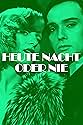
Extreme Stylization
Daniel Schmid, a post-modern director of movies, theatre and opera, was a colleague of Fassbinder and many of his films evince similar concerns and techniques. This was his highly experimental first film. On one night every year, the servants of an elaborate château are given their turn to be masters, while the masters become servants. Schmid employs a daring, if absurd, formal convention as a metaphor for the servants' status, by using slow motion to reflect the degree of their subjugation. At the opening of the film, they are still toiling at their regular domestic duties, shown in extreme slo-mo. As they begin to exercise more power, the pace gradually picks up, and so forth. Added to this, the sets and colours are lushly stylized, the acting almost mummified, and periodically a character presents an entire operatic aria as if it were a natural means of expression. Jaw-dropping, to say the least. His next movie, La Paloma, continued the absurdly melodramatic stylization, but dropped the slow motion technique.
'The death of the soul'
Once a year the roles are reversed between an aristocratic Austrian family and the servants. The 1972 feature film cinematic debut of Swiss writer/director Daniel Schmid is an experimental, heavily stylised, formalist, symbolic drama with theatricality crawling all over it. This is not surprising given Schmid's background or that the household is entertained by a troupe of actors performing scenes from various dramas. As classical tunes permeate the soundtrack (a character in themselves, including the title song) and a slow, drifting, meditative camera glides over ornate sets, period costumes and characters with white plastered faces who resemble dummies or zombies, we (like the characters) experience the emotions of the performances, reflect on ideas of illusion, ritual, artifice and role play, and investigate the fantasy of the system which invented class (through this temporary role reversal), as well as the so called 'problem of revolution'. Featuring actors who at times resemble tableau vivants you can easily imagine this on the stage, but as a film it's not particularly effective either as cinema or as rumination on class struggle.
Did you know
- SoundtracksLes contes d'Hoffmann
Written by Jacques Offenbach
Details
- Release date
- Country of origin
- Official sites
- Language
- Also known as
- Cette nuit ou jamais
- Production company
- See more company credits at IMDbPro
Contribute to this page
Suggest an edit or add missing content