IMDb RATING
7.1/10
1.4K
YOUR RATING
A yakuza, who has an untamed rage and lack of respect for authority, finds himself leading the remnants of the gang he once belonged to in order to secure an area of their own.A yakuza, who has an untamed rage and lack of respect for authority, finds himself leading the remnants of the gang he once belonged to in order to secure an area of their own.A yakuza, who has an untamed rage and lack of respect for authority, finds himself leading the remnants of the gang he once belonged to in order to secure an area of their own.
- Director
- Writers
- Stars
- Director
- Writers
- All cast & crew
- Production, box office & more at IMDbPro
7.11.3K
1
2
3
4
5
6
7
8
9
10
Featured reviews
"The first person I hit was my mom"
"Street Mobster" is part of the early 70's crop of Japanese yakuza films that were spearheaded by Kinji Fukasaku, who is once again behind the helm without missing a beat. All the mandatory elements that make a yakuza film work are present: forming and switching of alliances between yakuza families, fistfights, stabbings, a guerilla view of Tokyo, frenetic action sequences, sleaze. But whereas a lesser, more workmanlike director would work these things from a checklist, Fukasaku instills so much energy that even the most rudimentary of things are a pleasure to watch.
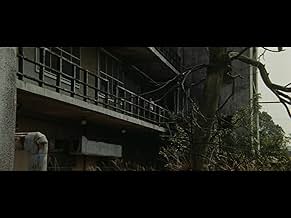
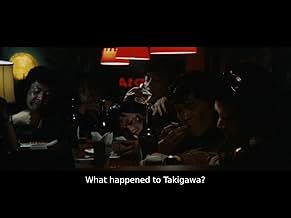
Indeed "Street Mobster" is packed full of raw, animalistic energy that more than makes up for the fairly predictable nature of the story. In typical yakuza fashion, yakuza gets out of prison after doing time for a hit, forms a small gang, takes on the bigger families, carnage ensues. It's all part of what makes the genre such pure, unadulterated fun though. However all these typical genre staples take a wildly exhilarating life of their own through Fukasaku's hyperkinetic and gritty style. There's no glamour or glory to be found in Fukasaku's violence: only brutality. Stylization is kept to a bare minimum with lots of hand-held shots and cameras constantly on the move that blend in with the action. The same guerilla tactics are used for the exterior shots that capture the seedy, downtrodden side of a Tokyo full of possibilities. Dilapidated warehouses, cheap bath houses, dark rooms, dim-lit diners, rundown neighborhoods with wooden cabins, again there's no glitz or neon lights shining in Fukasaku's yakuza universe.
Regular collaborator Bunta Sugawara takes on the role of the titular Street Mobster, but gone is his cool (and sullen) demeanor from other yakuza films. He's responsible for some serious scenery consumption, wildly overacting, often approaching even Kikuchiyo territory (Mifune's character from Seven Samurai) but with the same honest, natural approach that made him the great actor that he was. He's also one of the best physical actors I've seen and you can see it paying off in dividends with every fight scene he gets involved with (and there are lots, don't worry).
If you'd like to see a different kind of gangster film, one that relies more on viscera, grittiness and raw energy than faux glamour and hip mafiosos, you should definitely invest in Street Mobster. It's pulpy, fast-paced and balls-out. 70's Japanese action cinema in top form
Indeed "Street Mobster" is packed full of raw, animalistic energy that more than makes up for the fairly predictable nature of the story. In typical yakuza fashion, yakuza gets out of prison after doing time for a hit, forms a small gang, takes on the bigger families, carnage ensues. It's all part of what makes the genre such pure, unadulterated fun though. However all these typical genre staples take a wildly exhilarating life of their own through Fukasaku's hyperkinetic and gritty style. There's no glamour or glory to be found in Fukasaku's violence: only brutality. Stylization is kept to a bare minimum with lots of hand-held shots and cameras constantly on the move that blend in with the action. The same guerilla tactics are used for the exterior shots that capture the seedy, downtrodden side of a Tokyo full of possibilities. Dilapidated warehouses, cheap bath houses, dark rooms, dim-lit diners, rundown neighborhoods with wooden cabins, again there's no glitz or neon lights shining in Fukasaku's yakuza universe.
Regular collaborator Bunta Sugawara takes on the role of the titular Street Mobster, but gone is his cool (and sullen) demeanor from other yakuza films. He's responsible for some serious scenery consumption, wildly overacting, often approaching even Kikuchiyo territory (Mifune's character from Seven Samurai) but with the same honest, natural approach that made him the great actor that he was. He's also one of the best physical actors I've seen and you can see it paying off in dividends with every fight scene he gets involved with (and there are lots, don't worry).
If you'd like to see a different kind of gangster film, one that relies more on viscera, grittiness and raw energy than faux glamour and hip mafiosos, you should definitely invest in Street Mobster. It's pulpy, fast-paced and balls-out. 70's Japanese action cinema in top form
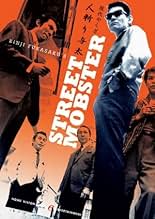
Fun, crazy yakuza flick
Outlaw Killer or as it says in the film, Street Mobster, is a bloody violent look into a totally self-destructive renegade street punk that can't ever seem to back down from a fight, no matter how suicidal. Truly a hilarious, incredibly charismatic character. So funny.
The film follows him as he talks about his youth, his incarceraton and picks up with him creating a new gang. Parts are a bit too melodramatic, especially at the end, but the characters are well-crafted and the action sequences are frenetic and fun.
A unique view of yakuza and street punk life in Japan in the early '70s from crazy-guy Fukasaku, the man behind Tora! Tora! Tora! and the fantastic Battle Royale.
The film follows him as he talks about his youth, his incarceraton and picks up with him creating a new gang. Parts are a bit too melodramatic, especially at the end, but the characters are well-crafted and the action sequences are frenetic and fun.
A unique view of yakuza and street punk life in Japan in the early '70s from crazy-guy Fukasaku, the man behind Tora! Tora! Tora! and the fantastic Battle Royale.
76325
A movie that doesn't age
Unbelievable - this ultraviolent gangster flick is from 1972 - if it wasn't for the poor monophonic sound mix on the dvd, you almost wouldn't recognize the age! Fast cuts, ultracool gangster hero, bloody beat-ups and shootings - everything that Beat Takeshi Kitano is exploring and developing to a further stage in his brilliant movies 'Hana-Bi' or 'Brother' can be found in this masterpiece as a blueprint.
Fans of Asian action cinema won't be disappointed - the film is moving so fast, the inevitable climax almost let's you lose breath - this is a true gem! Get it, see it!
Doomed, restless, violent, self-destructive, Japanese, street punk classic.
The proud, self-destructive, punk/anti-hero violates national boundaries without compunction in late 60s/early 70s cinema. Here Isamu Okita (Bunta Sugawara), often simply called "Bro", is reminiscent not only of Alex (A Clockwork Orange) but also of Ivan (The Harder They Come), Johnny Boy (Mean Streets) and even of Michel (À bout de soufflé).
'Gendai yakuza: hito-kiri yota' (which, in English, apparently means something like Outlaw Killer or Street Mobster) is a restless, prowling movie that occasionally bursts into hyperkinetic action. Something about the verging-on-ludicrous action scenes gives the viewer almost the same sense of release that Bro and the other punks feel.
Isamu is a punk, a whore-son, born on the margins of post-war society. By virtue of his own courage and propensity for violence he becomes the leader of a street gang and attracts the attention of the more established yakuza crimelords. Most of the drama revolves around the conflict between his pride and his superiors.
'Street Mobster' is very well filmed and has aged well, it's influence on films like 'Fight Club' is palpable.
'Gendai yakuza: hito-kiri yota' (which, in English, apparently means something like Outlaw Killer or Street Mobster) is a restless, prowling movie that occasionally bursts into hyperkinetic action. Something about the verging-on-ludicrous action scenes gives the viewer almost the same sense of release that Bro and the other punks feel.
Isamu is a punk, a whore-son, born on the margins of post-war society. By virtue of his own courage and propensity for violence he becomes the leader of a street gang and attracts the attention of the more established yakuza crimelords. Most of the drama revolves around the conflict between his pride and his superiors.
'Street Mobster' is very well filmed and has aged well, it's influence on films like 'Fight Club' is palpable.
Not a film to watch with your mother!
This movie is the life story of a punk named Isamu--with the bulk of it following his insane path following his release from prison. While the idea of a mobster being a sociopath is no surprise, Isamu is peculiar even among the yakuza. This is because he also has an insane need for excitement and is incredibly self-destructive and angry--so much so that you know he cannot continue his path for long. After all, taking on the yakuza (sort of like the Japanese mafia) nearly single-handedly is just plain nuts! Yet, this crazed punk assembles a very small gang and attempts to do just that!
"Street Mobster" is one of the most violent and nihilistic Japanese films I have ever seen. Its violence is vicious, uncaring and filled with pure rage. And, as a portrait of a thug, it IS effective and realistic. But, with graphic rapes, stabbing after stabbing after stabbing, it makes you wonder who the audience would be for this blood-fest. Plus, after raping one woman, the lady then has a twisted love-hate relationship with him that is just plain unsavory. Not a movie I enjoyed and one I am loathe to recommend because it's so nasty, but it IS unflinching and pulls no punches.
Did you know
- ConnectionsFeatured in Yakuza Eiga, une histoire du cinéma yakuza (2009)
Details
- Release date
- Country of origin
- Official site
- Language
- Also known as
- Уличный бандит
- Production company
- See more company credits at IMDbPro
Contribute to this page
Suggest an edit or add missing content