
A juror on a murder case begins to believe that the man on trial is innocent of the crime - and then discovers that the real killer is her own husband.A juror on a murder case begins to believe that the man on trial is innocent of the crime - and then discovers that the real killer is her own husband.A juror on a murder case begins to believe that the man on trial is innocent of the crime - and then discovers that the real killer is her own husband.
- Director
- Writers
- Stars



- Director
- Writers
- All cast & crew
- Production, box office & more at IMDbPro
5.6391
1
2
3
4
5
6
7
8
9
10
Featured reviews
Nolte has a very small role in this one.
This is a TV movie that has Nick Nolte in a minor role. He does not have many lines in this one. If I remember right, Chloris Leachman is actually the star of this film which is a predictable court room drama and is not indicative of Nolte's acting talents at all.
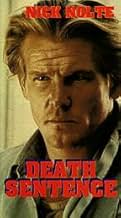
The box for this film has Nolte pictured on it but he is very seldom seen in this film.
The box for this film has Nolte pictured on it but he is very seldom seen in this film.
Contrived, to be sure, but a fun potboiler...
Cloris Leachman plays a wife and mother about to go on vacation with her husband when she's picked for jury duty on a murder trial; naturally, she's eager to be a good citizen, becoming emotionally (and personally) involved in the legal proceedings. Aaron Spelling-Leonard Goldberg production for TV isn't a flashy vehicle for the leading actress, but it doesn't need to be. Leachman is an appealing 'ordinary' woman, a good listener with a compassionate nature, and both her home life and her dedication to finding the truth in the murder case are engaging. Nick Nolte has an early role as the accused killer, and Laurence Luckinbill is appropriately smug as Leachman's spouse. The plot, adapted from the novel "After the Trial" by Eric Roman, is far-fetched, but waiting to see how writer John Neufeld and director E.W. Swackhamer work out all the angles is entertaining.
One big stinkeroo
This "movie" was incredibly painful to watch. Stilted, wooden dialogue, utterly predictable plot, lousy directing and bad camera work - in short, this thing's a train wreck.
The film possesses a strange juxtaposition of talented-but-wasted well-known actors (Leachman, Nolte, Luckinbill, Schallert) and eager-but-untalented relative unknowns. That the director approved this atrocity and that TV network executives allowed it to be aired is incredible. And now it's available on DVD - but why???
The talents of Ms. Leachman and Mr. Nolte are completely wasted. At least Ms. Leachman redeemed herself later that year (1974) in Young Frankenstein.
The film possesses a strange juxtaposition of talented-but-wasted well-known actors (Leachman, Nolte, Luckinbill, Schallert) and eager-but-untalented relative unknowns. That the director approved this atrocity and that TV network executives allowed it to be aired is incredible. And now it's available on DVD - but why???
The talents of Ms. Leachman and Mr. Nolte are completely wasted. At least Ms. Leachman redeemed herself later that year (1974) in Young Frankenstein.
One of Our Jurors is Missing
"It was a dark and stormy night," typed Snoopy, writing the final scene of this murder mystery movie of the week.
"Death Sentence" was quite an enjoyable picture with many moments of tension and suspense. And it's always fun to see familiar television actors picking up a few extra bucks between seasons. I did wonder what audiences in 1974 thought of flighty and flaky Phyllis Lindstrom playing it straight as a tightly wound mousy housewife with undiagnosed OCD, meticulously recording her car's mileage after each jaunt. The producers did take pains to disguise her usual effervescent appearance, but nothing could hide Leachman's signature halting stop-start speech pattern. I thought she did a fine job in this subtle and unglamourous role.
Also cast against type were sitcom vets Alan Oppenheimer and William Schallert playing the poor man's Perry Mason and Hamilton Burger. Their comedic default settings were on display, however, with Oppenheimer's mischievous grins as he made outrageous speculations he knew would be stricken from the record (even if not the minds of the jury). And Schallert's apoplectic objections were akin to those Mr. Pomfritt once made to Dobie and Maynard's monkeyshines.
Special mention must be made of Laurence Luckinbill toggling between calm reserve and wild-eyed wacko and whose manic facial expressions brought to mind his over-the-top performance as Sybok in STAR TREK V: THE FINAL FRONTIER. He was well cast and it was his unpredictability that lent the story much of its suspense. I loved him looming from the balcony and idly plucking a leaf as a metaphor for... murder.
I wondered if Woody Allen of all people caught this movie on an idle evening. The crazy mistress scene has striking parallels to the similar confrontation between Anjelica Huston and Martin Landau in CRIMES AND MISDEMEANORS. One almost sympathizes with the adulterous man who ends the affair with dignity and grace and suddenly faces an unhinged hell-hath-no-fury spurned woman shrieking threats of exposing him to his wife and community. I mean, did Marilyn really think screaming about ruining his life would win his heart and woo him away from his wife and children?
Vicki Lawrence taught me not to trust my soul to no backwoods southern lawyer. I would add sitcom stars playing lawyers in TV movies. Two glaring oversights by the attorneys in this case: (1) the scarf was left wrapped around the neck of the victim. Since it had been for two winters wrapped around the neck of the murderer, it likely had tell-tale hairs, cologne or aftershave traces or other incriminating evidence embedded within it. No mention was made of a forensic test ever being conducted, just the banal fact it was a common scarf available in a lot of local stores.
And (2) was what should have been the defense's trump card: The coroner declared the victim was killed at 10pm with a window of an hour each way. The bartender and the policeman should have been subpoenaed to testify that Nick Nolte's character was languishing in the bar long before 10 o'clock, long enough to drink himself into a stupor. And if Nolte had murdered his wife, would he (a) have left the body on the floor, and (b) have allowed a policeman to take him all the way inside his home?
I think these incontrovertible facts would have punctured even Mr. Bracken's premature and impenetrable conviction that Nolte was guilty. But they were inexplicably never raised.
A quibble that could have quashed the testimony of Mayberry's own Hope Summers: She testified to watching her game show from 8:30 to 9. She later adds she went to bed at 10, "right after my movie." Huh? What movie runs one hour? And besides, we clearly hear a game show ending when she turns off the set and announces "show's over." There never was a movie.
Another quibble: What was with Murray MacLeod hemming and hawing and keeping it fair until provoked, then suddenly vividly recalling the car was a cream-colored station wagon? His cheeky testimony should have been impeached not chuckled along with.
A credits quibble: Herb Voland played the harrumphing jury foreman Mr. Bracken, not Lew Brown as the credits read. Brown played the man holding out on a verdict, while the woman going all Henry Fonda was played by Meg Wylie. Of course, Cloris was holding out too but wasn't questioned. She had her reasons... very compelling ones too, as it turned out.
But it was Cloris' cake in the rain moment racing about and imagining things through windows where the movie kinda lost me (and lost a star). It also lost momentum as the conversation between Leachman and Luckinbill dragged on when we all knew what happened and what was going to happen. Cloris had to know if her husband murdered Marilyn he would kill her too.
A sequestered juror escaping would probably result in a mistrial, but of course startling new evidence was uncovered. I'm glad the movie ended where it did, leaving me confident that Nolte would be acquitted and free to murder his mother-in-law Doreen Lang, who knew all along he was innocent and her daughter pregnant by a paramour. But that's just fiction. Pity poor Luckinbill, whose real-life mother-in-law was Lucille Ball o' Fire, the original henna-rinse ginger.
"Death Sentence" was quite an enjoyable picture with many moments of tension and suspense. And it's always fun to see familiar television actors picking up a few extra bucks between seasons. I did wonder what audiences in 1974 thought of flighty and flaky Phyllis Lindstrom playing it straight as a tightly wound mousy housewife with undiagnosed OCD, meticulously recording her car's mileage after each jaunt. The producers did take pains to disguise her usual effervescent appearance, but nothing could hide Leachman's signature halting stop-start speech pattern. I thought she did a fine job in this subtle and unglamourous role.
Also cast against type were sitcom vets Alan Oppenheimer and William Schallert playing the poor man's Perry Mason and Hamilton Burger. Their comedic default settings were on display, however, with Oppenheimer's mischievous grins as he made outrageous speculations he knew would be stricken from the record (even if not the minds of the jury). And Schallert's apoplectic objections were akin to those Mr. Pomfritt once made to Dobie and Maynard's monkeyshines.
Special mention must be made of Laurence Luckinbill toggling between calm reserve and wild-eyed wacko and whose manic facial expressions brought to mind his over-the-top performance as Sybok in STAR TREK V: THE FINAL FRONTIER. He was well cast and it was his unpredictability that lent the story much of its suspense. I loved him looming from the balcony and idly plucking a leaf as a metaphor for... murder.
I wondered if Woody Allen of all people caught this movie on an idle evening. The crazy mistress scene has striking parallels to the similar confrontation between Anjelica Huston and Martin Landau in CRIMES AND MISDEMEANORS. One almost sympathizes with the adulterous man who ends the affair with dignity and grace and suddenly faces an unhinged hell-hath-no-fury spurned woman shrieking threats of exposing him to his wife and community. I mean, did Marilyn really think screaming about ruining his life would win his heart and woo him away from his wife and children?
Vicki Lawrence taught me not to trust my soul to no backwoods southern lawyer. I would add sitcom stars playing lawyers in TV movies. Two glaring oversights by the attorneys in this case: (1) the scarf was left wrapped around the neck of the victim. Since it had been for two winters wrapped around the neck of the murderer, it likely had tell-tale hairs, cologne or aftershave traces or other incriminating evidence embedded within it. No mention was made of a forensic test ever being conducted, just the banal fact it was a common scarf available in a lot of local stores.
And (2) was what should have been the defense's trump card: The coroner declared the victim was killed at 10pm with a window of an hour each way. The bartender and the policeman should have been subpoenaed to testify that Nick Nolte's character was languishing in the bar long before 10 o'clock, long enough to drink himself into a stupor. And if Nolte had murdered his wife, would he (a) have left the body on the floor, and (b) have allowed a policeman to take him all the way inside his home?
I think these incontrovertible facts would have punctured even Mr. Bracken's premature and impenetrable conviction that Nolte was guilty. But they were inexplicably never raised.
A quibble that could have quashed the testimony of Mayberry's own Hope Summers: She testified to watching her game show from 8:30 to 9. She later adds she went to bed at 10, "right after my movie." Huh? What movie runs one hour? And besides, we clearly hear a game show ending when she turns off the set and announces "show's over." There never was a movie.
Another quibble: What was with Murray MacLeod hemming and hawing and keeping it fair until provoked, then suddenly vividly recalling the car was a cream-colored station wagon? His cheeky testimony should have been impeached not chuckled along with.
A credits quibble: Herb Voland played the harrumphing jury foreman Mr. Bracken, not Lew Brown as the credits read. Brown played the man holding out on a verdict, while the woman going all Henry Fonda was played by Meg Wylie. Of course, Cloris was holding out too but wasn't questioned. She had her reasons... very compelling ones too, as it turned out.
But it was Cloris' cake in the rain moment racing about and imagining things through windows where the movie kinda lost me (and lost a star). It also lost momentum as the conversation between Leachman and Luckinbill dragged on when we all knew what happened and what was going to happen. Cloris had to know if her husband murdered Marilyn he would kill her too.
A sequestered juror escaping would probably result in a mistrial, but of course startling new evidence was uncovered. I'm glad the movie ended where it did, leaving me confident that Nolte would be acquitted and free to murder his mother-in-law Doreen Lang, who knew all along he was innocent and her daughter pregnant by a paramour. But that's just fiction. Pity poor Luckinbill, whose real-life mother-in-law was Lucille Ball o' Fire, the original henna-rinse ginger.
But, Angel, we are happily married!
Cloris Leachman is, as far as I'm concerned, the uncrowned queen of 70s TV movies. Of course, she also starred in bigger cinema productions (including the films of Mel Brooks) and even won an Oscar for "The Last Picture Show", but for me she remains the star of very exciting TV-movies such as "Dying Room Only", "Hitchhike!", "Haunts of the very Rich", and many others. "Death Sentence" also belongs in this list, and although the film gets a lot of harsh reviews around here, I found it very suspenseful, identifiable, and compelling.
Leachman was not the most beautiful actress of her generation, but she was a real lady with class and natural maturity. These qualities fit perfectly for her character Susan Davies, a middle-aged woman who, as a juror in a murder trial, slowly and painfully must conclude that the defendant is innocent, but that the murder of a young blonde was committed by her own loving husband.
Leachman is brilliant as the woman who is torn apart by doubt, and who slowly sees her whole life falling apart. Laurence Luckinbill is even more fantastic as her adulterous husband for whom lying and living a double life is apparently a piece of cake. The most famous name in the cast is perhaps that of Nick Nolte, as the innocent husband on trial, but his role is quite limited. "Death Sentence" perfectly illustrates why I love TV thrillers from the 70s so much. They are short (barely 75 minutes) but professionally made and entertaining.
Leachman was not the most beautiful actress of her generation, but she was a real lady with class and natural maturity. These qualities fit perfectly for her character Susan Davies, a middle-aged woman who, as a juror in a murder trial, slowly and painfully must conclude that the defendant is innocent, but that the murder of a young blonde was committed by her own loving husband.
Leachman is brilliant as the woman who is torn apart by doubt, and who slowly sees her whole life falling apart. Laurence Luckinbill is even more fantastic as her adulterous husband for whom lying and living a double life is apparently a piece of cake. The most famous name in the cast is perhaps that of Nick Nolte, as the innocent husband on trial, but his role is quite limited. "Death Sentence" perfectly illustrates why I love TV thrillers from the 70s so much. They are short (barely 75 minutes) but professionally made and entertaining.


Did you know
- TriviaDuring the trial, before the jury has even begun to deliberate, Mrs. Davies refers to Mr. Bracken as the foreman, but they are normally not voted in as such until both the prosecution and defence have rested. It could be, however, that in some cases, the foreman or forewoman is chosen right from the start, or appointed by the judge.
- GoofsIn the courtroom scene during Mrs. Boylan's examination, masking tape can be seen on the floor of the set to mark where the actors should stand. The tape is not there in any other scenes.
Details
- Release date
- Country of origin
- Language
- Also known as
- After the Trial
- Filming locations
- South Pasadena Public Library - 1100 Oxley St, South Pasadena, California, USA(El Centro St entrance, as courthouse)
- Production company
- See more company credits at IMDbPro
Contribute to this page
Suggest an edit or add missing content