IMDb RATING
7.5/10
2.3K
YOUR RATING


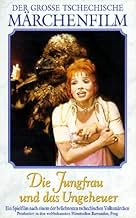
In this gothic rendition of the classic fairy tale, a merchant's youngest daughter is held prisoner by a mysterious winged beast.In this gothic rendition of the classic fairy tale, a merchant's youngest daughter is held prisoner by a mysterious winged beast.In this gothic rendition of the classic fairy tale, a merchant's youngest daughter is held prisoner by a mysterious winged beast.
- Awards
- 2 wins & 1 nomination total


Jorga Kotrbová
- Málinka
- (voice)

Tatjana Medvecká
- Julie
- (voice)
7.52.3K
1
2
3
4
5
6
7
8
9
10
Featured reviews
Fantastic rendering of a classic fairytale
This film noir version of the classic fairytale, Beauty and the Beast, is captivating and magical. In many respects it is closer to the original story than other versions I have seen. I did see it once on television in the US. I have not been able to locate a copy of the video. I highly recommend it.
Breathtaking
What a wonderful film it is. Never having seen it before and only the Cocteau, made in 1946, a couple of times. I know there are many other versions but I think these two will be good enough for me when I like to watch this story again. I didn't really think that this one would be very good but it is amazing. Right from the beginning there is a stunning opening with a forest and a terrible ride with many horses and wagons, in the rain and the mud. Then there are the credits, even more wonderful as surrealist like paintings almost animated, unusual and original. Then back to the forest, the peasants have taken the wrong turning and they are lost but there is fire and horror. In the village and the man and his three girls with two of them getting married but he gets word that the wagons and their treasures and spices are lost and he will not make his money. There will be no wedding. He goes into the forest with his painting of his dead wife all seems to be okay and later with the third daughter she has to go into that gothic ruin in the forest and maybe find a husband. We know the story well enough but with this one and the beast or monster or her lover it is really well done and thrilling and beautiful to watch it all the time throughout. Breathtaking.
10Atulur
Most thrilling version of the Beauty and the Beast
Although I doubt that this film was ever on in the U.S., since I live in the country where it was shot, I can warmly recommend it to anyone who loves fairy tales taken in a harsher and darker manner. The atmosphere of the film is gloomy and the camera is very original - we can see the Beast /who has here gruesome bird-like looks/ only in the middle of the film. In the first part of the film we feel his presence only through his eyes. The beginning of the movie has nothing to do with a fairy tale, it is a pure horror - a dark forest, amazing church-pipe tones, chilling to the bone, mist all around and a sudden sound of hoofs getting nearer and nearer... The dark atmosphere of the whole film is weakend by a dream interlude in which the Monster is shown as a normal human being dancing with the heroine in rooms full of glare and light. Fantastic music again. Perfect acting /best Czech actors whatsover, great choreography/,a super setting /a dark palace of the Monster/. The film will give you a totally different approach to the old well known fairy tale.
A dark imagining of the story.
It's difficult to get past the opening scenes of close-ups of animal abuse, but at least that sets the tone for this very dark and murky adaption of the famous story. They say the acting life can be very glamorous - it certainly isn't the case here. No CGI safety-net, the performers attached to this story certainly seem to suffer for their art in a variety of uncomfortably cold situations.
It's good when horror films bring some new locations into their stories, but equally, it's always worth it to revisit the vast crumbling lairs of traditional settings, and that is done really effectively here; the story is given the most impressive horror treatment. Creatures hide in shadow - you only know they're there when you see a rolled eyeball or a moving, inhuman talon. There is enough of a fairytale quality to this to appeal to the inner child, and there are moments when the eyes will moisten! It's all accompanied by wonderful, sepulchral music, and directed like a hugely gothic TV film. My score is 8 out of 10.
It's good when horror films bring some new locations into their stories, but equally, it's always worth it to revisit the vast crumbling lairs of traditional settings, and that is done really effectively here; the story is given the most impressive horror treatment. Creatures hide in shadow - you only know they're there when you see a rolled eyeball or a moving, inhuman talon. There is enough of a fairytale quality to this to appeal to the inner child, and there are moments when the eyes will moisten! It's all accompanied by wonderful, sepulchral music, and directed like a hugely gothic TV film. My score is 8 out of 10.
10vainoni
Panna a Netvor
So, "Panna a Netvor"--"Beauty and the Beast" for English-speakers, though a more accurate translation is "The Maiden and the Monster." It's a more horror-tinged version of the tale, and is really not for little kids.
Fairy tales seem to specialize in magical transformations: beasts into humans , paupers into princes and princesses, etc. But look again and you'll see that the transformations aren't really transformations--Cinderella, for example, was always a princess on the inside; she just had to be recognized as one. So what many fairy tales do is show things as they really are--or, at least, as they should be. This version of "Beauty and the Beast" shows things as they are *and* how they should be, and works toward bridging the gap, making it more modern than your average fairy tale.
When the story starts, things as they are are pretty horrifying: our "Beast" (Netvor) is not a prince--he is never called one, he lives in a mansion and not a castle, and though he has servants they are monsters similar to himself. He is partially a bird and partially a beast (which is represented by both his body and a sinister voice that tells him to kill things, including our "Beauty," Julie). His little voice tells us that he's been fully transmogrified for at least twenty years.
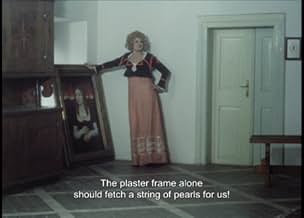
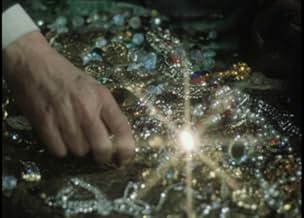
It's usually pretty hard to make any "Beauty" interesting, since she merely exists to be lovely and good so that the "Beast" figure can be saved, but this movie gives it a go. As in the original fairy tale, she is the daughter of a merchant, not an inventor (as in the Disney version); her two selfish, money-obsessed sisters are slated to be married to other merchants, and their father has sunk everything into buying things for their respective weddings. Unfortunately, the goods need to travel through the Black Forest, and the people driving the carts stumble across one of the Beast's trip wires. So all the merchant's property is destroyed, and he and his three daughters are destitute. The merchant goes off with their mother's portrait to sell. The two selfish daughters want gold and gems, but Julie will accept a wild rose (his suggestion, not hers). He *also* needs to go through the Black Forest (WHY? WHY?!), but our Beast has gotten his fill of violence from the destruction of the merchant's goods, so his human side is slightly dominant over his beast one. When the merchant stumbles into the house, the Beast has his servants feed him and give him wine, and he even lays out jewels on the table for the merchant to take in exchange for the portrait. (These gems are not at all valuable to the Beast--magic works according to strange rules in this movie.) Then the merchant takes one of the Beast's roses, and you *know* what happens then. :) When he returns with shiny things, the two older sisters are thrilled, even after the merchant tells them he needs to die because he took a rose for Julie. Unless, of course, one of the three daughters will go back to the Beast in his place (that's always part of the deal)...and there's Julie, riding off into the forest. Notice, though, that the merchant said nothing about a beast.
Anyway, Julie shows up at the manor, drinks some suspicious-looking wine (poured by the gremlin who lives in the chandelier) and passes out. She then has a dream of being shut up in a coffin (alive) and rescued by (we presume) the Beast in human form. While she sleeps, the Beast stands over her and struggles with the little voice that wants him to kill her and drink her blood. Finally, he runs off into the woods and kills a deer.
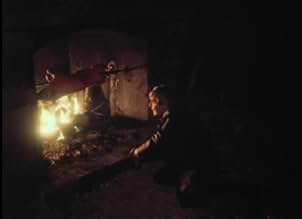
When Julie wakes up, she's alone. While she's sitting in front of the fire, the Beast shows up behind her, ordering her not to turn around, and he interrogates her. She tells him why she's there. He asks if he can visit her the next night, and the cat-and-mouse chase begins. Believe it or not, the little voice is still pretty adamant about killing her. So her days go on--every morning and evening, the table seems to set itself, and she has pretty jewels and dresses to wear, and life is good. The Beast visits her at night, but only briefly.
Now I need to back up a bit. Magic, in this movie, is dependent on two things: the worth of the object to be transformed and how much the magic-maker/receiver deserves that object. The Beast's gremlins serve him less because he deserves it and more because his force compels it, but it's the same general principle. The gems that the Beast gave Julie's father were created only because he gave up the portrait of his wife--the sentimental value transformed everyday, broken-down objects into precious gemstones, because the merchant deserved them for his sacrifice. Julie's things are beautiful because she deserves them. When she goes home, her sisters insist on "borrowing" (read: stealing) her things, but as soon as the one sister tries on her dress, it turns to rags, and as soon as the other sister tries on her necklace, it turns to mud. Why? Because they don't deserve them. There is a strong element of justice in a lot of fairy-tales, but the theme does not usually play out quite so strongly in "Beauty in the Beast" (which is usually skewed toward *not* judging, based on appearances or anything else).
The Beast is made human due to the same general principles of this magic. He works toward deserving happiness. Julie is an active agent, but he is (as Michelangelo said) the marble and the sculptor--the substance, and the worker of that substance.
The end is a reprise of Julie's earlier dream, and is very '70's and a little tacky. Ah well.
This is probably my favorite version of the fairy tale. Recommended.
Fairy tales seem to specialize in magical transformations: beasts into humans , paupers into princes and princesses, etc. But look again and you'll see that the transformations aren't really transformations--Cinderella, for example, was always a princess on the inside; she just had to be recognized as one. So what many fairy tales do is show things as they really are--or, at least, as they should be. This version of "Beauty and the Beast" shows things as they are *and* how they should be, and works toward bridging the gap, making it more modern than your average fairy tale.
When the story starts, things as they are are pretty horrifying: our "Beast" (Netvor) is not a prince--he is never called one, he lives in a mansion and not a castle, and though he has servants they are monsters similar to himself. He is partially a bird and partially a beast (which is represented by both his body and a sinister voice that tells him to kill things, including our "Beauty," Julie). His little voice tells us that he's been fully transmogrified for at least twenty years.
It's usually pretty hard to make any "Beauty" interesting, since she merely exists to be lovely and good so that the "Beast" figure can be saved, but this movie gives it a go. As in the original fairy tale, she is the daughter of a merchant, not an inventor (as in the Disney version); her two selfish, money-obsessed sisters are slated to be married to other merchants, and their father has sunk everything into buying things for their respective weddings. Unfortunately, the goods need to travel through the Black Forest, and the people driving the carts stumble across one of the Beast's trip wires. So all the merchant's property is destroyed, and he and his three daughters are destitute. The merchant goes off with their mother's portrait to sell. The two selfish daughters want gold and gems, but Julie will accept a wild rose (his suggestion, not hers). He *also* needs to go through the Black Forest (WHY? WHY?!), but our Beast has gotten his fill of violence from the destruction of the merchant's goods, so his human side is slightly dominant over his beast one. When the merchant stumbles into the house, the Beast has his servants feed him and give him wine, and he even lays out jewels on the table for the merchant to take in exchange for the portrait. (These gems are not at all valuable to the Beast--magic works according to strange rules in this movie.) Then the merchant takes one of the Beast's roses, and you *know* what happens then. :) When he returns with shiny things, the two older sisters are thrilled, even after the merchant tells them he needs to die because he took a rose for Julie. Unless, of course, one of the three daughters will go back to the Beast in his place (that's always part of the deal)...and there's Julie, riding off into the forest. Notice, though, that the merchant said nothing about a beast.
Anyway, Julie shows up at the manor, drinks some suspicious-looking wine (poured by the gremlin who lives in the chandelier) and passes out. She then has a dream of being shut up in a coffin (alive) and rescued by (we presume) the Beast in human form. While she sleeps, the Beast stands over her and struggles with the little voice that wants him to kill her and drink her blood. Finally, he runs off into the woods and kills a deer.
When Julie wakes up, she's alone. While she's sitting in front of the fire, the Beast shows up behind her, ordering her not to turn around, and he interrogates her. She tells him why she's there. He asks if he can visit her the next night, and the cat-and-mouse chase begins. Believe it or not, the little voice is still pretty adamant about killing her. So her days go on--every morning and evening, the table seems to set itself, and she has pretty jewels and dresses to wear, and life is good. The Beast visits her at night, but only briefly.
Now I need to back up a bit. Magic, in this movie, is dependent on two things: the worth of the object to be transformed and how much the magic-maker/receiver deserves that object. The Beast's gremlins serve him less because he deserves it and more because his force compels it, but it's the same general principle. The gems that the Beast gave Julie's father were created only because he gave up the portrait of his wife--the sentimental value transformed everyday, broken-down objects into precious gemstones, because the merchant deserved them for his sacrifice. Julie's things are beautiful because she deserves them. When she goes home, her sisters insist on "borrowing" (read: stealing) her things, but as soon as the one sister tries on her dress, it turns to rags, and as soon as the other sister tries on her necklace, it turns to mud. Why? Because they don't deserve them. There is a strong element of justice in a lot of fairy-tales, but the theme does not usually play out quite so strongly in "Beauty in the Beast" (which is usually skewed toward *not* judging, based on appearances or anything else).
The Beast is made human due to the same general principles of this magic. He works toward deserving happiness. Julie is an active agent, but he is (as Michelangelo said) the marble and the sculptor--the substance, and the worker of that substance.
The end is a reprise of Julie's earlier dream, and is very '70's and a little tacky. Ah well.
This is probably my favorite version of the fairy tale. Recommended.


Did you know
- TriviaBecause of the director's decision to build the entire castle in the studio, the budget was so high that Juraj Herz had to shoot a second fairy tale The Ninth Heart (1979), on the same set at the same time. Both films took 90 days to shoot. Parts of the set were also used for Ota Koval's Kocicí princ (1979).
- GoofsWhen the father is travelling with the painting, a crow flies out from behind a log. A crew member's hands can be seen throwing the bird upward.
- ConnectionsFeatured in Predcasná úmrtí: Bozský skeptik (2001)
- How long is Beauty and the Beast?Powered by Alexa
Details
- Release date
- Country of origin
- Language
- Also known as
- Die Jungfrau und das Ungeheuer
- Production company
- See more company credits at IMDbPro
Contribute to this page
Suggest an edit or add missing content