IMDb RATING
6.5/10
6.7K
YOUR RATING


During the Great Depression, a sheet-music salesman seeks to escape his dreary life through popular music and a love affair with an innocent schoolteacher.During the Great Depression, a sheet-music salesman seeks to escape his dreary life through popular music and a love affair with an innocent schoolteacher.During the Great Depression, a sheet-music salesman seeks to escape his dreary life through popular music and a love affair with an innocent schoolteacher.
- Nominated for 3 Oscars
- 3 wins & 9 nominations total

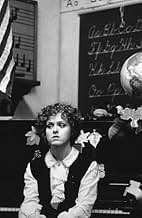
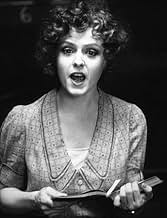
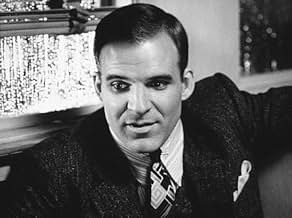


Francis X. McCarthy
- The Bartender
- (as Frank McCarthy)


Gloria LeRoy
- A Prostitute
- (as Gloria Leroy)

Shirley Kirkes Mar
- Tart
- (as Shirley Kirkes)

- Director
- Writer
- All cast & crew
- Production, box office & more at IMDbPro
6.56.6K
1
2
3
4
5
6
7
8
9
10
Featured reviews
25 years later the crowd is ready.
I am glad I don't live in Frostbite Falls because I might shiver at the thought of such a complex and clever film as PENNIES FROM HEAVEN. Made with a massive 1980 budget of $22 million and all of it up there on the screen, this genuine masterwork is one of the great unappreciated and misunderstood films of its day. The biggest hurdle the film could not overcome (then) was the casting of comedy stars in Art Deco darkness. Steve Martin had just scored a bullseye in the wild comedy THE JERK. For mainstream audiences to even then turn around and slightly embrace the sad loneliness of PENNIES' aching melancholy is impossible. PENNIES' failed and was consigned to misfire history. Today in 2005 this film deserves to stand with CHICAGO or even MOULIN ROUGE in its sly dark new century crowd pleaser theatrics. It is a film for this century and if audiences today have the chance to appreciate and applaud it's brilliant creative slant and dramatic spectacle, it will be a success. Possibly in the same ironic fantasy manner of THE PIRATE or YOLANDA AND THE THIEF, or LADY IN THE DARK of the 40s, ITS ALWAYS FAIR WEATHER from 1955, maybe THE BOYFRIEND of the 70s and even the original 1988 HAIRSPRAY by John Waters, PENNIES' belongs to that rare style of musical spectacle: the emotional fantasy with a dark satire core. Truly great.
An unsatisfying watch
I saw "Pennies from Heaven" in the theater and I've seen it several times since. It has always been an unsatisfying watch. It's just too downbeat. Director Herbert Ross and company deserve an E for effort but the movie doesn't work as well as it should. Steve Martin's character is just too unlikable. The misery he spreads is just too much. The movie does look great. The set design and costumes are terrific. The musical numbers are very good. "Pennies from Heaven" jerks the audience from one extreme to another. It's often an uncomfortable movie to watch.
Loved The Hilarious, Innovative Musical Numbers; Hated The Depressing Story
Man, did I love the musical numbers in this film.....but hated the story. I wound up taping just the music segments out of this film and making myself a neat little half-hour video of fantastic song-and-dance numbers.
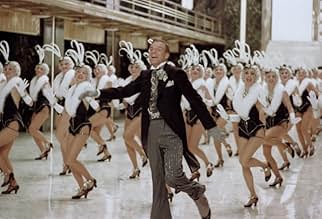
The dance numbers are 1920s-1930s material except you get 1980s color and special-effects (and loose sexual mores). Actually, these are more like put- ons of those routines, including Busby Berkeley extravaganzas. Added to the routines are humor. I just laughed out loud at the absurdity of them, which included having the actors lip-sync to the old-time singers.
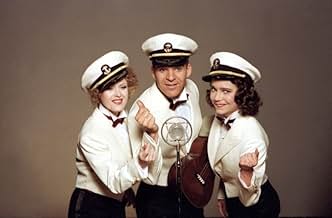
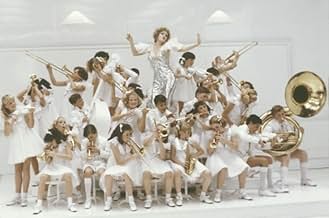
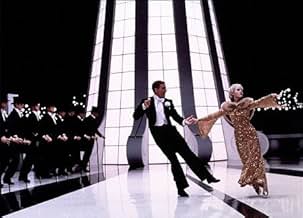
The dance routines are all totally different and very entertaining, from the opening bank skit, to the kids in the classroom to Christopher Walken's striptease to Steve Martin and Bernadette Peters imitating Astaire & Rogers. The dancing is good and the songs are great: catchy and fun.
Story-wise, Martin ("Arthur Parker") plays a boorish, profane, lying and just plain unlikeable character. Are we supposed to root for him? Maybe we are to root for Peters, who plays "Lulu," the school teacher-turned- prostitute (sounds like real-life these days with all the female teacher sex scandals). Hey, I like Martin in a lot of films. He can be a very entertaining guy, but the character he plays in here.....well, you can have him and this very cynical and depressing story. No thanks.
It's no surprise to me it bombed at the box office. Too bad, because with a more appealing story a lot more people would have been treated to the great musical numbers in this movie.
The dance numbers are 1920s-1930s material except you get 1980s color and special-effects (and loose sexual mores). Actually, these are more like put- ons of those routines, including Busby Berkeley extravaganzas. Added to the routines are humor. I just laughed out loud at the absurdity of them, which included having the actors lip-sync to the old-time singers.
The dance routines are all totally different and very entertaining, from the opening bank skit, to the kids in the classroom to Christopher Walken's striptease to Steve Martin and Bernadette Peters imitating Astaire & Rogers. The dancing is good and the songs are great: catchy and fun.
Story-wise, Martin ("Arthur Parker") plays a boorish, profane, lying and just plain unlikeable character. Are we supposed to root for him? Maybe we are to root for Peters, who plays "Lulu," the school teacher-turned- prostitute (sounds like real-life these days with all the female teacher sex scandals). Hey, I like Martin in a lot of films. He can be a very entertaining guy, but the character he plays in here.....well, you can have him and this very cynical and depressing story. No thanks.
It's no surprise to me it bombed at the box office. Too bad, because with a more appealing story a lot more people would have been treated to the great musical numbers in this movie.
Excellent adaptation of the BBC classic
Much has already been written here saying positive things about Pennies From Heaven, but the best reason for the excellence of the film lies in the fact that the screenplay was written by Dennis Potter. I give the film a 9 and the BBC series a 10+++. There is so much more to this story than can be told in a single film.
Potter wrote what I consider the two most brilliant series ever on television, Pennies From Heaven starring Bob Hoskins and The Singing Detective starring Michael Gambon. Both were dark films with more than their share of irony. Potter interjected popular music of the eras into the story lines in their original versions lip-synced by the actors. These films aren't for casual viewers. You need to keep your brain attached and operating all the time, so smart is Potter's writing. Those of us who make the effort are rewarded with stories of sheer genius.
The jump from England in the BBC mini-series to the US in the films works better than I would have imagined. I give all the credit to the producers who had the good sense to have Potter do the screenplays for both films. They are translated to a similar mood and setting and the music is well integrated. I think the adaptation of The Singing Detective is more like the BBC version because the numbers aren't so overproduced as in Pennies From Heaven. On the other hand, the cast of Pennies is a powerhouse of musical talent with Bernadette Peters and Christopher Walken and the surprisingly good Steve Martin. With lesser talent in both the writing and acting the big production numbers would have overwhelmed the story.
Watch the US films first and then follow them up with the BBC versions. Make the intellectual investment and reap your rewards. These BBC series are brilliant. If you need more mental stimulation after these two series have boosted your IQ, try to hunt down Lipstick On Your Collar. This is a later Dennis Potter BBC series based on what turned out to be the "final straw" in the fall of the British Empire, the loss of Egypt and the Suez Canal to a considerably out manned and out gunned Egyptian army. This, too, could work as a film (obviously not translated to the US), but only if Dennis Potter could be reincarnated to do the screenplay.
Potter wrote what I consider the two most brilliant series ever on television, Pennies From Heaven starring Bob Hoskins and The Singing Detective starring Michael Gambon. Both were dark films with more than their share of irony. Potter interjected popular music of the eras into the story lines in their original versions lip-synced by the actors. These films aren't for casual viewers. You need to keep your brain attached and operating all the time, so smart is Potter's writing. Those of us who make the effort are rewarded with stories of sheer genius.
The jump from England in the BBC mini-series to the US in the films works better than I would have imagined. I give all the credit to the producers who had the good sense to have Potter do the screenplays for both films. They are translated to a similar mood and setting and the music is well integrated. I think the adaptation of The Singing Detective is more like the BBC version because the numbers aren't so overproduced as in Pennies From Heaven. On the other hand, the cast of Pennies is a powerhouse of musical talent with Bernadette Peters and Christopher Walken and the surprisingly good Steve Martin. With lesser talent in both the writing and acting the big production numbers would have overwhelmed the story.
Watch the US films first and then follow them up with the BBC versions. Make the intellectual investment and reap your rewards. These BBC series are brilliant. If you need more mental stimulation after these two series have boosted your IQ, try to hunt down Lipstick On Your Collar. This is a later Dennis Potter BBC series based on what turned out to be the "final straw" in the fall of the British Empire, the loss of Egypt and the Suez Canal to a considerably out manned and out gunned Egyptian army. This, too, could work as a film (obviously not translated to the US), but only if Dennis Potter could be reincarnated to do the screenplay.
Flawed could've-been-masterpiece
This film has so many good things in it and so much talent worked so very hard on it that it's just baffling to me that so much of it doesn't work. I love '30s and '40s musicals, and I saw this film in 1981, and I've seen it about 10 times more on DVD. I like a lot of it, but somehow it's just not a very good movie, and I still can't figure out why.
The music is good. The musical numbers are creatively shot and well-executed; the Walken number alone took weeks to film. The sets, costumes, photography, and color are beautiful and give the film a real Depression feel. Clearly, no expense was spared. The actors give it their all. The re-creations of photos and paintings (including "Nighthawks" which is actually from WW2) are breathtaking. They must have been very hard to set up, light, and shoot. But, in keeping with the film's low-key style, they're not lingered on at all, and if you look away you can miss them.
Is the problem Steve Martin? This choice caused some controversy in 1981. He lacked film experience and he might not have been the ideal choice, although it's hard to guess what other leading man could have done that vaudeville stuff in 1981. Martin, at least, doesn't obviously fall down on the job; the verdict is still out. But Peters, who even apart from this film seems to belong to the '30s, holds up her end of things.
Maybe it's the script and the way the film is conceived. If the idea is to realize what these '30s drudges fantasize about-- and to do it in a '30s-musical style, as if they imagine themselves the heroes of musicals-- then there has to be something to the drudges that makes us care what they fantasize about. But there isn't enough to these people. They're drawn as thin types; yet the material is played very slowly, as if they were supposed to turn into real people at some point. They never do, and so by the end it all peters out (no pun intended). I also thought the subplot with the young girl was a maudlin absurdity, right out of a Mary Pickford tear-jerker.
Perhaps the real problem can be traced back to the origins of the project. It plays almost like an English musical made in an American style, and it doesn't work very well. The humor in the book is too tedious, too black, and too obsessed with tit jokes to be American. And the musical numbers are too slick, loud, and overproduced to be English. The filmmakers couldn't find a way to make these two parts fit together. And so they are just jammed together over and over again. One is constantly aware of the bad fit. It just doesn't come together, but in the various parts there are still more than enough reasons to see it.
The music is good. The musical numbers are creatively shot and well-executed; the Walken number alone took weeks to film. The sets, costumes, photography, and color are beautiful and give the film a real Depression feel. Clearly, no expense was spared. The actors give it their all. The re-creations of photos and paintings (including "Nighthawks" which is actually from WW2) are breathtaking. They must have been very hard to set up, light, and shoot. But, in keeping with the film's low-key style, they're not lingered on at all, and if you look away you can miss them.
Is the problem Steve Martin? This choice caused some controversy in 1981. He lacked film experience and he might not have been the ideal choice, although it's hard to guess what other leading man could have done that vaudeville stuff in 1981. Martin, at least, doesn't obviously fall down on the job; the verdict is still out. But Peters, who even apart from this film seems to belong to the '30s, holds up her end of things.
Maybe it's the script and the way the film is conceived. If the idea is to realize what these '30s drudges fantasize about-- and to do it in a '30s-musical style, as if they imagine themselves the heroes of musicals-- then there has to be something to the drudges that makes us care what they fantasize about. But there isn't enough to these people. They're drawn as thin types; yet the material is played very slowly, as if they were supposed to turn into real people at some point. They never do, and so by the end it all peters out (no pun intended). I also thought the subplot with the young girl was a maudlin absurdity, right out of a Mary Pickford tear-jerker.
Perhaps the real problem can be traced back to the origins of the project. It plays almost like an English musical made in an American style, and it doesn't work very well. The humor in the book is too tedious, too black, and too obsessed with tit jokes to be American. And the musical numbers are too slick, loud, and overproduced to be English. The filmmakers couldn't find a way to make these two parts fit together. And so they are just jammed together over and over again. One is constantly aware of the bad fit. It just doesn't come together, but in the various parts there are still more than enough reasons to see it.


Did you know
- TriviaChristopher Walken's bar-top dance scene took two months of rehearsal and two days of shooting. He claims he got compliments later from fans Fred Astaire and Gene Kelly.
- GoofsIn the classroom, a modern Canadian flag can be seen. It wasn't designed until 1964.
- Quotes
Joan Parker: [referring to Arthur's male organ, after discovering he's having an affair] Cut his thing off.
[the detective shows a look of shock and disgust]
Joan Parker: I want them to cut his thing off and bury it!
- SoundtracksPennies from Heaven
(1936)
Written by Johnny Burke and Arthur Johnston
Published by Intersong Music
Performed by Arthur Tracy
Courtesy of Decca Co. Ltd
Later sung by Steve Martin (uncredited)
- How long is Pennies from Heaven?Powered by Alexa
Details
- Release date
- Country of origin
- Language
- Also known as
- Tanz in den Wolken
- Filming locations
- 4th Street Bridge, Los Angeles, California, USA(murder scene, S Santa Fe Ave. Overpass)
- Production companies
- See more company credits at IMDbPro
Box office
- Budget
- $22,000,000 (estimated)
- Gross US & Canada
- $9,171,289
- Gross worldwide
- $9,171,289
- Runtime
- 1h 48m(108 min)
- Sound mix
- Aspect ratio
- 1.85 : 1
Contribute to this page
Suggest an edit or add missing content