
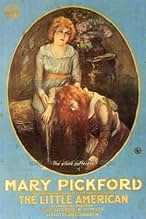
A young American has her ship torpedoed by a German U-boat but makes it back to ancestral home in France, where she witnesses German brutality firsthand.A young American has her ship torpedoed by a German U-boat but makes it back to ancestral home in France, where she witnesses German brutality firsthand.A young American has her ship torpedoed by a German U-boat but makes it back to ancestral home in France, where she witnesses German brutality firsthand.
- Directors
- Writers
- Stars




Wallace Beery
- German Soldier
- (uncredited)
Olive Corbett
- Nurse
- (uncredited)
Lucile Dorrington
- Nurse
- (uncredited)

Clarence Geldert
- Submarine Commander U-Boat 21
- (uncredited)

Carl Gerard
- Reverend
- (uncredited)
Robert Gordon
- Wounded Soldier
- (uncredited)

Gordon Griffith
- Child
- (uncredited)
- Directors
- Writers
- All cast & crew
- Production, box office & more at IMDbPro
6.3788
1
2
3
4
5
6
7
8
9
10
Featured reviews
Pickford the War Hero
When the US entered World War I, the government forced Hollywood to churn out propaganda films. THE LITTLE American is probably the best of the lot because it stars Mary Pickford.
Pickford plays a young woman torn between two men: Jack Holt (German) and Raymond Hatton (French), but her decision is delayed because of the war as both men enlist.
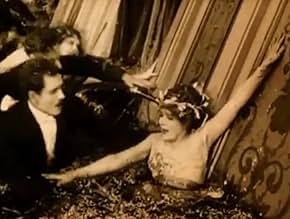
When the ship Pickford is sailing on is sunk by the Germans (think Lusitania) because it is carrying munitions, Pickford has a great scene as she stands on the lifeboat and yells at the German commander. Later on, of course, she runs into both Holt and Hatton when she is being held as a war prisoner at a château.
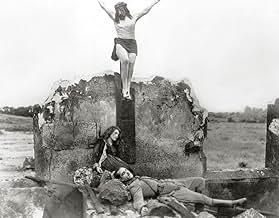
Director Cecil B. DeMille provides one truly great scene in this film as Pickford and Holt are wandering through a bombed-out village. They pass a destroyed church of which only one wall remains standing. Against the wall is a very large crucifix. As they stand and watch, the wall collapses but the Jesus figure remains, suspended in mid air. It's a very surreal moment in a film that is otherwise very straightforward and un-artsy.
Pickford is, as always, a pleasure to watch. She was always a very natural actress who avoided the arm-waving histrionics many other actors of the day used. She's also very very pretty. Holt is very good here in a leading-man role. Hatton is OK. Among the list of name actors in "extra" parts are Wallace Beery, Ramon Novarro, Colleen Moore, Ben Alexander, Hobart Bosworth, Norman Kerry, Walter Long, James Neill, and Edythe Chapman.
Not a great film, but interesting to see US propaganda at work.
Pickford plays a young woman torn between two men: Jack Holt (German) and Raymond Hatton (French), but her decision is delayed because of the war as both men enlist.
When the ship Pickford is sailing on is sunk by the Germans (think Lusitania) because it is carrying munitions, Pickford has a great scene as she stands on the lifeboat and yells at the German commander. Later on, of course, she runs into both Holt and Hatton when she is being held as a war prisoner at a château.
Director Cecil B. DeMille provides one truly great scene in this film as Pickford and Holt are wandering through a bombed-out village. They pass a destroyed church of which only one wall remains standing. Against the wall is a very large crucifix. As they stand and watch, the wall collapses but the Jesus figure remains, suspended in mid air. It's a very surreal moment in a film that is otherwise very straightforward and un-artsy.
Pickford is, as always, a pleasure to watch. She was always a very natural actress who avoided the arm-waving histrionics many other actors of the day used. She's also very very pretty. Holt is very good here in a leading-man role. Hatton is OK. Among the list of name actors in "extra" parts are Wallace Beery, Ramon Novarro, Colleen Moore, Ben Alexander, Hobart Bosworth, Norman Kerry, Walter Long, James Neill, and Edythe Chapman.
Not a great film, but interesting to see US propaganda at work.
USA's First WW1 Propaganda Hollywood Film
America entered World War One in April 1917 after almost three years of brutal fighting between England, France and their allies and Germany and its alliance. The first Hollywood so-called propaganda film released soon after Congress declared war on Germany and the Central Powers was Cecil B. DeMille's July 1917 "The Little American," starring Mary Pickford.
Its director DeMille had lost a good friend in the sinking of the Lusitania by a German submarine two years earlier, while Canadian Pickford had seen her native country involved in the war since 1914. Both were ardent supporters of the United States' war effort, and both eagerly participated in a movie that painted the Germans simply as barbarians. The Chicago Board of Censors, in fact, was so concerned about the city's large German-American population that it banned the movie from being shown. Two court rulings eventually overturned the censor board's prohibition from exhibiting "The Little American."
The Jeanne McPherson script does soften the anti-German edges somewhat by creating a young German residing in America as a paramour to Pickford. Karl Von Austreim, played by Jack Holt, is summoned by Germany in the fall of 1914 to join his regiment in Europe. The two lovers depart, only to once again meet on the battlefields of the Western Front. She's seen nursing several injured French soldiers after visiting her aunt in France, who had just died of natural causes near the fighting. Pickford ends up becoming a spy for the French, pinpointing important German artillery on her aunt's property. It is there she meets her old boyfriend, and he ends up becoming a protector for her.
While the film is praised for its recreation of a British liner's sinking by German hands, of which Pickford's character was a passenger, the movie failed to garner the enormous profits for the Mary Pickford Company, through its distribution branch Aircraft Pictures. This is the second and final picture DeMille directed with the popular actress. The first, released a couple months before in "A Romance of the Redwoods," was studio head Adolph Zukor's solution for a career correction for Pickford after viewing the preview of her last film, "The Poor Little Rich Girl." He saw the movie as being a total dud. Despite the actress having a clause in her contract giving her total control over her productions, Zukor felt DeMille's steady, serious hand would straighten her out. Of course "The Poor Little Rich Girl" ended up an enormous hit, and she would revert back to playing a kid again in her next two movies after "The Little American." To be fair, "Redwoods," on the basis of Pickford's star power, became the fourth highest grossing movie of the year.
Meanwhile, the two movies with DeMille spelled doom for her ongoing, unhappy marriage to actor Owen Moore, as well as making it easier in her clandestine romance with Douglas Fairbanks, whom she had met two years earlier at a Tarrytown, N. Y. party. The filming locations of "Redwoods" and "American" took place in southern California, where the married Fairbanks resided. Pickford had been living near her studio in Ft. Lee, N. J. before relocating out West. She would never live in the East ever again.
Returning to "A Little American:" Even a MacPherson script, co-written by DeMille, couldn't quite rescue "A Little American." MacPherson and the director formed one of the more successful and influential working partnerships in Hollywood. As an actress as well as a minor director and scriptwriter, she approached DeMille for an acting job in 1914. Instead, the director, realizing her scenario talents, hired her as a screenwriter. She went on to write 30 of DeMille's first 34 movie scripts, with her last screenplay for the director in 1930's "Madam Satan."
Its director DeMille had lost a good friend in the sinking of the Lusitania by a German submarine two years earlier, while Canadian Pickford had seen her native country involved in the war since 1914. Both were ardent supporters of the United States' war effort, and both eagerly participated in a movie that painted the Germans simply as barbarians. The Chicago Board of Censors, in fact, was so concerned about the city's large German-American population that it banned the movie from being shown. Two court rulings eventually overturned the censor board's prohibition from exhibiting "The Little American."
The Jeanne McPherson script does soften the anti-German edges somewhat by creating a young German residing in America as a paramour to Pickford. Karl Von Austreim, played by Jack Holt, is summoned by Germany in the fall of 1914 to join his regiment in Europe. The two lovers depart, only to once again meet on the battlefields of the Western Front. She's seen nursing several injured French soldiers after visiting her aunt in France, who had just died of natural causes near the fighting. Pickford ends up becoming a spy for the French, pinpointing important German artillery on her aunt's property. It is there she meets her old boyfriend, and he ends up becoming a protector for her.
While the film is praised for its recreation of a British liner's sinking by German hands, of which Pickford's character was a passenger, the movie failed to garner the enormous profits for the Mary Pickford Company, through its distribution branch Aircraft Pictures. This is the second and final picture DeMille directed with the popular actress. The first, released a couple months before in "A Romance of the Redwoods," was studio head Adolph Zukor's solution for a career correction for Pickford after viewing the preview of her last film, "The Poor Little Rich Girl." He saw the movie as being a total dud. Despite the actress having a clause in her contract giving her total control over her productions, Zukor felt DeMille's steady, serious hand would straighten her out. Of course "The Poor Little Rich Girl" ended up an enormous hit, and she would revert back to playing a kid again in her next two movies after "The Little American." To be fair, "Redwoods," on the basis of Pickford's star power, became the fourth highest grossing movie of the year.
Meanwhile, the two movies with DeMille spelled doom for her ongoing, unhappy marriage to actor Owen Moore, as well as making it easier in her clandestine romance with Douglas Fairbanks, whom she had met two years earlier at a Tarrytown, N. Y. party. The filming locations of "Redwoods" and "American" took place in southern California, where the married Fairbanks resided. Pickford had been living near her studio in Ft. Lee, N. J. before relocating out West. She would never live in the East ever again.
Returning to "A Little American:" Even a MacPherson script, co-written by DeMille, couldn't quite rescue "A Little American." MacPherson and the director formed one of the more successful and influential working partnerships in Hollywood. As an actress as well as a minor director and scriptwriter, she approached DeMille for an acting job in 1914. Instead, the director, realizing her scenario talents, hired her as a screenwriter. She went on to write 30 of DeMille's first 34 movie scripts, with her last screenplay for the director in 1930's "Madam Satan."
A good early Mary Pickford film directed by Cecil B. DeMille.
This film is blatantly an anti-German propaganda film to which audiences flocked because America declared war on Germany a few months before its release. It's very effective even today, as I found myself despising the Germans for their actions, which included killing civilians and raping some women. Mary Pickford plays the title character, uncharacteristically a grown woman instead of a child she played in most of her films during the silent era. She is wooed by German-American Jack Holt and French-American Raymond Hatton when war breaks out in 1914. The Germans are depicted as being overly brutal.
There was one scene that made me laugh, when the Germans break the door down to enter her aunt's home. Mary tells them in deadly ernest while waving a small American flag, "Gentlemen - you are breaking into the home of an American citizen - I must ask you to leave." The Germans, led by Walter Long, roared with laughter too. I couldn't decide if it was comic relief or if you were suppose to sympathize with Mary.
I rather enjoyed the film for what it was. It was paced well by DeMille and the acting was fine but typical of early silents. Walter Long made a good heavy - he can sneer with the best of them.
You may notice in the cast list some famous names (Wallace Beery, Ramon Novarro, etc.) without character names. You never actually see these actors, but they are known to have been in the film from various writings, including DeMille's autobiography.
There was one scene that made me laugh, when the Germans break the door down to enter her aunt's home. Mary tells them in deadly ernest while waving a small American flag, "Gentlemen - you are breaking into the home of an American citizen - I must ask you to leave." The Germans, led by Walter Long, roared with laughter too. I couldn't decide if it was comic relief or if you were suppose to sympathize with Mary.
I rather enjoyed the film for what it was. It was paced well by DeMille and the acting was fine but typical of early silents. Walter Long made a good heavy - he can sneer with the best of them.
You may notice in the cast list some famous names (Wallace Beery, Ramon Novarro, etc.) without character names. You never actually see these actors, but they are known to have been in the film from various writings, including DeMille's autobiography.
Mary Pickford Salutes Ramon Novarro
Mary Pickford ("Born on the Fourth of July" as Angela Moore) is "The Little American" (of French heritage); she falls in love with Jack Holt (as Karl Von Austreim), who had moved to America with his German father and American mother. French-American Raymond Hatton (as Count Jules de Destin of the "Fighting Destins") has fallen in love with Ms. Pickford. The love triangled threesome eventually wind up in France, with the Great War (World War I, in hindsight) complicating their lives considerably.
A mostly entertaining, if propagandistically flawed, Cecil B. DeMille film. The torpedoing, and sinking, of a ship carrying Pickford is "Titanic"-like. The war intrigue gets dramatic as Pickford slowly becomes an undercover spy for France, while the Germans occupy her ancestral home. Of course, German lover Holt arrives. It was difficult to believe they took so long to recognize each other as he moved in for the rape, but it was dark; and, prior events had them believe each other dead. The film goes WAY over-the-top in its symbolism. Pickford was, by the way, Canadian - though, few could deny she wasn't a "Little American", for all intents and purposes.
FUN to spot "extras" who later became major stars include Wallace Beery, Colleen Moore, and Ramon Novarro - especially, watch for Mr. Novarro exhibiting "star" quality during one of the film's more memorable sequences: Pickford and the wounded soldier saluting each other as he is taken by her on a stretcher. Novarro even gets Mary Pickford to write a letter for him; obviously, he's got a future in pictures. Also future-bound is Ben Alexander, who plays the boy "Bobby"; he becomes a dependable child actor, and grows up to become a Jack Webb partner on "Dragnet".
******* The Little American (7/12/17) Cecil B. DeMille ~ Mary Pickford, Jack Holt, Raymond Hatton
A mostly entertaining, if propagandistically flawed, Cecil B. DeMille film. The torpedoing, and sinking, of a ship carrying Pickford is "Titanic"-like. The war intrigue gets dramatic as Pickford slowly becomes an undercover spy for France, while the Germans occupy her ancestral home. Of course, German lover Holt arrives. It was difficult to believe they took so long to recognize each other as he moved in for the rape, but it was dark; and, prior events had them believe each other dead. The film goes WAY over-the-top in its symbolism. Pickford was, by the way, Canadian - though, few could deny she wasn't a "Little American", for all intents and purposes.
FUN to spot "extras" who later became major stars include Wallace Beery, Colleen Moore, and Ramon Novarro - especially, watch for Mr. Novarro exhibiting "star" quality during one of the film's more memorable sequences: Pickford and the wounded soldier saluting each other as he is taken by her on a stretcher. Novarro even gets Mary Pickford to write a letter for him; obviously, he's got a future in pictures. Also future-bound is Ben Alexander, who plays the boy "Bobby"; he becomes a dependable child actor, and grows up to become a Jack Webb partner on "Dragnet".
******* The Little American (7/12/17) Cecil B. DeMille ~ Mary Pickford, Jack Holt, Raymond Hatton
Effective & Often Compelling Wartime Melodrama
In its own time, this effective and often compelling wartime melodrama used the talents of Mary Pickford and a young Cecil B. DeMille in support of the Allies in the first world war. It works well in itself, and it might be even more worthwhile now, for a generation that can view the events of that era more impartially, in order to draw some broader lessons from it.
Pickford plays Angela, "The Little American", a young woman courted by a German and a Frenchman who are both living in America. This familiar setup soon becomes much more serious when the war breaks out, and the two young men return to Europe and the battlefield, with Pickford's character soon joining them in the midst of the turmoil and terror of the conflict. The ensuing story occasionally has some points in common with the Valentino/Rex Ingram classic "The Four Horsemen of the Apocalypse", though with a generally more hopeful tone.
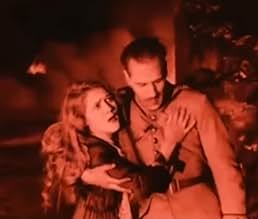
The first half has a particularly excellent sequence that depicts a submarine attacking a passenger liner. It works very well both dramatically and thematically. In particular, the light and motion of the sub's searchlight darting erratically through the darkness, so that its crew can survey the results of their attack, produces a chilling effect that is probably more effective than any amount of screaming could have been. The sequence works convincingly in portraying the barbarous, inhuman nature of attacks on civilian targets, and it also demonstrates the emptiness of the excuses used to justify them.
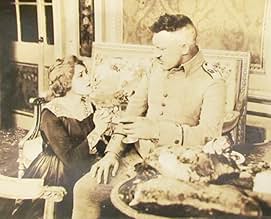
That is probably the strongest sequence, but the main story in the château also has some worthwhile material. The German soldiers are largely portrayed as subhuman, but this is balanced to a large degree by the character of Karl (Jack Holt) and his inner struggle between his sense of duty and his sense of justice. Holt and Pickford work well together, and Raymond Hatton, though not getting as much screen time, also makes good use of his opportunities.
With the delightful Pickford as the star, and DeMille already showing his ability to film set pieces effectively, this must have been very persuasive in its original purpose of strengthening support for the Allied cause. But now it can serve a different, and possibly more important, purpose. The harrowing experiences of Angela and the other characters are effective in demonstrating how quickly the fabric of human society can tear apart when military victory becomes all-important. While less ambitious and less well-known than the best-known of the classic movies that came out of the first world war, "The Little American" works well, and it is well worth the time to watch.
Pickford plays Angela, "The Little American", a young woman courted by a German and a Frenchman who are both living in America. This familiar setup soon becomes much more serious when the war breaks out, and the two young men return to Europe and the battlefield, with Pickford's character soon joining them in the midst of the turmoil and terror of the conflict. The ensuing story occasionally has some points in common with the Valentino/Rex Ingram classic "The Four Horsemen of the Apocalypse", though with a generally more hopeful tone.
The first half has a particularly excellent sequence that depicts a submarine attacking a passenger liner. It works very well both dramatically and thematically. In particular, the light and motion of the sub's searchlight darting erratically through the darkness, so that its crew can survey the results of their attack, produces a chilling effect that is probably more effective than any amount of screaming could have been. The sequence works convincingly in portraying the barbarous, inhuman nature of attacks on civilian targets, and it also demonstrates the emptiness of the excuses used to justify them.
That is probably the strongest sequence, but the main story in the château also has some worthwhile material. The German soldiers are largely portrayed as subhuman, but this is balanced to a large degree by the character of Karl (Jack Holt) and his inner struggle between his sense of duty and his sense of justice. Holt and Pickford work well together, and Raymond Hatton, though not getting as much screen time, also makes good use of his opportunities.
With the delightful Pickford as the star, and DeMille already showing his ability to film set pieces effectively, this must have been very persuasive in its original purpose of strengthening support for the Allied cause. But now it can serve a different, and possibly more important, purpose. The harrowing experiences of Angela and the other characters are effective in demonstrating how quickly the fabric of human society can tear apart when military victory becomes all-important. While less ambitious and less well-known than the best-known of the classic movies that came out of the first world war, "The Little American" works well, and it is well worth the time to watch.


Did you know
- TriviaFilm debut of Ramon Novarro.
- GoofsWhen Angela is returning to her bedroom after taking off the German commander's boots, the shot of her approaching the door is shown twice.
- Quotes
Count Jules De Destin: Since you are determined to stay, Mademoiselle, you may render France a great service.
- Alternate versionsThe George Eastman House version in their Motion Picture Study Collection has an uncredited piano score and runs 76 minutes.
- ConnectionsFeatured in The House That Shadows Built (1931)
Details
- Release date
- Country of origin
- Language
- Also known as
- Маленькая американка
- Filming locations
- 2000 De Mille Drive Los Feliz, California, USA(Home of Cecil B. De Mille in Laughlin Park, shown in the first shot right after the opening credits)
- Production company
- See more company credits at IMDbPro
Box office
- Budget
- $166,949 (estimated)
- Runtime
- 1h 20m(80 min)
- Sound mix
- Aspect ratio
- 1.33 : 1
Contribute to this page
Suggest an edit or add missing content