IMDb RATING
5.4/10
3.3K
YOUR RATING

A recently divorced woman hides her scandalous past from her new husband and his family.A recently divorced woman hides her scandalous past from her new husband and his family.A recently divorced woman hides her scandalous past from her new husband and his family.
- Director
- Writers
- Stars





Enid Stamp-Taylor
- Sarah
- (as Enid Stamp Taylor)

Alfred Hitchcock
- Man with Stick Near Tennis Court
- (uncredited)

Benita Hume
- Telephone Receptionist
- (uncredited)

Ben Webster
- Justice Halstead
- (uncredited)
- Director
- Writers
- All cast & crew
- Production, box office & more at IMDbPro
5.43.3K
1
2
3
4
5
6
7
8
9
10
Featured reviews
Rather dull
I occasionally watch a silent film.I do find it very frustrating when actors are mouthing words and we are expected to know what they are saying without benefit of intertwines. Byou far the best part of the film is the opening trial scene.After that it is all downhill and rather silly at that.Hitchin was capable of making stinkers egg Under Capricorn,and this was clearly one of them
Hitchcock Makes a Coward Play
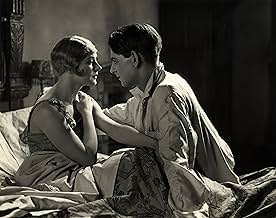
"Virtue is its own reward," they say - but "Easy Virtue" is society's reward for a slandered reputation. In the prologue, director Alfred Hitchcock crosscuts courtroom drama with flashbacks... Attractive Isabel Jeans (as Larita) is in divorce court, after a scandalous incident results in the death of a painter for whom she was sitting. Her drunken husband interrupted artist Eric Bransby Williams (as Claude Robson) as he was making play for the modeling Ms. Jeans. The painter wounded brutish rival Franklin Dyall (as Aubrey Filton), before killing himself. Jeans gains nothing but her freedom at trial. But, she was named in the dead painter's will.
Notorious, Jeans goes for a vacation on the Mediterranean, intending to relax and stay away from men. Instead, she finds the latter when well-heeled bachelor Robin Irvine (as John Whittaker) hits her in the head with his ball while playing tennis. After apologizing, Mr. Irvine begins courting Jeans. "It was like a cool breeze sweeping away the ugly memories of the past." The two whirlwind themselves into man and wife. Then, Irvine brings Jeans home to live in the family mansion. There, matriarchal Violet Farebrother senses something lurid in her daughter-in-law's past. Will Jeans' sordid history ruin her chances for happiness?
But, of course.
"Easy Virtue" may be considered rather ordinary, albeit a Noel Coward play directed to film by Alfred Hitchcock. But, as a silent melodrama, it's not only above average, but a little innovative. The location and settings are very nice. Most of the featured players are held over Hitchcock's previous "Downhill" (1927). "Mother-in-law" Farebrother makes the bulk of the film interesting, as she endeavors to rid her son of his bride. Their witty exchanges were written by Eliot Stannard, not Mr. Coward, by the way. Farebrother has a pleasantly sharp tongue, asking, "John, who is this woman you have pitchforked into the family?" She shoots to kill.
****** Easy Virtue (3/5/28) Alfred Hitchcock ~ Isabel Jeans, Robin Irvine, Violet Farebrother, Ian Hunter
Notorious, Jeans goes for a vacation on the Mediterranean, intending to relax and stay away from men. Instead, she finds the latter when well-heeled bachelor Robin Irvine (as John Whittaker) hits her in the head with his ball while playing tennis. After apologizing, Mr. Irvine begins courting Jeans. "It was like a cool breeze sweeping away the ugly memories of the past." The two whirlwind themselves into man and wife. Then, Irvine brings Jeans home to live in the family mansion. There, matriarchal Violet Farebrother senses something lurid in her daughter-in-law's past. Will Jeans' sordid history ruin her chances for happiness?
But, of course.
"Easy Virtue" may be considered rather ordinary, albeit a Noel Coward play directed to film by Alfred Hitchcock. But, as a silent melodrama, it's not only above average, but a little innovative. The location and settings are very nice. Most of the featured players are held over Hitchcock's previous "Downhill" (1927). "Mother-in-law" Farebrother makes the bulk of the film interesting, as she endeavors to rid her son of his bride. Their witty exchanges were written by Eliot Stannard, not Mr. Coward, by the way. Farebrother has a pleasantly sharp tongue, asking, "John, who is this woman you have pitchforked into the family?" She shoots to kill.
****** Easy Virtue (3/5/28) Alfred Hitchcock ~ Isabel Jeans, Robin Irvine, Violet Farebrother, Ian Hunter
Not much suspense
I think Easy Virtue would have worked better if we wouldn't have known Larita's background until John's family discovered it. Seeing it all laid out at the beginning of the movie removes much of the suspense. And even at only 80 minutes, the simple story feels too drawn-out.
A little dry and dull
In Alfred Hitchcock's Easy Virtue, a woman has some explaining to do when the family of her second husband finds out there was a first husband. That's because back in the day, divorced women were considered damaged goods, and upstanding families would steer well clear of such flighty harlots. Easy Virtue's tagline asks "Can she be blamed for a past she didn't create?" And the answer is yes, because she did create her past when she started making eyes at the man painting her portrait. But perhaps I am getting a little ahead of myself.
Larita Filton (Isabel Jeans) is married to an unnamed guy. Well, he probably has a name, but the movie doesn't tell us. Anyway, they're rich, and she's having her portrait done by a professional artist. One day the artist notices marks on Larita's wrist, and she mentions that her husband sometimes drinks too much. Thus a relationship is born, at least as far as they went in the 1920s, which meant it's possible Larita and the artist smooched once. Anyway, one fine day the husband comes home to find the two of them in an embrace. A gun is presented, and a shot is fired, and the artist dies. This is all told to us in flashback at the divorce trial, where the jury quite naturally finds in favor of the husband. Larita is shamed and shunned.
She finds herself chillaxing on the Mediterranean, and a chance encounter with a tennis ball leads Larita to meet John Whittaker (Robin Irvine), who's from a well-to-do family himself. They romance, yadda yadda, and soon they're wed. He brings her home to meet his parents and his two sisters for dinner. The stern matriarch is fairly sure she recognizes Larita, and eventually she pieces it together. Haughty hilarity ensues.
This is a silent film, obviously very early in The Master's career, and much more of a melodrama than a thriller with a twist. There's no twist, and because there are few sight gags one must rely on the intermittent title cards to follow the mouthed dialog. That's all well and good, but there was just too much predictability afoot, and the quality of the print did the movie no favors, either. That all makes Easy Virtue a curio in Hitch's long, long career, and little more.
Larita Filton (Isabel Jeans) is married to an unnamed guy. Well, he probably has a name, but the movie doesn't tell us. Anyway, they're rich, and she's having her portrait done by a professional artist. One day the artist notices marks on Larita's wrist, and she mentions that her husband sometimes drinks too much. Thus a relationship is born, at least as far as they went in the 1920s, which meant it's possible Larita and the artist smooched once. Anyway, one fine day the husband comes home to find the two of them in an embrace. A gun is presented, and a shot is fired, and the artist dies. This is all told to us in flashback at the divorce trial, where the jury quite naturally finds in favor of the husband. Larita is shamed and shunned.
She finds herself chillaxing on the Mediterranean, and a chance encounter with a tennis ball leads Larita to meet John Whittaker (Robin Irvine), who's from a well-to-do family himself. They romance, yadda yadda, and soon they're wed. He brings her home to meet his parents and his two sisters for dinner. The stern matriarch is fairly sure she recognizes Larita, and eventually she pieces it together. Haughty hilarity ensues.
This is a silent film, obviously very early in The Master's career, and much more of a melodrama than a thriller with a twist. There's no twist, and because there are few sight gags one must rely on the intermittent title cards to follow the mouthed dialog. That's all well and good, but there was just too much predictability afoot, and the quality of the print did the movie no favors, either. That all makes Easy Virtue a curio in Hitch's long, long career, and little more.
A powerful movie made during a time when divorce wasn't discussed
I will admit that at times this movie seems slow. However, if you take a look deeper at the time frame in which this movie was presented you can easily see the risk that Hitchcock took. In the movie the main character is divorced and disgraced by her horrible husband. When she tries to regain some normalcy by marrying again, the ghosts of her past come to prevent any happiness in her future. Once again she is shamed, disgraced, and helpless prey for the photographers and newspapers who use her high social standing and demise to sell their goods.
A very compelling look into hypocrisy and judgment in a time when both were at their highest peak.
A very compelling look into hypocrisy and judgment in a time when both were at their highest peak.


Did you know
- TriviaAlfred Hitchcock: Walking past a tennis court carrying a walking stick.
- GoofsWhile sitting with Larita after she is hit with the tennis ball, John's sitting position changes between shots.
- Quotes
[last lines]
Larita Filton: [to news photographers] Shoot! There's nothing left to kill.
- Alternate versionsThere is an Italian edition of this film on DVD, distributed by DNA Srl: "SOTTO IL CAPRICORNO (Il peccato di Lady Considine, 1949) New Widescreen Edition + FRAGILE VIRTÙ (1927)" (2 Films on a single DVD, with "Under Capricorn" in double version 1.33:1 and 1.78:1), re-edited with the contribution of film historian Riccardo Cusin. This version is also available for streaming on some platforms.
- ConnectionsFeatured in Hitchcock/Truffaut (2015)
Details
- Runtime
- 1h 20m(80 min)
- Sound mix
- Aspect ratio
- 1.33 : 1
Contribute to this page
Suggest an edit or add missing content