
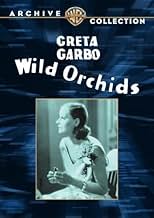
A prince in Java tries to seduce his visitor's wife, but he's discovered.A prince in Java tries to seduce his visitor's wife, but he's discovered.A prince in Java tries to seduce his visitor's wife, but he's discovered.
- Awards
- 3 wins total






6.4798
1
2
3
4
5
6
7
8
9
10
Featured reviews
Garbo excels in exotic love triangle romance...no spoken dialog...
Although there is a fine background score and many sound effects throughout, neither GRETA GARBO, LEWIS STONE nor NILS ASTHER speak a word of dialog in this MGM film directed by Sidney Franklin during the dawn of sound films.
With the use of the usual title cards for the spoken words and some excellent emoting from the three stars, the viewer becomes absorbed in what is essentially a handsomely produced love triangle set aboard a cruise ship heading for Java. Even as early as 1929, MGM's glossy production values are evident.
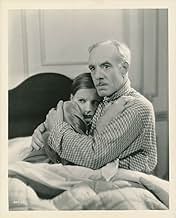
Garbo is the restless wife of the middle-aged Lewis Stone when she first sets eyes on princely Nils Esther aboard ship, fascinated as she watches him brutally whip a slave. When fascination turns to disgust, she rebuffs his advances when he has an opportunity in Java to be alone with her while her husband goes on a hunting trip. Predictably, she is soon under his spell and that's when the plot begins to turn.
Stone is adept at portraying the husband's emotions when he believes his wife unfaithful and Nils Asther is so perfectly cast that I wish he'd made more American films in the future rather than return to his native Sweden. As for Garbo, she has never looked more beautiful nor more youthful before her features matured.
Although the plot is a simple one, there's enough interest in the trio to assure attention until the final shot.
With the use of the usual title cards for the spoken words and some excellent emoting from the three stars, the viewer becomes absorbed in what is essentially a handsomely produced love triangle set aboard a cruise ship heading for Java. Even as early as 1929, MGM's glossy production values are evident.
Garbo is the restless wife of the middle-aged Lewis Stone when she first sets eyes on princely Nils Esther aboard ship, fascinated as she watches him brutally whip a slave. When fascination turns to disgust, she rebuffs his advances when he has an opportunity in Java to be alone with her while her husband goes on a hunting trip. Predictably, she is soon under his spell and that's when the plot begins to turn.
Stone is adept at portraying the husband's emotions when he believes his wife unfaithful and Nils Asther is so perfectly cast that I wish he'd made more American films in the future rather than return to his native Sweden. As for Garbo, she has never looked more beautiful nor more youthful before her features matured.
Although the plot is a simple one, there's enough interest in the trio to assure attention until the final shot.
Mediocre silent
This film seems a lot like a warm-up for The Painted Veil, another Garbo ego picture which would be released in 1934. The story is similar, the locale is in Asia, she has a much older, boring husband, a new, exciting lover...
I could go on and on about how similar they are.
It's not technically a silent movie, rather a sound movie without dialogue, and perhaps that's its only redeeming quality. The sets are nice, but the intertitles do get a little corny (and aren't overly inventive).
Garbo would go onto better things, but for now she was still making silent pictures in an era where even Gloria Swanson had transferred to sound.
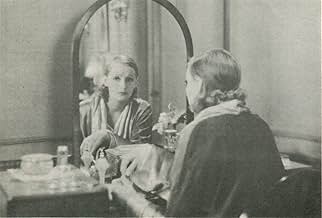
Greta Garbo is quite pretty in this film, and she gets to wear a lot of nice costumes, but she isn't given much to do other than that.
I was rooting for the husband more than I was rooting for the lover, so the Hollywood happy ending was welcome. The tiger hunt was probably the best part of the film.
I preferred The Painted Veil, not because I'm a silent movie-phobe (because I am not), but because her leads are more colorful and she's given more to do than be a window decoration.
I could go on and on about how similar they are.
It's not technically a silent movie, rather a sound movie without dialogue, and perhaps that's its only redeeming quality. The sets are nice, but the intertitles do get a little corny (and aren't overly inventive).
Garbo would go onto better things, but for now she was still making silent pictures in an era where even Gloria Swanson had transferred to sound.
Greta Garbo is quite pretty in this film, and she gets to wear a lot of nice costumes, but she isn't given much to do other than that.
I was rooting for the husband more than I was rooting for the lover, so the Hollywood happy ending was welcome. The tiger hunt was probably the best part of the film.
I preferred The Painted Veil, not because I'm a silent movie-phobe (because I am not), but because her leads are more colorful and she's given more to do than be a window decoration.
Garbo goes east
Wild Orchids casts Greta Garbo as the younger wife of Lewis Stone and they are bound for what was then called the Dutch East Indies. On the ship they meet a Javanese potentate Nils Asther a fellow Swede to Garbo who looks seductively at Garbo and that's all she wrote.
There's a wonderful scene in Wild Orchids where Garbo encounters Asther giving a beating to one of his servants who did not move as quickly as he would like. Garbo may have had the best face for closeups in the history of cinema. Remember this is a silent film so no dialog, but the looks Asther gives her and her closeups, a mixture of horror at the barbarity, but fascination with the man tells more than 50 pages of dialog or title cards.
Asther invites her to Javanese palace and Garbo and Stone are loving it. But eventually Stone catches on and it all comes to a climax during a tiger hunt.
Asther got to do another Asian portrayal in Frank Capra's The Bitter Tea Of General Yen. Some interesting roles for a Scandinavian, yet another of his countryman Warner Oland also played a noted Oriental with Charlie Chan.
Lewis Stone has the distinction of being the player who did the most appearances with Garbo. He comes over well as the concerned and most jealous husband.
Definitely a must for Garbo fans and those wanting to get acquainted with her work.
There's a wonderful scene in Wild Orchids where Garbo encounters Asther giving a beating to one of his servants who did not move as quickly as he would like. Garbo may have had the best face for closeups in the history of cinema. Remember this is a silent film so no dialog, but the looks Asther gives her and her closeups, a mixture of horror at the barbarity, but fascination with the man tells more than 50 pages of dialog or title cards.
Asther invites her to Javanese palace and Garbo and Stone are loving it. But eventually Stone catches on and it all comes to a climax during a tiger hunt.
Asther got to do another Asian portrayal in Frank Capra's The Bitter Tea Of General Yen. Some interesting roles for a Scandinavian, yet another of his countryman Warner Oland also played a noted Oriental with Charlie Chan.
Lewis Stone has the distinction of being the player who did the most appearances with Garbo. He comes over well as the concerned and most jealous husband.
Definitely a must for Garbo fans and those wanting to get acquainted with her work.
Typical MGM late silent with elegant Garbo
On a trip to Java, Garbo falls for a charming native prince (Asther), after being neglected by businessman husband (Stone). Routine romantic triangle has its weak spots, but Garbo's elegance can smooth them out. A silent with music score and sound effects.
Vintage Garbo in Predictable Silent Drama
While "Wild Orchids" is not a major classic, the film does illustrate the magic of the Silents at their peak. Within a few minutes, director Sidney Franklin establishes the vulnerable relationship between Lewis Stone, a businessman with an interest in commerce and hunting, and Greta Garbo, his younger and neglected wife. The couple embarks on a sea voyage to Java in search of tea plantations, and competition for Garbo's affection soon appears in the guise of an exotic prince. Stone's apparent and puzzling preoccupation with business over his beautiful wife is hard to fathom. Garbo could be described as Stone's trophy wife, and trophy she is. As garbed by Adrian and photographed by William H. Daniels, Garbo would be a prized trophy for any man or woman anywhere any time.
Once aboard ship, with the same economy of style used to illustrate the marriage of Lillie and John Sterling, Franklin quickly sketches the character of Nils Asther, the Javanese prince. Garbo watches in horror as Asther whips a servant outside his cabin, and his dark eyes and pencil-thin mustache speak volumes. Although too pretty and occasionally fey to be totally convincing as a Lothario, Asther works hard at befriending Stone and seducing his wife. Unfortunately, Stone's indifference towards his wife only helps propel this film down a familiar road.
The Danish Asther as the Javanese Prince De Gace is as Asian as the realm he rules, which was conjured in the frenzied minds of MGM's art directors. The welcome banquet is reminiscent of the feast in "Indiana Jones and the Temple of Doom," but without the snakes and eyeballs. At one point, Garbo dons a local costume and, although she fails to charm her husband, she does presage her subsequent appearance, opposite Stone once again, as Mata Hari. Despite Asther's occasional lapses, the performances of the three leads are naturalistic. Stone is always solid and dependable, and Garbo, well, she is always captivating whenever on screen. While not among her greatest, "Wild Orchids" is vintage Garbo, representative of silent films at their best, and worthy entertainment.
Once aboard ship, with the same economy of style used to illustrate the marriage of Lillie and John Sterling, Franklin quickly sketches the character of Nils Asther, the Javanese prince. Garbo watches in horror as Asther whips a servant outside his cabin, and his dark eyes and pencil-thin mustache speak volumes. Although too pretty and occasionally fey to be totally convincing as a Lothario, Asther works hard at befriending Stone and seducing his wife. Unfortunately, Stone's indifference towards his wife only helps propel this film down a familiar road.
The Danish Asther as the Javanese Prince De Gace is as Asian as the realm he rules, which was conjured in the frenzied minds of MGM's art directors. The welcome banquet is reminiscent of the feast in "Indiana Jones and the Temple of Doom," but without the snakes and eyeballs. At one point, Garbo dons a local costume and, although she fails to charm her husband, she does presage her subsequent appearance, opposite Stone once again, as Mata Hari. Despite Asther's occasional lapses, the performances of the three leads are naturalistic. Stone is always solid and dependable, and Garbo, well, she is always captivating whenever on screen. While not among her greatest, "Wild Orchids" is vintage Garbo, representative of silent films at their best, and worthy entertainment.


Did you know
- TriviaDuring production Greta Garbo's friend and mentor, Mauritz Stiller, died in Sweden. Devastated by his death, Garbo traveled to Sweden incognito to mourn his death. Her secretive travel plans were quickly foiled when she was recognized on the voyage.
- Quotes
Prince De Gace: The East is a country of the senses - warm, mysterious - like the kiss of a lover.
- ConnectionsFeatured in The Divine Garbo (1990)
- SoundtracksYou Are Like Wild Orchids
- How long is Wild Orchids?Powered by Alexa
Details
- Release date
- Country of origin
- Language
- Also known as
- Divlje orhideje
- Filming locations
- Production company
- See more company credits at IMDbPro
Box office
- Budget
- $322,000 (estimated)
- Runtime
- 1h 40m(100 min)
- Sound mix
Contribute to this page
Suggest an edit or add missing content