
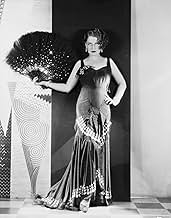
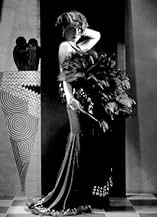
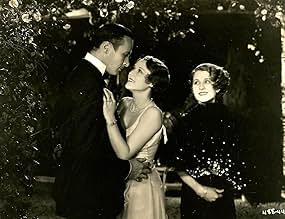
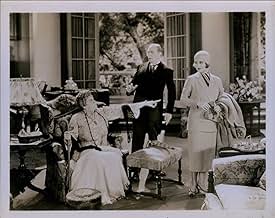
A housewife divorces her self-centered husband. Years later, she attends a party where her ex is pursuing another woman. Unbeknownst to him, she is the same ex-wife he'd neglected, now trans... Read allA housewife divorces her self-centered husband. Years later, she attends a party where her ex is pursuing another woman. Unbeknownst to him, she is the same ex-wife he'd neglected, now transformed into a fashionable socialite.A housewife divorces her self-centered husband. Years later, she attends a party where her ex is pursuing another woman. Unbeknownst to him, she is the same ex-wife he'd neglected, now transformed into a fashionable socialite.
- Director
- Writers
- Stars
- Awards
- 1 win total



Rod La Rocque
- Bob Brown
- (as Rod LaRocque)


Tyrell Davis
- Wallace
- (as Tyrrell Davis)

William H. O'Brien
- Struthers
- (as William O'Brien)
Freddie Burke Frederick
- Bobby Brown - 8 Years Old
- (uncredited)

Mary Gordon
- Mrs. McIntyre
- (uncredited)

Marilyn Harris
- The Brown's Little Girl
- (uncredited)

Helene Millard
- Helen Hibbard
- (uncredited)

Dickie Moore
- Bobby Brown - 5 Years Old
- (uncredited)
- Director
- Writers
- All cast & crew
- Production, box office & more at IMDbPro
6.3702
1
2
3
4
5
6
7
8
9
10
Featured reviews
Nobody can flirt quite like Norma Shearer!
This comedy is very different to what you might expect. Its first ten minutes is the little drama that sets the scene but from then on it's a 1920s style drawing room farce, the type of thing you'd expect to hear the phrase: Anyone for tennis?
Surprisingly, once you get used to its theatrical style - necessary for this type of comedy, you might enjoy this. I didn't think I would but despite my initial reservations (were I around then, I'd have been watching Cagney at the Warner Brothers cinemas), I actually found myself laughing at this.
If someone asked you what 1930s movies were like, this type of picture would definitely not be what you'd think about. Today such gentle, gentile plays would play to empty houses but if you put yourself into the mindset of a 1929 theatre goer, you'll find this quite amusing: it's not what these days you'd call funny but it's not without some charm.
Like all of her films, this is another excuse for Irving Thalberg to say to the world: Have I got a hot wife or what! Inexplicably although Miss Shearer is no classic beauty, she somehow exudes 1.21 Gigawatts of sexuality. Don't know how she does it....maybe it's because she was such a good actress!
In this picture, Mrs T after divorcing her unfaithful husband reinvents herself as the most brazen, sex-hungry man eater you've ever seen outside of a Carry On film. The rest of the cast are the usual stock characters for this type of thing but it's made so well (ok, it's a bit creaky because it was made in 1930) it's a cut above the usual. As long as you know what you're going to get: the acting isn't meant to be naturalistic, it's in the style of a farce - it's actually quite entertaining.
Surprisingly, once you get used to its theatrical style - necessary for this type of comedy, you might enjoy this. I didn't think I would but despite my initial reservations (were I around then, I'd have been watching Cagney at the Warner Brothers cinemas), I actually found myself laughing at this.
If someone asked you what 1930s movies were like, this type of picture would definitely not be what you'd think about. Today such gentle, gentile plays would play to empty houses but if you put yourself into the mindset of a 1929 theatre goer, you'll find this quite amusing: it's not what these days you'd call funny but it's not without some charm.
Like all of her films, this is another excuse for Irving Thalberg to say to the world: Have I got a hot wife or what! Inexplicably although Miss Shearer is no classic beauty, she somehow exudes 1.21 Gigawatts of sexuality. Don't know how she does it....maybe it's because she was such a good actress!
In this picture, Mrs T after divorcing her unfaithful husband reinvents herself as the most brazen, sex-hungry man eater you've ever seen outside of a Carry On film. The rest of the cast are the usual stock characters for this type of thing but it's made so well (ok, it's a bit creaky because it was made in 1930) it's a cut above the usual. As long as you know what you're going to get: the acting isn't meant to be naturalistic, it's in the style of a farce - it's actually quite entertaining.
Dated But Interesting
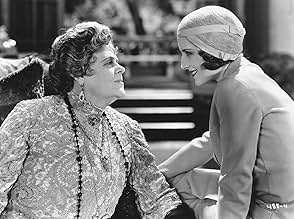
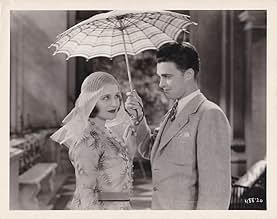
Frumpy housewife Katherine Brown (Norma Shearer) adores her husband Bob (Rod La Rocque). Her every action is dedicated to his comfort. Unfortunately, his roving eyes find other women and in heartbreak, Katherine divorces him. Years later, the two meet again, this time under very different circumstances. Katherine has become a beautiful and charming woman of the world. She is invited to a small party by an eccentric friend (Marie Dressler) to lure Bob away from his latest conquest, the engaged young Diane (Sally Eilers). En route to seducing Bob, Katherine also catches the eyes of all of the men at the party.
Also appearing are Hedda Hopper as the beautiful Madge Livingston and Dickie Moore as Katherine's young son.
This film suffers a bit from early talkie syndrome. The editing is not as slick as it could be, with moments of complete silence and shots with no people in the frame. Sometimes the scenes are confined to one room with very little editing between people. The story is also quite old fashioned, especially the abrupt ending which does not comply with the rest of the film. However, it is worth watching especially for Shearer fans. It is fascinating to see such a startling transformation from an overweight housewife to a gorgeous and elegant woman.
Also appearing are Hedda Hopper as the beautiful Madge Livingston and Dickie Moore as Katherine's young son.
This film suffers a bit from early talkie syndrome. The editing is not as slick as it could be, with moments of complete silence and shots with no people in the frame. Sometimes the scenes are confined to one room with very little editing between people. The story is also quite old fashioned, especially the abrupt ending which does not comply with the rest of the film. However, it is worth watching especially for Shearer fans. It is fascinating to see such a startling transformation from an overweight housewife to a gorgeous and elegant woman.
Female Stars Loom Large In Small Comedy
A rich old lady calls on a flirtatious divorcée to woo a Lothario away from her silly soon-to-be-married granddaughter.
LET US BE GAY is an interesting little domestic comedy which features some tart dialogue (courtesy of celebrated screenwriter Frances Marion) & good performances. While perhaps a bit mawkish at times, this can probably be blamed on the difficulties with early sound technology which tended to limit action & movement.
Norma Shearer can be credited with appearing in this minor film, rather than using her undoubted clout as Irving Thalberg's spouse to insist upon only A-grade pictures. She is especially effective in her first few scenes, where dowdy flat makeup makes her almost unrecognizable. Her extreme transmogrification from goose to swan could only happen in Hollywood, but it's scarcely profitable to spend much time worrying about that.
Rod LaRocque doesn't come off too well as Shearer's adulterous husband. Quite popular during Silent days, the talkies were not especially kind to him and his career would suffer. Here his role is not in the least sympathetic and one has to wonder what masochistic impulse moves women to desire the cad so much.
Magnificent Marie Dressler is on hand as an eccentric Long Island dowager. As a great friend of Frances Marion, one can easily imagine that the part was written expressly for her. Full of cranks & crotchets, she is very humorous. However, the tremendous warmth & essential goodness which would very shortly make her Hollywood's biggest star are largely missing.
Among the supporting cast, Hedda Hopper scores as a slinky society serpent, as does Wilfred Noy playing a comic butler. Movie mavens will spot little Dickie Moore as Shearer's young son & elderly Mary Gordon as her housekeeper, both uncredited.
LET US BE GAY is an interesting little domestic comedy which features some tart dialogue (courtesy of celebrated screenwriter Frances Marion) & good performances. While perhaps a bit mawkish at times, this can probably be blamed on the difficulties with early sound technology which tended to limit action & movement.
Norma Shearer can be credited with appearing in this minor film, rather than using her undoubted clout as Irving Thalberg's spouse to insist upon only A-grade pictures. She is especially effective in her first few scenes, where dowdy flat makeup makes her almost unrecognizable. Her extreme transmogrification from goose to swan could only happen in Hollywood, but it's scarcely profitable to spend much time worrying about that.
Rod LaRocque doesn't come off too well as Shearer's adulterous husband. Quite popular during Silent days, the talkies were not especially kind to him and his career would suffer. Here his role is not in the least sympathetic and one has to wonder what masochistic impulse moves women to desire the cad so much.
Magnificent Marie Dressler is on hand as an eccentric Long Island dowager. As a great friend of Frances Marion, one can easily imagine that the part was written expressly for her. Full of cranks & crotchets, she is very humorous. However, the tremendous warmth & essential goodness which would very shortly make her Hollywood's biggest star are largely missing.
Among the supporting cast, Hedda Hopper scores as a slinky society serpent, as does Wilfred Noy playing a comic butler. Movie mavens will spot little Dickie Moore as Shearer's young son & elderly Mary Gordon as her housekeeper, both uncredited.
Slight but Amusing
I happened to channel surf to Turner Classic Movies just as this one was beginning last night, and once I got past the unlikely opening sequence I couldn't possibly turn away from the unlikely rest of it. It's a romantic comedy with Norma Shearer and a supporting cast that includes a lovely Hedda Hopper and a formidable Marie Dressler. As these things go -- silly rich people playing out a ridiculous "who'll pair up with whom?" plot in a Long Island mansion -- it's amusing and pretty good fun. I guess it's not a movie to recommend per se, but I have to admit I was in the mood to enjoy it last night, especially Marie Dressler's overacting. So if you stumble across it as I did, sure, go ahead, stick around. You won't believe your eyes.
It's a good thing Norma Shearer was already married to Irving Thalberg when she made this...
... because this is some bold fashion statement she is making here, four years before Bette Davis dared to look repulsive in "Of Human Bondage".
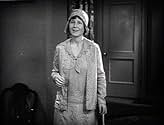
Kitty (Norma Shearer) is a somewhat overweight frumpy housefrau, devoted to her husband and kids. The husband, Bob (Rod La Roque), is kind to Kitty, but his passion belongs to his mistress. The mistress is getting tired of hiding matters, so she barges into the house and frankly tells Kitty what's been going on between the two of them. Kitty acts sophisticated and says she knows all about it, but deep down she is heartbroken. Bob asks for forgiveness and a second chance, but she flatly refuses.
Fast forward three years and socialite Mrs. Bouccicault (Marie Dressler) is entertaining at her Long Island estate. She's invited her good friend Kitty to come for the weekend and steal Bob away from her granddaughter, Diane (Sally Eiler), who is about to be married to someone closer to her own age and range of experience. Mrs. B has no idea that Kitty was ever married to Bob, so this is just a big coincidence. Kitty is now thin, fashionable, and confident and has no idea that she is supposed to be vamping her ex husband. Just how this transformation to head turner happened is never mentioned. For that matter, neither are her children! Well, they are alluded to from time to time, but they apparently are stashed somewhere that they cannot interfere with the jet setting of their parents before there was any such thing as jets.
When Kitty and Bob finally meet, they are genuinely surprised to see each other and sparks begin to fly. In Bob's case that means romance is on his mind, but in Kitty's case those sparks could mean she is considering burning him at the stake. How does this turn out? Watch and find out.
I don't know who cast the men in this film, but they are ponderous choices. Collectively they have the romantic appeal of the Pillsbury Doughboy without his flair for conversation and comedy. I will give it a small break because this was the first full year MGM was involved in talking film. The first act with Kitty as a frump and the last act are compelling, but it sags pretty badly in the middle and is mainly saved by Marie Dressler's performance as the eccentric socialite Mrs. B. Dressler steals the show in just about every scene she appears, as was often the case.
Kitty (Norma Shearer) is a somewhat overweight frumpy housefrau, devoted to her husband and kids. The husband, Bob (Rod La Roque), is kind to Kitty, but his passion belongs to his mistress. The mistress is getting tired of hiding matters, so she barges into the house and frankly tells Kitty what's been going on between the two of them. Kitty acts sophisticated and says she knows all about it, but deep down she is heartbroken. Bob asks for forgiveness and a second chance, but she flatly refuses.
Fast forward three years and socialite Mrs. Bouccicault (Marie Dressler) is entertaining at her Long Island estate. She's invited her good friend Kitty to come for the weekend and steal Bob away from her granddaughter, Diane (Sally Eiler), who is about to be married to someone closer to her own age and range of experience. Mrs. B has no idea that Kitty was ever married to Bob, so this is just a big coincidence. Kitty is now thin, fashionable, and confident and has no idea that she is supposed to be vamping her ex husband. Just how this transformation to head turner happened is never mentioned. For that matter, neither are her children! Well, they are alluded to from time to time, but they apparently are stashed somewhere that they cannot interfere with the jet setting of their parents before there was any such thing as jets.
When Kitty and Bob finally meet, they are genuinely surprised to see each other and sparks begin to fly. In Bob's case that means romance is on his mind, but in Kitty's case those sparks could mean she is considering burning him at the stake. How does this turn out? Watch and find out.
I don't know who cast the men in this film, but they are ponderous choices. Collectively they have the romantic appeal of the Pillsbury Doughboy without his flair for conversation and comedy. I will give it a small break because this was the first full year MGM was involved in talking film. The first act with Kitty as a frump and the last act are compelling, but it sags pretty badly in the middle and is mainly saved by Marie Dressler's performance as the eccentric socialite Mrs. B. Dressler steals the show in just about every scene she appears, as was often the case.


Did you know
- TriviaAt the time of its release, this film features the next two actresses to win Best Actress at the Academy Awards, Norma Shearer would win at the ceremony later that year for The Divorcee (1930), and Marie Dressler the year after for Min and Bill (1930).
- GoofsNear the end of the film, just after the children depart with Boucci and their nurse, a shadow of the boom microphone falls across a column to the right of the scene.
- Quotes
Mrs. Katherine Brown: For Heaven's sake, let's be gay about this!
- ConnectionsAlternate-language version of Soyons gais (1930)
- SoundtracksOh Where Oh Where Has My Little Dog Gone
(1864) (uncredited)
Written by Septimus Winner
Sung a cappella by Rod La Rocque with modified lyrics
- How long is Let Us Be Gay?Powered by Alexa
Details
- Release date
- Country of origin
- Language
- Also known as
- Konsten att behålla en man
- Filming locations
- Production company
- See more company credits at IMDbPro
- Runtime
- 1h 19m(79 min)
- Color
Contribute to this page
Suggest an edit or add missing content