IMDb RATING
6.9/10
4.6K
YOUR RATING


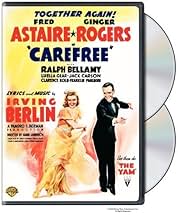
A psychiatrist falls in love with the woman he's supposed to be nudging into marriage with someone else.A psychiatrist falls in love with the woman he's supposed to be nudging into marriage with someone else.A psychiatrist falls in love with the woman he's supposed to be nudging into marriage with someone else.
- Nominated for 3 Oscars
- 3 wins & 4 nominations total


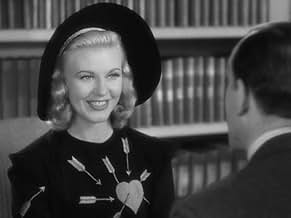
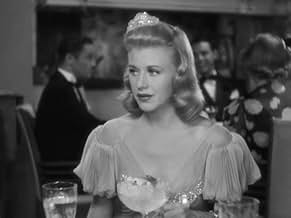


The Robert Mitchell Boy Choir
- Vocal Ensemble
- (scenes deleted)
- (as Robert B. Mitchell and his St. Brendan's Boys)
Harry A. Bailey
- Sponsor
- (uncredited)

Bobby Barber
- Minor Role
- (uncredited)
Cliff Bergere
- Minor Role
- (uncredited)

Ralph Brooks
- Country Club Guest
- (uncredited)

James P. Burtis
- Glass Truck Driver
- (uncredited)
Harry Campbell
- Minor Role
- (uncredited)
James Carlisle
- Country Club Guest
- (uncredited)

Charles Coleman
- Doorman
- (uncredited)
6.94.5K
1
2
3
4
5
6
7
8
9
10
Featured reviews
Why Cut Corners With Astaire and Rogers????
If you attempt to look at the plot carefully (never a good idea in a musical) this is a rather repellent movie. The practice of Psychotherapy wasn't as well known or as well respected as it is today, and the film was clearly written by someone who seemed to think of it as some fad medical cure indulged in mainly by rich and foolish women. As such we get to see Fred Astaire, the therapist, subjecting Ginger Rogers, the patient, to all manner of barbaric (to modern eyes) treatments in order to find out why she won't marry his best friend. Eventually Astaire uses hypnosis to force her to marry him, and then force him not to. Clearly, movie doctors were not subjected to as severe a code of ethics as are real ones.
Its a pretty typical outing for Astaire and Rogers. Astaire's dancing is extraordinary (the dance scene on the golf course is great, as is the one where he dances with a hypnotized Rogers). Rogers' comic timing is, as always, wonderful. The secondary characters are all two-dimension cut-outs, but they're entertaining ones. If the characters didn't have quite the same sparkle to their interplay, remember, this was Astaire and Rogers' eighth film together and artistic differences were beginning to create a strain.
My biggest issue with this movie was the scene in which they sing the song "I Used To Be Colorblind". This was dream sequence, and it lasted about five minutes. "Carefree" is a black and white movie and the intent originally was to film the dream sequence in color a'la "Wizard of Oz". Apparently, somewhere in the production process, people balked at the cost and it was produced in black and white along with the rest of the film. Being filmed in black and white makes the song, and the entire sequence makes not one lick of sense, because the song is about how crisp and clear the world seems in color. Not only that, but since it was designed to be viewed on color film, not in black and white, the sets weren't designed with that same high degree of contrasts they would have if they had been designed to be viewed in black and white. As such, things in the dream sequence are LESS clear than in the rest of the movie, not more. I'm just appalled that the studio could spring for a few minutes of color footage for a film with such proved money-makes as Astaire and Rogers.
Its a pretty typical outing for Astaire and Rogers. Astaire's dancing is extraordinary (the dance scene on the golf course is great, as is the one where he dances with a hypnotized Rogers). Rogers' comic timing is, as always, wonderful. The secondary characters are all two-dimension cut-outs, but they're entertaining ones. If the characters didn't have quite the same sparkle to their interplay, remember, this was Astaire and Rogers' eighth film together and artistic differences were beginning to create a strain.
My biggest issue with this movie was the scene in which they sing the song "I Used To Be Colorblind". This was dream sequence, and it lasted about five minutes. "Carefree" is a black and white movie and the intent originally was to film the dream sequence in color a'la "Wizard of Oz". Apparently, somewhere in the production process, people balked at the cost and it was produced in black and white along with the rest of the film. Being filmed in black and white makes the song, and the entire sequence makes not one lick of sense, because the song is about how crisp and clear the world seems in color. Not only that, but since it was designed to be viewed on color film, not in black and white, the sets weren't designed with that same high degree of contrasts they would have if they had been designed to be viewed in black and white. As such, things in the dream sequence are LESS clear than in the rest of the movie, not more. I'm just appalled that the studio could spring for a few minutes of color footage for a film with such proved money-makes as Astaire and Rogers.
oh, the carefree times of hollywood
there is something specific about watching fred astaire and ginger rogers that just makes you want to dance. i think it's because they make it look so damn fun. and they are just so astonishingly good!! the plot here is a tad crazier than, say "top hat", and therefore that much less believable (come on ... going all out with freud and hypnosis, but then again that's just speaking from what is known today, so no problem letting that pass). irving berlin's music is a hoot at times (there's a song about yams) and classic and familiar at others ("change partners") and ginger rogers is nearly at her sassy best.
Freud & Ginger
On my first viewing of Carefree, I experienced something I never thought I would with Fred and Ginger, boredom. Initially I was expecting another spectacular musical showcase, however, the film is on a smaller scale (their shortest at only 80 minutes) than their previous outings and only contains a mere four musical numbers; making it more of a comedy with some singing and dancing than a full-fledged musical. With several movies behind them following a similar formula, if they were going to make another then they had to do something different or things would have become stale. I wished though that Fred Astaire could have done straight comedies during his career; Carefree is the closest thing to that.
None of the musical numbers in Carefree stand out as being among the best in the series. Fred Astaire's number in which he plays golf while tap dancing sounds better on paper than it does in execution. I'm sure what he's doing is no easy task yet it doesn't look all that impressive to watch. The Yam, on the other hand, is a pretty standard number, but heck, it's still Fred and Ginger dancing. I find the film's most interest musical number is 'I Used to be Color Blind', the most experimental in the film, shot in slow motion and allowing the viewer to see Fred and Ginger's grace in every detail.
For the only time in the series, Astaire plays a character who is not a dancer by profession, but rather a psychiatrist (although they do make sure to mention he once had aspirations of becoming a dancer). I don't completely buy Astaire as a psychiatrist, but realism is not what these movies are about. Plus I'm sure the psychology on display here is of the "you are getting sleepy" variety as seen in movies. He doesn't break his professional ethics though by pursuing his patient like his stalkerish attitude towards Ginger in other films in the series, instead, she wants him.
Carefree belongs to Ginger, playing a character whom has been put under hypnosis, giving her the opportunity to completely goof around in a childlike manner with big wide eyes, and it's pretty funny stuff. How many movies do you get to see Ginger Rogers wielding a shotgun? Everyone needs at least one movie where they get to act stupid. The comedic assets of Ralph Bellamy and Jack Carson are big benefits to the film's witty dialogue, where much of the film's strength lies. Even if the dance numbers don't fully exceed, as a screwball comedy, Carefree grows on me, of course, I am a sucker for these movies and the Astaire/Rodgers name, so good enough for me!
None of the musical numbers in Carefree stand out as being among the best in the series. Fred Astaire's number in which he plays golf while tap dancing sounds better on paper than it does in execution. I'm sure what he's doing is no easy task yet it doesn't look all that impressive to watch. The Yam, on the other hand, is a pretty standard number, but heck, it's still Fred and Ginger dancing. I find the film's most interest musical number is 'I Used to be Color Blind', the most experimental in the film, shot in slow motion and allowing the viewer to see Fred and Ginger's grace in every detail.
For the only time in the series, Astaire plays a character who is not a dancer by profession, but rather a psychiatrist (although they do make sure to mention he once had aspirations of becoming a dancer). I don't completely buy Astaire as a psychiatrist, but realism is not what these movies are about. Plus I'm sure the psychology on display here is of the "you are getting sleepy" variety as seen in movies. He doesn't break his professional ethics though by pursuing his patient like his stalkerish attitude towards Ginger in other films in the series, instead, she wants him.
Carefree belongs to Ginger, playing a character whom has been put under hypnosis, giving her the opportunity to completely goof around in a childlike manner with big wide eyes, and it's pretty funny stuff. How many movies do you get to see Ginger Rogers wielding a shotgun? Everyone needs at least one movie where they get to act stupid. The comedic assets of Ralph Bellamy and Jack Carson are big benefits to the film's witty dialogue, where much of the film's strength lies. Even if the dance numbers don't fully exceed, as a screwball comedy, Carefree grows on me, of course, I am a sucker for these movies and the Astaire/Rodgers name, so good enough for me!
Underrated Classic
Fred Astaire and Ginger Rogers star in this delightful romantic musical comedy with a twist on the usual Fred and Ginger plot. Though odd and short in the musical number department, this teasing romantic romp features some of their best dancing and good humor to boot. Ginger Rogers is nothing short of stunning in this picture and Mr. Astaire's feet never touch the ground. Definitely their most underrated film.
The weakest of the Astaire/Rogers films
Tony Flagg (Fred Astaire) agrees to psychoanalyze the girlfriend of his pal Steve (Ralph Bellamy) because she can't make up her mind as to whether or not she wants to marry him. The girlfriend, Amanda (Ginger Rogers), decides in short order that she actually loves Tony, but he has decided she's perfectly normal and doesn't need his help. So she contrives a ridiculous dream so that he thinks she is abnormal and will continue to treat her.
This film should have been renamed "Conscience Free" as none of the three central players seems to have one. Astaire comically abuses his license to heal to hypnotize Rogers to try to control her emotions. When he realizes he's fallen for her, he tries to re-direct her affections for Bellamy to him. Rogers, when told under hypnosis to follow every impulse, escapes Astaire's office before she can be taken out of her trance, decides it would be fun to knock the canes away from old people and watch them fall down and to throw rocks through windows. And Bellamy, upon hearing that Rogers really loves Astaire, and that she is only marrying him as a result of hypnosis, is perfectly OK with that.
The Irving Berlin music, what there is of it, is fine. But there is little of the usual chemistry between Astaire and Rogers. Bright spots include an early career appearance by Jack Carson showing his flair for comedy and Clarence Kolb as a family friend and judge acting like The Monopoly Man personified. This was the only Astaire & Rogers film to lose money at the box office.
This film should have been renamed "Conscience Free" as none of the three central players seems to have one. Astaire comically abuses his license to heal to hypnotize Rogers to try to control her emotions. When he realizes he's fallen for her, he tries to re-direct her affections for Bellamy to him. Rogers, when told under hypnosis to follow every impulse, escapes Astaire's office before she can be taken out of her trance, decides it would be fun to knock the canes away from old people and watch them fall down and to throw rocks through windows. And Bellamy, upon hearing that Rogers really loves Astaire, and that she is only marrying him as a result of hypnosis, is perfectly OK with that.
The Irving Berlin music, what there is of it, is fine. But there is little of the usual chemistry between Astaire and Rogers. Bright spots include an early career appearance by Jack Carson showing his flair for comedy and Clarence Kolb as a family friend and judge acting like The Monopoly Man personified. This was the only Astaire & Rogers film to lose money at the box office.


Did you know
- TriviaThis was the first Fred Astaire-Ginger Rogers film to lose money on its initial release. It lost $68,000 (~ $1.48M in 2024) for RKO according to studio records.
- GoofsAs Amanda (Ginger Rogers) exits the taxicab and starts to cross the street for the theatre, you can see the reflection of the roof line behind her in the large piece of plate glass on the truck. On the roof line, you can see the rigging pipes for lights and other equipment showing it's a back lot set.
- Quotes
Stephen Arden: [drunkenly] Oh, uh, could you give me a little information?
Doorman: Yes sir.
Stephen Arden: Thank you.
[walks away]
- Crazy creditsDuring opening credits, a pair of hands finger-paints names, pauses, wipes them out, and writes the next set of names several times.
- ConnectionsFeatured in Fred Astaire: Puttin' on His Top Hat (1980)
- SoundtracksSince They Turned Loch Lomond into Swing
(1938) (uncredited)
Music by Irving Berlin
Danced by Fred Astaire
- How long is Carefree?Powered by Alexa
Details
Box office
- Budget
- $1,253,000 (estimated)
- Runtime
- 1h 23m(83 min)
- Color
- Aspect ratio
- 1.37 : 1
Contribute to this page
Suggest an edit or add missing content