IMDb RATING
6.5/10
1.8K
YOUR RATING
A wanted outlaw arrives in town to rob a bank that has already been held up! His past and his friendship with the sheriff land them both in trouble.A wanted outlaw arrives in town to rob a bank that has already been held up! His past and his friendship with the sheriff land them both in trouble.A wanted outlaw arrives in town to rob a bank that has already been held up! His past and his friendship with the sheriff land them both in trouble.
Guinn 'Big Boy' Williams
- Nitro Rankin
- (as Guinn {Big Boy} Williams)
Irving Bacon
- Dan Walters
- (uncredited)
Hank Bell
- Poker Player
- (uncredited)
Chris Willow Bird
- Indian
- (uncredited)
Edgar Caldwell
- Townsman
- (uncredited)
Chester Clute
- Rollo
- (uncredited)
Tex Cooper
- Townsman
- (uncredited)
Victor Cox
- Juror
- (uncredited)
- Director
- Writers
- All cast & crew
- Production, box office & more at IMDbPro
6.51.8K
1
2
3
4
5
6
7
8
9
10
Featured reviews
Great Color, Great Action, Great Movie
Glenn Ford is hired by a crooked bank owner and wily stable owner Edger Buchanan to stage a fake robbery while the banker hides the real loot. With Ford a no-show, the two instead go with a trigger happy second choice, leaving Ford on the hook for killings he didn't commit.
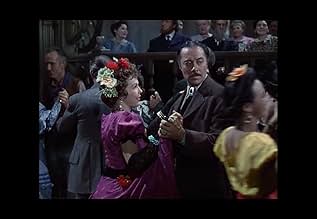
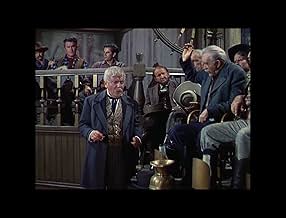
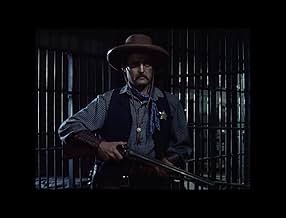
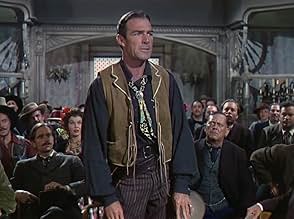
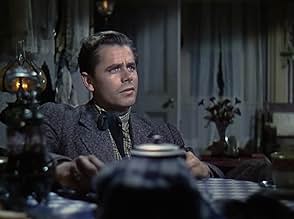
Columbia Pictures' first color feature, The Desperadoes looks fantastic with sets and costumes fabricated to take full advantage of the Technicolor process accentuating tons of well staged western spectacle.
This has the irresistible teaming of a young Glenn Ford (third-billed but essentially the star) and a prime Randolph Scott leading an incredible supporting cast of great character actors in colorful roles, including scene-stealer Edger Buchanan as a good-natured but mildly villainous yokel who isn't as dumb as he looks and who has quite a few memorable lines.
A fairly complex script effectively mixes incredible action sequences, melodrama, and comedy, well directed by Charles Vidor. This is one of the great westerns of the nineteen-forties and highly recommended.
Columbia Pictures' first color feature, The Desperadoes looks fantastic with sets and costumes fabricated to take full advantage of the Technicolor process accentuating tons of well staged western spectacle.
This has the irresistible teaming of a young Glenn Ford (third-billed but essentially the star) and a prime Randolph Scott leading an incredible supporting cast of great character actors in colorful roles, including scene-stealer Edger Buchanan as a good-natured but mildly villainous yokel who isn't as dumb as he looks and who has quite a few memorable lines.
A fairly complex script effectively mixes incredible action sequences, melodrama, and comedy, well directed by Charles Vidor. This is one of the great westerns of the nineteen-forties and highly recommended.
What a Fellow Does For a Friend
Randolph Scott and Glenn Ford were once outlaw pals together, but now Scott's a sheriff and young Ford is still hiring his gun out. He gets hired to pull a bank job, but is delayed getting to town and those that hired him get someone else. That leads to all kinds of complications, a lot for a film that's not even 90 minutes long.
Randy and Glenn both got girls here. Claire Trevor plays her usual good time gal with a heart of gold. And Evelyn Keyes is the daughter of Edgar Buchanan who falls for Ford big time without realizing who he is or why he came to the town that Scott is the sheriff in.
It's B western, but unusual for the time and for Columbia Pictures it was given the full technicolor treatment. The Desperadoes marked Glenn Ford's first film in technicolor, a process reserved only for some of the more expensive films from bigger studios. Harry Cohn was certainly not one to shell out for it. And definitely not during war time.
The plot gets a bit convoluted as both Ford and Scott are put to the test of friendship versus expediency/duty. The plot also involves some high class hypocritical skunks in Randy's town who are the real outlaws as far as the film is concerned.
The four leads do a fine job and the best supporting performance is Guinn Williams as Ford's lovable explosive lunkhead of a sidekick. The climax involves a cattle stampede and a shootout in the town saloon and is one of the best ever done in a western film.
Fans of the four leads and westerns in general will enjoy this one.
Randy and Glenn both got girls here. Claire Trevor plays her usual good time gal with a heart of gold. And Evelyn Keyes is the daughter of Edgar Buchanan who falls for Ford big time without realizing who he is or why he came to the town that Scott is the sheriff in.
It's B western, but unusual for the time and for Columbia Pictures it was given the full technicolor treatment. The Desperadoes marked Glenn Ford's first film in technicolor, a process reserved only for some of the more expensive films from bigger studios. Harry Cohn was certainly not one to shell out for it. And definitely not during war time.
The plot gets a bit convoluted as both Ford and Scott are put to the test of friendship versus expediency/duty. The plot also involves some high class hypocritical skunks in Randy's town who are the real outlaws as far as the film is concerned.
The four leads do a fine job and the best supporting performance is Guinn Williams as Ford's lovable explosive lunkhead of a sidekick. The climax involves a cattle stampede and a shootout in the town saloon and is one of the best ever done in a western film.
Fans of the four leads and westerns in general will enjoy this one.
Another 1943 film that was not about the war...
... and that's a rarity during this particular year, but perhaps more likely in a western such as this.
Although Randolph Scott and Claire Trevor get top billing, they are actually second leads. Top leads go to the second-billed couple, a young and startlingly luxuriously-pated Glenn Ford along with Evelyne Keyes in leather pants. Ford is not quite as noxious as he would later become on-screen; he makes an effective "good bad man", as Keyes refers to him.
Randolph Scott basically grins his way through the story of a sheriff, Ford, and Keyes busting the corrupt banker who has arranged for his own bank to be robbed. Trevor doesn't get much to do as the local madam. Guinn "Big Boy" Williams provides good comic relief as Ford's loyal sidekick, and Edgar Buchanan is wonderful as the morally wavering "town uncle" whose own corruption is incomplete because of his paternal worrying over daughter Keyes.
The story may be rote, but the script is excellent, the direction is efficient, and there are some scenery shots that are actually "new", such as from-above shots of a very narrow path cut through a rocky hill. This is a good film, not just a good Western.
Although Randolph Scott and Claire Trevor get top billing, they are actually second leads. Top leads go to the second-billed couple, a young and startlingly luxuriously-pated Glenn Ford along with Evelyne Keyes in leather pants. Ford is not quite as noxious as he would later become on-screen; he makes an effective "good bad man", as Keyes refers to him.
Randolph Scott basically grins his way through the story of a sheriff, Ford, and Keyes busting the corrupt banker who has arranged for his own bank to be robbed. Trevor doesn't get much to do as the local madam. Guinn "Big Boy" Williams provides good comic relief as Ford's loyal sidekick, and Edgar Buchanan is wonderful as the morally wavering "town uncle" whose own corruption is incomplete because of his paternal worrying over daughter Keyes.
The story may be rote, but the script is excellent, the direction is efficient, and there are some scenery shots that are actually "new", such as from-above shots of a very narrow path cut through a rocky hill. This is a good film, not just a good Western.
Better Than Average Western!
"The Desperadoes" although released in 1943, was Columbia's first color feature. Director Charles Vidor gives us some dazzling outdoor scenes and plenty of action to boot.
"Respectable" citizens Banker Clanton (Porter Hall) and Postmaster "Uncle Willie" (Edgar Buchanan) stage a phony bank robbery and plan a second robbery when a herd of horses is sold to the army. Gunman, Cheyenne Rogers (a very young Glenn Ford) was hired to carry out the first robbery but is delayed and Jack Lester (Bernard Nedell) and his gang substitute. After "borrowing" Sheriff Steve Upton's (Randolph Scott) horse, he rides into town and meets Uncle Willie's daughter Allison (Evelyn Keyes) with whom he falls in love.
In town, saloon madame, "The Countess" (Claire Trevor) turns out to also be in love with Cheyenne. There Cheyenne hooks up with partner "Nitro" (Guinn "Big Boy" Williams). Lester exposes Cheyenne as an outlaw to the town and a slam-bang saloon brawl ensues. Following the fight, Steve orders Cheyenne and Nitro out of town. Unbeknownst to Cheyenne, Nitro robs the bank on the way out of town. After being cornered, the boys surrender and are sentenced to be hanged by Judge Raymond Walburn.
Steve helps the boys to escape but is himself imprisoned as an accomplice. Naturally, Cheyenne and Nitro return to help their friend and the final showdown ensues.
Although Scott and Trevor are top-billed, this is really Ford's movie. He and Williams form the usual western type hero and sidekick and Keyes is the real heroine. Scott and Trevor are really in supporting roles although Trevor does have a couple of good scenes. Irving Bacon provides some comic relief as the nervous saloon keeper. Also, watch for western veterans Francis Ford and Bud Osborne as townsmen and Glenn Strange as one of Nedell's henchmen.
A fast-paced and entertaining western.
"Respectable" citizens Banker Clanton (Porter Hall) and Postmaster "Uncle Willie" (Edgar Buchanan) stage a phony bank robbery and plan a second robbery when a herd of horses is sold to the army. Gunman, Cheyenne Rogers (a very young Glenn Ford) was hired to carry out the first robbery but is delayed and Jack Lester (Bernard Nedell) and his gang substitute. After "borrowing" Sheriff Steve Upton's (Randolph Scott) horse, he rides into town and meets Uncle Willie's daughter Allison (Evelyn Keyes) with whom he falls in love.
In town, saloon madame, "The Countess" (Claire Trevor) turns out to also be in love with Cheyenne. There Cheyenne hooks up with partner "Nitro" (Guinn "Big Boy" Williams). Lester exposes Cheyenne as an outlaw to the town and a slam-bang saloon brawl ensues. Following the fight, Steve orders Cheyenne and Nitro out of town. Unbeknownst to Cheyenne, Nitro robs the bank on the way out of town. After being cornered, the boys surrender and are sentenced to be hanged by Judge Raymond Walburn.
Steve helps the boys to escape but is himself imprisoned as an accomplice. Naturally, Cheyenne and Nitro return to help their friend and the final showdown ensues.
Although Scott and Trevor are top-billed, this is really Ford's movie. He and Williams form the usual western type hero and sidekick and Keyes is the real heroine. Scott and Trevor are really in supporting roles although Trevor does have a couple of good scenes. Irving Bacon provides some comic relief as the nervous saloon keeper. Also, watch for western veterans Francis Ford and Bud Osborne as townsmen and Glenn Strange as one of Nedell's henchmen.
A fast-paced and entertaining western.
Not a "B" Western
"The Desperadoes" (1943) is a genuine classic, not for its story (which is fairly routine), but for its technical production elements. This was a landmark western, the biggest ever at the time of its release and all the more unique because it was a Columbia production-a lightweight studio with a bottom feeding reputation. Only Fox's "Jesse James" (also starring Randolph Scott) from a few years earlier gave anywhere near this lavish a treatment to the genre. Although it would be eclipsed in a few years by "The Searchers" and "High Noon", "The Desperadoes" was a ground breaking effort and a historical treasure.
In 1863, the economy in the town of Red Valley, Utah is based on rounding up and selling wild horses to the Union Army. The script gets a little messed up here with references to the railroad (which was several years away in Utah's future) and Custer's Last Stand (Custer was busy fighting Stuart in Pennsylvania at the time) but these are not important plot elements.
Red Valley has an honest sheriff, Steve Upton (Scott), but the banker and several citizens are corrupt; robbing their own bank each time the government pays for a herd of horses. The town is visited by Cheyenne Rogers (Glenn Ford), a famous outlaw who is an old friend Steve's. He wants to go straight, especially after falling for the pretty livery stable owner Alison McLeod (Evelyn Keyes). Cheyenne's partner "Nitro" Rankin (Guinn "Big Boy" Williams) is mainly there for comic relief as are Uncle Willie McLeod (Edgar Buchanan) and the town judge (Raymond Walburn who models his character on Frank Morgan's "Wizard of Oz" crystal ball faker).
Taking no chances with their huge budget Columbia packed this thing with tons of action and every western movie element but Indians and covered wagons. There is the best wild horse stampede ever filmed, a spectacular barroom brawl, an explosive climax, romance, and three-strip Technicolor. All this stuff doesn't necessarily fit together but who would have cared back in 1943. Unity is a problem as it tries to be both a serious action western and a comedy.
The cinematography was probably the best ever at the time of its filming. The indoor scenes are solid but it is the naturalistic outdoor photography that is truly impressive; both the lyrical static shots and the moving camera filming of the action sequences.
Scott and Claire Trevor were top billed, but the studio clearly wanted to promote Ford, who would soon be their biggest star. And Director Charles Vidor utilized the film to showcase his new wife Keyes (whose portrayal of Scarlett's sister in "Gone With the Wind" had connected with audiences more than any small part in the history of films).
The Ford-Keyes dynamic is "The Desperadoes" most unique and important feature. Rather than go for the cliché "love triangle" with Scott and/or Trevor (which it first appears will happen), the entire romantic focus is on the two younger actors. This was probably the best role Keyes ever got and she makes the most of it. Playing a tomboyish but extremely sexy young woman who looks great in both leather pants and dresses, and who rides and fights like Kiera Knightley's character in "Pirates of the Caribbean". This was revolutionary at the time and coincided with the 1942 formation of the WAAC for WWII military service.
"The Desperadoes" is one film that has been well taken care of and the print looks like it is brand new. Unfortunately there are no special features on the DVD.
Then again, what do I know? I'm only a child.
In 1863, the economy in the town of Red Valley, Utah is based on rounding up and selling wild horses to the Union Army. The script gets a little messed up here with references to the railroad (which was several years away in Utah's future) and Custer's Last Stand (Custer was busy fighting Stuart in Pennsylvania at the time) but these are not important plot elements.
Red Valley has an honest sheriff, Steve Upton (Scott), but the banker and several citizens are corrupt; robbing their own bank each time the government pays for a herd of horses. The town is visited by Cheyenne Rogers (Glenn Ford), a famous outlaw who is an old friend Steve's. He wants to go straight, especially after falling for the pretty livery stable owner Alison McLeod (Evelyn Keyes). Cheyenne's partner "Nitro" Rankin (Guinn "Big Boy" Williams) is mainly there for comic relief as are Uncle Willie McLeod (Edgar Buchanan) and the town judge (Raymond Walburn who models his character on Frank Morgan's "Wizard of Oz" crystal ball faker).
Taking no chances with their huge budget Columbia packed this thing with tons of action and every western movie element but Indians and covered wagons. There is the best wild horse stampede ever filmed, a spectacular barroom brawl, an explosive climax, romance, and three-strip Technicolor. All this stuff doesn't necessarily fit together but who would have cared back in 1943. Unity is a problem as it tries to be both a serious action western and a comedy.
The cinematography was probably the best ever at the time of its filming. The indoor scenes are solid but it is the naturalistic outdoor photography that is truly impressive; both the lyrical static shots and the moving camera filming of the action sequences.
Scott and Claire Trevor were top billed, but the studio clearly wanted to promote Ford, who would soon be their biggest star. And Director Charles Vidor utilized the film to showcase his new wife Keyes (whose portrayal of Scarlett's sister in "Gone With the Wind" had connected with audiences more than any small part in the history of films).
The Ford-Keyes dynamic is "The Desperadoes" most unique and important feature. Rather than go for the cliché "love triangle" with Scott and/or Trevor (which it first appears will happen), the entire romantic focus is on the two younger actors. This was probably the best role Keyes ever got and she makes the most of it. Playing a tomboyish but extremely sexy young woman who looks great in both leather pants and dresses, and who rides and fights like Kiera Knightley's character in "Pirates of the Caribbean". This was revolutionary at the time and coincided with the 1942 formation of the WAAC for WWII military service.
"The Desperadoes" is one film that has been well taken care of and the print looks like it is brand new. Unfortunately there are no special features on the DVD.
Then again, what do I know? I'm only a child.
Did you know
- TriviaThis was Columbia's first Technicolor feature.
- GoofsWhen the new safe for the bank arrives Uncle Willie McLeod says it's "built like a battleship." The story takes place in 1863. The term "battleship" did not come into wide use until the late 1880s.
- Quotes
Jack Lester: Cheyenne, you ain't serious, are you? Killin' me don't make sense.
Nitro Rankin: [sarcasticly] It never does to the fella that's getting killed.
- Crazy creditsOpening and closing credits: 1863 - the newest frontier was Utah - Utah's gold was its wild horses, which the Union Army was seeking to buy. Men rushed to this new frontier - some to break these horses - others to break the law.
- ConnectionsEdited into The Doolins of Oklahoma (1949)
- How long is The Desperadoes?Powered by Alexa
Details
- Runtime
- 1h 27m(87 min)
- Color
- Aspect ratio
- 1.33 : 1
Contribute to this page
Suggest an edit or add missing content