A WW2 documentary on the P-47 Thunderbolt fighter/bomber pilots in missions (Operation Strangle) from their base in Corsica to Northern Italy in 1944, destroying railroads, bridges, trains, ... Read allA WW2 documentary on the P-47 Thunderbolt fighter/bomber pilots in missions (Operation Strangle) from their base in Corsica to Northern Italy in 1944, destroying railroads, bridges, trains, vehicles and hard targets.A WW2 documentary on the P-47 Thunderbolt fighter/bomber pilots in missions (Operation Strangle) from their base in Corsica to Northern Italy in 1944, destroying railroads, bridges, trains, vehicles and hard targets.
Ira C. Eaker
- Self
- (archive footage)
Lloyd Bridges
- Self - Pilot
- (voice)
- (uncredited)
Eugene Kern
- Self - Narrator
- (uncredited)
Robert Lowery
- Self - Narrator
- (uncredited)
- Directors
- Writer
- All cast & crew
- Production, box office & more at IMDbPro
6.6798
1
2
3
4
5
6
7
8
9
10
Featured reviews
Ancient history
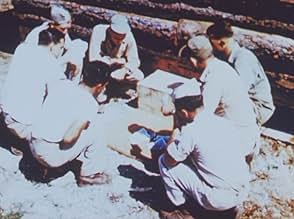
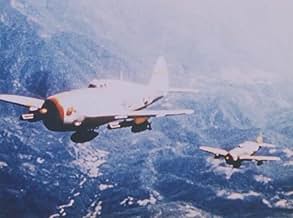
Thunderbolt is a film by William Wyler that suffered basically the same fate as the Frank Capra film "Here Is Germany", meaning that it was released at a time when everyone was eager to forget world war 2. Originally recorded in 1944 during the allied campaign in italy, Thunderbolt is a kind of documentary that follows the US 12th Air Force and the methods they use to destroy nazi supply routes responsible for enforcing the Gustav Line and the city of Anzio. The Gustav Line was a series of defensive structures and machine gun nests built across italy by the germans in order to prevent american forces from moving north. This made it very difficult for the US forces to do anything because the mountainous spine that runs through the italian peninsula made a perfect natural defensive barrier. The film goes over one of the most effective weapons the americans had during the campaign in italy, which was the Republic p-47 Thunderbolt. When it first flew, the p-47 was the largest and heaviest single engined plane in the world, and contains an insanely powerful pratt and whitney r-2800 engine. It may be large, but the plane was deceptively fast, and was superior to most german planes at high altitudes. It was also better in a dive because of its weight. With its eight .50 caliber browning m2 machine guns, it could rip its way through any plane it was likely to encounter. Lloyd Bridges narrates the film, which is essentially a bunch of clips edited together that detail how the p-47s flew mission after mission against the germans, and all of it is in technicolor. This is important because color footage of world war 2 aerial combat is not as common as you think. You can fully appreciate the paint schemes on the various planes as well. The film doesn't have much in the way of a storyline. It's the second world war and that's all you can really say. They do however go over how cameras were installed in many areas of the planes, such as in the cockpit, under the wings, and even the small recesses the wheels retract into upon takeoff. Before all this takes place, the program begins with an intro featuring James Stewart, who had to contextualize world war 2 for the audiences by calling it "ancient history." This film was released only 2 years later in 1947, but many people were (understandably) sick of the war by then and James had to take that into account. It's also interesting to note that he commanded planes during the war as a colonel and is the highest-ranking hollywood actor who was in the military. In addition to its portrayal of actual p-47 missions, Thunderbolt also shows how the pilots live at their base, located on the island of Corsica off the coast of italy. Even crashes are shown. The film ends with the allies liberating Rome two days before d-day on June 4, 1944. The war in italy comes to an end, and the surrender of Hitler's ally doesn't take him by surprise. For what it is, Thunderbolt is an interesting film simply because it is real and none of it is staged. Sadly, this was the film that marked the beginning of the end for Wyler's hearing, as it didn't return one day after he returned from filming footage for a plane mission. Before this film could be edited, the war was over and the public lost interest in films relating to it. Two years later, the film was finally released by a company called Monogram. If it was distributed earlier, it would have been much more successful. If only it were that easy.
WWII documentary in color
This is a colored post-war propaganda documentary from the military. James Stewart reads a statement at the start. This follows the 57th Fighter Group in 1944 Italy flying the Republic P-47 Thunderbolt. There is no holding back on the horrors of war. There are corpses. There are ruins. The destruction is awesome and devastating. It is all recorded. It does take a long time to get to the flying. We're all here for the aerial footage. I haven't seen most of them before except for the strafing runs against the trains. It's hard to tell if those are the same as the ones I've seen before. Even if they are, this version is in color and that is different.
Excellent for aviation lovers and also realists
As a private pilot, I really liked the aviation scene and the P47 is such an ugly impressive plane.
Great scenes to see in colour.
I am particularly shocked by the way the strafing was done. What's the point of shooting fields, cattle's or trains? There were probability civilians in it. Can't be Huns everywhere.
Great scenes to see in colour.
I am particularly shocked by the way the strafing was done. What's the point of shooting fields, cattle's or trains? There were probability civilians in it. Can't be Huns everywhere.
Informative WW2 Documentary
It's an honest an informative documentary. Rather than telling people want they want to hear, this documentary does an excellent job of showing people what it was like for the pilots as they try to cut off food, supplies, and reinforcements to the German forces. The documentary shows great images of what is happening along with a narration to give you more information about what they are doing and why they are doing it. The narrator explains some of the thoughts ans feelings that the pilots have and what expectations people have of them. Overall, it's a solid non-propaganda documentary of the war.
Interesting war-time documentary
The setting is the Italian Campaign in World War Two. More specifically this is about a series of planned air strikes carried out using the P-47 Thunderbolt bombers launched from Corsica in 1944 that went under the codename Operation Strangle. The idea was to destroy the bridges, train tracks and vehicles on the roads at the narrowest section of the Italian peninsula, which in effect would cut off supplies to the German army located in the South of that country, allowing the Allies to advance big distances north.
Like other wartime documentaries such as Attack in the Pacific (1944) this film shares similar strengths and weaknesses. On the one hand, it's obviously very raw, one-sided and propagandist to an extent. But on the other hand, it has a lot of fascinating real footage. This included planes fitted out with multi-camera set ups involved in the missions. We witness attacks on various targets which show pretty clearly the dangers involved. This also includes some indiscriminate bombings, where farmhouses seem to have been routinely blown up in case they were holding explosives, etc. We also see footage of the real men involved which adds an extra poignancy. You will get a more detailed overview of events in a documentary made nowadays but there is still some invaluable footage here. And it was a very important campaign to the overall war effort, so it's good to see it being documented for that reason alone.
Did you know
- TriviaDirector William Wyler lost his hearing during production of this film when he flew in a noisy, unpressurized transport plane. He was subsequently medically discharged from the Army, but eventually got some hearing back in one ear. Hence, the delay in the release of this film.
- ConnectionsEdited into Federal Follies - Volume 5 (1987)
Details
- Runtime
- 44m
- Sound mix
- Aspect ratio
- 1.37 : 1
Contribute to this page
Suggest an edit or add missing content