Vengo
- 2000
- 1h 30m
IMDb RATING
7.3/10
3.1K
YOUR RATING
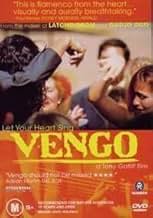
Vengo is a majestic ode to the artistry and magic of flamenco dancing, set against the compelling backdrop of two gypsy families locked in an age old struggle for power.Vengo is a majestic ode to the artistry and magic of flamenco dancing, set against the compelling backdrop of two gypsy families locked in an age old struggle for power.Vengo is a majestic ode to the artistry and magic of flamenco dancing, set against the compelling backdrop of two gypsy families locked in an age old struggle for power.
- Director
- Writers
- Stars
- Awards
- 2 wins & 1 nomination total
Antonio Dechent
- Primo Alejandro
- (as Antonio Pérez Dechent)
Juan-Luis Barrios Llorente
- Primo Caravaca 2
- (as Juan Luis Barrios Llorente)
- Director
- Writers
- All cast & crew
- Production, box office & more at IMDbPro
7.33K
1
2
3
4
5
6
7
8
9
10
Featured reviews
8=G=
Viva Vengo!!
"Vengo" is a wonderfully alive feast of the flamenco music, dance, and rhythms of the contemporary Andalusia gypsies of Southern Spain built on a ominously rumbling story of a blood feud and death. Not your usual movie fare, "Vengo" divides its time equally between musical ethnic folk singing and dancing from gala festivities to impromptu "jam" sessions to funeral laments while inching the family feud story slowly forward with the kinetic tempos of flamenco rhythms everpresent. More art than entertainment, "Vengo" will appeal most to those into foreign or ethnic films with bold musical underpinnings. Those who enjoy "Vengo" might want to check out "Flamenco (de Carlos Saura)", "Assassination Tango", "Tango, no me dejes nunca", and the like. (B+)
Dazzling flamenco concert wrapped in a flimsy blood feud plot.
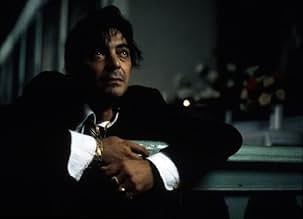
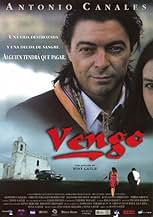
For me there's nothing better than a film about the affairs of exotic people from other lands that is full of spirited music, no matter how flimsy the plot. "Vengo" is an exemplary case. It is the latest in a series of films about Romany people and their music made by Tony Gatlif. He brings impeccable credentials to the task: born in Algeria, raised in Marseille, his mother is Roma and his father a Berber. His best known film is the 1993 homage to Roma music, "Latcho Drom" (Safe Journey), which I have yet to see. "Vengo" is set in Andalusia, in southern Spain, in the city of Seville and surrounding villages. Here a rich tradition of Berber, Romany and Jewish origins has shaped the culture and given the world a distinctive music: flamenco. This film is best viewed as a flamenco concert featuring a number of different singers, instrumentalists, dancers and ensembles, most of whom are outrageously good. The musical numbers are connected by an insubstantial narrative, a loosely unfolding story of a blood feud, a dialectic of deaths, between two rural Roma families. Caco (the flamenco dancer, Antonio Canales, who doesn't get to dance at all here) is a bereaved nightclub owner and heavy boozer whose teenage daughter was killed by members of the Caravaca family. In return Caco's brother Mario killed a Caravaca man and is hiding in Morocco. The Caravacas now demand their turn for revenge and, in Mario's absence, let out word that they plan to murder Mario's son, Diego (Orestes Villason Rodriguez), a 20-something man who suffers from cerebral palsy. Caco dearly loves and dotes on Diego, his nephew, and is set into a crazed state by this news. The story moves toward a tragic sacrificial climax. The plot does serve to convey the essential truth that grounds the passion of these people: that suffering and death itself are inevitable counterpoints to love and family loyalty. This backdrop gives embodiment to the deep emotions expressed in the music. There is also a single very humorous scene featuring cells phones, perhaps the funniest bit about these obnoxious instruments in all of filmdom. The turn contributed by Rodriguez (as Diego) is impressive; it is welcome indeed to see a person with cerebral palsy act a major role, especially when the performance is built much more on humanity than on handicap. (In Spanish)
10mjnuell
I suppose it should be possible to find a film as beautiful as this, but none come to mind.
It's funny that a critic from the new york times could know so little about film. I will not say much except this is one of the most simple, most beautiful stories made into cinema; there is absolutely no artifice, no tricks, and every detail is pure and genuine. Tony uses faces Kurasawa could've killed for. You ain't seen nothing if you ain't seen this. The music, artists like Gritos de Guerra, La Caita, Sheik al Tuni, (seemingly unavailable on record, but better than anything I've heard,) seems to capture at once the joy and sorrow bound up in human life. Likewise the players, most not actors. In fact, the music is so integrated into the lives of the characters, in the end there is no division. For reviewers of respected periodicals, we would explain this is what is called thematic. So much for the standards of education in journalism. Even reviewers who really liked this movie did not fully understand this; like most really great art, it is ahead of the curve. I suppose it should be possible to find a film as beautiful as this, as simple and captivating, but none come to mind. Skip "Vengo" and your life will certainly be less rich.
A good documentary on flamenco
Indeed, not a bad documentary (barely a real film, the plot is just an excuse to the connection of the different flamenco scenes). Antonio Canales is surprisingly good as Caco, and the other characters are of no relevance to the story whatsoever. Orestes, Caco's nephew with cerebral palsy, is actually Antonio Canales' nephew. Undoubtable epic flavor in this escape/flamenco journey. Good details, as the nice landscapes in Cadiz and the references to Caco's relative "exiled" in the Spanish cities of North Africa. Great and not so commercial flamenco singers, such as La Paquera(R.I.P) and La Caita. Special attention to the closing song, "Naci en Alamo".
10shawoody
A Beautiful and Powerful Work of Art
I think that if one has a personal understanding of the history of the circumstances which tie Andalucia and North Africa together, along with some of the cultural, social, and spiritual connections that are maintained between these two separate but connected worlds, the movie Vengo will strike you as being very symbolic.
There is a lot which is implied and will go right over your head if you are not aware of the culture and history of this region (as well as being aware of the life and struggles of Gatlif as a Gypsy man born in Algeria, caught between these two worlds). Gatlif does not spell anything out for you. He leaves it up to you to try to put the pieces together, and he knows that there are certain types of people, with a certain awareness, who will be attracted to his films.
I thought Vengo was incredibly deep with so much true emotion and so much of the subtle and misunderstood inner-struggles of the people of Andalucia being depicted through a number of overlapping stories and characters: The retarded nephew, the man whose daughter had died, the feuding Gypsy families, the exiled father of the son living in Morrocco, etc.
This movie told the tale of a people and their will to hold on to the purest ("Flamenco Puro!") sources of happiness and joy within their lives, amidst circumstances which seemed destined to tear them a part and undermine their unity.
An incredibly beautiful story with lots of information, emotion, and spirit. If you are open, this movie will touch your soul.
There is a lot which is implied and will go right over your head if you are not aware of the culture and history of this region (as well as being aware of the life and struggles of Gatlif as a Gypsy man born in Algeria, caught between these two worlds). Gatlif does not spell anything out for you. He leaves it up to you to try to put the pieces together, and he knows that there are certain types of people, with a certain awareness, who will be attracted to his films.
I thought Vengo was incredibly deep with so much true emotion and so much of the subtle and misunderstood inner-struggles of the people of Andalucia being depicted through a number of overlapping stories and characters: The retarded nephew, the man whose daughter had died, the feuding Gypsy families, the exiled father of the son living in Morrocco, etc.
This movie told the tale of a people and their will to hold on to the purest ("Flamenco Puro!") sources of happiness and joy within their lives, amidst circumstances which seemed destined to tear them a part and undermine their unity.
An incredibly beautiful story with lots of information, emotion, and spirit. If you are open, this movie will touch your soul.
Did you know
- TriviaClosed the Venice Film Festival in 2000.
- SoundtracksFusion Flamenco Soufi
Written by Tomatito, Sheikh Ahmad Al Tuni and Tony Gatlif
Guitars: Tomatito
Percussion Ramón Suárez Escobar and Israel Suárez Escobar
Violin: Bernardo Fernández Calvez
Palmas: Rafael García Serrano 'El Electrico' and Antonio Torrez Fernández
Singer: Sheikh Ahmad Al Tuni
Kamarga: Fath Abbas Hashem and Mostafa Benhmad
Oud: Mohamed Mahmoud Abdel Megid
Rapp: Rashidi Khamas Rashidi
Derbouka: Solman Al Tuni and Kamal Daas
Duff: Abbas Baktuari
- How long is Vengo?Powered by Alexa
Details
Box office
- Gross US & Canada
- $124,994
- Opening weekend US & Canada
- $5,704
- Sep 9, 2001
- Runtime
- 1h 30m(90 min)
- Color
- Sound mix
- Aspect ratio
- 2.35 : 1
Contribute to this page
Suggest an edit or add missing content