
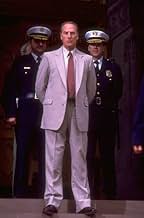
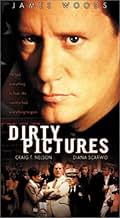
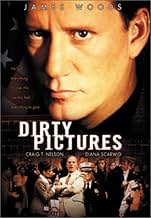
A Cincinnati museum director goes on trial in 1990 for exhibiting sadomasochistic photographs taken by Robert Mapplethorpe.A Cincinnati museum director goes on trial in 1990 for exhibiting sadomasochistic photographs taken by Robert Mapplethorpe.A Cincinnati museum director goes on trial in 1990 for exhibiting sadomasochistic photographs taken by Robert Mapplethorpe.
- Nominated for 2 Primetime Emmys
- 4 wins & 6 nominations total





- Director
- Writer
- All cast & crew
- Production, box office & more at IMDbPro
6.5906
1
2
3
4
5
6
7
8
9
10
Featured reviews
Great food for thought with a little formula thrown in
Like most of the Showtime exclusive movies this one is very gutsy and makes no qualms about where it stands on the controversial issues it features.
The controversy in this case is art verses obscenity, and where or indeed if, censorship should fit in. It focuses mainly on the arrest of Dennis Barrie, the curator of Cincinnati's largest museum. He was arrested for booking a Robert Mapplethorpe exhibit despite the fact that it had already stirred up controversy elsewhere.
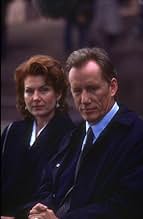
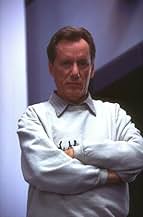
The film has its negative points. It tries so hard to focus on the censorship issue that it overdoses on the morality of all of those who back the anti-censorship laws. There are endless scenes of Barrie's normal, happy home life just to show he's not a fan of "degenerate art" but an upstanding citizen who just believes in defending the constitution (although his constant argument is that art is the only thing he believes in). And there is the familiar melodrama with the wife who must decide whether she should stand by her man. But James Woods and Diana Scarwid are so natural and engaging that I kind of enjoyed hanging out with them anyway! Unfortunately the rest of the cast are extremely stereotyped, especially when the film gets into the courtroom.
The other negative points have to do with the way the fans of Mapplethorpe were depicted. Either as militant "degenerates" or as eggheaded art critics who spout artbabble on cue. All of the backers of the exhibition, including Barrie, and of course all of the jury members (as we know jury members are symbolically the voice of the country as a whole), show their disgust and indignation over Mapplethorpe's work. Thus the film is left with the point being that no matter how warped and disgusting and offensive "art" may be, it has a right to be exhibited. It is a valid point but it sort of underlines the Dan Quayle theory of the "cultural elite" (ie: that contemporary art forms belong to a specific few and it's not something the "average" person can understand or appreciate). As an "average" person myself who happens to admire Robert Mapplethorpe's work, I know that is not true and I somewhat resent the fact that people like myself were not represented in this film.
This film does has many positive points though. The main ones being the intercutting of comments by such pundits as Salmon Rushdie, Barney Frank, and Fran Liebowitz. They offer great food for thought that only they could articulate so fruitfully! It also intercuts scenes from the original events which had surrounded the trial and the attempted closing down of the museum.
And despite the formula outline, there's a lot of witty and profound dialogue that packs a powerhouse of emotional grit and gives us a great deal to think about. See it with a friend (or friends/family) and you'll end up discussing it well into the night!
The controversy in this case is art verses obscenity, and where or indeed if, censorship should fit in. It focuses mainly on the arrest of Dennis Barrie, the curator of Cincinnati's largest museum. He was arrested for booking a Robert Mapplethorpe exhibit despite the fact that it had already stirred up controversy elsewhere.
The film has its negative points. It tries so hard to focus on the censorship issue that it overdoses on the morality of all of those who back the anti-censorship laws. There are endless scenes of Barrie's normal, happy home life just to show he's not a fan of "degenerate art" but an upstanding citizen who just believes in defending the constitution (although his constant argument is that art is the only thing he believes in). And there is the familiar melodrama with the wife who must decide whether she should stand by her man. But James Woods and Diana Scarwid are so natural and engaging that I kind of enjoyed hanging out with them anyway! Unfortunately the rest of the cast are extremely stereotyped, especially when the film gets into the courtroom.
The other negative points have to do with the way the fans of Mapplethorpe were depicted. Either as militant "degenerates" or as eggheaded art critics who spout artbabble on cue. All of the backers of the exhibition, including Barrie, and of course all of the jury members (as we know jury members are symbolically the voice of the country as a whole), show their disgust and indignation over Mapplethorpe's work. Thus the film is left with the point being that no matter how warped and disgusting and offensive "art" may be, it has a right to be exhibited. It is a valid point but it sort of underlines the Dan Quayle theory of the "cultural elite" (ie: that contemporary art forms belong to a specific few and it's not something the "average" person can understand or appreciate). As an "average" person myself who happens to admire Robert Mapplethorpe's work, I know that is not true and I somewhat resent the fact that people like myself were not represented in this film.
This film does has many positive points though. The main ones being the intercutting of comments by such pundits as Salmon Rushdie, Barney Frank, and Fran Liebowitz. They offer great food for thought that only they could articulate so fruitfully! It also intercuts scenes from the original events which had surrounded the trial and the attempted closing down of the museum.
And despite the formula outline, there's a lot of witty and profound dialogue that packs a powerhouse of emotional grit and gives us a great deal to think about. See it with a friend (or friends/family) and you'll end up discussing it well into the night!
Well made movie that shows both sides of the argument.
This movie opens the gates to what has been one of the most contreversial topics in the last half century. I agree and disagree with both sides on some of the issues. In my opinion this movie was well made that shows both sides of the issue and gives people representing each side a fair chance and explaining thier side. (albeit in my opinion leaning a little to the left :) )
The movie sucks ... the subject matter doesn't
As an European I can't help the temptation to comment on this movie. To be totally clear ... as a "movie", Dirty pictures isn't that good, as a documentary, it isn't either. What however is intriguing, is the subject matter ... a country that is so profound of it's first amendment, but on the other hand is so conservative makes me ask a lot of questions. Does the dogma "one's freedom ends where another individual's one start" still apply ? What is art , what is not ? And so on ... I can't answer to most of them, but it sure is interesting to think about.
James Woods: Hollywoods greatest actor?
This admirable, intelligent if occasionally formulaic TVM (it deserved to be more widely screened) makes me ask why James Woods is not acknowledged as America's best film actor? Think about it: who is a serious contender? The equally prolific but perhaps more limited de Niro? Tom Hanks (come on!)? Tom Cruise (you must be joking!)? Jack Nicholson, perhaps, in his day, which isn't now, alas? The comparable Brian Dennehey: masterly, but I think Woods has the edge. Give the man an Oscar, please! ******
Much Ado
This is a very engaging movie that centers around an individual's right to personal taste. It does a fine job in getting the viewer thinking. It begs definitions of community standards, personal freedoms, pornography, obscenity and first ammendment protection.
I share my grandfather's take on this subject by one of his favorite sayings: '"To each, his own," said the man who kissed the cow.' There are exhibits and shows I wouldn't go to see on a bet, but I recognize there are many that would. Fortunately, we have to right to boycott or walk out if we don't like what we see.
As far as the movie itself, it's a lot like Mapplethorpe's work. He dealt with lighting, composition and mood. Granted, some of his subjects were disturbing but the total impression was masterful. This film asks and allows us to overlook the surface matter (the actual story, direction and script) and deal with the deeper aspects of the piece. I suggest you give it a view.
As always, James Woods was wonderful.
I share my grandfather's take on this subject by one of his favorite sayings: '"To each, his own," said the man who kissed the cow.' There are exhibits and shows I wouldn't go to see on a bet, but I recognize there are many that would. Fortunately, we have to right to boycott or walk out if we don't like what we see.
As far as the movie itself, it's a lot like Mapplethorpe's work. He dealt with lighting, composition and mood. Granted, some of his subjects were disturbing but the total impression was masterful. This film asks and allows us to overlook the surface matter (the actual story, direction and script) and deal with the deeper aspects of the piece. I suggest you give it a view.
As always, James Woods was wonderful.


Did you know
- TriviaFirst Showtime production to win a Golden Globe.
- SoundtracksBanned in the USA
Performed by 2 Live Crew
New Lyrics by Luther Campbell, Mr. Mixx, Fresh Kid Ice and Brother Marquis
Written by Bruce Springsteen (ASCAP) Used by permission
The 2 Live Crew appears courtesy of Lil' Joe Records Inc.
Details
- Runtime
- 1h 44m(104 min)
- Color
- Sound mix
- Aspect ratio
- 1.85 : 1
Contribute to this page
Suggest an edit or add missing content