IMDb RATING
6.8/10
1.7K
YOUR RATING

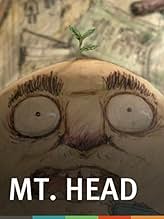
A sad rakugo of a stingy old man experiencing the unforeseen consequences of eating a few cherries whole, without throwing the pits away.A sad rakugo of a stingy old man experiencing the unforeseen consequences of eating a few cherries whole, without throwing the pits away.A sad rakugo of a stingy old man experiencing the unforeseen consequences of eating a few cherries whole, without throwing the pits away.
- Director
- Writer
- Stars
- Nominated for 1 Oscar
- 5 wins & 1 nomination total


- Director
- Writer
- All cast & crew
- Production, box office & more at IMDbPro
6.81.6K
1
2
3
4
5
6
7
8
9
10
Featured reviews
Artistically brilliant, philosophically awful
Here's a feast for the eyes that will give you indigestion. Once in a while a work of art will come along that is so appealing to the senses, yet its theme is flawed. Let's talk about the flaws first.
The story attempts to tell a moral tale of greed and its hazards; however it fails to distinguish between "greed" and "economy". The protagonist of the story is an economical man; he saves everything; he finds value in other people's trash; he recycles things that everyone else throws away. He despises waste and tries to find a use for everything. I equate this to the Native American Indian who kills an animal and finds a use for every last bone & sinew. Or, perhaps less noble but equally economical: the dumpster diver.
The fable then focuses on the greedy; those who rape & ravage for their selfish and wasteful purposes. I would equate this to the modern American hunter who kills a deer, takes the tender meat and dumps the majority of the carcass on the side of the road (try driving through Montana, and you'll see what I mean).
This film fails to make the important distinction between the two. Both the former and the latter are lumped into the same category. And as a result, the central theme is invalid.
The protagonist's only flaw (the act for which he is punished) occurs in the very beginning when he gathers cherries from the sidewalk and eats them. Not wishing to waste the seeds, he eats them too. Folks, is this "greed"? Far from it. But apparently the writer thinks it is. Apparently the writer feels that we should waste fallen cherries and instead go buy them at the supermarket. And we should trash everything but the savory part. I wonder how the writer would feel about recycling aluminum, paper and plastic.
OK, that's the philosophical critique. Now on to the artistic. From the opening scenes this blew me away. The style is unlike any other animation I've seen. The artist/director paid close attention to perspective, perception and visual angles. The result is that the viewer is truly drawn into this cartoon world as if it were reality. There's nothing bubble-gummy about this. You feel like you're standing right inside the room with the man (and often you are placed within the eyes of the man himself).
The music (traditional Japanese) is quite good, but you must have a taste for this "weird" sort of stuff. Be prepared to hear the narrator sing his lines with thick tenor vibrato whilst accompanied by a twangy instrument that sounds something like a banjo with 3 strings. Personally I loved it.
I am extremely impressed with the artistic side, but that only intensifies my disgust at the rather vapid and undevelopped theme underneath it. As a result I must average my artistic rating (10 stars) with my thematic rating (4 stars) and give it an overall 7.
Watch it if you get a chance. Then post back whether you agree or disagree with what I've said here.
The story attempts to tell a moral tale of greed and its hazards; however it fails to distinguish between "greed" and "economy". The protagonist of the story is an economical man; he saves everything; he finds value in other people's trash; he recycles things that everyone else throws away. He despises waste and tries to find a use for everything. I equate this to the Native American Indian who kills an animal and finds a use for every last bone & sinew. Or, perhaps less noble but equally economical: the dumpster diver.
The fable then focuses on the greedy; those who rape & ravage for their selfish and wasteful purposes. I would equate this to the modern American hunter who kills a deer, takes the tender meat and dumps the majority of the carcass on the side of the road (try driving through Montana, and you'll see what I mean).
This film fails to make the important distinction between the two. Both the former and the latter are lumped into the same category. And as a result, the central theme is invalid.
The protagonist's only flaw (the act for which he is punished) occurs in the very beginning when he gathers cherries from the sidewalk and eats them. Not wishing to waste the seeds, he eats them too. Folks, is this "greed"? Far from it. But apparently the writer thinks it is. Apparently the writer feels that we should waste fallen cherries and instead go buy them at the supermarket. And we should trash everything but the savory part. I wonder how the writer would feel about recycling aluminum, paper and plastic.
OK, that's the philosophical critique. Now on to the artistic. From the opening scenes this blew me away. The style is unlike any other animation I've seen. The artist/director paid close attention to perspective, perception and visual angles. The result is that the viewer is truly drawn into this cartoon world as if it were reality. There's nothing bubble-gummy about this. You feel like you're standing right inside the room with the man (and often you are placed within the eyes of the man himself).
The music (traditional Japanese) is quite good, but you must have a taste for this "weird" sort of stuff. Be prepared to hear the narrator sing his lines with thick tenor vibrato whilst accompanied by a twangy instrument that sounds something like a banjo with 3 strings. Personally I loved it.
I am extremely impressed with the artistic side, but that only intensifies my disgust at the rather vapid and undevelopped theme underneath it. As a result I must average my artistic rating (10 stars) with my thematic rating (4 stars) and give it an overall 7.
Watch it if you get a chance. Then post back whether you agree or disagree with what I've said here.
Acquired taste
I fell in love with this film the first time I saw it, and it remains one of my absolute favorite animated shorts. I can entirely understand why a lot of people dislike Atama Yama - it's slow-paced, eccentric, and the story is kinda nonsensical. But for me it works. Amazingly so.
The art is very original. Its unique design is quite different from the typical anime style, and much more expressive. The animation is very lively as well. Though rough, it has a wonderful sense of weight, space, and movement. Complementing the visuals is a narration sung by a minstrel, who also plays the shamisen.
When it all comes together, the result is beautiful. For me, Yamamura creates an evocative, humorous mood in every scene. Can't wait to see what he does next.
The art is very original. Its unique design is quite different from the typical anime style, and much more expressive. The animation is very lively as well. Though rough, it has a wonderful sense of weight, space, and movement. Complementing the visuals is a narration sung by a minstrel, who also plays the shamisen.
When it all comes together, the result is beautiful. For me, Yamamura creates an evocative, humorous mood in every scene. Can't wait to see what he does next.
Stunningly Beautiful
I freely admit that I don't think I truly grasp it quite yet, but that does not prevent me from absolutely loving this piece. Contrary to some previous reviews, I absolutely love the sound effects. I thought the audio pitch when it switches to POV shots really envelope the viewer into the picture, particularly noting the cherry eating scene. The animation is stylistically rough, avoiding solid fills, but complements it's rough construction with soft pastel-like strokes. The deep earthy palette reinforces the connection between the man and nature. Don't expect a conventional animated piece (I.E. vibrant colors, hard edges, and a conspicuous theme). I absolutely loved it and would highly recommend it to any animation buffs or lovers of the unconventional film.
Fantastic, should have won!
This should have gotten the Oscar. It was dreamy, meditative, and surreal. I absolutely loved it. The narration was sort of chanted or sung, like it was in imitation of some Japanese traditional performance that I (in my cultural myopia) wasn't familiar with. But I got very caught up in it. See it in a theater if you can--it works great if you feel surrounded by it. Funny, weird stuff.
10llltdesq
Beautifully done fable about the "pitfalls" of excessive greed.
This short, done with rough hand-drawn animation and with sung and spoken narration (a musical form of entertainment, the Japanese equivalent of the Western minstrel/bard), tells the story of an old man so parsimonious that he couldn't bear throwing away the pits from some old, discarded cherries, which he ate rather than discard. What follows is true, quite poetic, justice. As the old saying goes, true justice is something most of us would actually be happier without. An Academy Award nominee for Animated Short in a very good year. It bears repeated viewing and is an excellent piece of work. Hopefully, it will see print sometime soon, as it deserves a wider audience. It is part of Shorts Program 115 on the Sundance Channel as well as part of the program for the first year of The Animation Show, still showing in some locations. Give it a look-well worth seeing. Most highly recommended.


Did you know
- ConnectionsFeatured in The 75th Annual Academy Awards (2003)
Details
- Release date
- Country of origin
- Official site
- Language
- Also known as
- Mount Head
- Production company
- See more company credits at IMDbPro
- Runtime
- 10m
- Color
- Sound mix
- Aspect ratio
- 1.37 : 1
Contribute to this page
Suggest an edit or add missing content