A look at actresses who starred in films with thought-provoking subjects made between 1929-1934 - before the Hollywood Production Code was enforced.A look at actresses who starred in films with thought-provoking subjects made between 1929-1934 - before the Hollywood Production Code was enforced.A look at actresses who starred in films with thought-provoking subjects made between 1929-1934 - before the Hollywood Production Code was enforced.
- Director
- Writers
- Stars
Jane Fonda
- Self - Narrator
- (voice)
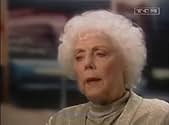
Kitty Carlisle
- Self - Interviewee
- (as Kitty Carlisle Hart)
Loretta Andrews
- Chorus Girl
- (archive footage)
Fred Astaire
- Self
- (archive footage)
Robert Barrat
- Self
- (archive footage)
John Barrymore
- Self
- (archive footage)
Lionel Barrymore
- Self
- (archive footage)
Wallace Beery
- Self
- (archive footage)
Charles Bickford
- Self
- (archive footage)
Virginia Bruce
- Self
- (archive footage)
Maxine Cantway
- Chorus Girl
- (archive footage)
Maurice Chevalier
- Self
- (archive footage)
- Director
- Writers
- All cast & crew
- Production, box office & more at IMDbPro
7.6472
1
2
3
4
5
6
7
8
9
10
Featured reviews
Exceptionally interesting and a good introduction to those not acquainted with the "Pre-Code" era
This film is a wonderful introduction to the women of the so-called "Pre-Code" movies--movies that were made through about the middle of 1935. They were called "Pre-Code" in that they were made before the rigid Production Code was enforced and the films abounded with sexuality, violence and topics of questionable taste for the time. This documentary focuses not on this overall topic, but specifically on women of the films and their smoldering sexuality. Because of this it is NOT indicative of the general topic of Pre-Code films but on a narrow aspect of the movies.
The documentary is great because I was shocked how well-preserved some of these old leading ladies were and listening to their stories about the era was extremely fascinating. I also liked all the old clips, though I felt that many times important films were omitted from discussion or clips. For example, while the very tawdry nude swimming scene from TARZAN AND HIS MATE was mentioned and shown several times (a very spicy scene even by today's standards), very little mention was made of equally famous films with similar content, such as THE BARBARIAN and THE SIGN OF THE CROSS--the two bathing scenes in these films are amazing for the early 1930s. Also, the film seemed to indicate that the Pre-Code era was from the beginning of talkies until 1934, whereas there were MANY films in the silent era that featured copious amounts of nudity or sexually liberated females. Both these quibbles, though, are very minor, as only to film nuts like me will even notice or care!
Revealing
So, there was a period in Hollywood when the lid was pretty much off, when not all girls were virgins or dependents like those of the 1950's. That, of course, was the now legendary pre- Code period from 1929 to 1934. This independently produced documentary does a good job of profiling the different independent girl types from that freewheeling time. From prostitutes to femme-fatales to executive types, the array is colorful and challenging, with illustrating snippets from the films themselves, plus cameo commentary from a few of the surviving actresses (Karen Morley, Frances Dee, et al.).
Glimpsed among actresses of the time are such independent types as Kay Francis, Joan Blondell, Greta Garbo, and Norma Shearer, plus many others. Men are strictly marginal, though a few are recognizable in the longer shots. Of course, the emphasis is on sex and seduction, subjects that became taboo once the Code kicked in. So it's fascinating to view the explicitness from a time long before the twin bed and closed mouth kissing of the next 30- years. Most of all, however, it's the notion of liberated, independent women that comes across, as commentator Molly Haskell points out. In short, these are movie images that come much closer to real female sexuality than the censored Hollywood period that followed. For years these pre-Code films were not shown on TV because of their content. Thus, their existence may come as a surprise to many viewers, making this a revealing little documentary in more ways than one.
Good Doc
Complicated Women (2003)
*** 1/2 (out of 4)
Wonderful look at the women who made Pre-Code films from 1929-34. The film shows clips from the most popular films of the era and shines a spotlight on the women who brought the sexiness to these films. The film doesn't run too long, which is a shame because this era of Hollywood is so interesting but the movie does a good job of introducing this era to those who might not know too much about it. The discussion about the Catholic Church putting an end to this type of film is an interesting one. Jane Fonda narrates.
*** 1/2 (out of 4)
Wonderful look at the women who made Pre-Code films from 1929-34. The film shows clips from the most popular films of the era and shines a spotlight on the women who brought the sexiness to these films. The film doesn't run too long, which is a shame because this era of Hollywood is so interesting but the movie does a good job of introducing this era to those who might not know too much about it. The discussion about the Catholic Church putting an end to this type of film is an interesting one. Jane Fonda narrates.
Just Complicated Women
I almost feel guilty giving this the low score that I did, as, for what it is, it's excellent. Had it been part of a three-parter that expanded onto the (studio and real world) politics and society more at the time in question, and then even delved into the reversion of the code decades later, I'd have been deliriously happy, but alas all I got was the clip show part.
As such, it's great. First hand reports from the people who were there - the Complicated Women themselves - makes this a particularly insightful documentary. Mick LeSalle is a great writer with an encyclopaedic knowledge of the field (and also the single film reviewer I pay the most attention to, he sees through the fog when others can't), and if you're not familiar with the pre-Code movies you should hopefully find it a very interesting eye-opener...
... an eye-opener which will make you say "how did things go so wrong?", and then wish for the other two parts of the documentary :/
As such, it's great. First hand reports from the people who were there - the Complicated Women themselves - makes this a particularly insightful documentary. Mick LeSalle is a great writer with an encyclopaedic knowledge of the field (and also the single film reviewer I pay the most attention to, he sees through the fog when others can't), and if you're not familiar with the pre-Code movies you should hopefully find it a very interesting eye-opener...
... an eye-opener which will make you say "how did things go so wrong?", and then wish for the other two parts of the documentary :/
Good Clips
Actually, very good clips, and the narrative makes a very good claim to proving its thesis: that the sexy Pre-Code dramas and comedies actually represented a realistic depiction of the 20th century morality until Joseph Breen clamped down, making the Production Code not just voluntary, but mandatory.
There is a good claim in that, but it makes its point by looking at the best of the Pre-Code works and the worst of the movies made under the Code. Nor does it go into the reason that Hollywood made those sexy movies in the first place, and stopped making them later: to sell tickets at the box office. Truth has never been the primary concern of the movie industry; and while these clips demonstrate that Hollywood was interested in selling tickets to men who wanted to look at naked women... well, the underwater swimming sequence from TARZAN AND HIS MATE shows Maureen O'Sullivan's stand-in swimming around in the nude, but Weismuller is wearing a loincloth.
Did you know
- ConnectionsFeatures Flesh and the Devil (1926)
Details
- Runtime
- 55m
- Color
Contribute to this page
Suggest an edit or add missing content
