
Separated at the end of the Vietnam war, an "Americanized" woman and her Vietnamese mother are reunited after 22 years.Separated at the end of the Vietnam war, an "Americanized" woman and her Vietnamese mother are reunited after 22 years.Separated at the end of the Vietnam war, an "Americanized" woman and her Vietnamese mother are reunited after 22 years.
- Nominated for 1 Oscar
- 2 wins & 2 nominations total
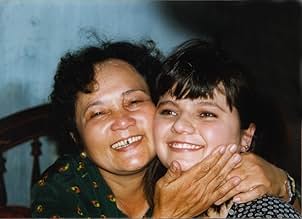


Gerald Ford
- Self
- (archive footage)
7.5637
1
2
3
4
5
6
7
8
9
10
Featured reviews
Heartbreaking...
The way Heidi treated her Vietnamese family was a travesty. Maybe it's because I come from a culturally diverse background and was raised to understand and accept cultural differences, but I thought it was common knowledge that in many cultures throughout the world a way to show love for your family is to help care for them financially if you are able. The fact that she took offense to her sister, who has a hole in the floor for a toilet, asking her for money was unbelievable. Instead of showing compassion for her family's situation, she showed nothing but contempt. She said, in effect, "I can't believe they live like this, but how dare they ask me for money to improve their lives?" I'm sure if she would have sent only $10 a month, it would have helped them considerably, but because her Vietnamese family didn't live up to her expectations, she wants nothing to do with them? I have never seen such coldheartedness. And to wipe off her mother's kisses! She had supposedly been starved for affection for 22 years from her adoptive mother, but after only 7 days with her real mother she was tired of her affection? She should have felt ashamed when she sat down to watch the finished documentary and saw her mother still in tears two years after her visit. I feel the utmost sympathy for Heidi's mother and the rest of her family, but I couldn't muster up any sympathy for Heidi... Actually, that's not true. I do feel sorry for Heidi that it wasn't part of her nature to love and accept her family no matter what. I know she was raised by a less- than- affectionate adoptive mother, but she is no longer an innocent 7-year-old. She is an adult who needs to understand and accept that her monetary and, much, much, more importantly, her emotional selfishness will have a lasting effect on many people.
Emotionally powerful and compelling
This documentary film, Daughter From Danang (DFD), is absolutely incredible.
Not that the film-making is anything spectacular, it is the content that is so emotionally powerful and compelling. I would suggest or request that you see DFD first, then come back and read the reviews, because the only way to give a good review is to give away what makes it so good.
There have many reviews that are very harsh saying Heidi is selfish or did not understand Vietnamese culture and so acted atrociously. I would say that these reviewers have only skimmed the surface of the DFD and not realized or thought about the root causes of Heidi's actions and thoughts. And that would be my only criticism about DFD is that that there was additional information that could have been given to the viewer to understand Heidi and then make a better informed judgment concerning her choices. The producers have a website
that gives more insight into Heidi's whole story and more of her thoughts about the reunion with her mother. But I think DFD does give enough clues for the viewer to understand Heidi's reactions.
After 22 years of separation she learns that her mother is alive and wants to meet her. Four months later and only one month after finalizing plans, she goes to Vietnam. In hindsight she says that she should have probably waited longer to let everything settle in emotionally and do some research about Vietnamese culture and society. But after not knowing about her past for so long she is too excited to wait and wants to be reunited with her mother as soon as possible. The first few days seem to go well as she gets to know her family and extended family and where she grew up. But she then starts to get homesick and misses her two daughters. Her mother wants to be with her 24 hours a day, even sleeping in the same room with her, which starts to suffocate Heidi. She thinks about going home a few days early. I think this would be a normal reaction for any American with our tradition of personal space and privacy. Also with the incredible emotions of reuniting with her family she needed some time relax and reflect on everything that had happened. She is persuaded to stay the last few days by her companion T.T. Nhu even though she was leaving to visit relatives in Hanoi. The last few days are hard for Heidi from the effect of culture shock and being overwhelmed by all the emotions. Which leads to her breakdown.
The most telling thing about Heidi is her saying before she left for Vietnam, 'I have always wanted to have somebody love me unconditionally.' Because of the way she grew up I think that is her main reason for going to see her mother and family. She wants to reconnect with her past that has been missing for so long. Her mother undoubtedly wants to reconnect with her also, but not just because she is her daughter, she sees Heidi as her daughter and the family's savoir. Heidi is going to help them from the poverty that they have endured for so long. After the many requests for money and the formal request from her brother to take on the responsibility of taking care of her mother, it all hits her at once. She only came to meet and get know her family. And now after finding out her mother was alive only four months previously, having met her and her family a few days before, still reeling from all of events and emotions of the last few days, being alone, isolated and homesick, she can't articulate and express her feelings to her family so she just shuts down. Her dream of unconditional love from her mother has been compromised by the requests for money and filial responsibility.
Months after the trip she still cannot come to terms with all of her feelings. I think she wants to tell her husband and for him to understand what she went through, but is unable to open up and relive the pain all over again so soon after it happened. Even two years later she is still having problems and has not written her mother. The continued requests for money from her family do not help also. I think the pain is so deep from the perceived abandonment of her birth mother, real abandonment from her adopted mother, and the 22 years of separation, it has made the pain deeply imbedded and it cannot be put aside in a matter of days, weeks or even years, it has to be worked through. I think time is the only thing that will heal Heidi's pain and it will heal as Heidi comes to terms with her life and if she gets to know her family in Danang.
How could all of this been avoided? I think that both Heidi and her family in Danang needed to learn about each other's culture. Heidi needed to know that her family would love her, but would also see her a benefactor and would not be shy about asking for help. The family in Danang should have been told that first Heidi wanted to meet her family, get to know them and establish a relationship before going to the next level. I hope the damage is not too great that this can be achieved.
I wish Heidi and her family the best, and her family in Danang also.
Not that the film-making is anything spectacular, it is the content that is so emotionally powerful and compelling. I would suggest or request that you see DFD first, then come back and read the reviews, because the only way to give a good review is to give away what makes it so good.
There have many reviews that are very harsh saying Heidi is selfish or did not understand Vietnamese culture and so acted atrociously. I would say that these reviewers have only skimmed the surface of the DFD and not realized or thought about the root causes of Heidi's actions and thoughts. And that would be my only criticism about DFD is that that there was additional information that could have been given to the viewer to understand Heidi and then make a better informed judgment concerning her choices. The producers have a website
that gives more insight into Heidi's whole story and more of her thoughts about the reunion with her mother. But I think DFD does give enough clues for the viewer to understand Heidi's reactions.
After 22 years of separation she learns that her mother is alive and wants to meet her. Four months later and only one month after finalizing plans, she goes to Vietnam. In hindsight she says that she should have probably waited longer to let everything settle in emotionally and do some research about Vietnamese culture and society. But after not knowing about her past for so long she is too excited to wait and wants to be reunited with her mother as soon as possible. The first few days seem to go well as she gets to know her family and extended family and where she grew up. But she then starts to get homesick and misses her two daughters. Her mother wants to be with her 24 hours a day, even sleeping in the same room with her, which starts to suffocate Heidi. She thinks about going home a few days early. I think this would be a normal reaction for any American with our tradition of personal space and privacy. Also with the incredible emotions of reuniting with her family she needed some time relax and reflect on everything that had happened. She is persuaded to stay the last few days by her companion T.T. Nhu even though she was leaving to visit relatives in Hanoi. The last few days are hard for Heidi from the effect of culture shock and being overwhelmed by all the emotions. Which leads to her breakdown.
The most telling thing about Heidi is her saying before she left for Vietnam, 'I have always wanted to have somebody love me unconditionally.' Because of the way she grew up I think that is her main reason for going to see her mother and family. She wants to reconnect with her past that has been missing for so long. Her mother undoubtedly wants to reconnect with her also, but not just because she is her daughter, she sees Heidi as her daughter and the family's savoir. Heidi is going to help them from the poverty that they have endured for so long. After the many requests for money and the formal request from her brother to take on the responsibility of taking care of her mother, it all hits her at once. She only came to meet and get know her family. And now after finding out her mother was alive only four months previously, having met her and her family a few days before, still reeling from all of events and emotions of the last few days, being alone, isolated and homesick, she can't articulate and express her feelings to her family so she just shuts down. Her dream of unconditional love from her mother has been compromised by the requests for money and filial responsibility.
Months after the trip she still cannot come to terms with all of her feelings. I think she wants to tell her husband and for him to understand what she went through, but is unable to open up and relive the pain all over again so soon after it happened. Even two years later she is still having problems and has not written her mother. The continued requests for money from her family do not help also. I think the pain is so deep from the perceived abandonment of her birth mother, real abandonment from her adopted mother, and the 22 years of separation, it has made the pain deeply imbedded and it cannot be put aside in a matter of days, weeks or even years, it has to be worked through. I think time is the only thing that will heal Heidi's pain and it will heal as Heidi comes to terms with her life and if she gets to know her family in Danang.
How could all of this been avoided? I think that both Heidi and her family in Danang needed to learn about each other's culture. Heidi needed to know that her family would love her, but would also see her a benefactor and would not be shy about asking for help. The family in Danang should have been told that first Heidi wanted to meet her family, get to know them and establish a relationship before going to the next level. I hope the damage is not too great that this can be achieved.
I wish Heidi and her family the best, and her family in Danang also.
A sad story of loss and cultural divide...
This is a beautifully shot but often difficult film to watch mostly because, as a previous reviewer has mentioned, the Amerasian daughter, Heidi, seems ignorant of her cultural heritage and unwilling to learn. We learn that she was raised by a cold woman who kept her Vietnamese heritage a secret, but even as an adult Heidi doesn't do anything to educate herself about her family or their culture. As she's leaving on the plan for Danang, we see her only just learning how speak the language in a cursory way.
The film beautifully communicates how traumatic the separation of half-American children from their Vietnamese mothers was on all sides. Heidi was denied a family, her mother was forced to sleep with an American soldier to save her other children during a war, and the family continues to live in poverty. It is very difficult to watch how shabbily Heidi treats the family after they open their lives and homes to her, but I suppose that highlights how ignorant many of the children who were brought here in "Operation Babydrop" were and are. It is particularly sad to see how judgmental she is of them she brings them useless American gifts, but gets angry when they ask for help in supporting her mother. It is especially sad when you realize that if she had only taken the time to understand Vietnamese culture, the misunderstanding may have never come up.
Overall, it's an often frustrating and difficult story to watch, but one that is well-told and forthright in its honesty.
The film beautifully communicates how traumatic the separation of half-American children from their Vietnamese mothers was on all sides. Heidi was denied a family, her mother was forced to sleep with an American soldier to save her other children during a war, and the family continues to live in poverty. It is very difficult to watch how shabbily Heidi treats the family after they open their lives and homes to her, but I suppose that highlights how ignorant many of the children who were brought here in "Operation Babydrop" were and are. It is particularly sad to see how judgmental she is of them she brings them useless American gifts, but gets angry when they ask for help in supporting her mother. It is especially sad when you realize that if she had only taken the time to understand Vietnamese culture, the misunderstanding may have never come up.
Overall, it's an often frustrating and difficult story to watch, but one that is well-told and forthright in its honesty.
Not prepared for this..
Just like Heidi wasn't prepared for the way she was treated in Vietnam, I wasn't prepared for watching this emotionally violent documentary. I expected a "good feeling" documentary, showing what could be perceived as some kind of reconciliation between USA and Vietnam, by the public.. How can a daughter-finds-back-her-mother ever turn our to be a sad story? I had better braced myself.
The first moments of the reunion, at the airport, already start to show a distance between the mother and daughter. Such violent emotions.. You can feel the daughter shying away. I was thinking that the documentary would hide the bad stuff and only focus on superficial emotions. It did not, and that's why it's such a great documentary.
First off, it doesn't present a negative view of Americans nor Vietnamese. It just shows a few individuals from those two cultures, without attempting to make them look bad or worse. Heidi is not the typical American girl and neither is her mother the typical Vietnamese mother. It isn't any more Vietnamese than American to have strong emotions like Mai and pour out every time. Such characters exist in both cultures. Just watch Oprah and Dr. Phil and you'll see lots of crying and overreacting. As a matter of fact, many Vietnamese consider improper the display of strong emotions in public.
Now this being said, the movie shows what culture shock is all about.
Heidi has been raised in America, where bread is white and meat comes in burgers. She can't stand the smell of fresh fish in a hot market. She can't stand being in Vietnam for so long, with such heat, humidity, without her commodities. Many Americans and Europeans would feel just the same. To show it on film is not a stab at American culture or a display of American egocentricity. It is a mere fact of life : if you grow up in comfort, even at the expense of freshness and excitement, it is hard to give it up.
On the other hand, the whole "fillial obligation" thing in Vietnam is real, but it is not just about the money. I don't think Heidi was crying because she was being asked money, but rather because she saw them clinging desperately at her as if she were a Saviour. No one can handle that kind of emotional pressure, combined with all the extra attention she kept getting. However, she just needed say No and they backed off.
I think that the two sides need to work a little to make this a better relationship. I wonder how the viewing of this movie was perceived by both parties. It must be terribly difficult for them to watch.
The first moments of the reunion, at the airport, already start to show a distance between the mother and daughter. Such violent emotions.. You can feel the daughter shying away. I was thinking that the documentary would hide the bad stuff and only focus on superficial emotions. It did not, and that's why it's such a great documentary.
First off, it doesn't present a negative view of Americans nor Vietnamese. It just shows a few individuals from those two cultures, without attempting to make them look bad or worse. Heidi is not the typical American girl and neither is her mother the typical Vietnamese mother. It isn't any more Vietnamese than American to have strong emotions like Mai and pour out every time. Such characters exist in both cultures. Just watch Oprah and Dr. Phil and you'll see lots of crying and overreacting. As a matter of fact, many Vietnamese consider improper the display of strong emotions in public.
Now this being said, the movie shows what culture shock is all about.
Heidi has been raised in America, where bread is white and meat comes in burgers. She can't stand the smell of fresh fish in a hot market. She can't stand being in Vietnam for so long, with such heat, humidity, without her commodities. Many Americans and Europeans would feel just the same. To show it on film is not a stab at American culture or a display of American egocentricity. It is a mere fact of life : if you grow up in comfort, even at the expense of freshness and excitement, it is hard to give it up.
On the other hand, the whole "fillial obligation" thing in Vietnam is real, but it is not just about the money. I don't think Heidi was crying because she was being asked money, but rather because she saw them clinging desperately at her as if she were a Saviour. No one can handle that kind of emotional pressure, combined with all the extra attention she kept getting. However, she just needed say No and they backed off.
I think that the two sides need to work a little to make this a better relationship. I wonder how the viewing of this movie was perceived by both parties. It must be terribly difficult for them to watch.
The Shocking Reunion
I watched this movie by accident. I was reading a material and had left the TV on when the title came up ..... " Daughter From Danang" .... I did not know what it was, but my instinct told me it was a drama movie/documentary film. I am all for dramas and more so with true to life story documentaries. Without hesitance, I dropped what I was reading and soon became engrossed as the story was unfolding. True, I was expecting a happy ending. Instead, the movie ended in a sad tone with a subtle hint of possibly another tragedy in the making. I was deeply saddened and felt the pang of pain for Heidi that her visit turned out like a nightmare. I myself is a mixture of Chinese and of Southeast Asian background (not Vietnamese). Most of my relatives from both sides of my parents are very poor. They hardly have any food on the table, let alone a decent house or education. I grew up seeing my parents helped their relatives in every way they can in terms of food, shelter, clothes, education and employment. A lot of times, we the children had to sacrifice our wants and likes such as fun outfits, nice toys and holiday trips because my parents could no longer afford those. With all gratitude, my parents provided all of us seven (7) children, the education that was inexistent in our family tree. Helping family and relatives is like a tradition in my family. It is also like a legacy and it will be passed on to the next generation, especially to the ones who are in a position to help. Growing up in this type of environment .... I totally understand and sympathize with the Vietnamese's predicament and the need for help. I am almost sure that when they knew Heidi was coming to see them, they probably thought she will bring them the much needed salvation. The Vietnamese Family may have expected this to happen, more than just hoped for it to happen. This was demonstrated by their aggressiveness in asking for financial help, of which Heidi took it as rude and offensive. Heidi's reaction was also understandable because she was brought up by her adoptive parent the "Americn Way". Very strong minded and independent, amongst many other qualities. I am just curious as to why Heidi was not prepared for all of this? I am aware that the lady who escorted her to Vietnam have told her that life is very different there. But somehow, Heidi should have gone a little further or at least, she should have been encouraged by the filming group to do a little research on the cultural background of her estranged family. Her awareness and familiarization of the social culture could have helped her interact with her family in a more positive way, and may have avoided the unnecessary feeling of shock, anger and resentment that caused her so much anguish, it broke my heart. It's been 2 years now since her emotional visit to Vietnam. She may have taken some time to think things over and have created a plan to reconsider her brother's plea for help. At the end of the interview, Heidi said something to this effect: "I guess I closed the door on them (paused and thinking). Yes, I may have closed the door, but I did not lock the door (gave a smile"): This gave me a strong sense of hope. It tells me that she's taking a step back in order to make two steps forward. Heidi's American upbringing ..... the morals, virtues and principles that she was shaped into by her adoptive family may play a big role in her recognizing and exercising humanitarian gestures towards her Vietnamese family. I hope that this act of good deed will serve as a vehicle for her to learn to accept her real family and to love them unconditionally, as they did for her. According to Heidi, she lives for the present and for the future. The she does not live for the past....... my comment to this is that for Heidi to accept and acknowledge the fact that there was a huge void in her life that needs filling up. In my opinion, she needs to find a way to connect the past to the present, so that she may able to proceed with her journey to the future. I think, if she's able to do this, she would feel whole, strong and liberated. This is then a call for PART TWO of the drama ...... ah! what should be the title? HHHmmm, I'll leave that to you. This movie has been inspiring to me, and no doubt .... should be inspiring for those children like Heidi. This presentation, could help thousands of those children ease their silent suffering, and may help aide them in their healing process. That ultimately, the tragedy in Vietnam War will yield a happy ending. At least, for those innocent children like Heidi who will successfully come to terms with her past, present and future life as a person. To the people who created this film, thank you and more power to you. To Heidi and her family .... be patient for "LOVE WILL CONQUER ALL".


Did you know
Details
- Release date
- Country of origin
- Languages
- Also known as
- Дочь из Дананги
- Filming locations
- See more company credits at IMDbPro
Contribute to this page
Suggest an edit or add missing content