
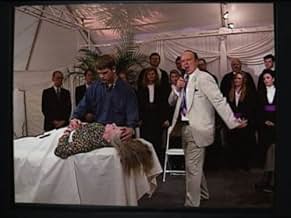
The agents investigate a ministry led by a man whose son possesses the power to heal, and to kill, with a touch of his hand.The agents investigate a ministry led by a man whose son possesses the power to heal, and to kill, with a touch of his hand.The agents investigate a ministry led by a man whose son possesses the power to heal, and to kill, with a touch of his hand.


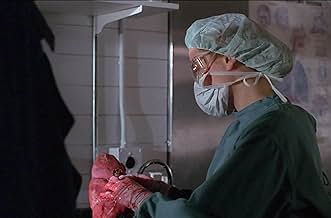
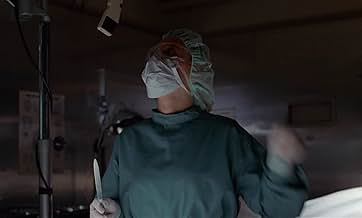
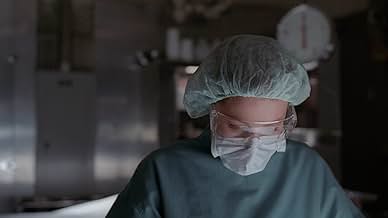
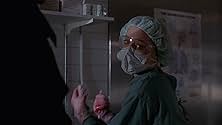


Iris Quinn
- Lillian Daniels
- (as Iris Quinn Bernard)


Brianne Benitz
- Young Samantha Mulder
- (uncredited)
Tali Cherniawsky
- Crazy Screaming Girl
- (uncredited)
- Director
- Writers
- All cast & crew
- Production, box office & more at IMDbPro
7.15.9K
1
2
3
4
5
6
7
8
9
10
Featured reviews
I'm not gonna listen t'anymore of this woman's crazy talk
Miracle Man is a reasonably good episode with some entertaining moments.
The plot has a mystery that you want to see resolved. There is an additional interest with Mulder's personal connection to the case, which allows for some effective visuals, and makes the main characters feel more than just the obligatory investigators in a bog-standard mystery. That being said, it feels slightly forced into the story.
For me, the main attractions are the amusing bible-belt stereotypes played so well by non-Southern actors and the crowds baying in religious fervour. I'd like to say "only in America", but I have witnessed it in my own locality, no less than four and a half thousand miles away from Tennessee. I think Scott Bairstow and George Gerdes, in particular, give strong performances.
Visually, it is a pretty good with some well-worked imagery.
For me, it is a 6.5/10, but I round up.
The plot has a mystery that you want to see resolved. There is an additional interest with Mulder's personal connection to the case, which allows for some effective visuals, and makes the main characters feel more than just the obligatory investigators in a bog-standard mystery. That being said, it feels slightly forced into the story.
For me, the main attractions are the amusing bible-belt stereotypes played so well by non-Southern actors and the crowds baying in religious fervour. I'd like to say "only in America", but I have witnessed it in my own locality, no less than four and a half thousand miles away from Tennessee. I think Scott Bairstow and George Gerdes, in particular, give strong performances.
Visually, it is a pretty good with some well-worked imagery.
For me, it is a 6.5/10, but I round up.
The narrative revolves around Samuel Hartley (Scott Bairstow), a young man who possesses purported miraculous healing abilities
The eighteenth episode of "The X-Files," titled "Miracle Man," directed by Michael Lange, explores the intersection of faith, healing, and the darker sides of human nature. The narrative revolves around Samuel Hartley (Scott Bairstow), a young man who possesses purported miraculous healing abilities. As agents Fox Mulder (David Duchovny) and Dana Scully (Gillian Anderson) investigate a series of mysterious deaths connected to Samuel's healing sessions, they uncover a web of deception that raises questions about the nature of belief and the consequences of unchecked faith.
The episode opens with a gripping prologue that introduces Samuel as a celebrated faith healer in his small town. His ability to heal people draws significant attention, but it quickly becomes evident that his gifts may come at a price. When several individuals die after receiving treatment from Samuel, Mulder and Scully are called in to investigate. The pacing is effective, balancing moments of suspense with character development as Scully grapples with her skepticism about Samuel's abilities while Mulder becomes increasingly fascinated by the implications of faith healing. This dynamic sets the stage for a deeper exploration of their contrasting beliefs.
Visually, "Miracle Man" retains the series' signature aesthetic, utilizing shadows and dim lighting to create an atmosphere of unease. Lange's direction builds tension effectively; scenes where Samuel interacts with those seeking his help are particularly impactful, showcasing both the hope and desperation of the townspeople. The cinematography captures the contrast between the vibrant community surrounding Samuel and the darker undertones of manipulation and tragedy that lurk beneath the surface. However, some critics have noted that certain plot points feel convoluted or lack depth, particularly regarding how quickly Mulder connects his findings to Samuel's alleged powers.
The performances in this episode are commendable, especially from Anderson and Bairstow. Anderson's portrayal of Scully showcases her emotional range as she navigates her skepticism and curiosity about Samuel's abilities; she embodies a blend of scientific rationality and personal investment that adds depth to her character. Bairstow delivers a strong performance as Samuel; he effectively conveys both innocence and an unsettling aura as he grapples with the implications of his supposed gifts. Duchovny's Mulder serves as a rational counterbalance; his fascination with the supernatural elements allows for an engaging exploration of belief and doubt.
Thematically, "Miracle Man" delves into profound questions about faith, identity, and morality within the context of healing. The character of Samuel serves as a representation of both hope and danger; his abilities raise critical questions about what it means to be truly healed and whether such powers can be trusted. The episode also examines societal perceptions of faith healers; while some view Samuel as a miracle worker, others see him as a fraud exploiting vulnerable individuals. This exploration invites viewers to reflect on their own beliefs regarding faith and healing, challenging them to consider the fine line between belief and delusion. "Miracle Man" stands out as an engaging entry in "The X-Files," successfully blending elements of horror with psychological drama while deepening character dynamics between Mulder and Scully.
The episode opens with a gripping prologue that introduces Samuel as a celebrated faith healer in his small town. His ability to heal people draws significant attention, but it quickly becomes evident that his gifts may come at a price. When several individuals die after receiving treatment from Samuel, Mulder and Scully are called in to investigate. The pacing is effective, balancing moments of suspense with character development as Scully grapples with her skepticism about Samuel's abilities while Mulder becomes increasingly fascinated by the implications of faith healing. This dynamic sets the stage for a deeper exploration of their contrasting beliefs.
Visually, "Miracle Man" retains the series' signature aesthetic, utilizing shadows and dim lighting to create an atmosphere of unease. Lange's direction builds tension effectively; scenes where Samuel interacts with those seeking his help are particularly impactful, showcasing both the hope and desperation of the townspeople. The cinematography captures the contrast between the vibrant community surrounding Samuel and the darker undertones of manipulation and tragedy that lurk beneath the surface. However, some critics have noted that certain plot points feel convoluted or lack depth, particularly regarding how quickly Mulder connects his findings to Samuel's alleged powers.
The performances in this episode are commendable, especially from Anderson and Bairstow. Anderson's portrayal of Scully showcases her emotional range as she navigates her skepticism and curiosity about Samuel's abilities; she embodies a blend of scientific rationality and personal investment that adds depth to her character. Bairstow delivers a strong performance as Samuel; he effectively conveys both innocence and an unsettling aura as he grapples with the implications of his supposed gifts. Duchovny's Mulder serves as a rational counterbalance; his fascination with the supernatural elements allows for an engaging exploration of belief and doubt.
Thematically, "Miracle Man" delves into profound questions about faith, identity, and morality within the context of healing. The character of Samuel serves as a representation of both hope and danger; his abilities raise critical questions about what it means to be truly healed and whether such powers can be trusted. The episode also examines societal perceptions of faith healers; while some view Samuel as a miracle worker, others see him as a fraud exploiting vulnerable individuals. This exploration invites viewers to reflect on their own beliefs regarding faith and healing, challenging them to consider the fine line between belief and delusion. "Miracle Man" stands out as an engaging entry in "The X-Files," successfully blending elements of horror with psychological drama while deepening character dynamics between Mulder and Scully.
One of the better religion-based episodes
Chris Carter has made it no secret that he is a man of faith and that Scully's struggle with her own Catholicism is likely a very personal issue for Carter to write about. Scully's struggle with her own faith and with the Church's doctrine is a theme that Carter in particular clearly finds inspiration to return to on a regular basis, but "Miracle Man" is possibly the first episode to really deal with Scully's Catholic upbringing and struggle between her work as a scientist and her faith in God.
Not surprisingly, "Miracle Man" is rated quite low, not just at the moment, but it was never a widely-liked episode. I say 'not surprisingly' because religion isn't many people's favorite topic- atheists tend to dismiss anything with religious undertones as stupid and outdated, and very devout people tend to get upset at even things like "Miracle Man", something clearly written by a Christian which still brings into question some of the more unusual practices and phenomenon surrounding religion, or more specifically extreme cases of religious devotion.
All that said, "Miracle Man" is not just a smart script that opens Scully's character to many of the aspects which would later become key to episodes focused on her, it's also a fun little thriller script, and one with weighty and well-written enough subject matter that it doesn't become laughable as several season one episodes do. "Miracle Man" is quite good, really.
8/10
Not surprisingly, "Miracle Man" is rated quite low, not just at the moment, but it was never a widely-liked episode. I say 'not surprisingly' because religion isn't many people's favorite topic- atheists tend to dismiss anything with religious undertones as stupid and outdated, and very devout people tend to get upset at even things like "Miracle Man", something clearly written by a Christian which still brings into question some of the more unusual practices and phenomenon surrounding religion, or more specifically extreme cases of religious devotion.
All that said, "Miracle Man" is not just a smart script that opens Scully's character to many of the aspects which would later become key to episodes focused on her, it's also a fun little thriller script, and one with weighty and well-written enough subject matter that it doesn't become laughable as several season one episodes do. "Miracle Man" is quite good, really.
8/10
I Don't Have Means, Motive, or Evidence... But He's Guilty!
The X-Files is a pretty cheesy and silly show, especially when they leave their alien abduction wheelhouse, and I'm sure they couldn't afford writers with any experience related to what they're writing about... But arresting a teenager because the people he lays hands on die... And actually having a prosecutor be willing to try it... And not have the case dismissed on day one???
That's a little too stupid even for broadcast TV drama. Also Mulder keeps running after a vision for some reason, why does he not understand how visions work?
Anyway if we're in a world where the supernatural is considered supernatural, then how can you bring murder charges when the murder weapon is the power of the Devil working through touch? Why is the legal system of the X-Files not otherwise shown to accept spectral evidence, miracles, super powers, etc.?
What I'm saying is, this whole episode is dumb.
That's a little too stupid even for broadcast TV drama. Also Mulder keeps running after a vision for some reason, why does he not understand how visions work?
Anyway if we're in a world where the supernatural is considered supernatural, then how can you bring murder charges when the murder weapon is the power of the Devil working through touch? Why is the legal system of the X-Files not otherwise shown to accept spectral evidence, miracles, super powers, etc.?
What I'm saying is, this whole episode is dumb.
Demons Be Gone!
I don't think Miracle Man gets the respect it deserves. I think anytime you can add a twist to an episode deserves a positive mention. Miracle Man has you thinking that Samuel Hartley is killing these people through his powers, but his puzzling acceptance of it has you to confused as to what is really happening. It's a good guessing game that had me changing my mind till the end. I also like how they included elements about Samantha, Mulder's sister, linking this episode to the myth/arc in a small way. I think you walk a fine line when you produce a religious themed episode. You want it to be authentic without offending people or making it seem hokey. Miracle Man pulls it off well, making it a believable story. Some of the religious-themed episodes fall a bit flat. Miracle Man is one of the better offerings.


Did you know
- TriviaProducer R.W. Goodwin felt that the greatest difficulty was finding enough Vancouver-area actors who could portray a convincing Southern US accent, so they hired a dialect coach to prevent the cast from sounding "like they were coming from fifteen different parts of the South".
- Goofs(at around 15 mins) The screen caption says "Kenwood County Courthouse" but the building shown is the "Dekalb County Courthouse" in Auburn, Indiana. In the original broadcast, the sign on the courthouse had not been changed, resulting in a revealing mistake. Subsequently, the sign was changed digitally to replace "Dekalb" with "Kenwood" so there is no error when viewing the episode in broadcast syndication or on home media.
- ConnectionsReferenced in Gone Home (2013)
Details
Contribute to this page
Suggest an edit or add missing content