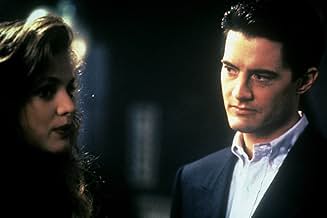
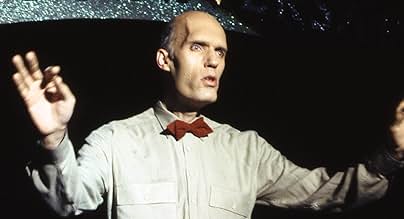
"The Path to the Black Lodge," the twentieth episode and penultimate chapter of Twin Peaks Season Two, directed by Stephen Gyllenhaal and co-created by Mark Frost and David Lynch, stands as a pivotal and haunting installment that propels the series into its surreal and metaphysical climax. This episode intricately weaves together the show's central mysteries, supernatural mythology, and psychological horror, culminating in a tense and enigmatic journey that challenges viewers' perceptions of reality and identity.
The narrative centers on Agent Dale Cooper's deepening investigation into the Black Lodge, a mysterious and otherworldly realm hinted at throughout the series. Cooper's realization that Windom Earle's true objective is to harness the power of the Black Lodge reframes the season's conflict, shifting the stakes from personal vendettas to cosmic battles between good and evil. The episode opens with Cooper and Sheriff Truman examining the petroglyph in Owl Cave, which Earle deciphers as both a clock and a map revealing when and where the Black Lodge's entrance will open. This discovery sets in motion a race against time that permeates the episode with urgency and dread.
The episode skillfully balances procedural elements with surreal and symbolic sequences. Major Briggs experiences a spiritual seizure in the woods, underscoring the metaphysical forces at play, while Leo Johnson's drug overdose and subsequent torment reflect the physical and psychological toll of the town's darkness. Meanwhile, Donna Hayward uncovers disturbing records about her birth, deepening the series' exploration of identity and hidden pasts. These interwoven storylines maintain narrative momentum while enriching the series' thematic complexity.
Stephen Gyllenhaal's direction emphasizes atmosphere and tension, employing a muted color palette and shadowy lighting that evoke a sense of foreboding. The cinematography captures the eerie beauty of the Pacific Northwest, while the editing rhythmically alternates between grounded investigative scenes and increasingly surreal moments, culminating in Cooper's fateful entry into the Black Lodge. The sound design, including Angelo Badalamenti's haunting score and ambient noises, heightens the immersive and unsettling experience.
Performances are uniformly compelling. Kyle MacLachlan's Cooper navigates the episode's psychological and supernatural challenges with a blend of determination and vulnerability. Kenneth Welsh's Windom Earle exudes chilling menace, while Michael Ontkean's Sheriff Truman provides a steady moral anchor. Lara Flynn Boyle's Donna conveys emotional depth amid revelations about her origins. The supporting cast enriches the episode's layered narrative with nuanced portrayals.
Thematically, "The Path to the Black Lodge" delves into motifs of duality, fate, and the struggle between light and darkness. The episode's exploration of the Black Lodge as a liminal space between worlds embodies the series' fascination with the unknown and the subconscious. Cooper's journey through the Lodge, confronted by doppelgängers and cryptic figures, symbolizes the confrontation with one's shadow self and the consequences of fear and hesitation. The episode's ambiguous and haunting conclusion leaves viewers pondering the nature of identity and evil.
Culturally, the episode exemplifies Twin Peaks' pioneering approach to television, merging genre conventions with avant-garde storytelling and philosophical inquiry. Its influence extends beyond television, resonating with themes in literature, cinema, and the arts that explore the uncanny, the supernatural, and the human psyche. The episode's bold narrative and stylistic choices challenge traditional storytelling and invite active viewer engagement.
While the episode is praised for its atmospheric direction, narrative ambition, and thematic depth, some viewers find its surreal sequences and ambiguous ending challenging. The dense symbolism and departure from conventional plot resolution require interpretive openness and may alienate those expecting straightforward closure. However, these qualities contribute to the episode's enduring mystique and critical acclaim.
In conclusion, "The Path to the Black Lodge" is a masterful and enigmatic episode that propels Twin Peaks into its metaphysical climax. Through Stephen Gyllenhaal's evocative direction, strong performances, and a richly layered script, the episode explores profound themes of identity, fear, and the battle between good and evil.